Not the wild colour
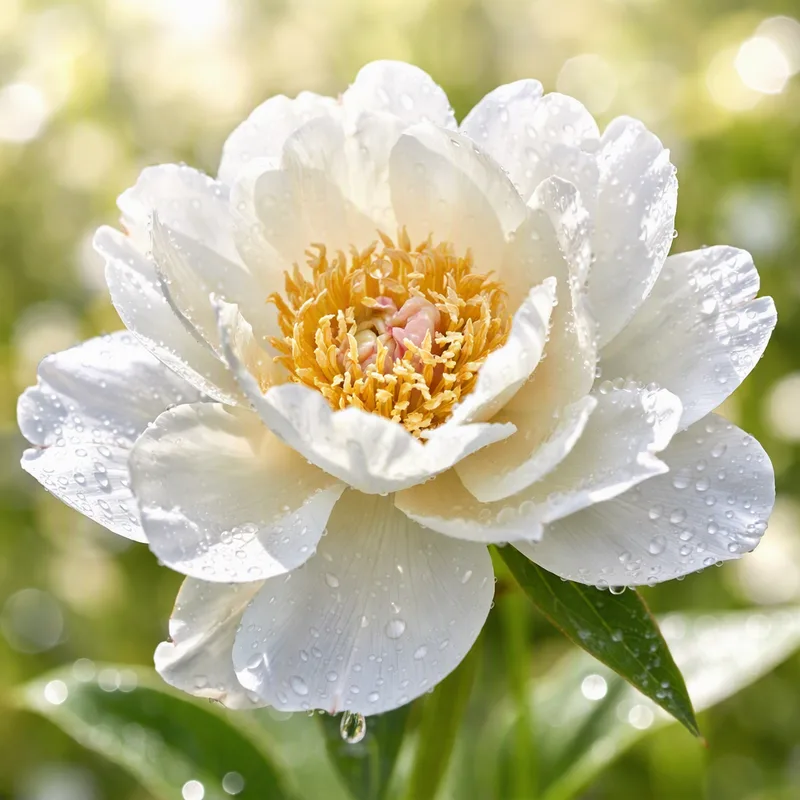
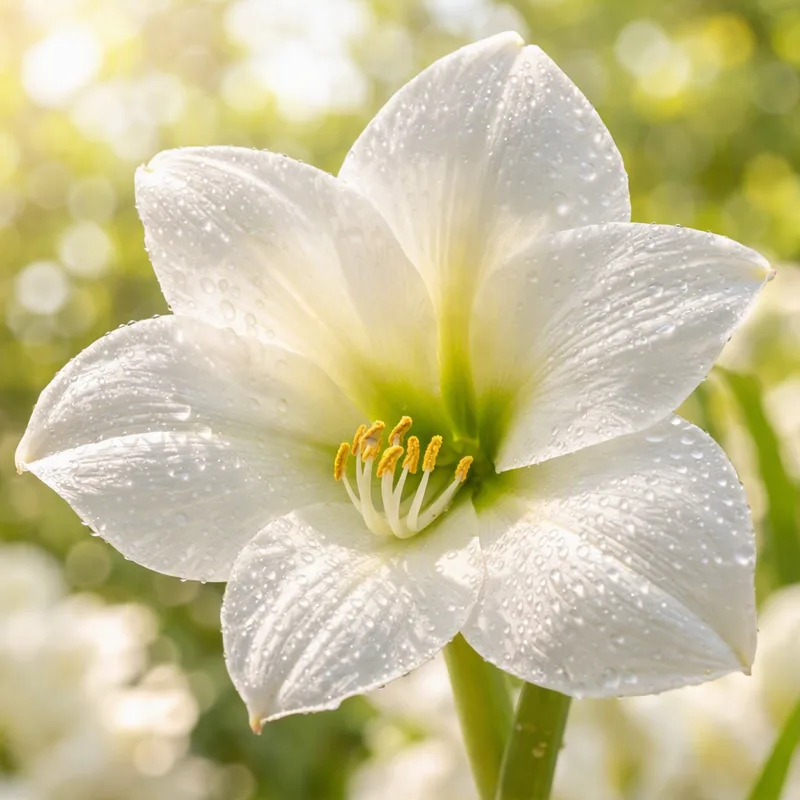
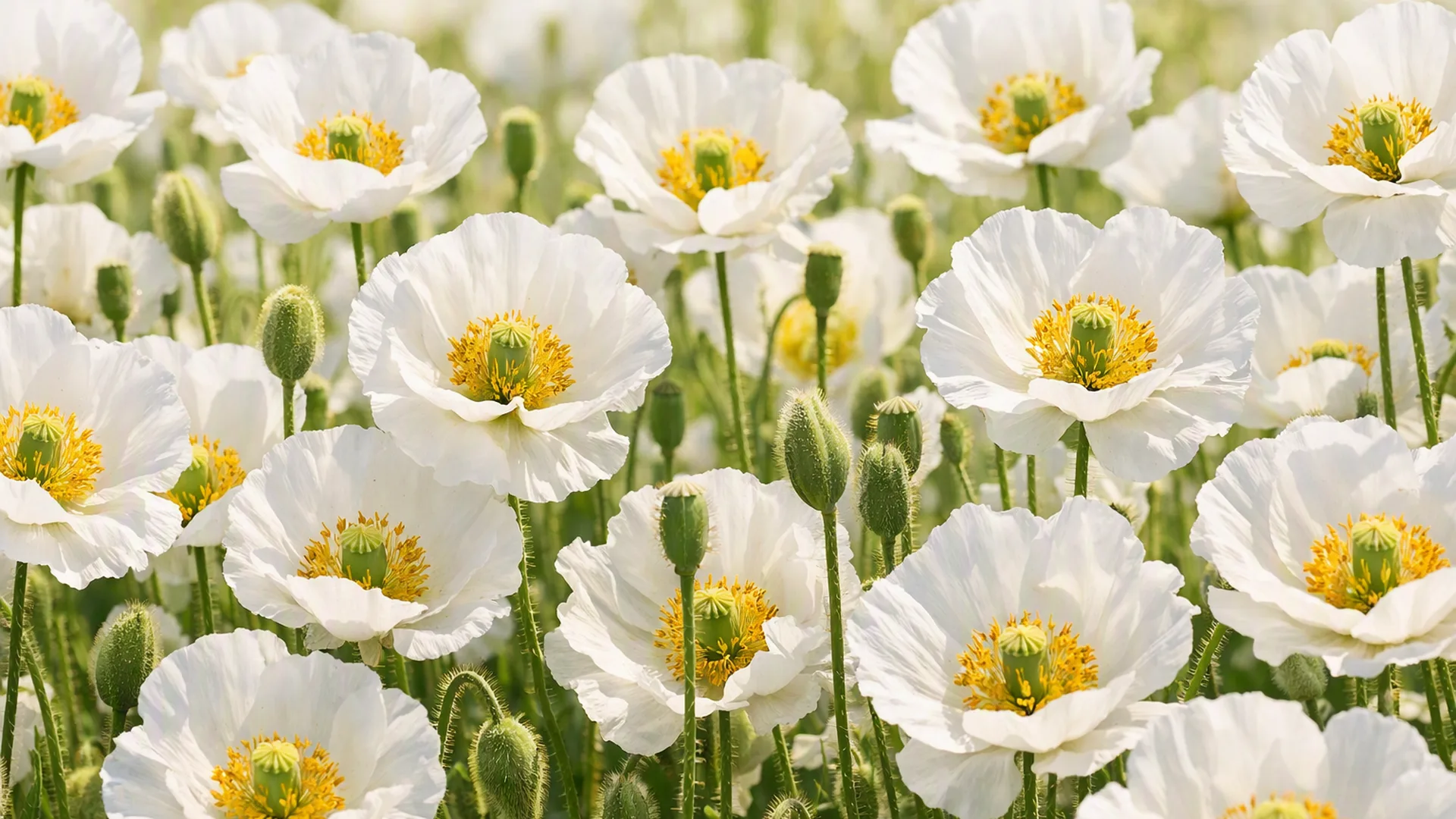
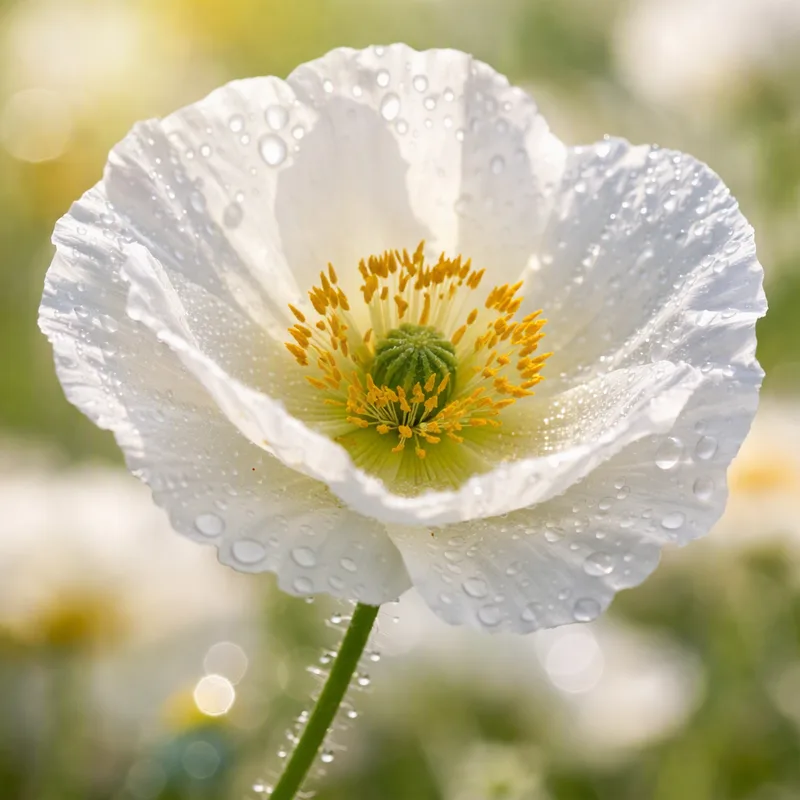
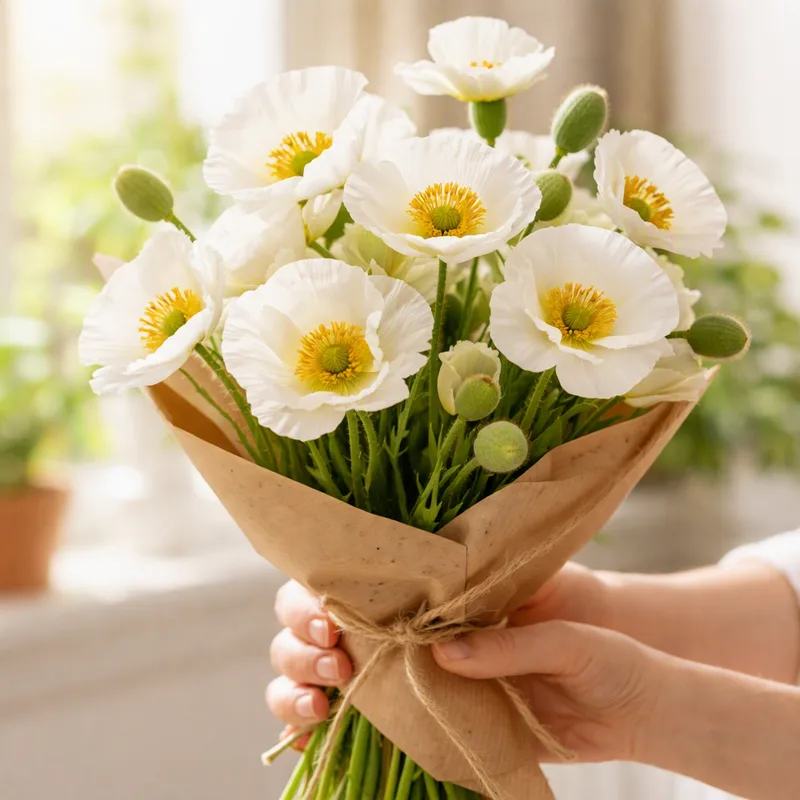
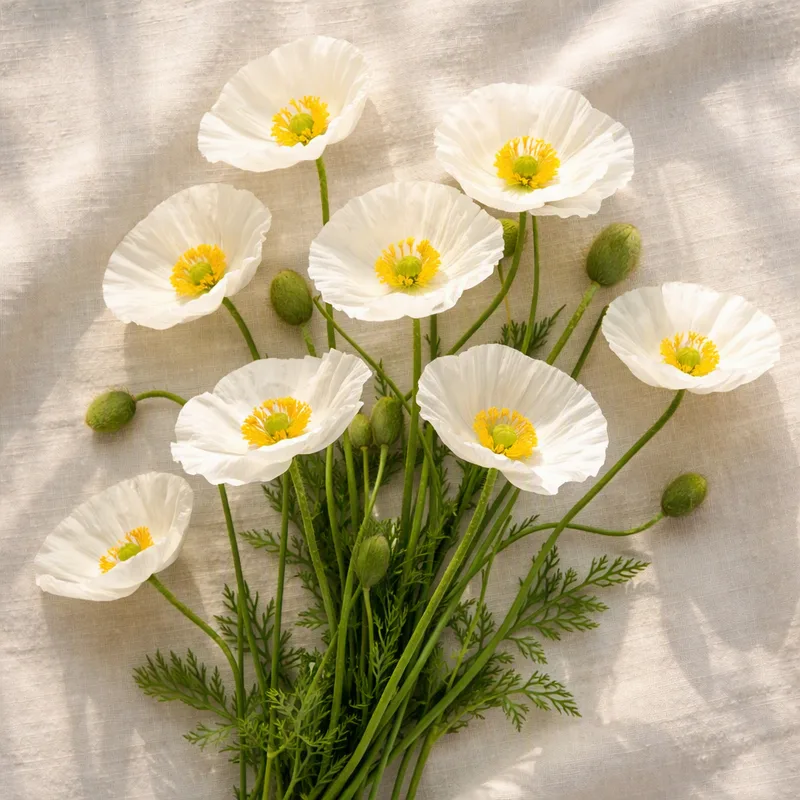
Wild corn poppies are scarlet. White ones come from selective breeding, which has also produced pink, orange and yellow forms, and the Shirley poppy group is the best-known source of soft tones. A white poppy usually has paper-thin petals with a faint crinkle and a dark or yellowish centre. The pale cup glows at dusk, which is when it is most beautiful in the garden.
A symbol of peace
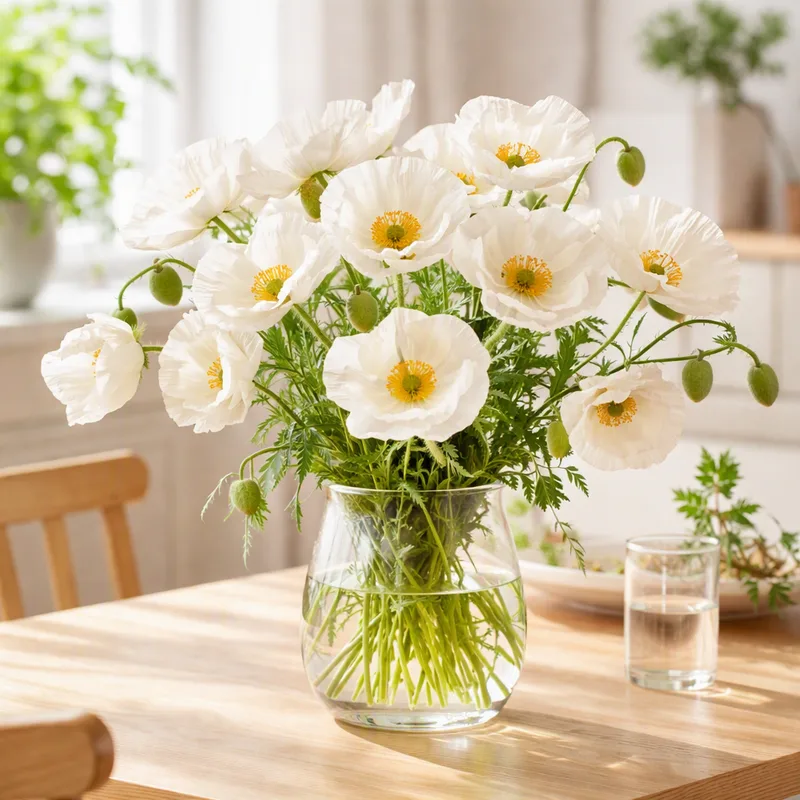
In some countries a white poppy is worn instead of, or alongside, the red remembrance poppy as a sign of remembering all victims of war and working for peace. Red remains the usual choice for Anzac Day and Remembrance Day in Australia. In a vase, a white poppy suits a simple table setting and works with any colour.
Growing white poppies
Treat them as you would the red form. Sow seed on bare, sunny, free-draining soil in autumn in most of temperate Australia. Press it onto the surface without covering it, and thin the seedlings gently. Poppies resent root disturbance, so avoid transplanting.
- Plant them in drifts, since a single plant looks lost.
- Expect each flower to last just one or two days.
- Seedlings from your own plants may come back with different colours, because poppies cross freely.
Cut poppies and pets
Cut stems exude milky latex, so sear the ends before arranging; even so, white poppies last about three to five days. The plant contains alkaloids, so keep it from pets and children.