
Where the white comes from
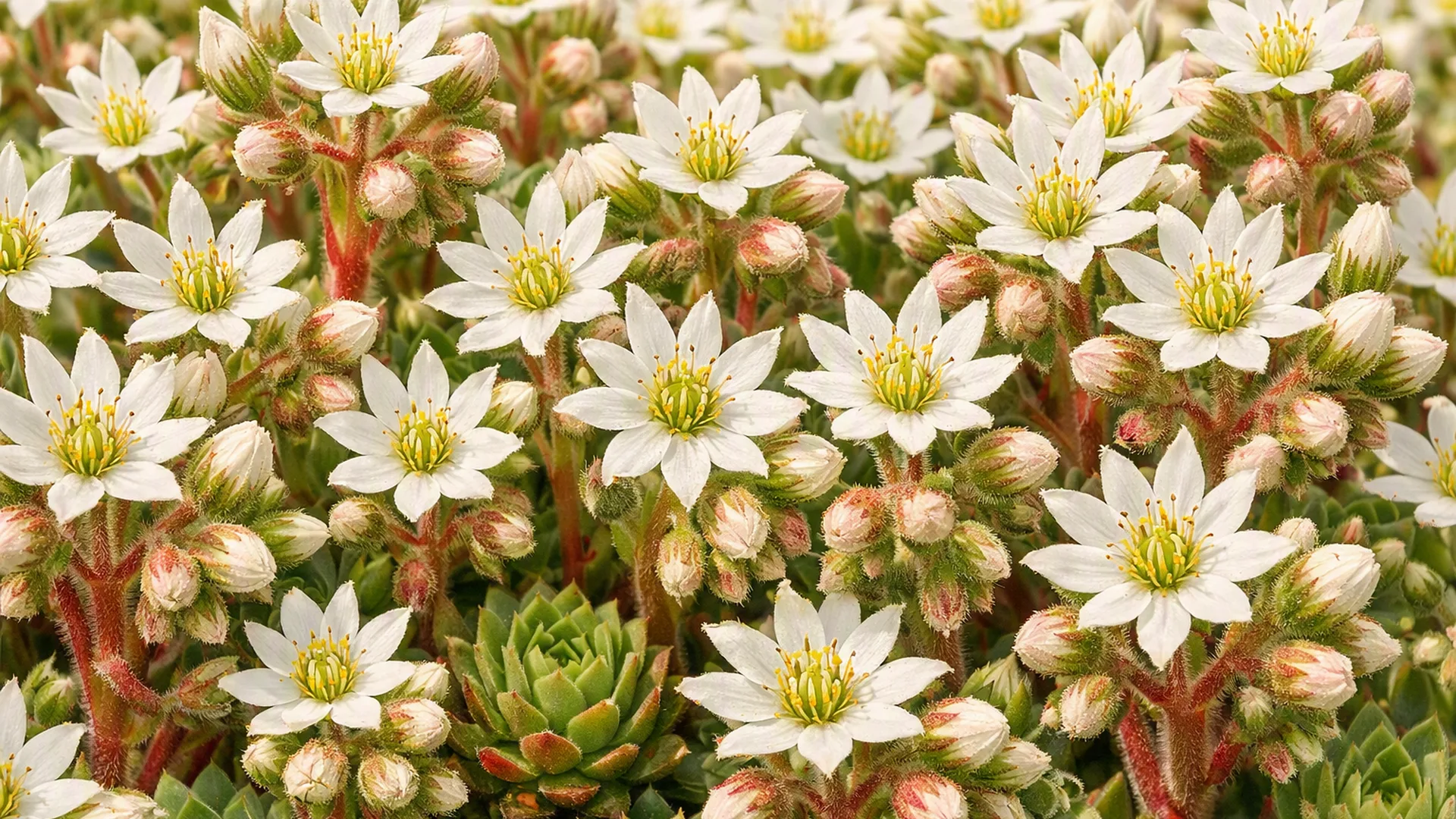
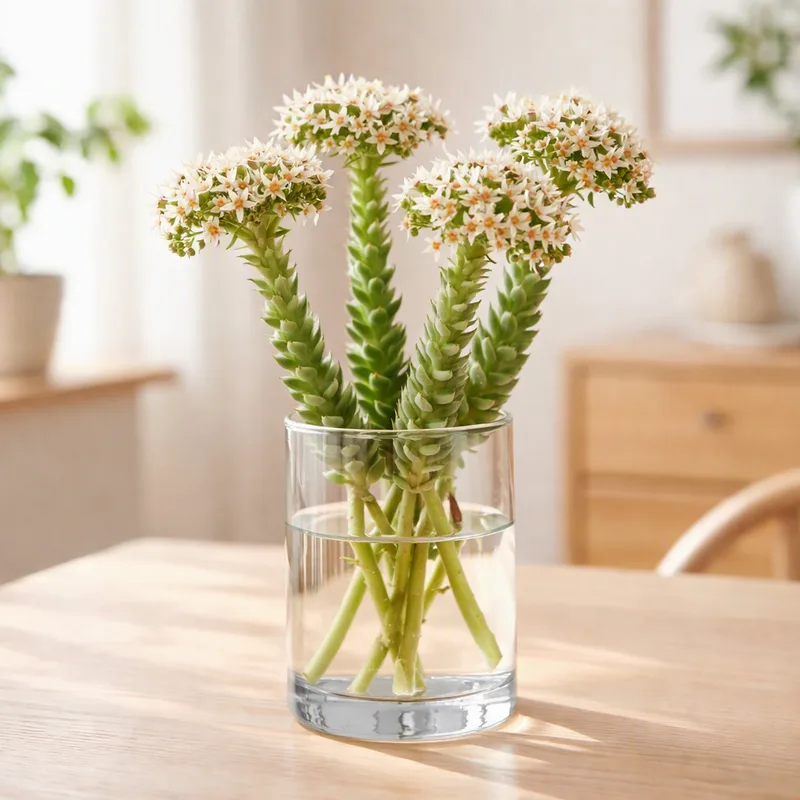
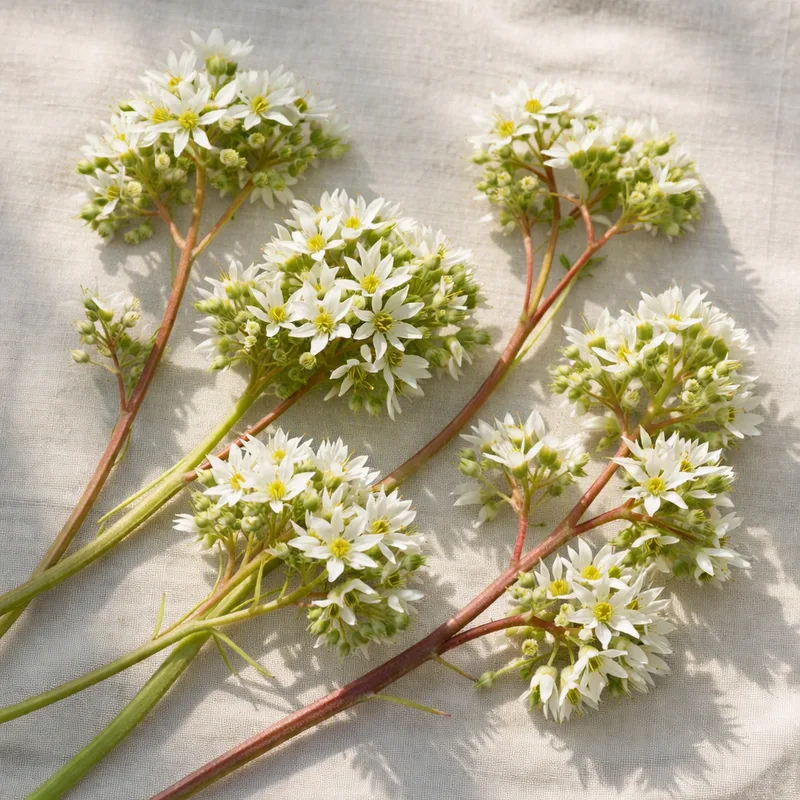
Houseleek flowers are reddish, yellowish or pinkish, and only seldom whitish, so a white houseleek is usually about the foliage. The cobwebbed houseleek, Sempervivum arachnoideum, is covered with fine white hairs that stretch across the centre of each rosette like a cobweb. Other types have a silvery or grey-green bloom that reads as pale from a distance.
Planting for a pale effect
A silvery houseleek looks sharp against dark gravel, terracotta and weathered timber. Group several rosettes together in a shallow dish or between stones. Rosettes are small, with a mature clump around 5 to 20 cm high, so they sit well at the front of a rockery.
Notes for Australian conditions
- Use gritty, sharply drained soil. Mix coarse sand or fine gravel through potting mix.
- Choose full sun, with some afternoon shade in hot inland areas.
- Water sparingly; they tolerate frost far better than constant wet.
- Keep pots under cover in humid regions such as the Queensland and northern NSW coasts.
White hairs help the plant reflect strong sun, but they hold moisture in prolonged dampness, so avoid overhead watering.
Offsets and pets
Each rosette flowers once and then dies, but it produces offsets that can be separated in spring. Sempervivum is not on the ASPCA toxic plant list. Because a missing entry is not a guarantee, call a vet if an animal has eaten any.
The genus name Sempervivum means always alive, an apt description for a plant that survives on bare rock.