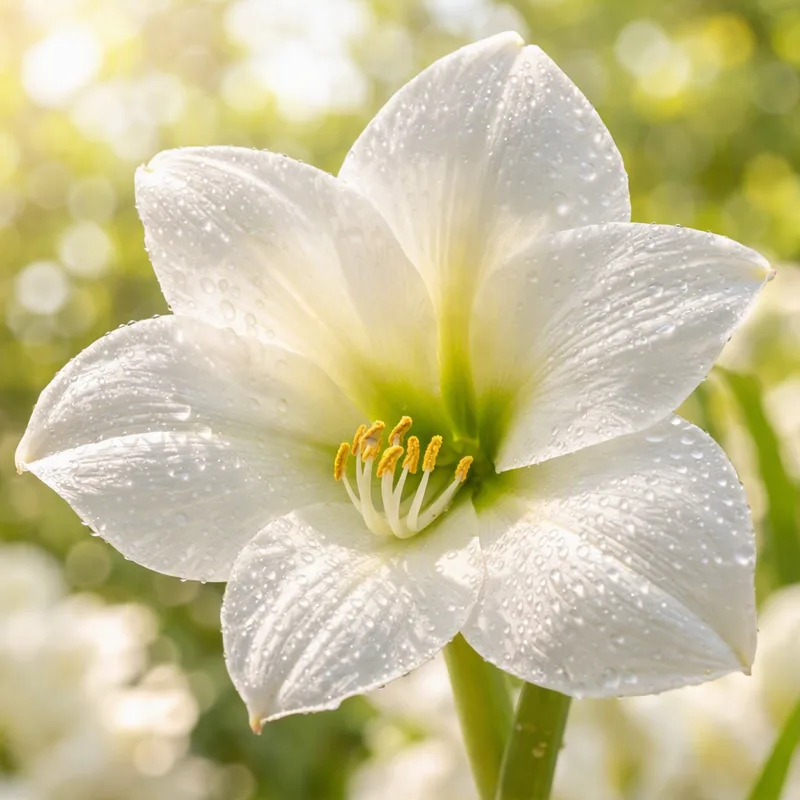
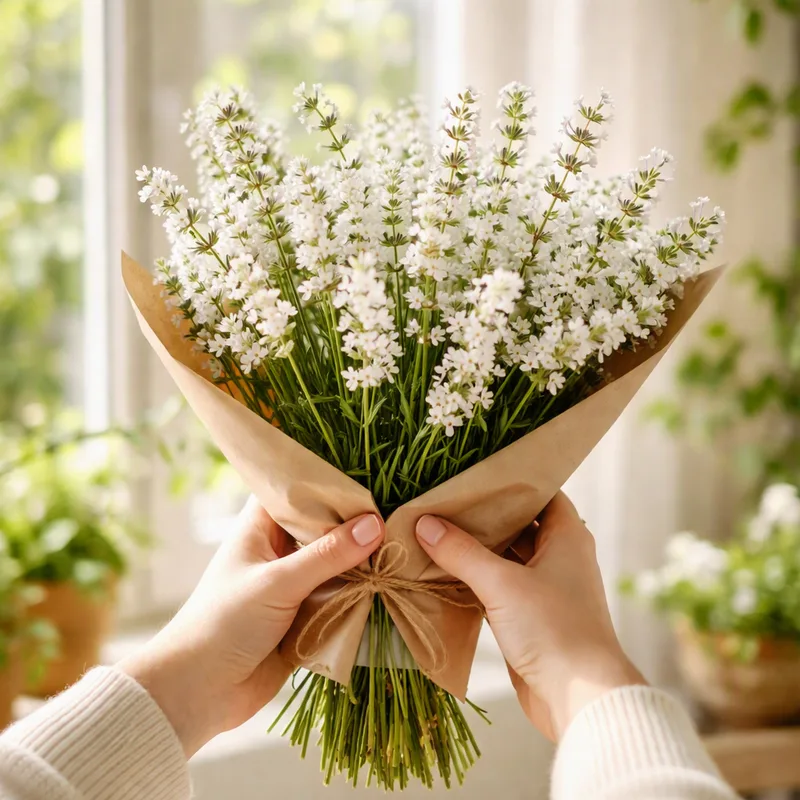
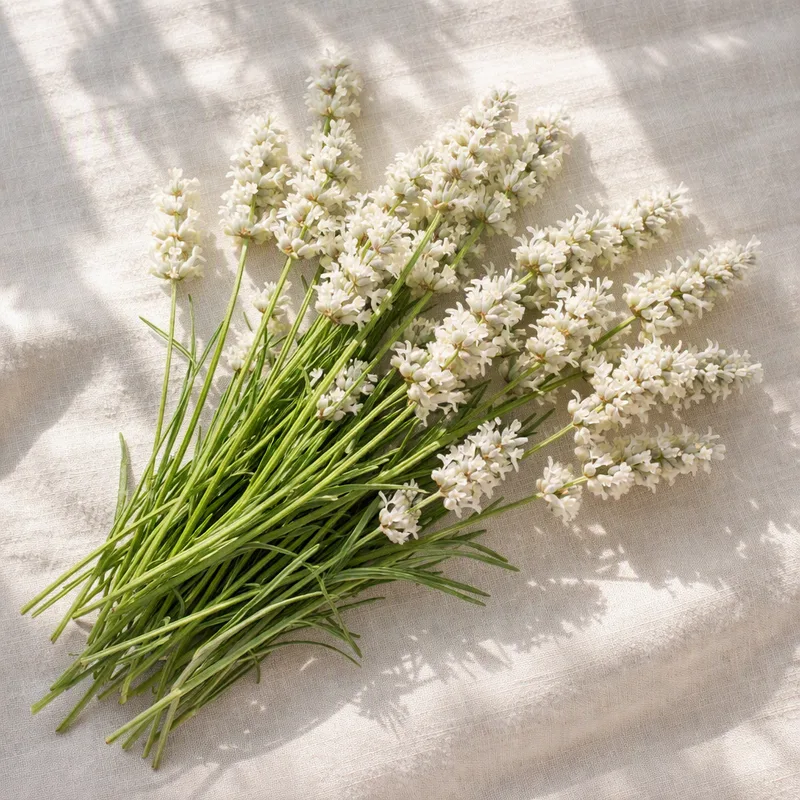
Not the usual colour
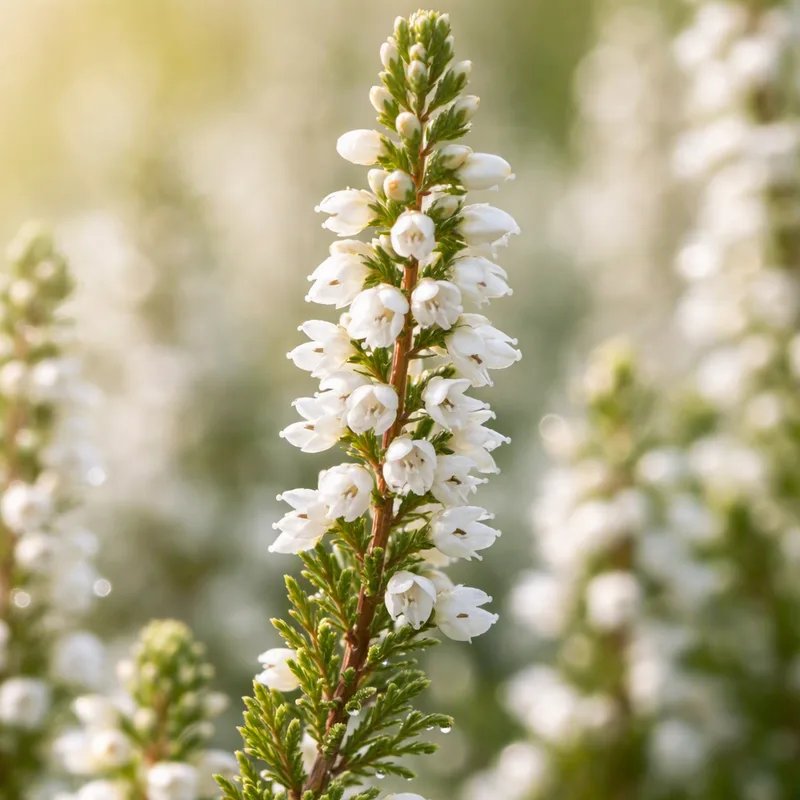
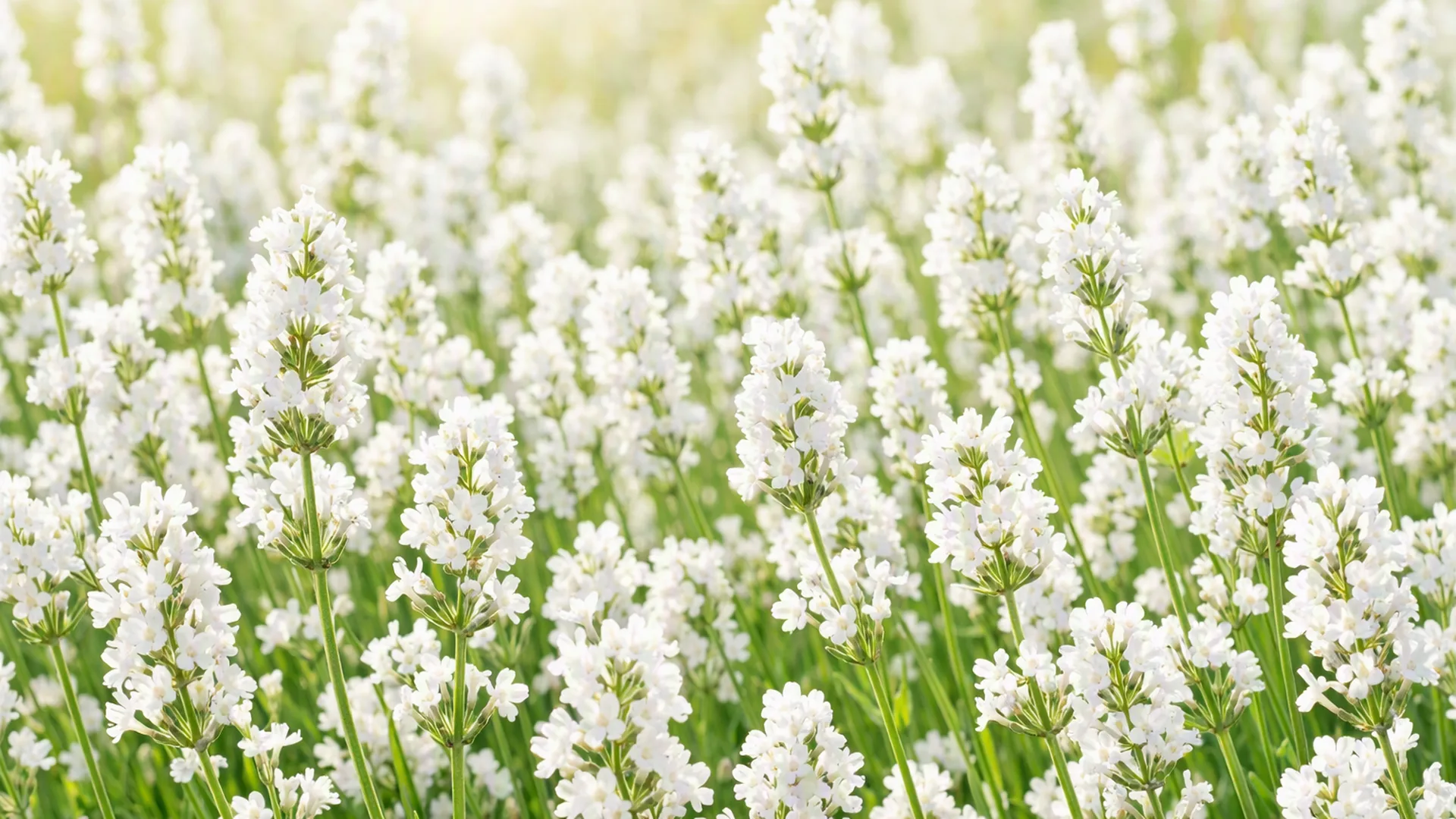
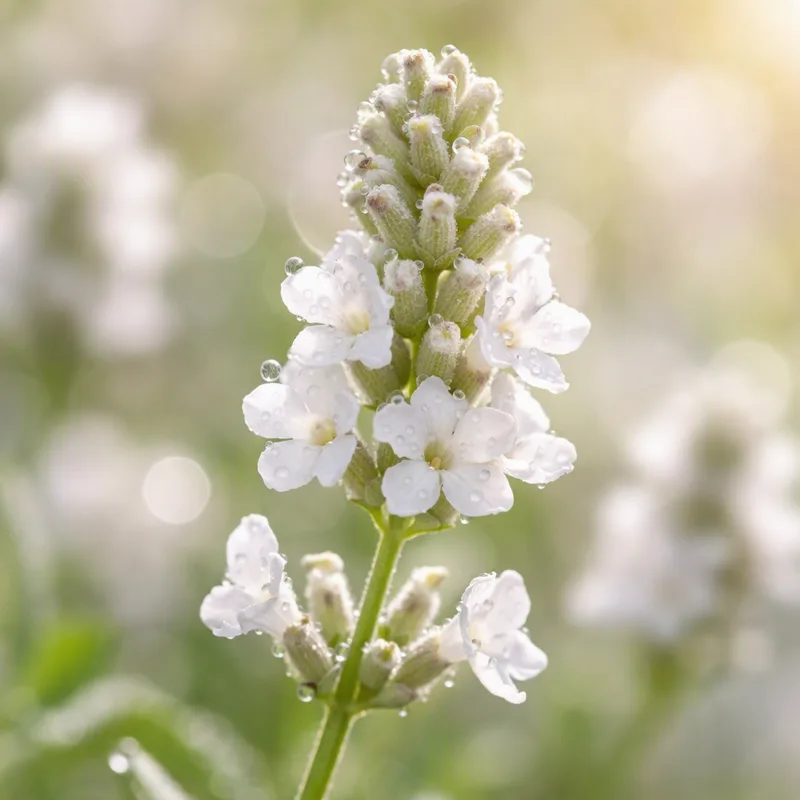
Lavender flowers are usually purple, so a white lavender is a selection of the same plants. White forms exist among both common lavender, Lavandula angustifolia, and some of the hybrids and relatives. They have the same grey-green foliage and fragrance, with ivory-white flower spikes. The colour name can vary on a plant tag, so look for white or Alba in the cultivar name.
Why choose white
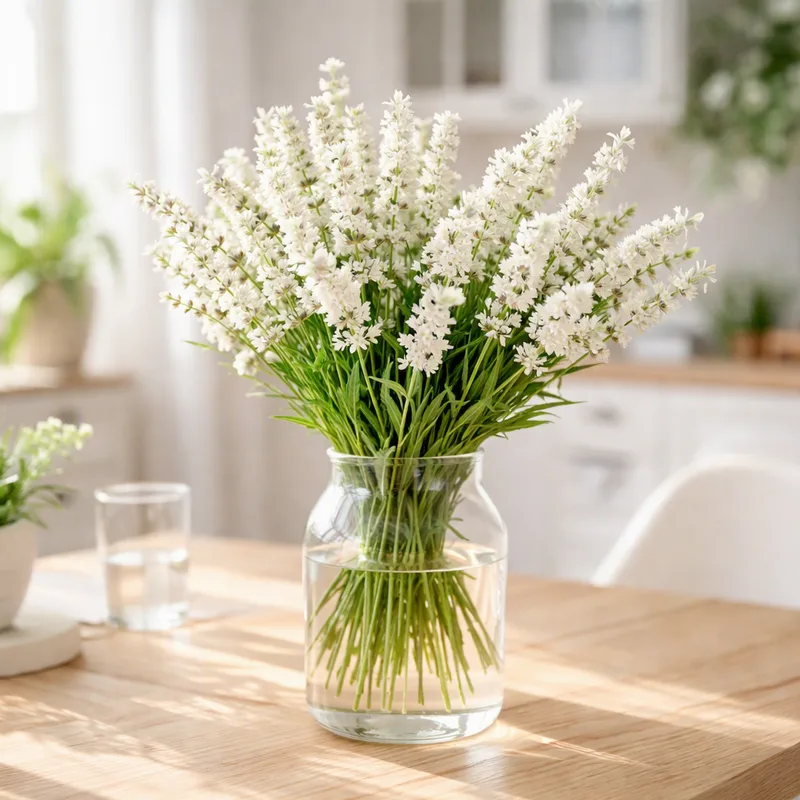
A white lavender hedge or border lights up at dusk and calms a garden of strong colours. It also works with silver foliage, grey stone and roses. If you are searching for white lavender plants, check the label for height and flowering time, because they can differ from the purple types.
Cultivating pale lavender
- Plant in full sun and sharply drained soil. Raised beds suit wetter districts.
- In humid areas, fungal root rot can be a problem, so avoid overhead watering.
- Trim after flowering, not into old wood.
- Space plants roughly 40 to 60 cm apart for a loose hedge.
White forms generally flower in the Australian summer, from about November to February. Deadhead lightly to keep the shrub tidy.
Lavender and the family dog
Common lavender is listed by the ASPCA as toxic to dogs, cats and horses because of linalool and linalyl acetate. Nausea and vomiting are recorded signs. White-flowered cultivars should be treated the same way, so keep chewing animals away and phone a vet if worried.
The genus Lavandula has 47 known species, and the names white lavender and pink lavender usually refer to flower colour variants within them.