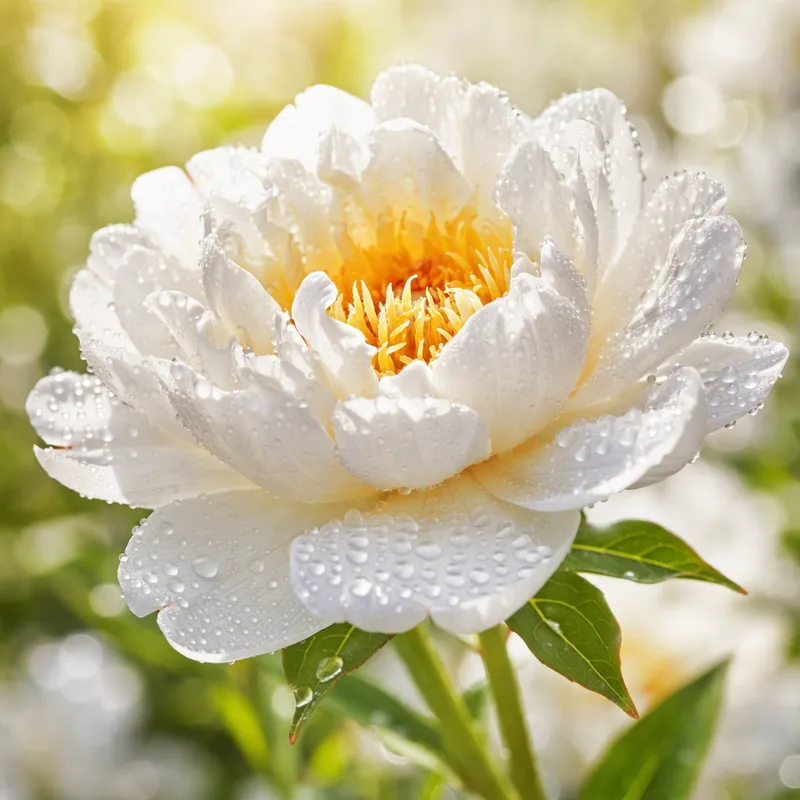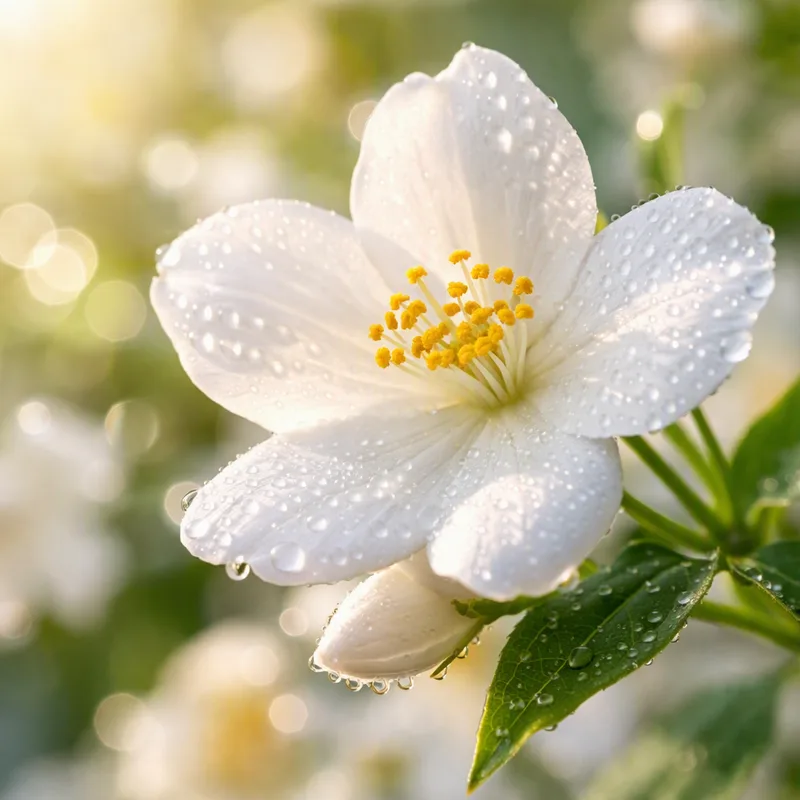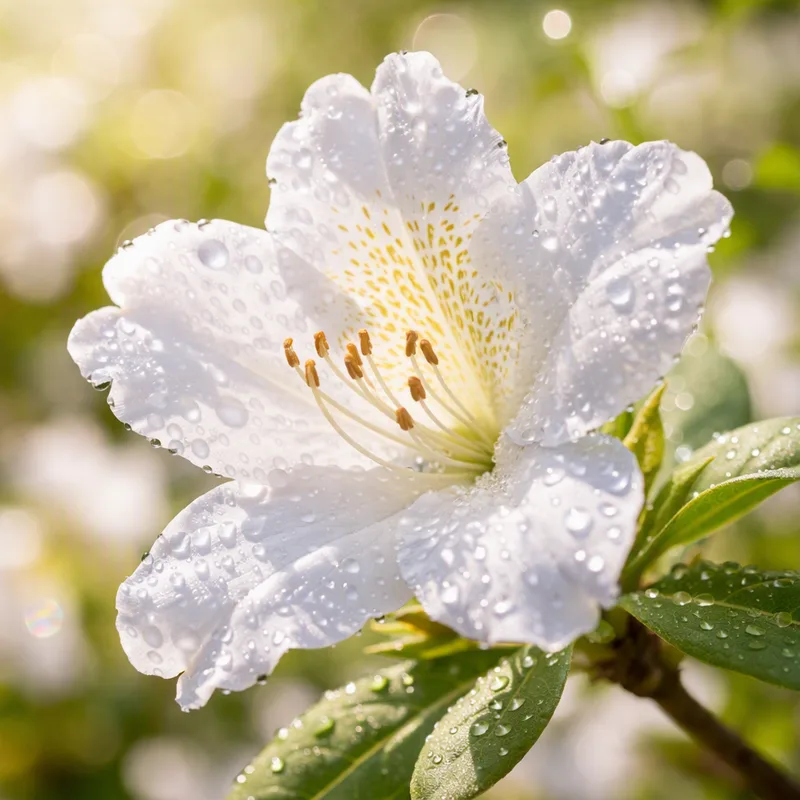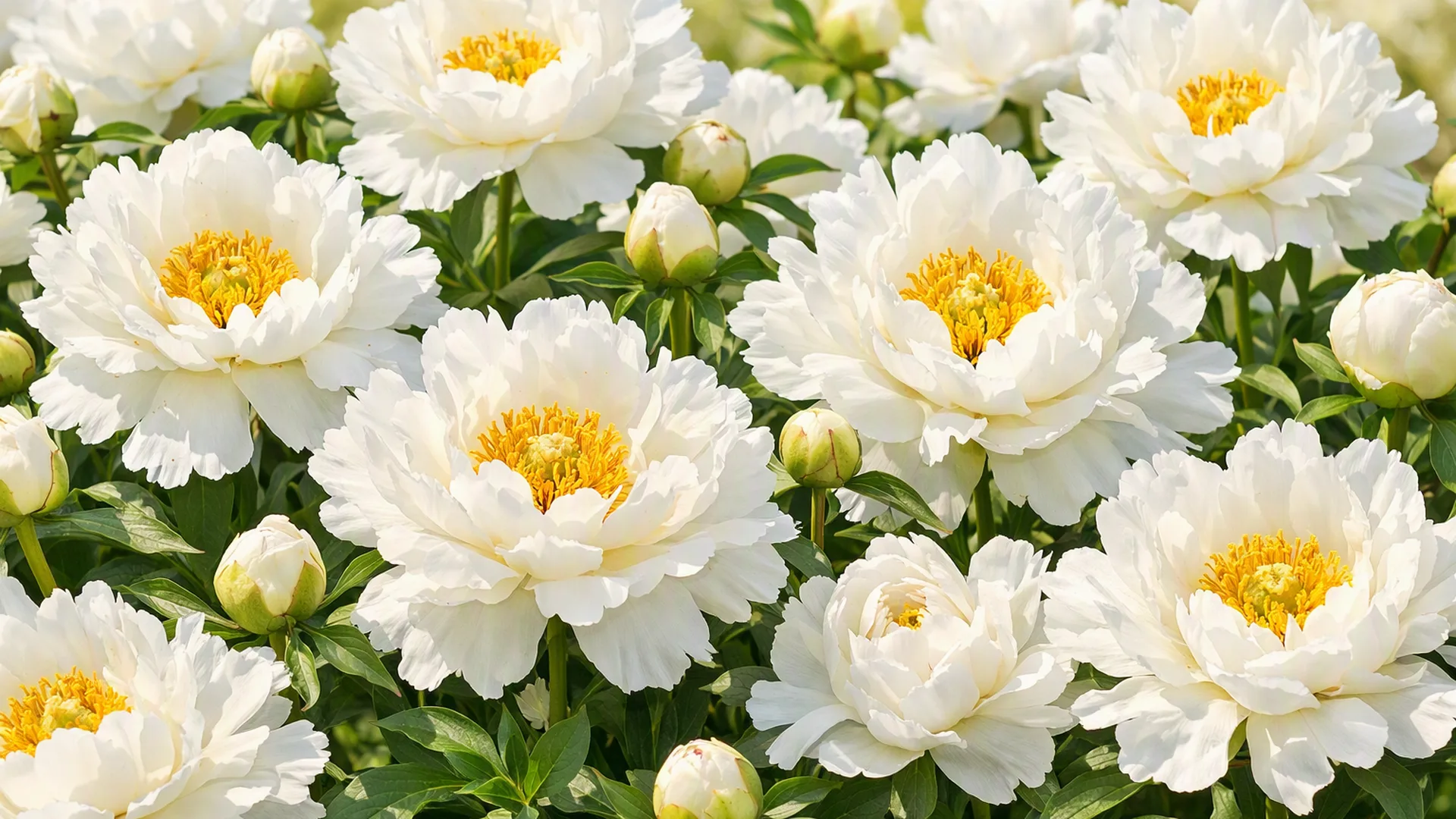


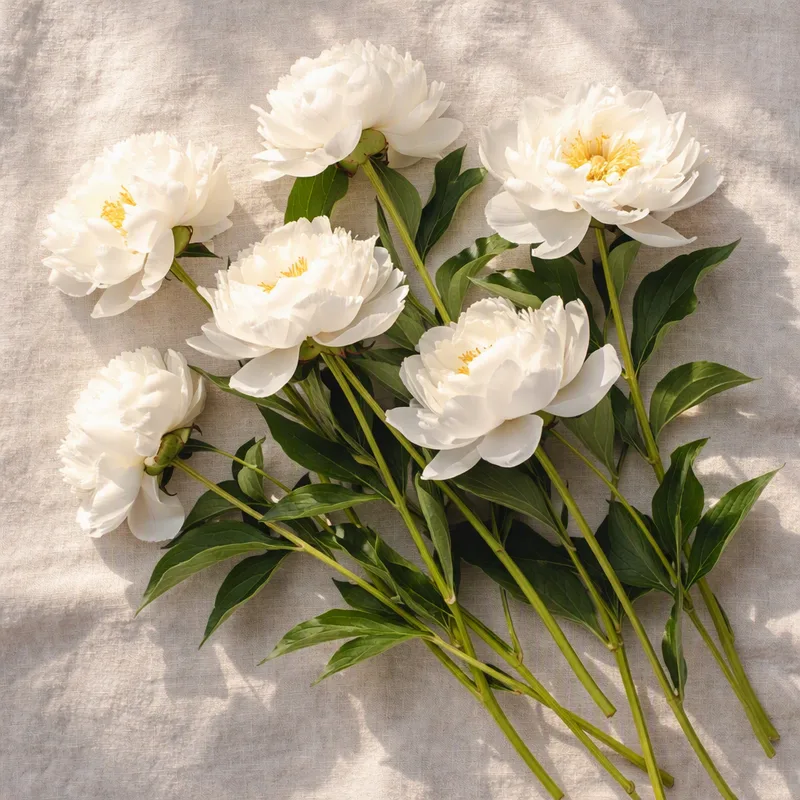
Peonies split into three groups, and which one you buy decides how it behaves. Herbaceous peonies (Paeonia lactiflora and hybrids) die to the ground each winter and shoot again in spring. Tree peonies (Paeonia suffruticosa and relatives) are woody shrubs that keep their stems. Itoh, or intersectional, peonies are crosses between the two, with tree-peony flower colours on a herbaceous habit.
Where peonies work in Australia
The deciding factor is winter chill. Herbaceous peonies need a cold spell to set flower buds, so they do best in Tasmania, the Victorian highlands, the Canberra region, the Adelaide Hills and similar cool-temperate districts. Along the subtropical and tropical coast they usually sulk and rarely bloom well, and it is kinder to say so than to promise otherwise. Flowers open from around October into November, which is late spring here.
Planting and ongoing care
- Plant bare-root crowns in winter, roughly June to August, in full sun with free-draining, enriched soil.
- Set the pink buds (the "eyes") only a few centimetres below the surface. Too deep is the classic reason for a plant that grows but never flowers.
- Water steadily through the warm months, mulch, and stake heavy double varieties before the buds swell.
- Leave established clumps alone. They can flower for decades without being moved.
Peonies in the vase
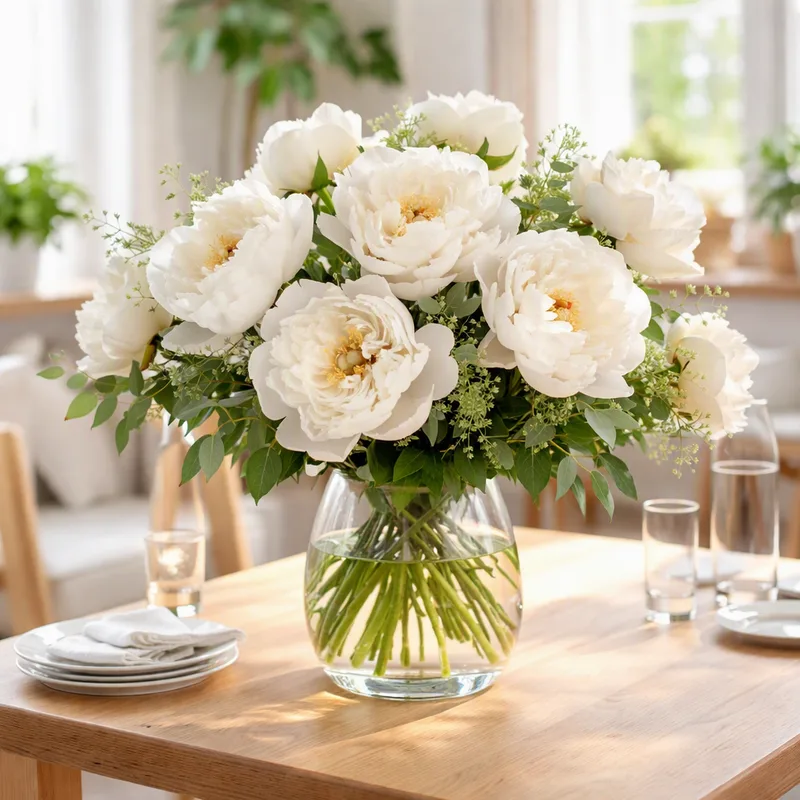
For cut stems, growers pick buds at the soft "marshmallow" stage, when colour shows but the flower has not yet opened. Stems stored cool and then put in clean water open within a day or two, and a bunch typically lasts about a week. A scent that ranges from sweet to spicy is part of the appeal.
Paeonol and your animals
Peonies are on the ASPCA list of plants toxic to dogs, cats and horses. The compound involved is paeonol, and eating the plant can cause vomiting, diarrhoea and lethargy. If your animal has eaten some, call your vet.