The plant behind the name
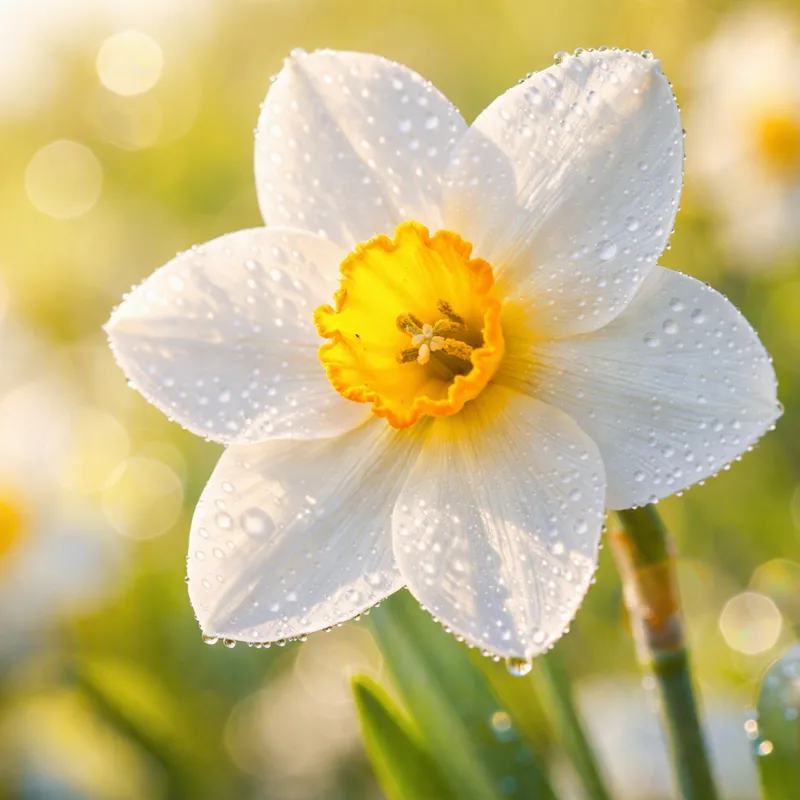
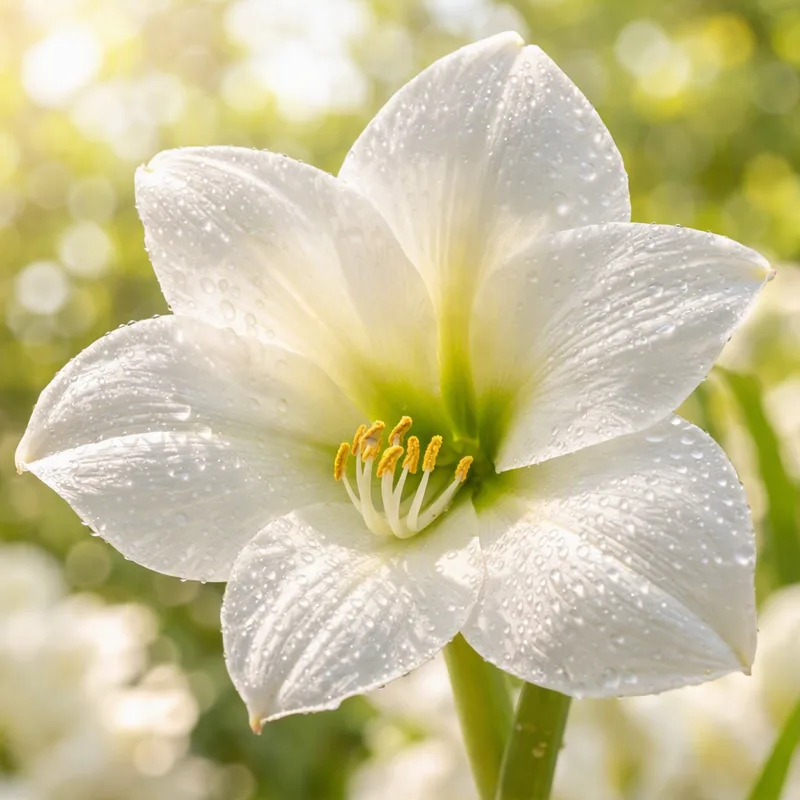
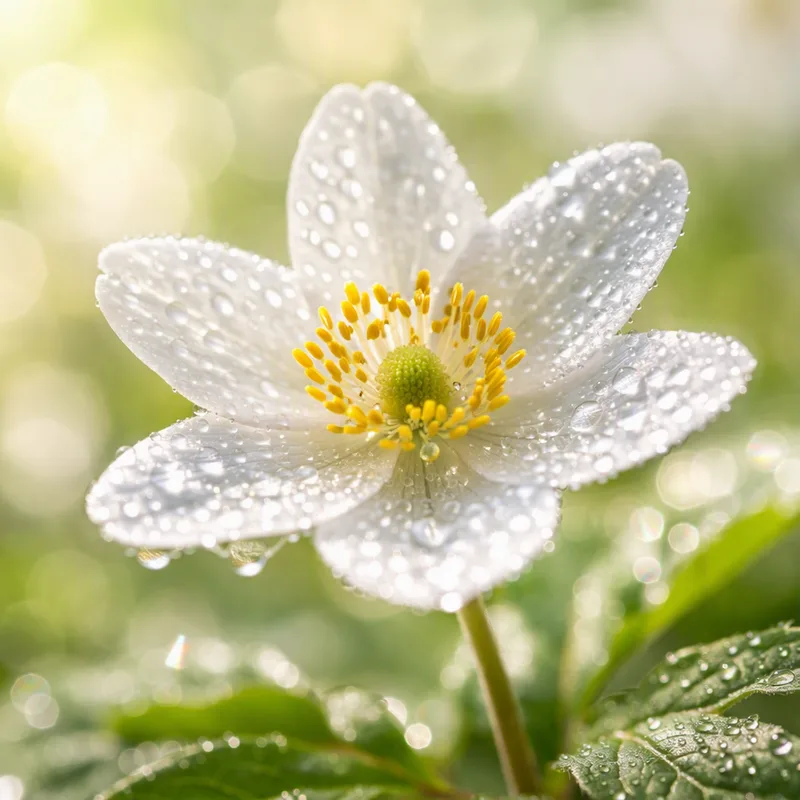
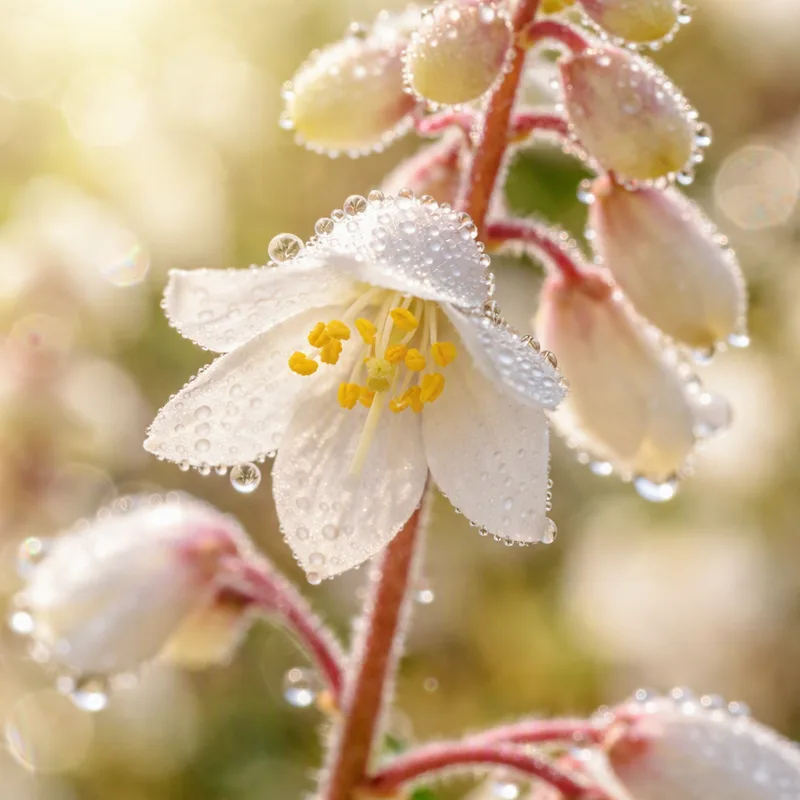
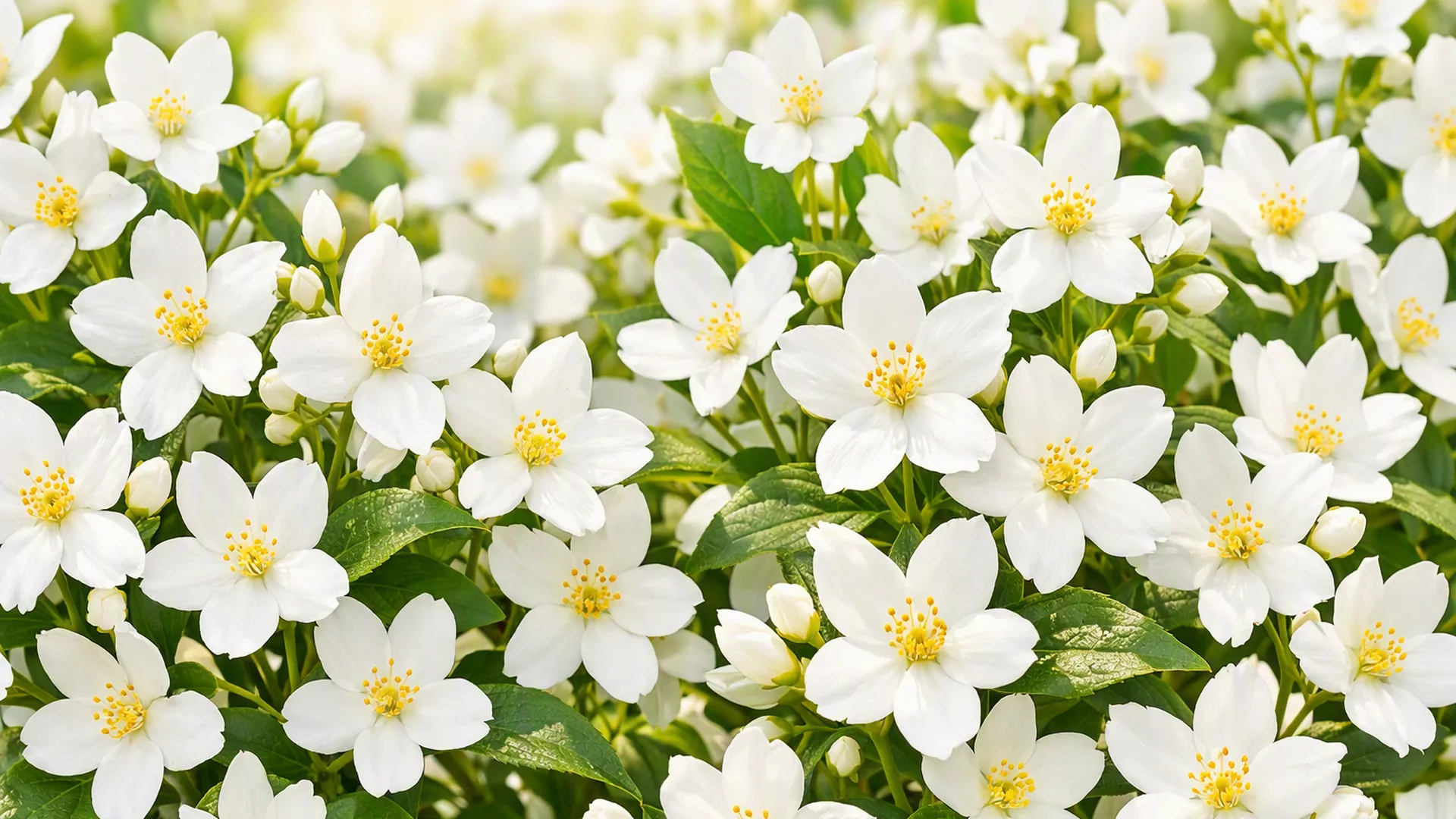
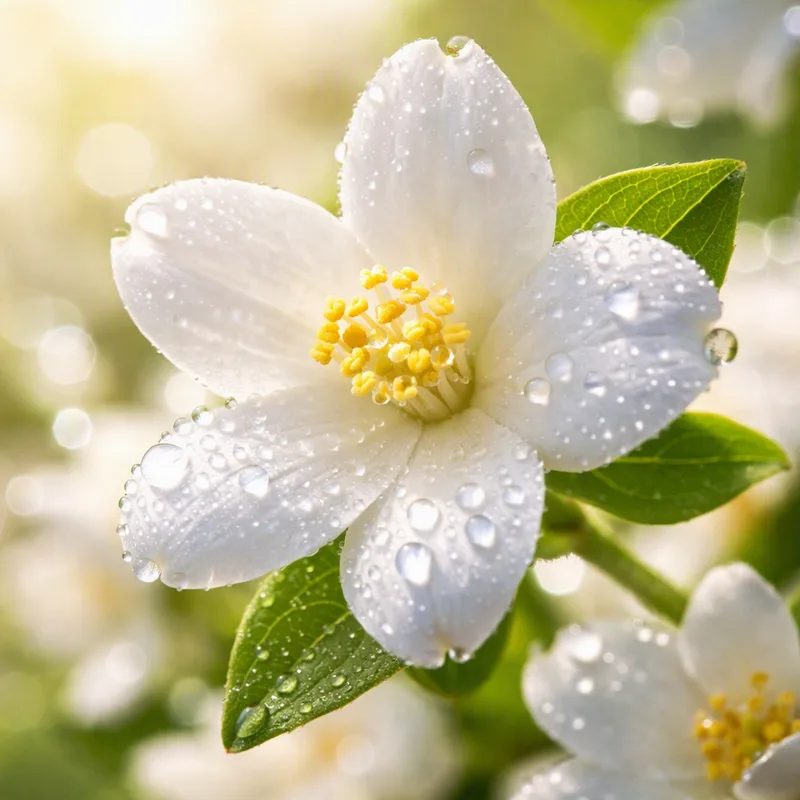
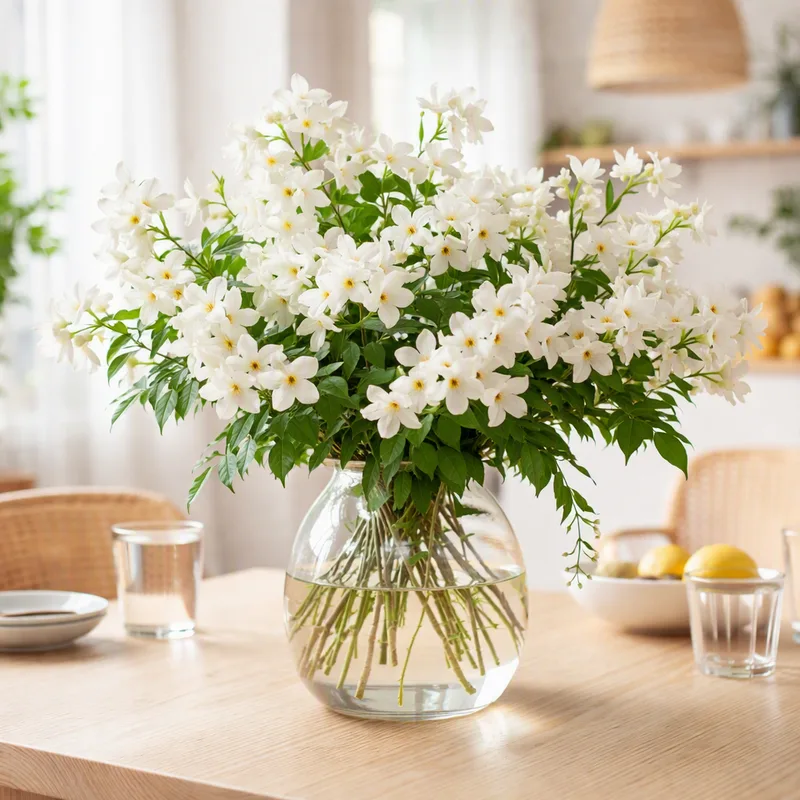
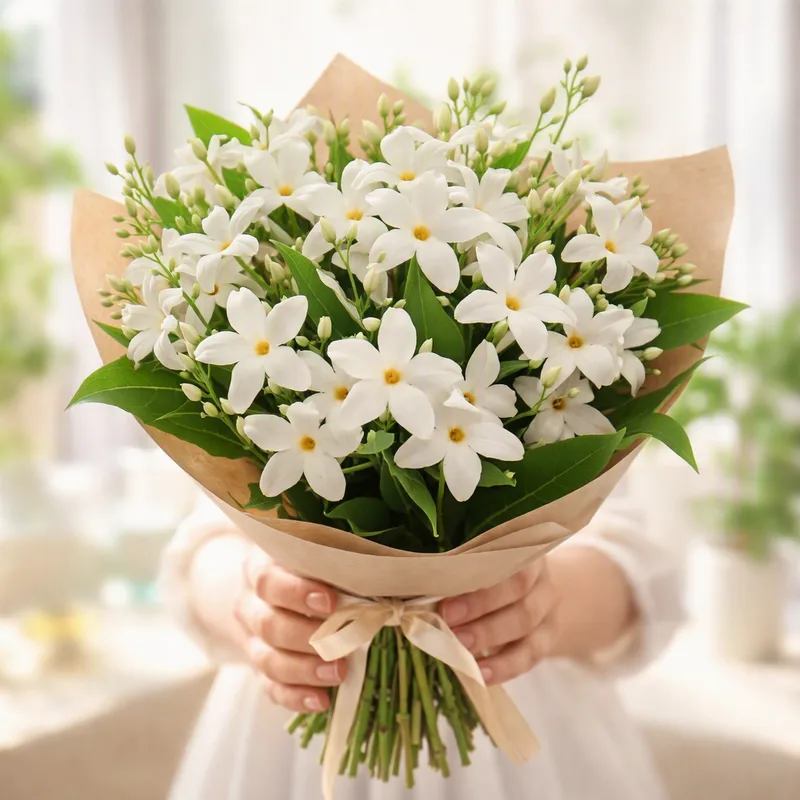
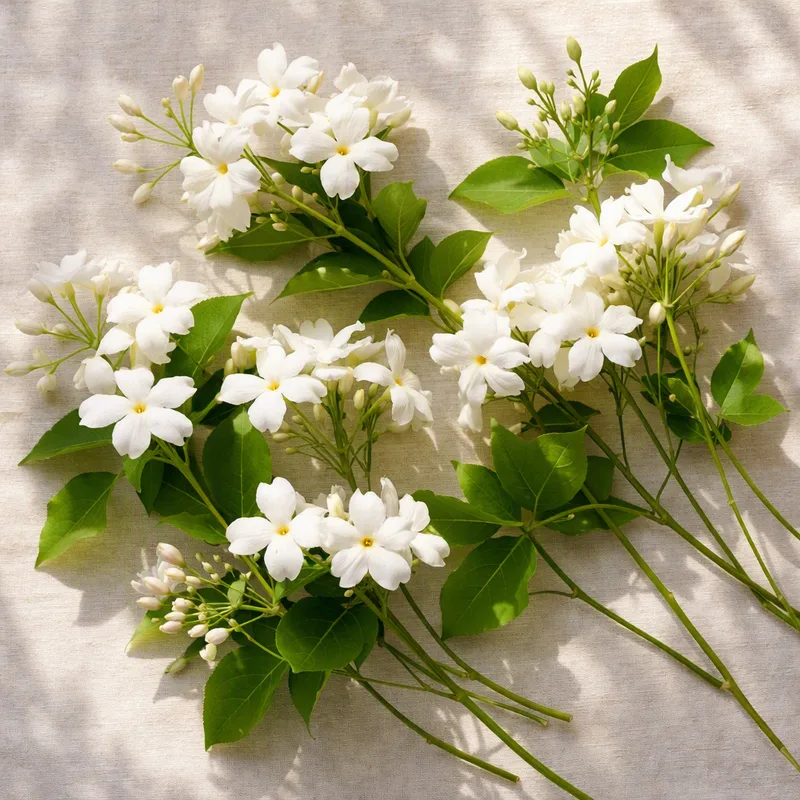
Jasminum polyanthum is the jasmine in most suburban gardens and potted gifts. It is native to south-western China (Guizhou, Sichuan, Yunnan) and Myanmar. The deep pink buds open to white, star-shaped flowers with a strong, sweet perfume, which makes a garden smell wonderful from about August through to October.
A climber with a downside
In Australia it is a vigorous, twining plant that can cover a fence in a season or two. It is also naturalised here, and it is regarded as an invasive species because small pieces of stem will root and run through bushland. That means a plant tipped out of a pot near a creek or reserve can cause real trouble. Check weeds.org.au or your state agency before planting near bushland, and dispose of cuttings in the green bin, not the bush.
Growing jasmine the Australian way
- Give it sun for flowers, plus a trellis or wire to climb.
- Water regularly in summer; the leaves droop quickly when dry.
- Prune hard straight after flowering, in late spring, to keep it in bounds.
- In frosty places, protect it or grow it in a pot that can come under cover.
As a pot plant
It is also sold as a flowering pot plant. Keep it in bright light in a cool room, since a warm lounge can make buds drop. After flowering, move it outside to a sheltered spot.
Other "jasmines"
Star jasmine is a different climber with a summer flush, while Carolina jessamine, Gelsemium, contains toxic alkaloids despite its common name. If a pet or child has eaten any climber you cannot identify, call a vet or the Poisons Information Centre on 13 11 26.