
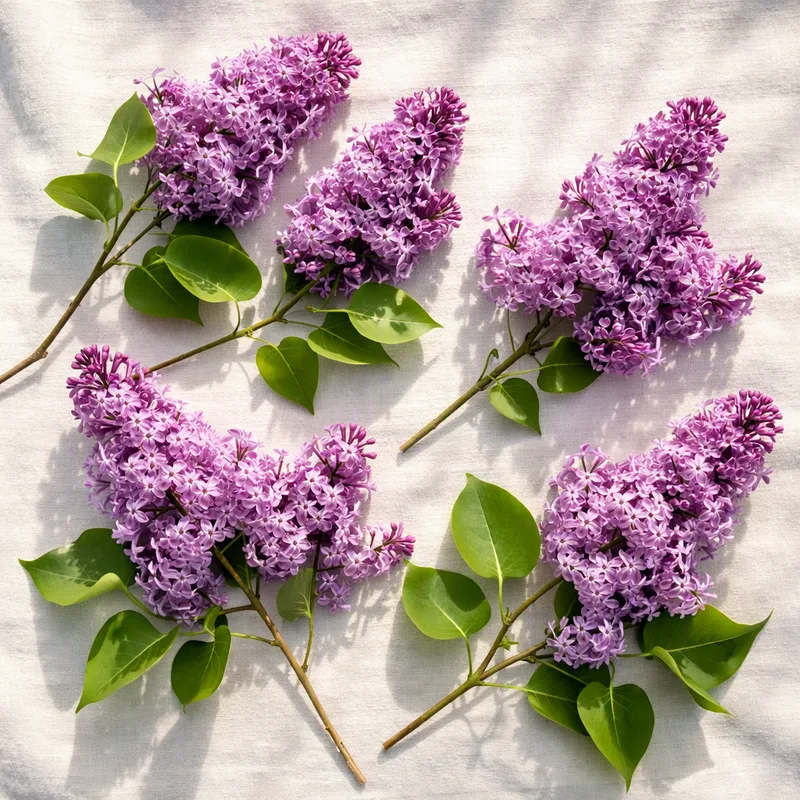
A Balkan shrub that wants a proper winter
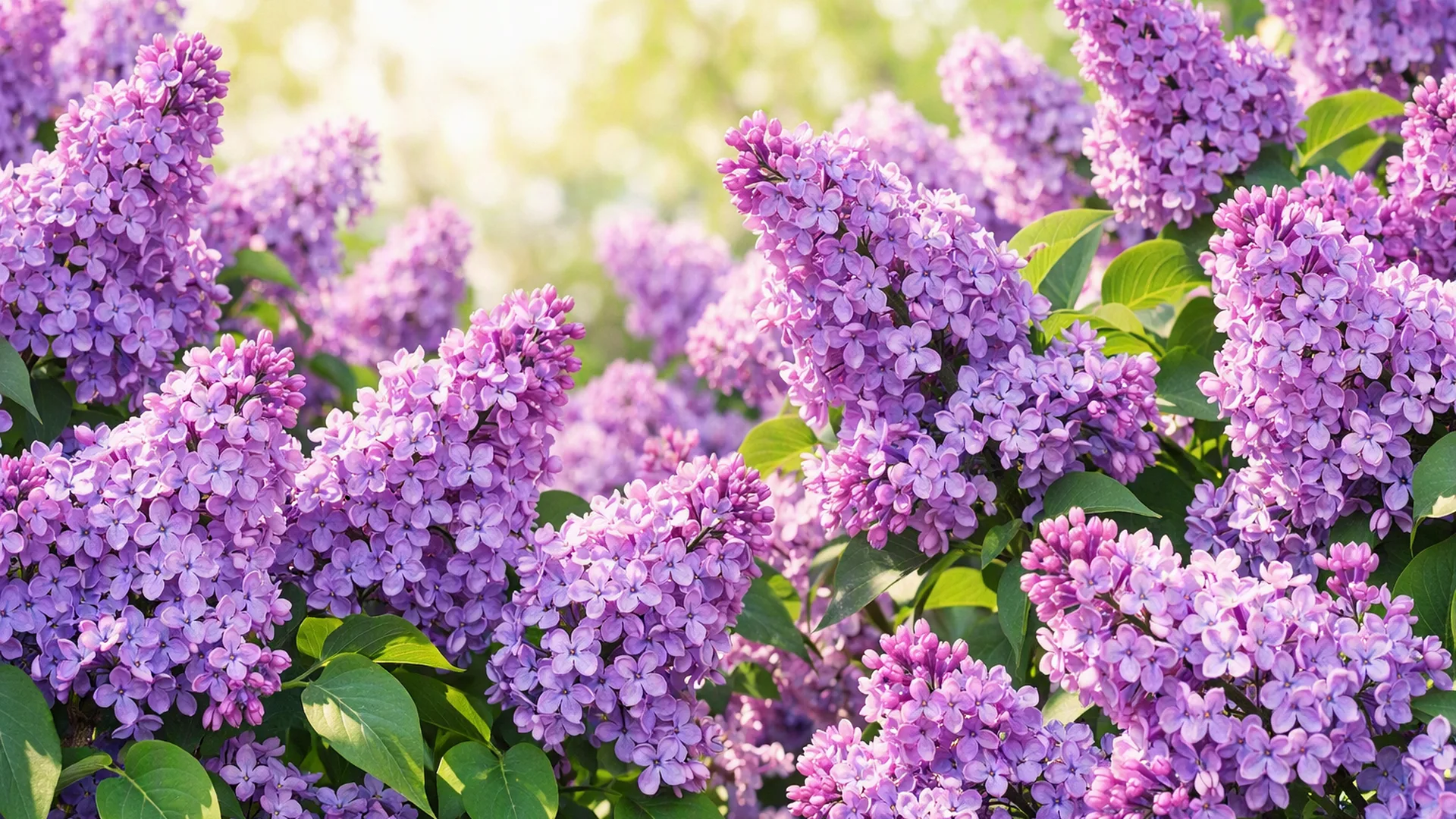
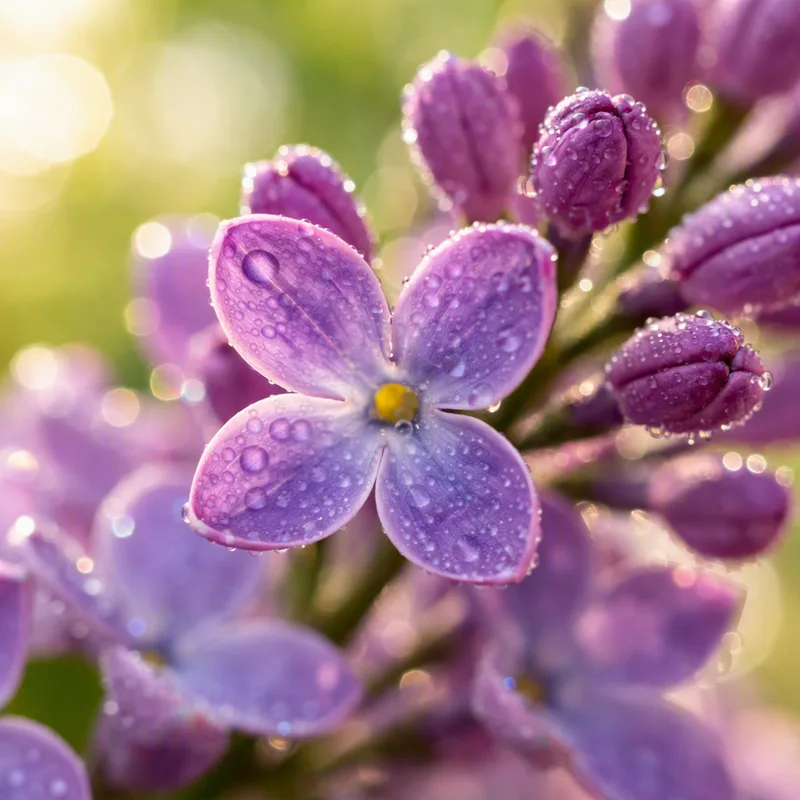
Syringa vulgaris is a large deciduous shrub or small tree, six or seven metres tall when mature, and native to the southern Balkans. The flowers are lilac to mauve, rarely white, and are carried in dense panicles of 8 to 18 cm. The classic colour is that pale purple which gave the shade its name.
In Australia it blooms in spring, around September and October, and it is the winter cold that sets the buds. For that reason it does best in Canberra, the Blue Mountains, Adelaide Hills, the Victorian highlands and Tasmania. Along the warm coast of Sydney, Perth or Brisbane it may sulk, flower sparsely or fail to flower at all.
Everyday care for lilac
- Full sun and free-draining, slightly alkaline to neutral soil.
- Plenty of space; shoots keep appearing from the base and can form a thicket over the years.
- Deadhead once the flowers fade, before seed forms. Common lilac often flowers heavily in alternate years, and this helps even it out.
- Watch for powdery mildew on the leaves in late summer.
Cut stems of lilac
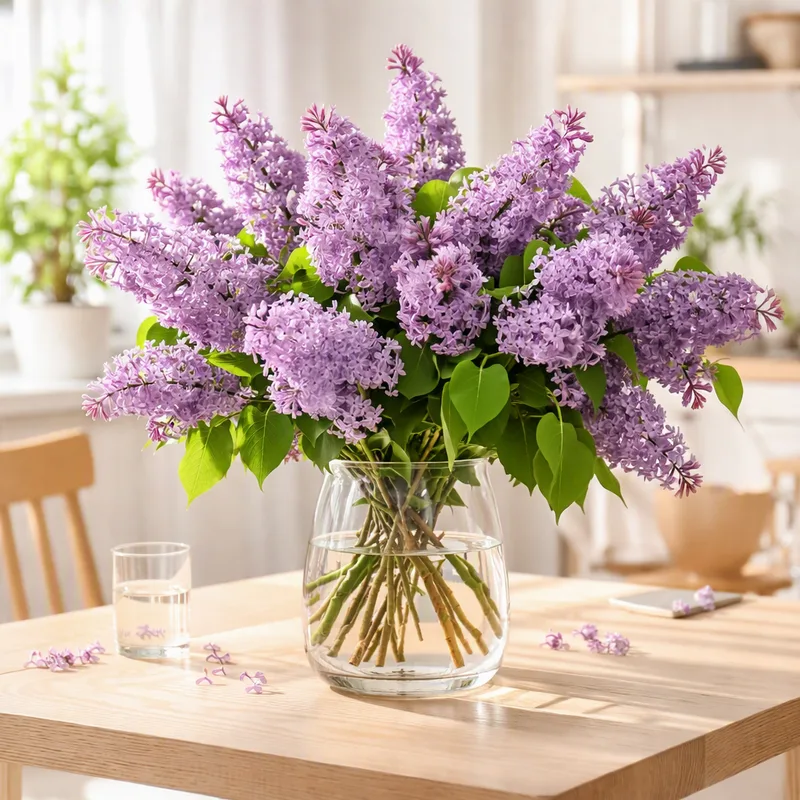
Stems last only about three to five days indoors. Cut them early in the day when half the florets are open, stand them in deep water straight away and keep them cool.
About pets
The fact box lists common lilac as non-toxic, and it is not a known concern for cats and dogs. Take care not to mix it up with white cedar (Melia azedarach), a different, poisonous tree that is sometimes called Persian lilac.