A Mediterranean shrub
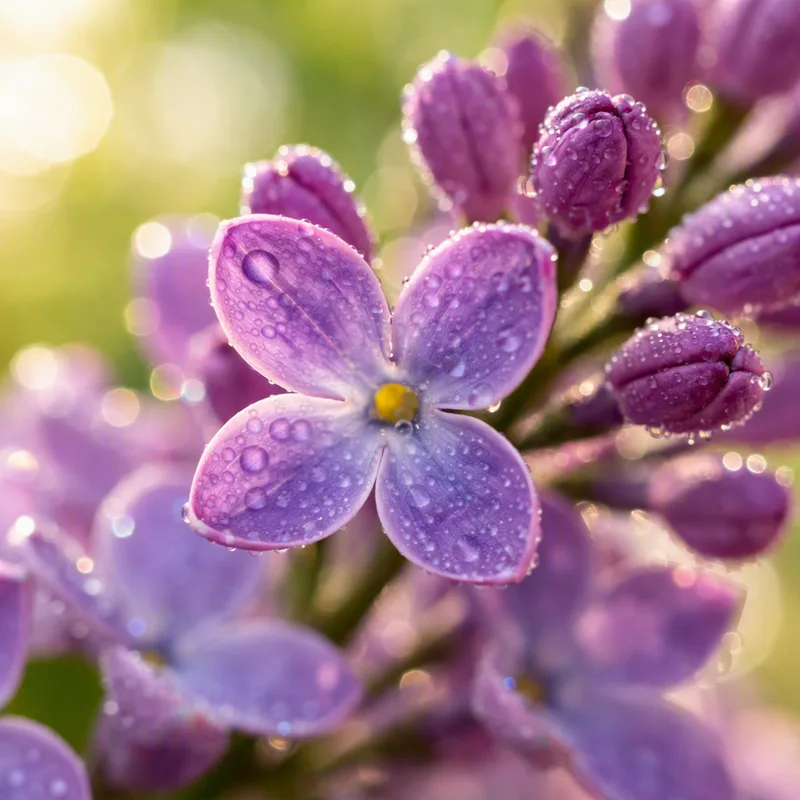
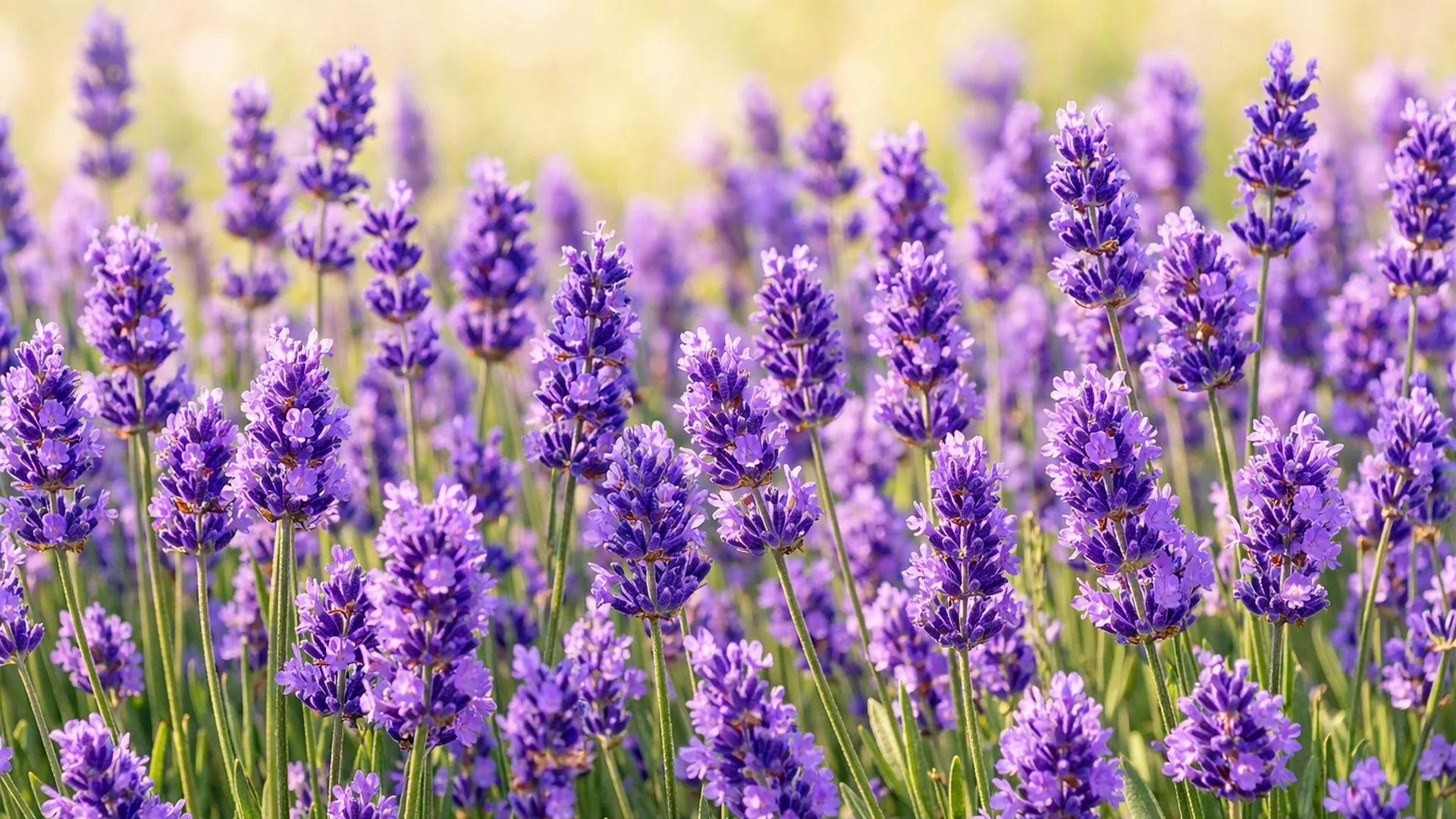
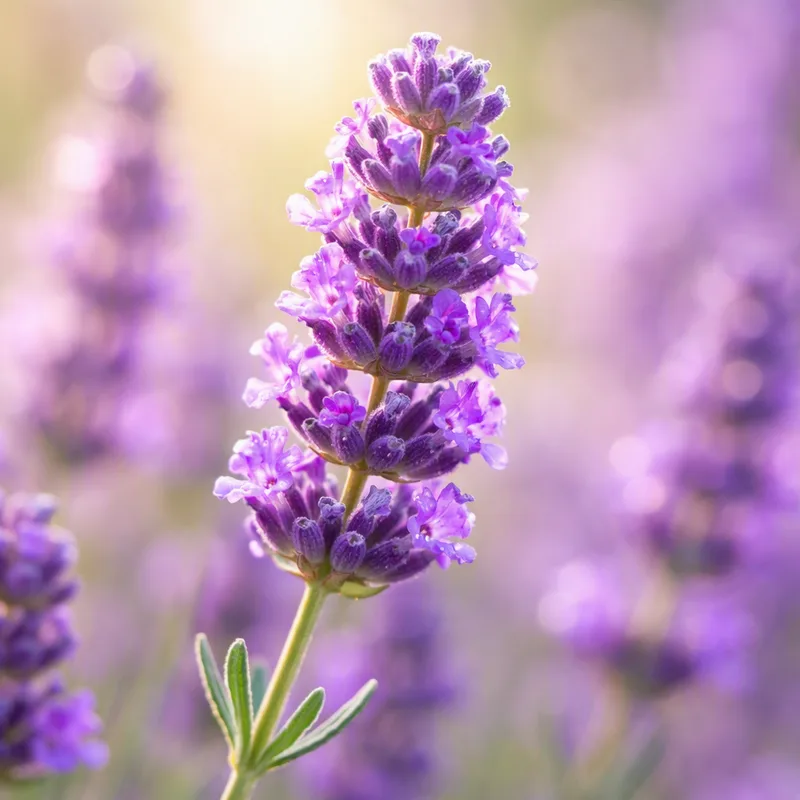
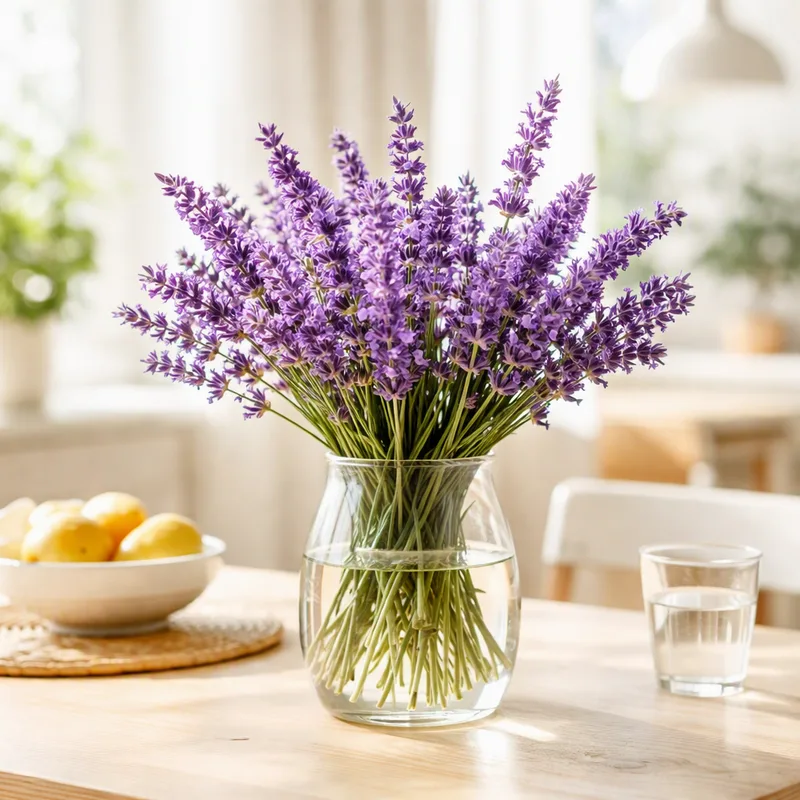
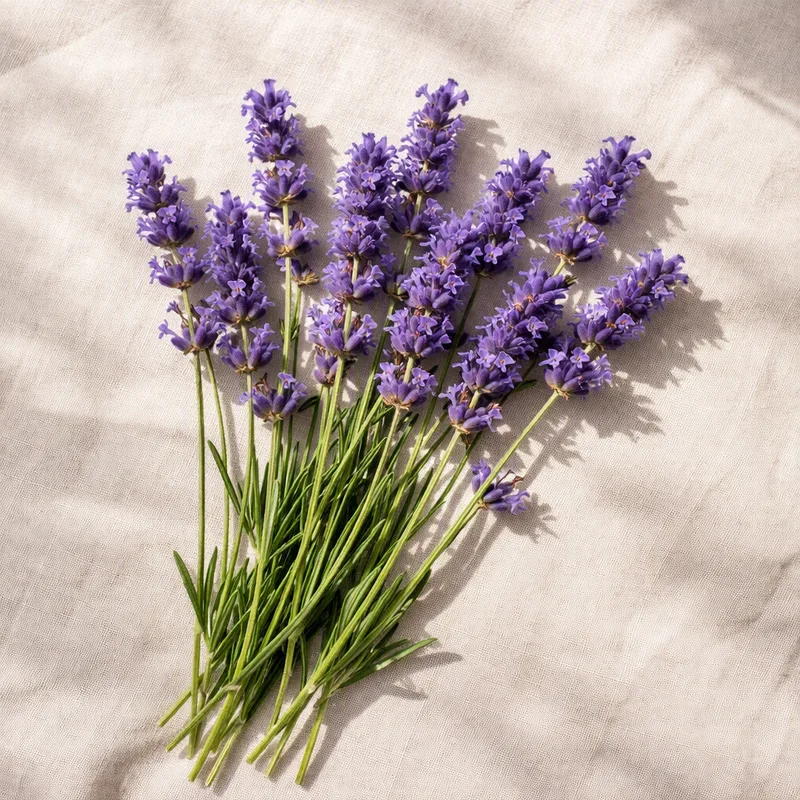
Lavender comes from the Mediterranean region, and common lavender (Lavandula angustifolia) forms a rounded, aromatic shrub with grey-green leaves and violet-blue spikes. Cultivars generally reach 30 to 60 cm. The plants like dry summers and sharp drainage, which is why lavender does well in Perth, Adelaide and many parts of Victoria and Tasmania, as well as dry inland areas with cool winters.
Humidity is the problem
In areas of high humidity, fungal root rot can be a problem. That makes lavender harder on the humid east coast, including Brisbane and northern NSW, where gardeners plant it on raised mounds or in pots. Some other lavender species are more forgiving of warm, humid weather, but check the label before buying.
Summer bloom and the autumn clip
In Australia lavender usually flowers from late spring through summer, roughly November to February. After the flowers fade, clip the plant back by about a third, cutting into green growth only.
- Plant in full sun in gritty, sandy or sloping ground.
- Keep soil lean; rich feeding cuts the scent.
- Water young plants in their first summer, then rarely.
Cut stems and pets
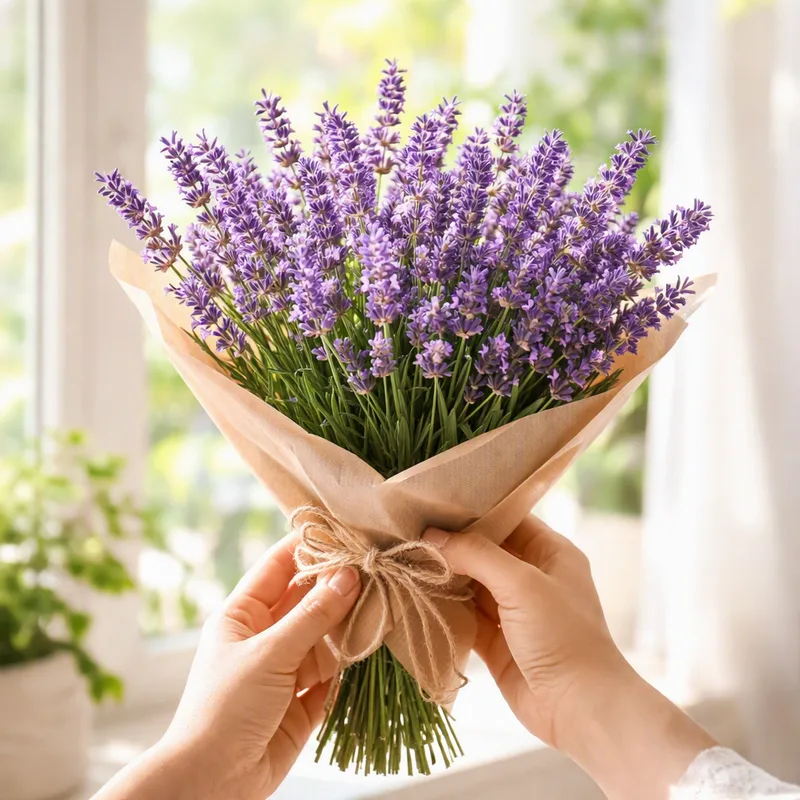
Pick stems when about half the flowers on the spike have opened, and hang them upside down to dry. Dried lavender holds its scent for months.
Dogs, cats and horses can be poisoned by lavender according to the ASPCA, which names linalool and linalyl acetate as the culprits and records nausea, vomiting and lack of appetite. Keep oil bottles out of reach.