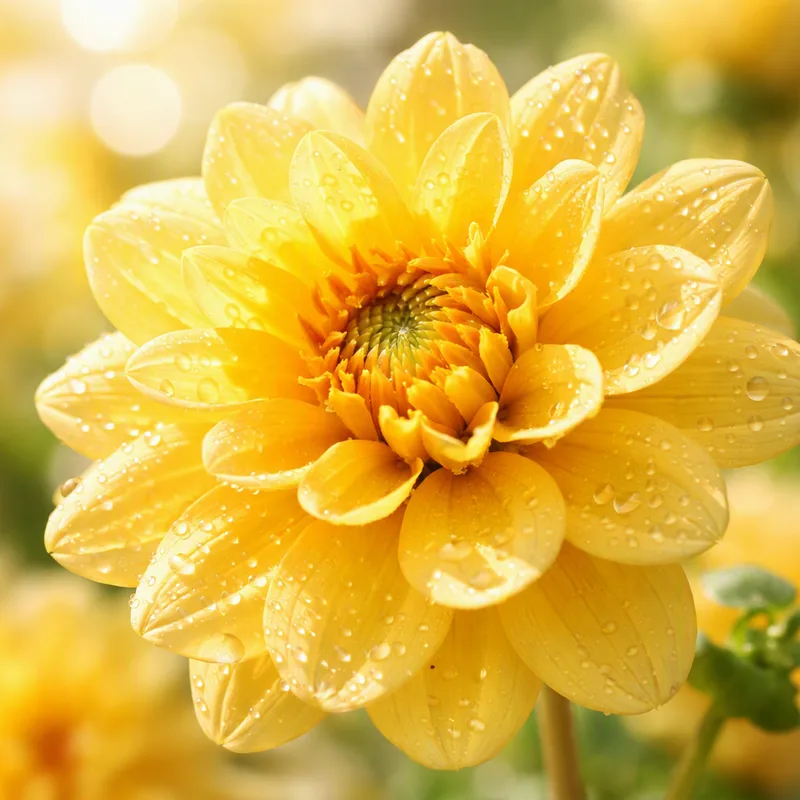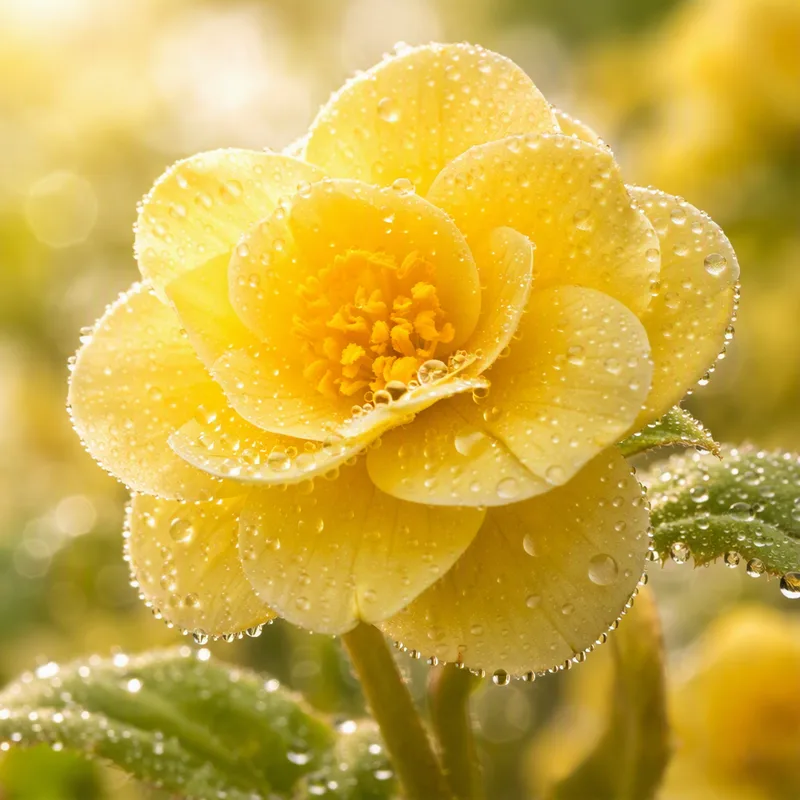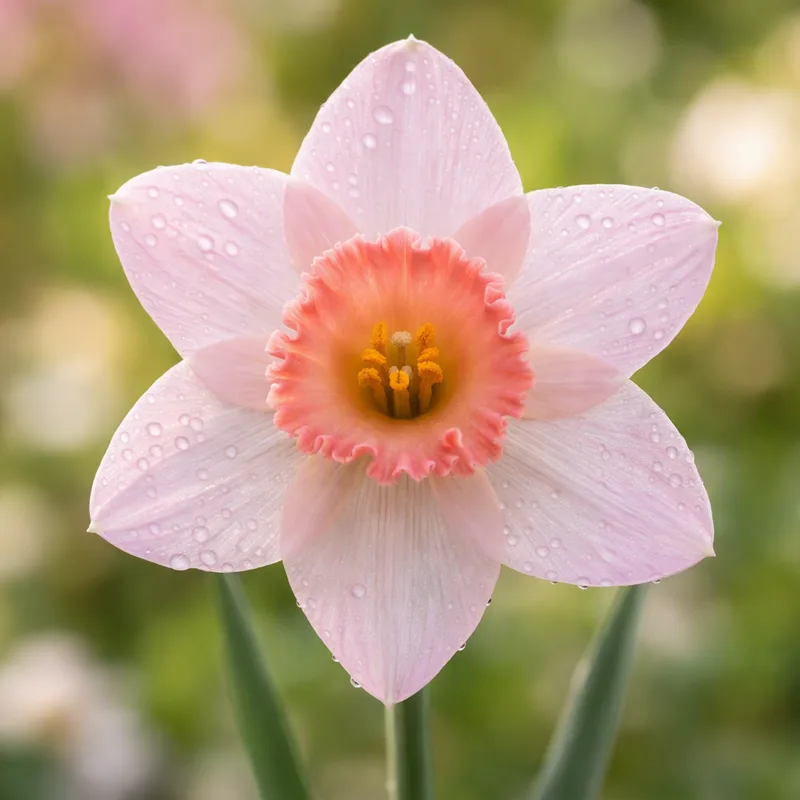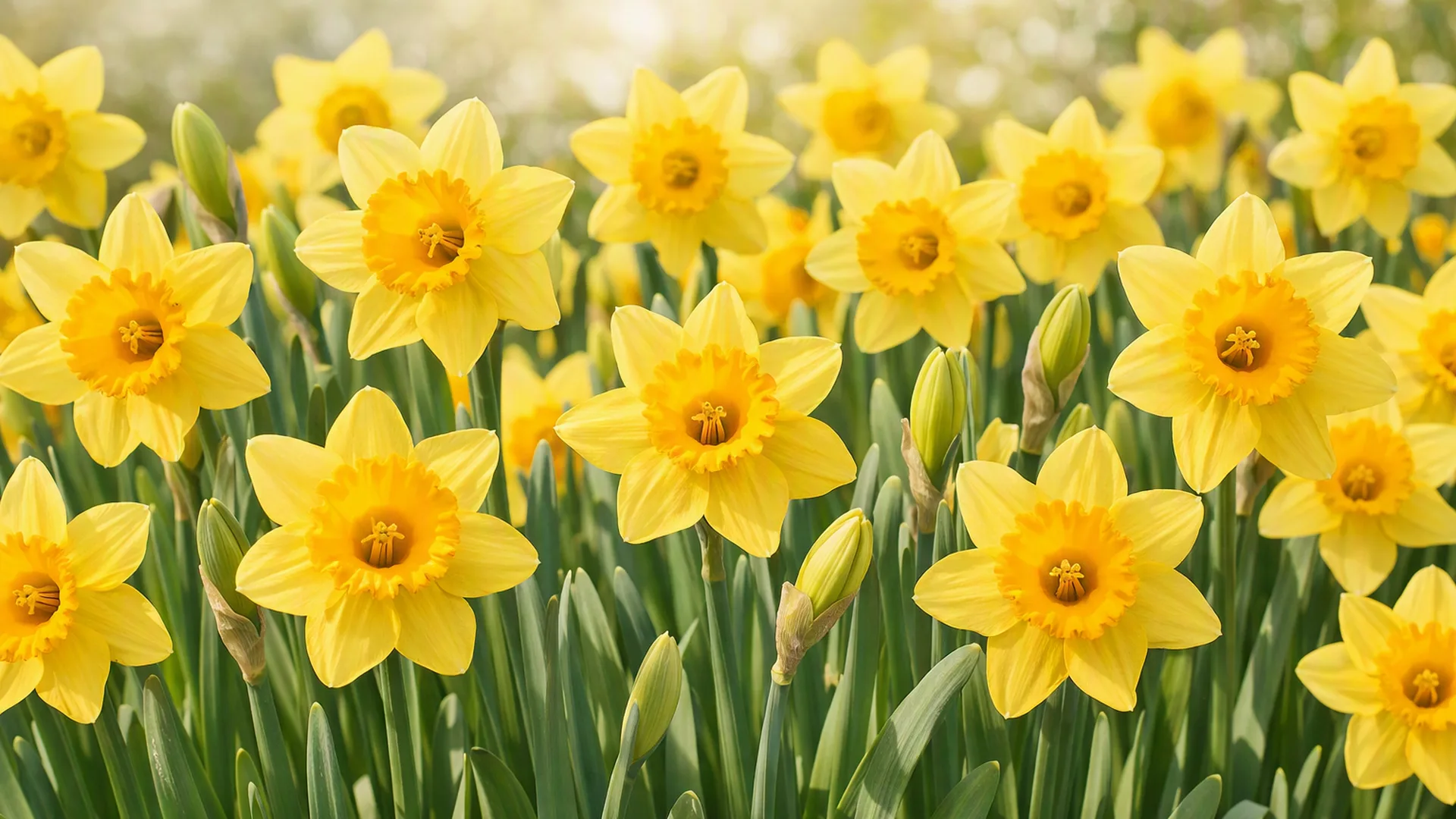
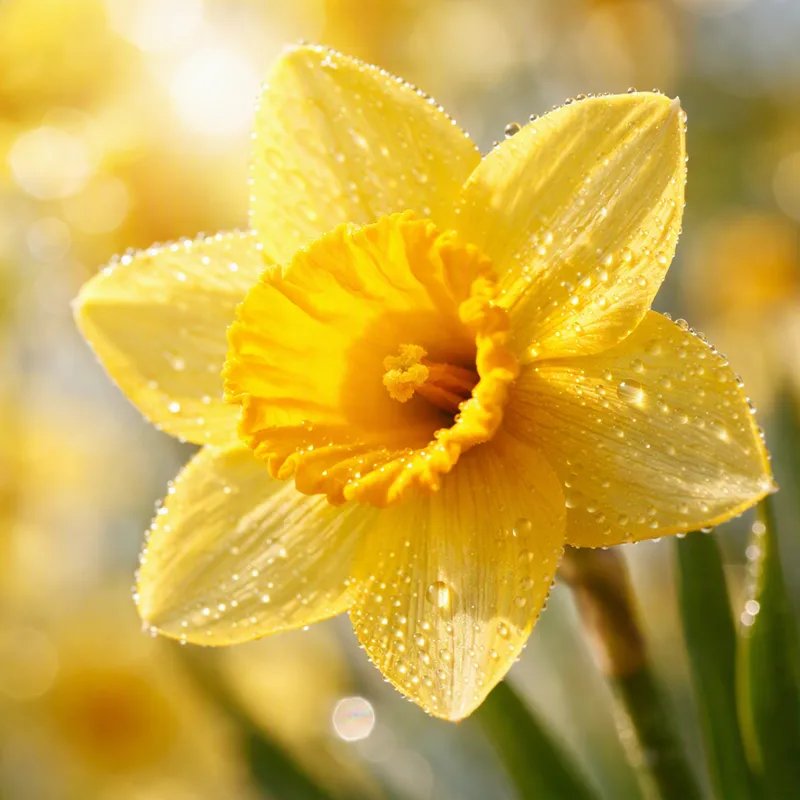

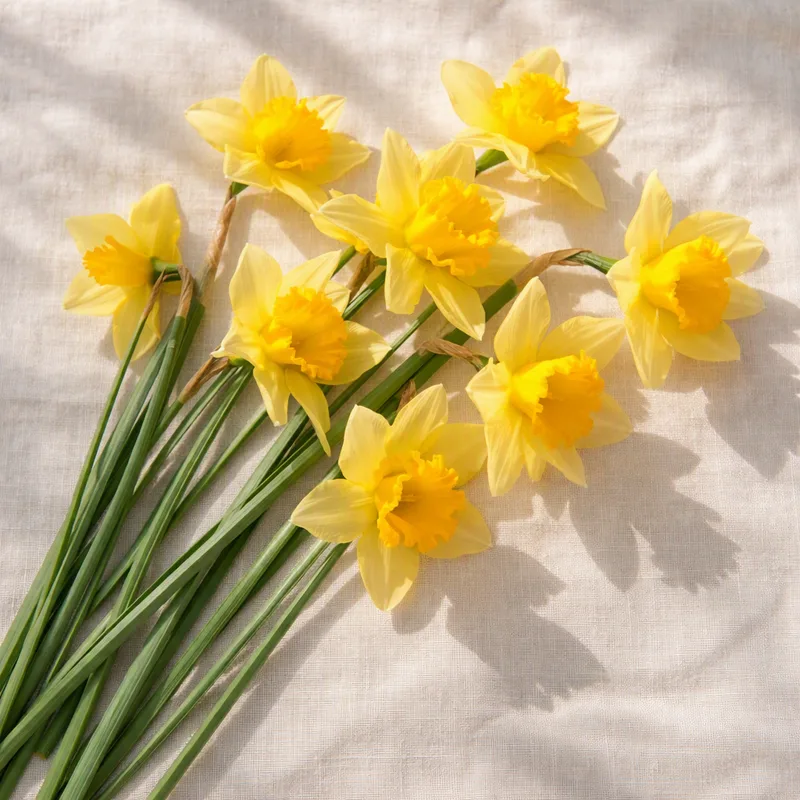
Narcissus pseudonarcissus is the wild daffodil, also called the Lent lily. The petals are pale yellow, and the central trumpet is darker. The leaves are narrow and slightly greyish green, and the plant grows from a bulb to around 25 to 40 centimetres.
A species, not a hybrid
Most daffodils in shops are hybrids with larger, brighter flowers. The wild daffodil is the original, native to western Europe from Spain and Portugal east to Germany and north into north-western Europe. It grows in woods, grassland and on rocky ground. Wikipedia also records it as established in Australia, New Zealand and other regions where it was planted in gardens and escaped.
Seed or bulb
Seed takes five to seven years to reach flowering size, so gardeners nearly always plant bulbs. Plants cross easily with garden cultivars, and if hybrids grow nearby the seedlings can outcompete wild plants. Where a species conservation project is involved, that is a reason for careful planting.
Growing in Australia
- Climate: cool and cold winter areas, such as Tasmania, the Victorian highlands and the tablelands of NSW.
- Planting: March to May, in grass, under deciduous trees or in borders.
- Flowering: late winter, about July to September.
- Care: leave the leaves to die back before mowing.
Old patches around abandoned homesteads in cool districts are often naturalised daffodils rather than the wild species itself.
Toxic like its garden cousins
Like the cultivated forms, the wild daffodil contains lycorine and other alkaloids. The ASPCA lists daffodils as toxic to dogs, cats and horses, and the bulbs are the most poisonous part.