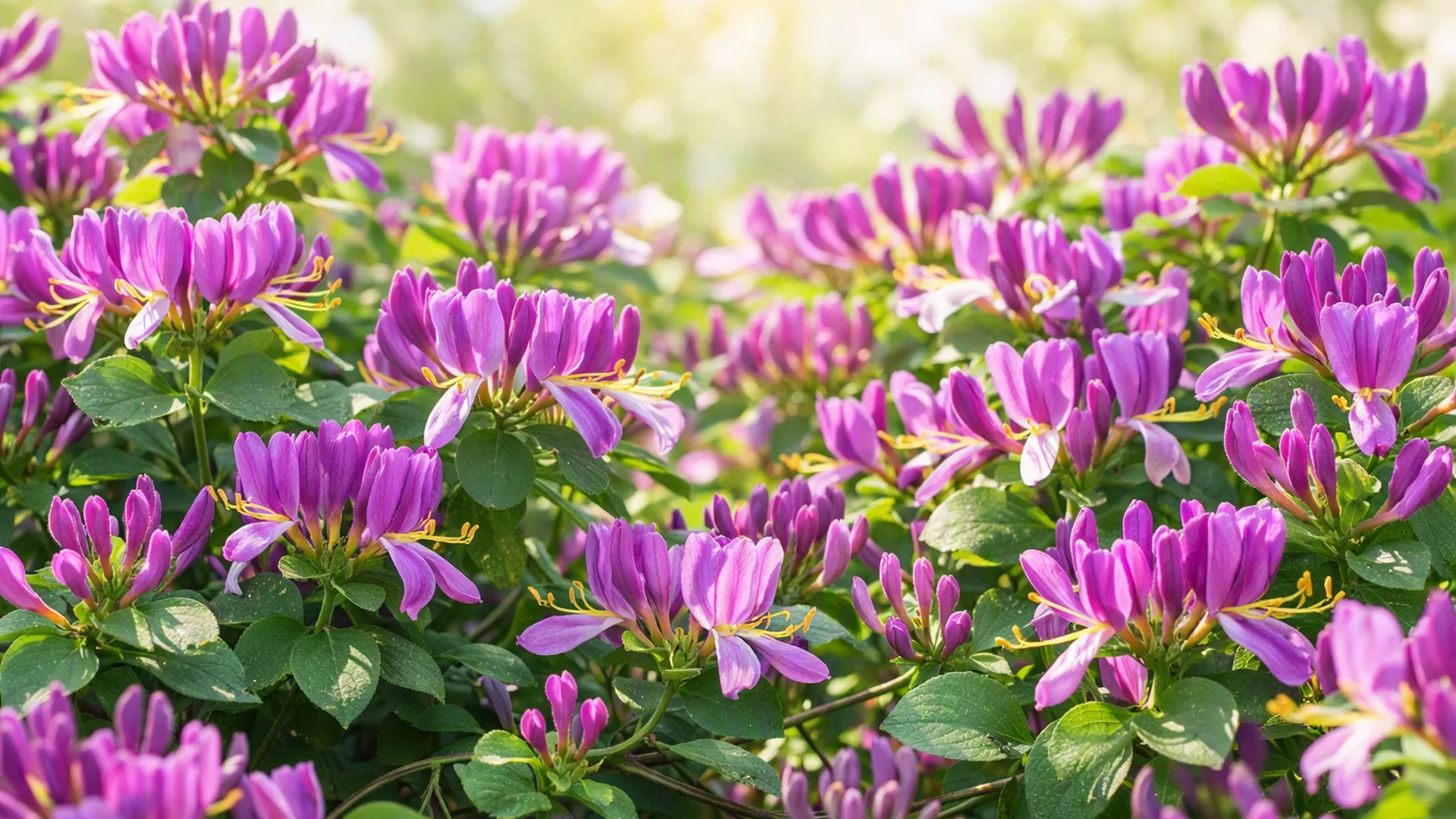
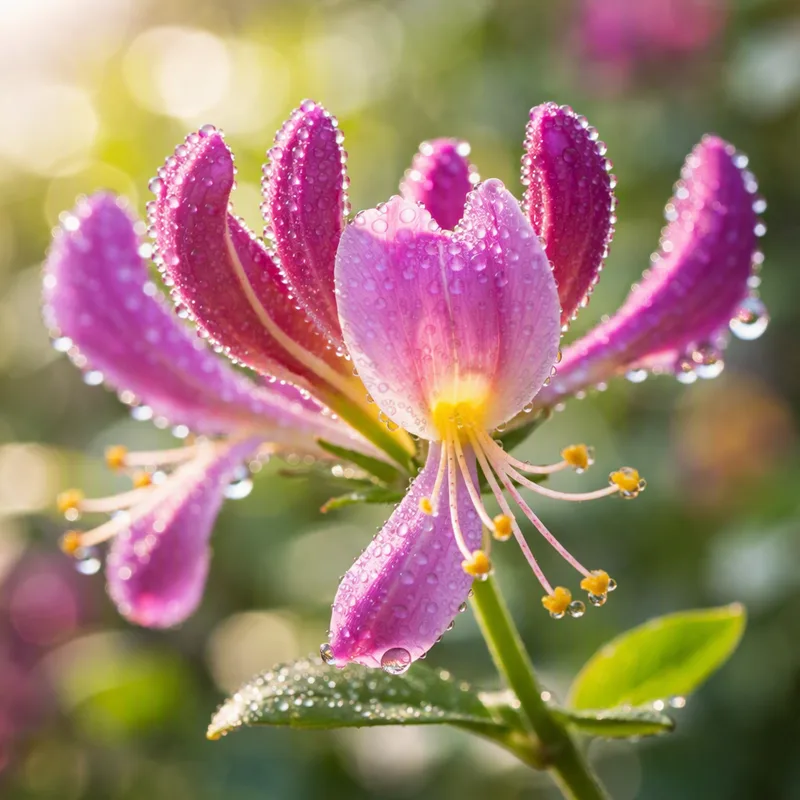
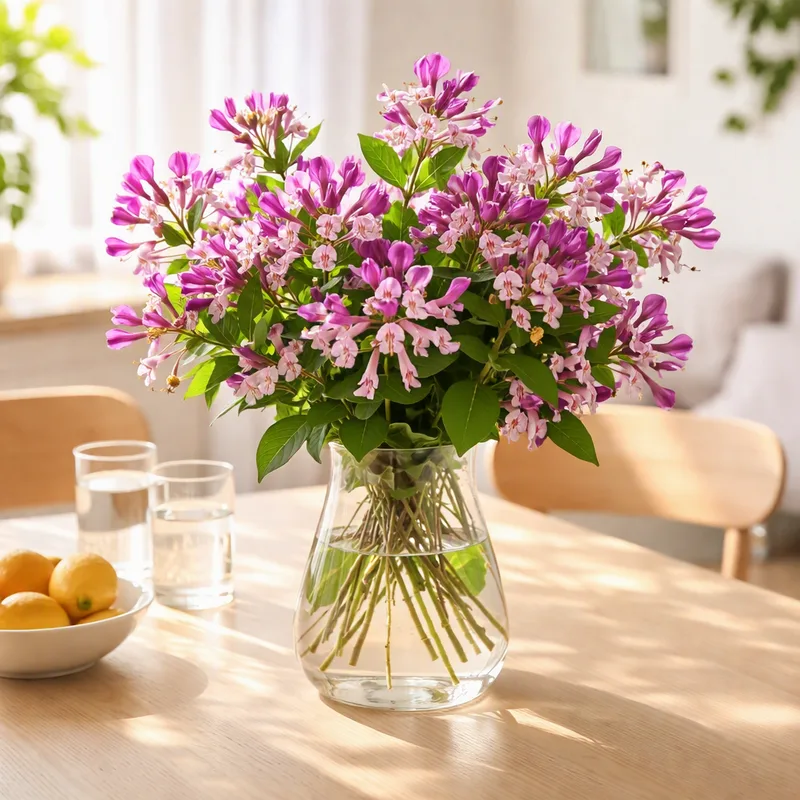
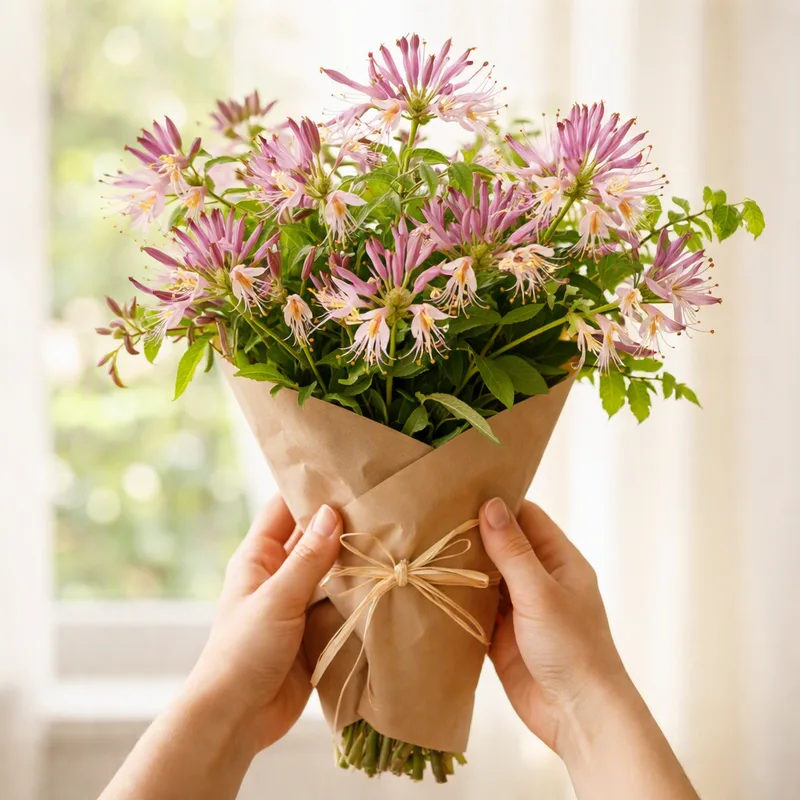
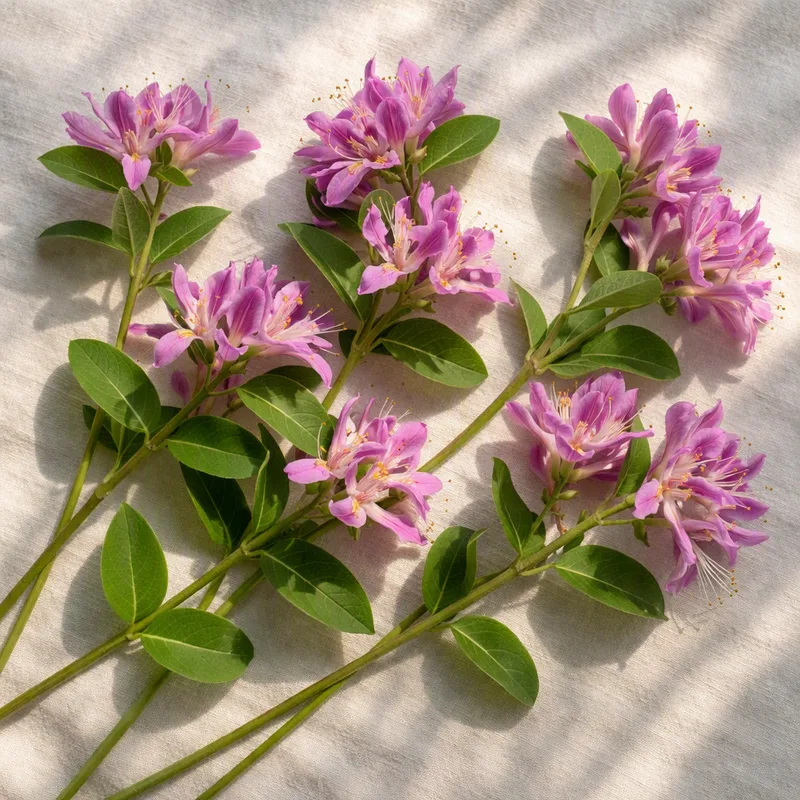
Honeysuckles (Lonicera) are mostly climbers and shrubs with sweet, tubular flowers. The best-known are the fragrant twining vines, and many people picture a trellis smothered in cream and yellow trumpets on a warm evening.
Check before you plant
The Japanese honeysuckle, Lonicera japonica, is native to Japan, Korea and China. Weeds Australia describes it as a serious environmental weed in southern Australia, especially common in NSW, Victoria and southern Queensland. It can grow stems up to ten metres long, smothers native vegetation and spreads both by bird-dispersed seed and by runners that root where they touch the ground. It is the common honeysuckle in old gardens and the one most often sold under that name, so check what you are buying and look up your own state's weed listing. Many gardeners now choose a safer climber instead.
Better choices
- Non-invasive Lonicera types such as trumpet honeysuckle (Lonicera sempervirens) are sold by some nurseries; check local advice first.
- Native climbers such as Hardenbergia (native sarsaparilla) or Pandorea (wonga wonga vine) give a similar look and feed local wildlife.
- Star jasmine is a popular fragrant substitute, with its own care needs.
If you already have one
Cut the vine back to the ground, dig out the roots and bag the cuttings. Do not put them in the compost. Repeated follow-up is needed.
If berries get eaten
Honeysuckle berries should not be eaten, by people or animals. If a child or pet has eaten some, call the Poisons Information Centre on 13 11 26 or a vet.