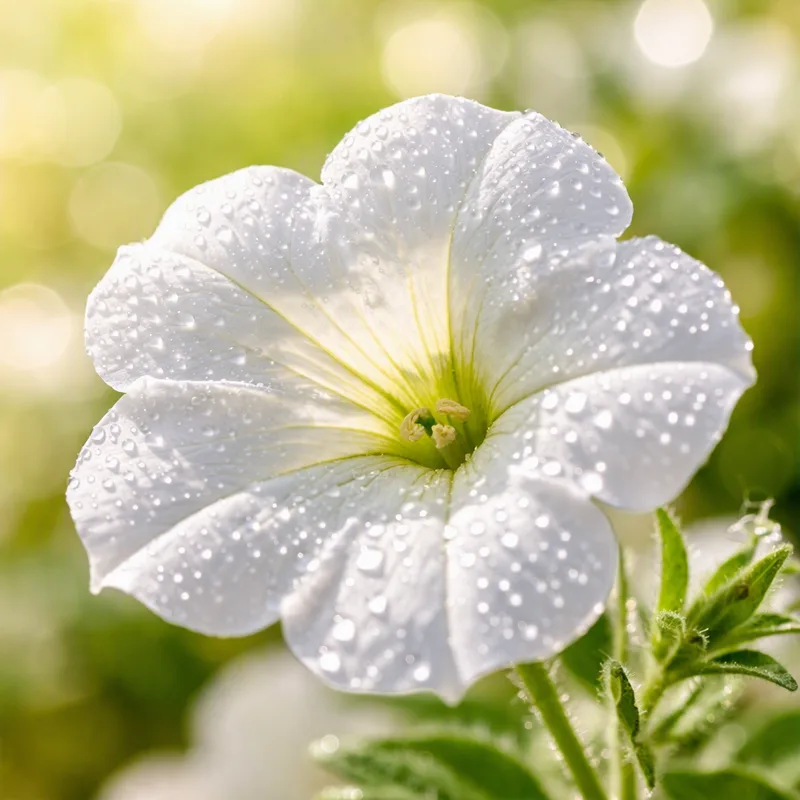
Not quite white
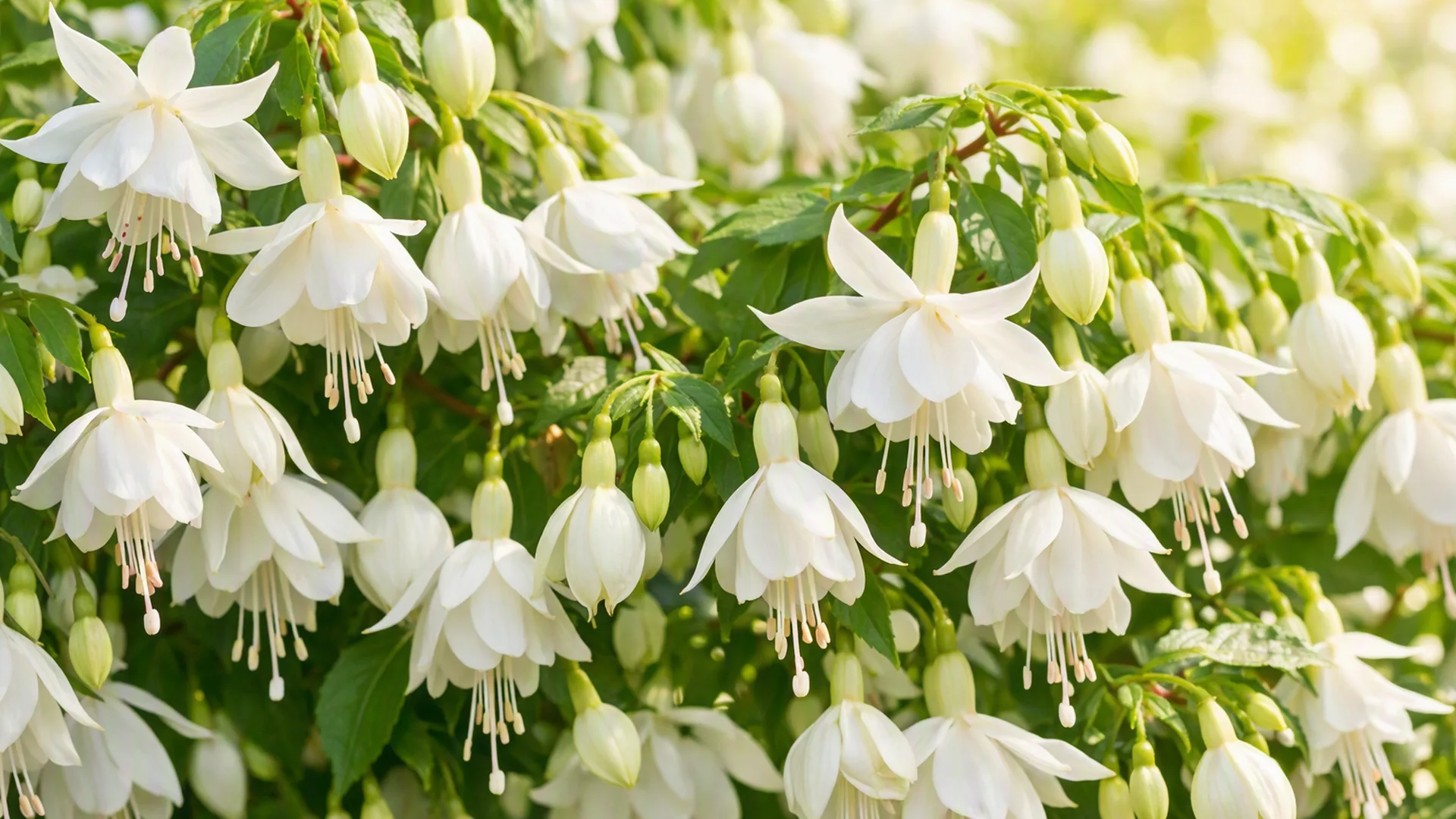
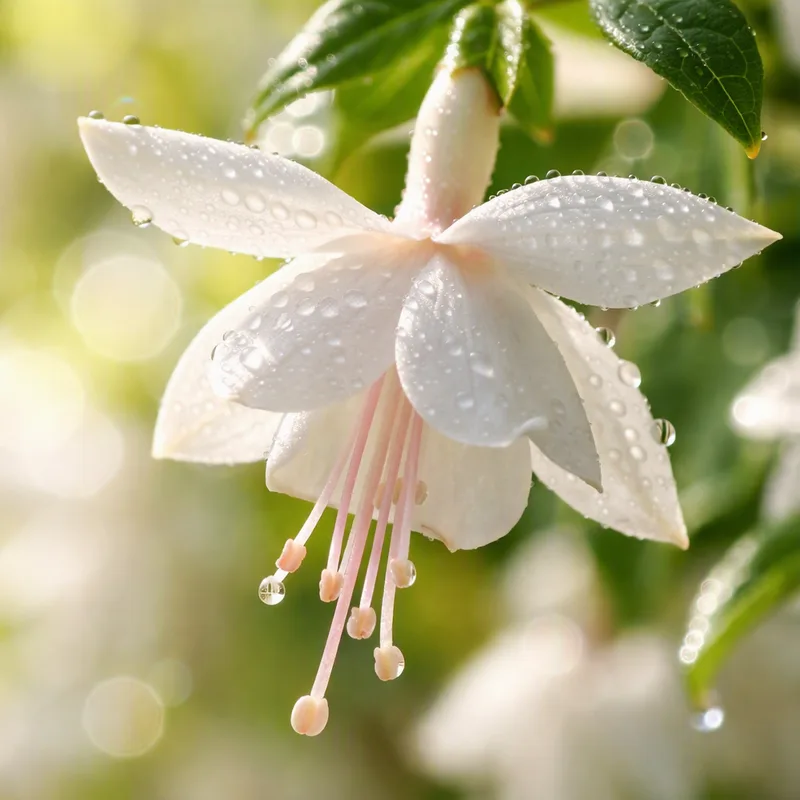
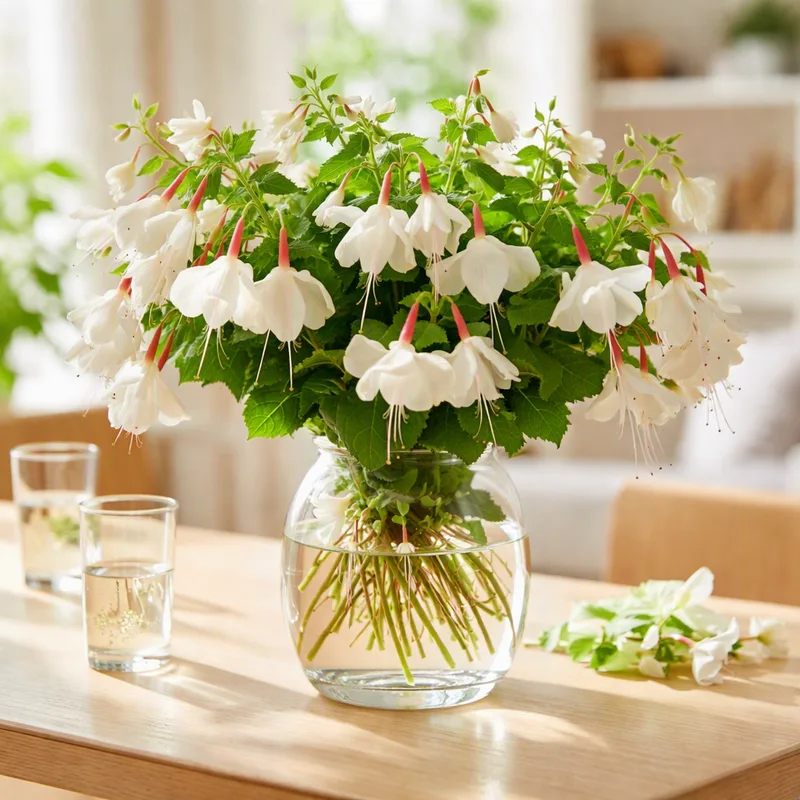
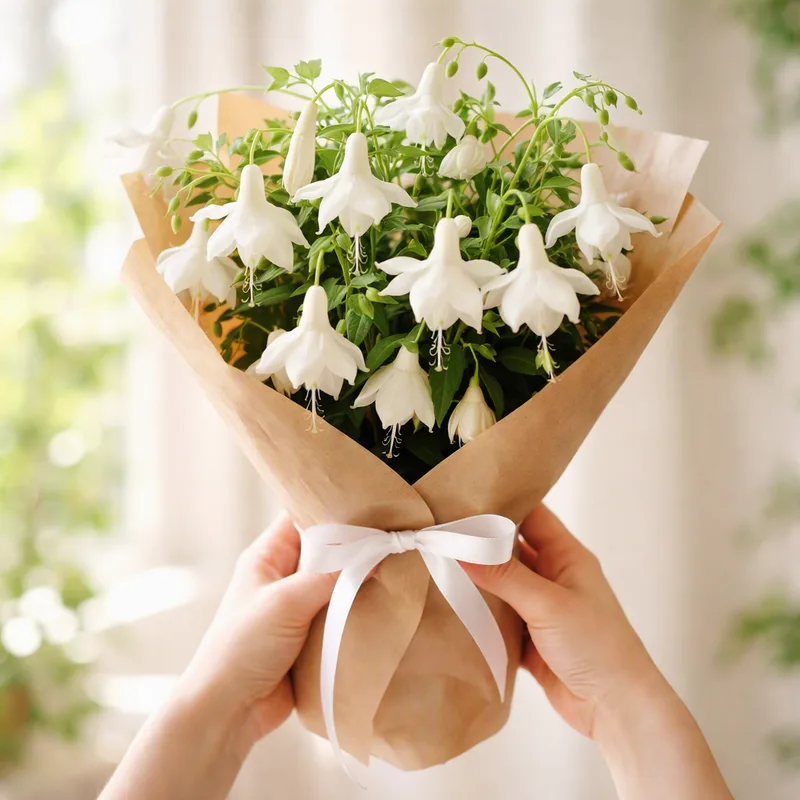
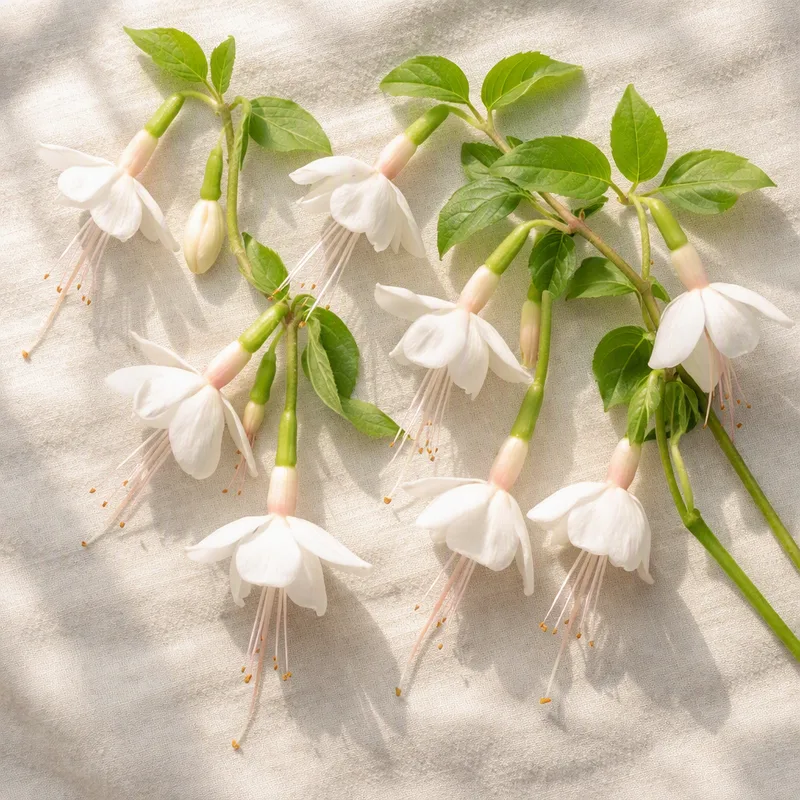
Fuchsia flowers have two parts, the outer sepals and the inner skirt of petals. In a white-flowered variety, the sepals are white or ivory, and the skirt may be white or tinted with pink. Pale types are often called "white" by growers when the sepals are close to white, even if the skirt is lilac or rose. Pure white throughout is rare, so it pays to read the plant label.
A common spelling
Many people write "fuschia" when they search for these plants. The correct spelling is fuchsia, with the s after the h. The genus was named after the German botanist Leonhart Fuchs, which is why the spelling follows his surname, and why the first syllable sounds like "fyoo".
Position and watering
A white fuchsia looks best in a shaded corner, where its pale flowers seem to glow against dark leaves. It prefers:
- bright shade or morning sun only;
- soil or mix that stays damp but drains freely;
- shelter from hot, dry wind;
- a monthly feed with a flowering-plant fertiliser in the growing season.
In Melbourne or Hobart, a fuchsia can stay in a pot on the veranda all year. In Perth, Adelaide and Sydney, move it to the coolest, shadiest spot you have during a heatwave. In a city that regularly passes 38 degrees, plan for plenty of water.
Cold-season pruning
Fuchsias can be pruned back hard in late winter. In frosty areas they may lose their leaves, but many shoot again once warmth returns.
Animals in the garden
On the ASPCA's plant list, fuchsia is marked as safe for cats, dogs and horses.