A big genus with a small flower
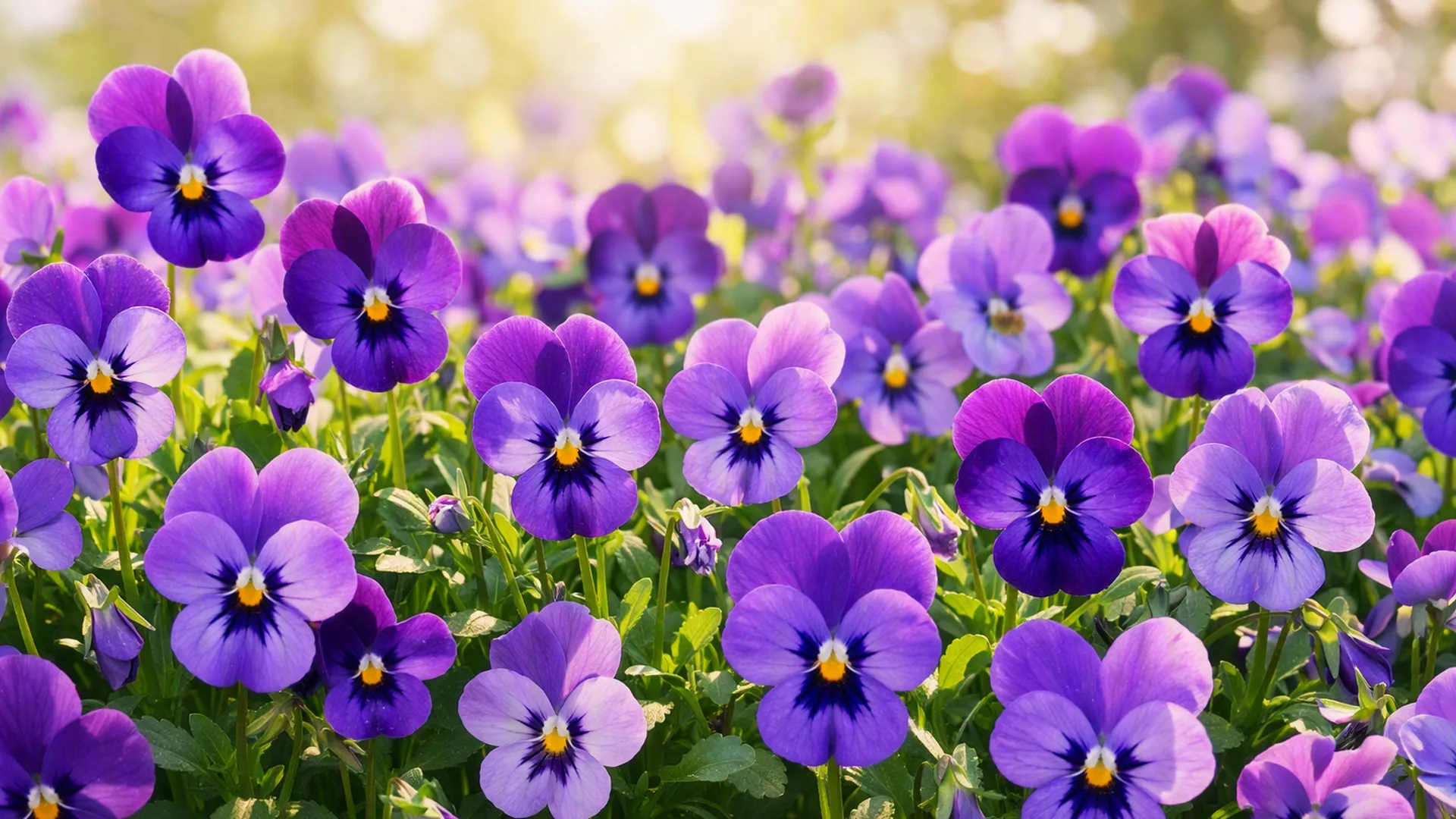
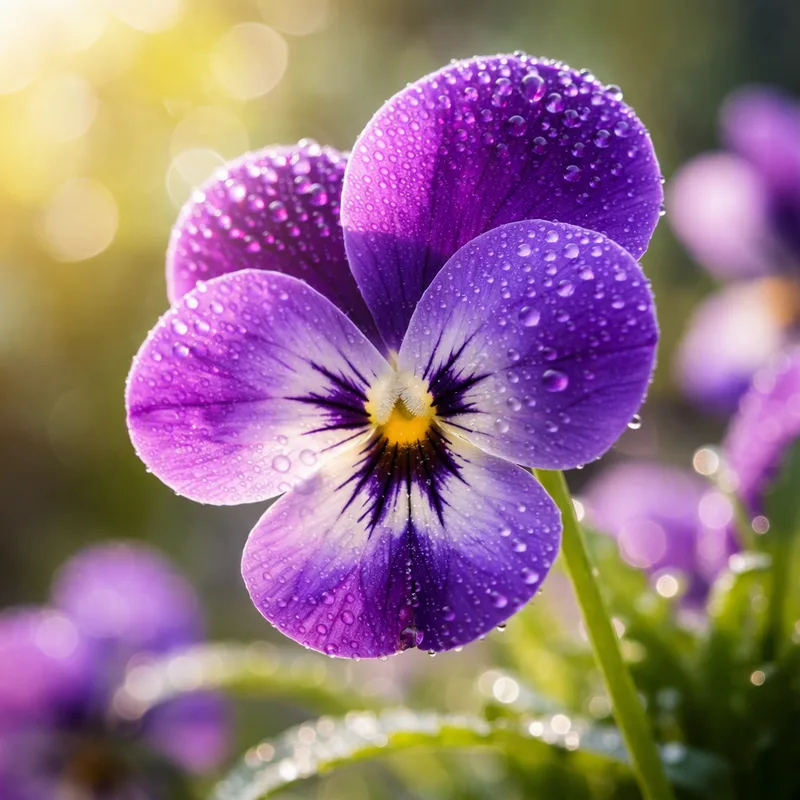
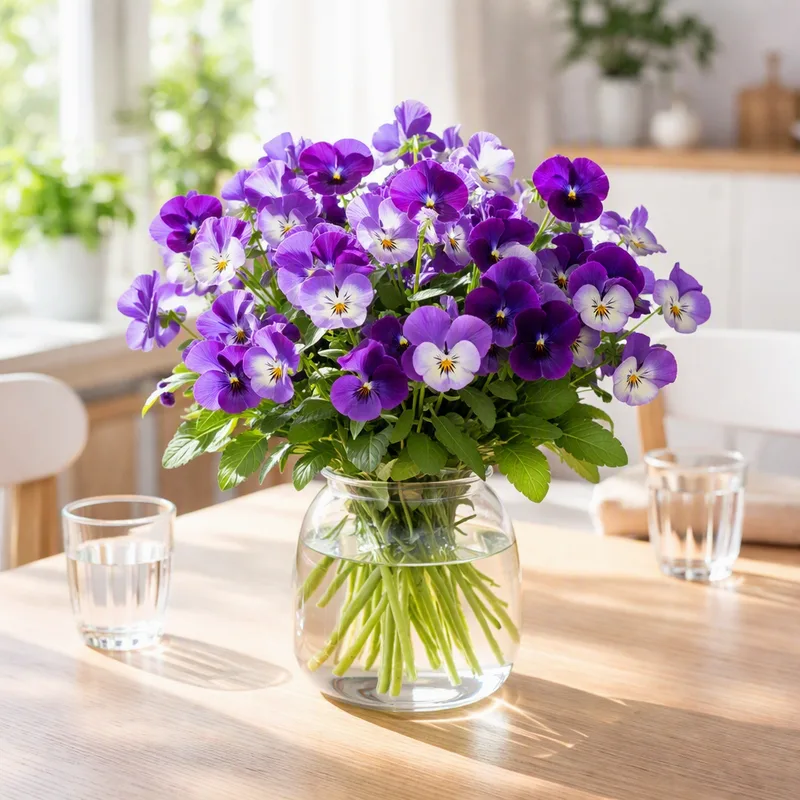
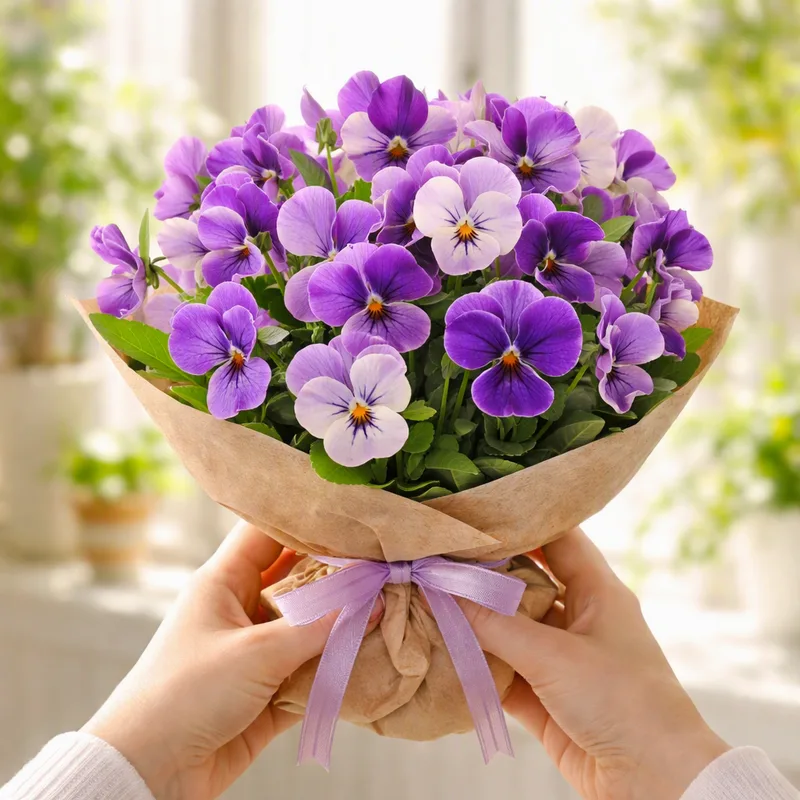
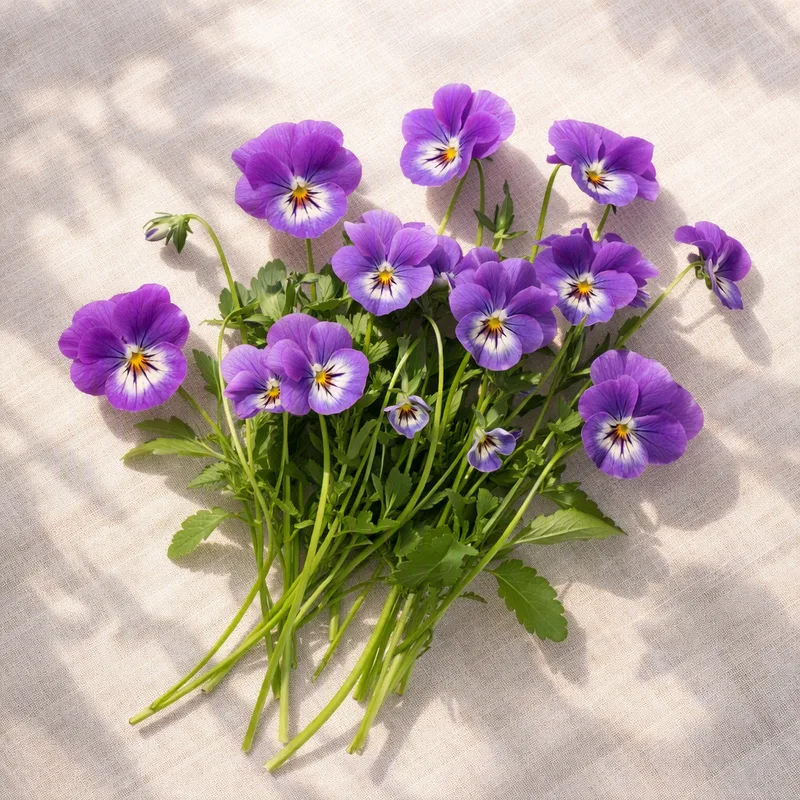
The genus Viola holds several hundred species. Every flower has five petals, two pointing up, two to the sides and a larger lower one, and many are marked with a dark "face". Sweet violet (Viola odorata) is the scented one that gave perfumers and sweet makers their inspiration, while the pansy (Viola x wittrockiana) is a garden hybrid with large, bright blooms.
Australia has its own violet
The native violet, Viola hederacea, is a creeping ground cover from south-eastern Australia including Tasmania. It has kidney-shaped leaves and small white-and-purple flowers, and it will spread happily in a damp, shaded corner. It is a good alternative to the introduced sweet violet if you want a local plant.
Cool-season colour
- Violas and pansies are planted in autumn, March to May, for winter and spring flowers.
- They like full sun in winter and dappled shade as the weather warms.
- Feed lightly and deadhead often.
- In the tropical north they are short-lived and best treated as a dry-season annual.
Why you lose the scent
Sweet violet contains a compound that briefly dulls the sense of smell, so the perfume seems to vanish after a sniff.
Violets have a long history in perfumery and sweets, and the colour violet is named after the flower. Several species are eaten in small amounts as garnishes, but only pick plants you can identify with certainty.
Violets and animals
The ASPCA database has no entry we could find for this plant. If you have a pet that nibbles plants, ask your vet before bringing violets indoors.