
A southern African native in Australian gardens
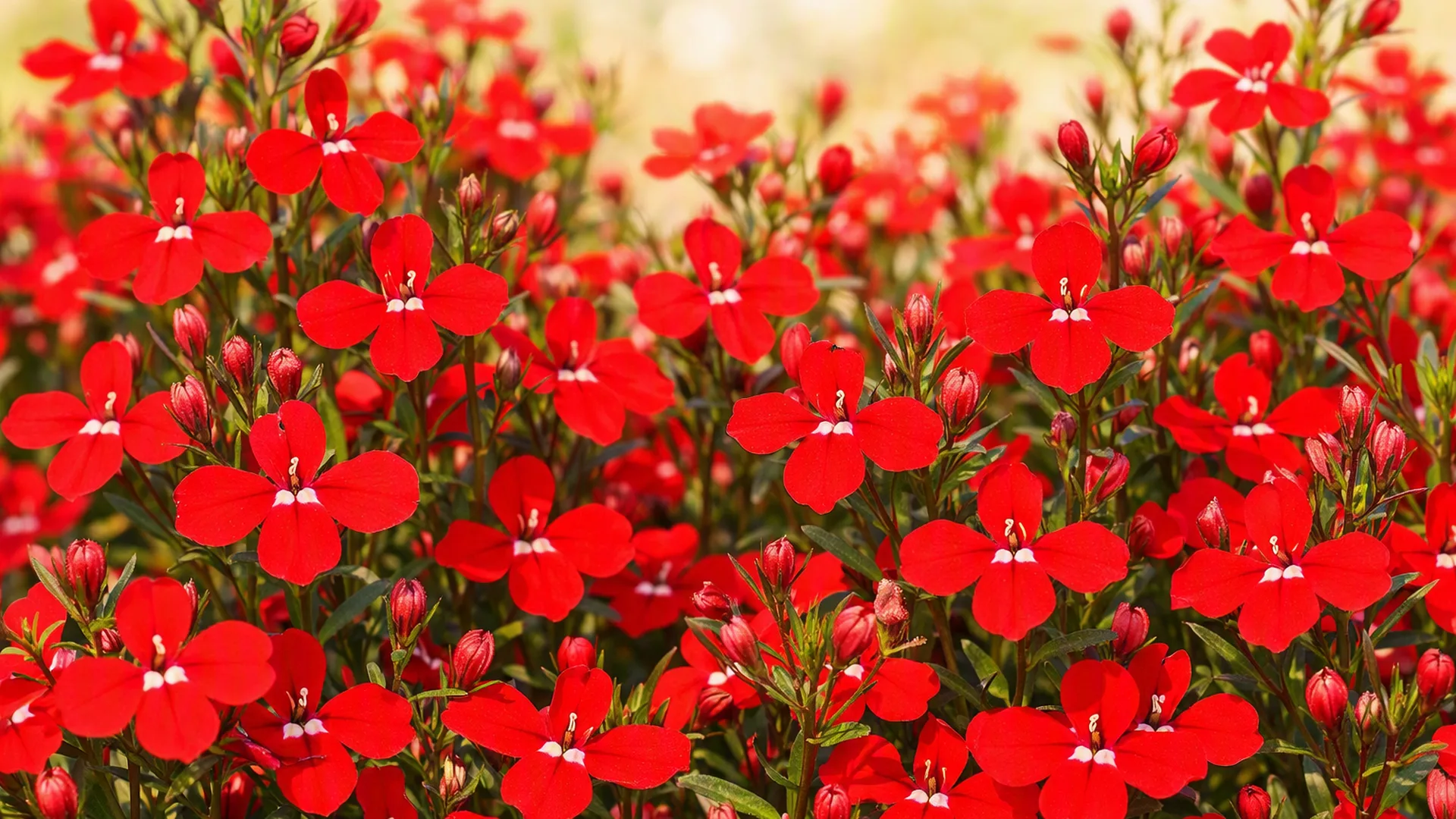
Lobelia erinus is a low, scrambling perennial from southern Africa, usually 8 to 15 cm tall in the wild. Wild plants carry blue to violet flowers with a pale eye, each one only about as wide as a fingernail. That blue is what most people mean by classic lobelia, even though breeders have added white, pink and magenta.
Gardeners in most of Australia treat it as a seasonal bedding plant rather than a permanent resident, because the foliage tires in prolonged heat.
Timing by climate
- Cool temperate areas such as Melbourne, Hobart and the highlands: set plants out from spring and enjoy them through to early summer.
- Warmer coastal cities such as Sydney, Perth and Adelaide: plant in autumn for colour through winter and spring.
- Brisbane and the tropical north: it is a cool-season plant, best from autumn to early spring, and often gone by the wet-season heat.
Everyday care for lobelia
Pick a spot with morning sun and afternoon shade, in rich, free-draining soil. Pots dry out fast, so check them often and feed lightly every couple of weeks. If it goes leggy, shear it back by about half; fresh growth and a second flush usually follow.
Sorting out the cultivars
Names you will meet include 'Crystal Palace' (compact), 'Sapphire' and 'Blue Moon', along with trailing types for hanging baskets. They are all Lobelia erinus.
Keeping pets safe around lobelia
The related cardinal flower, Lobelia cardinalis, is listed by the ASPCA as toxic to dogs, cats and horses because of lobeline. Garden lobelia is best treated the same way: do not let pets or children chew on it.