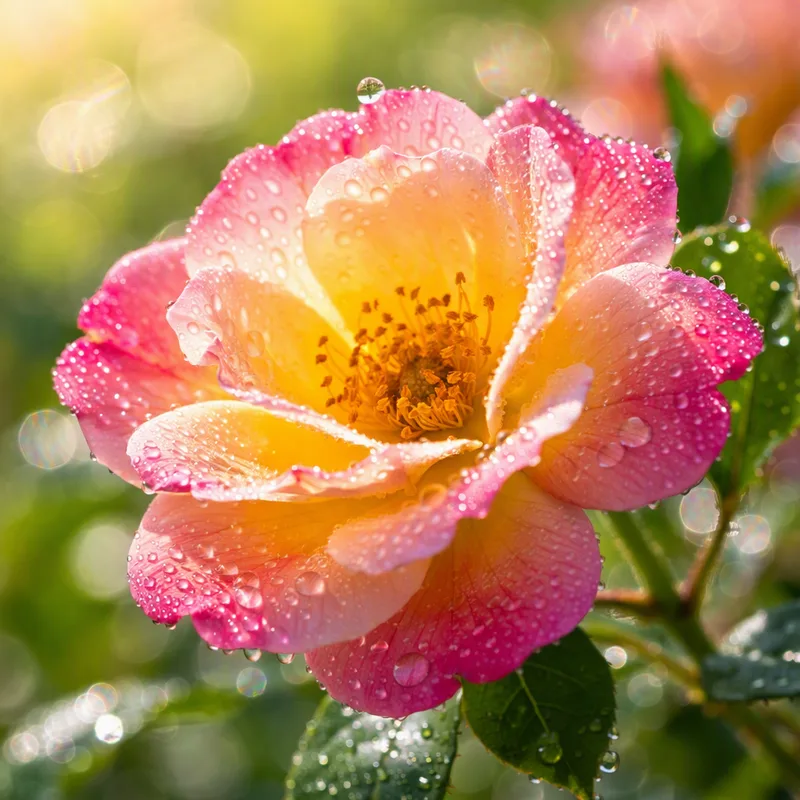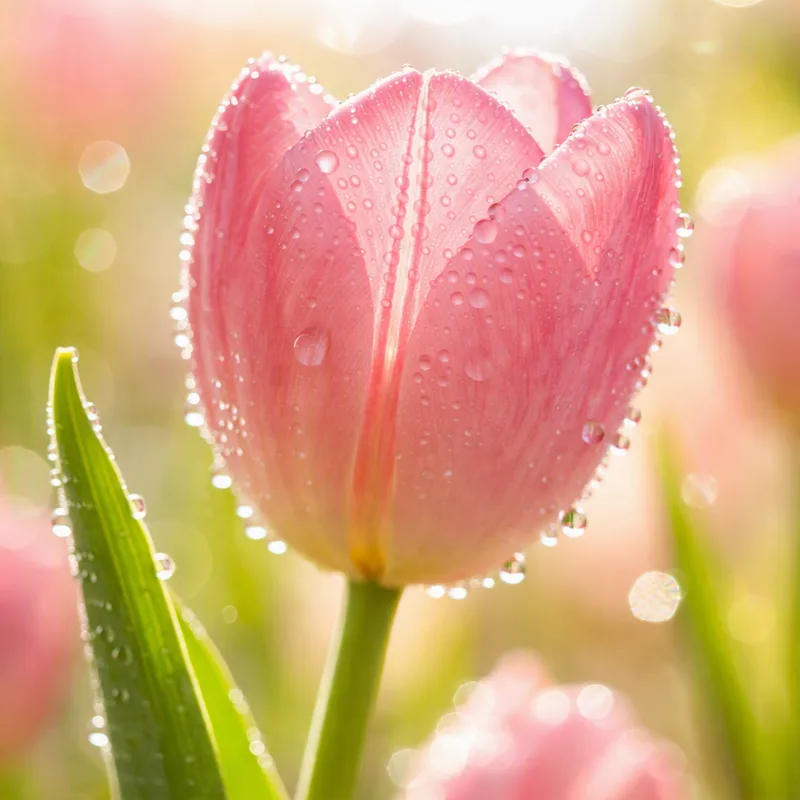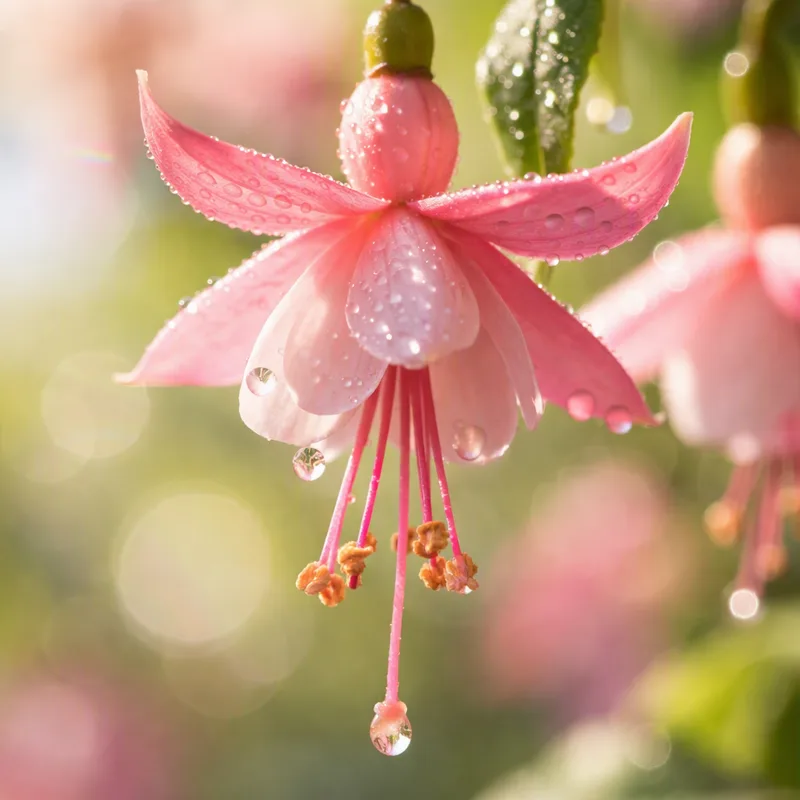
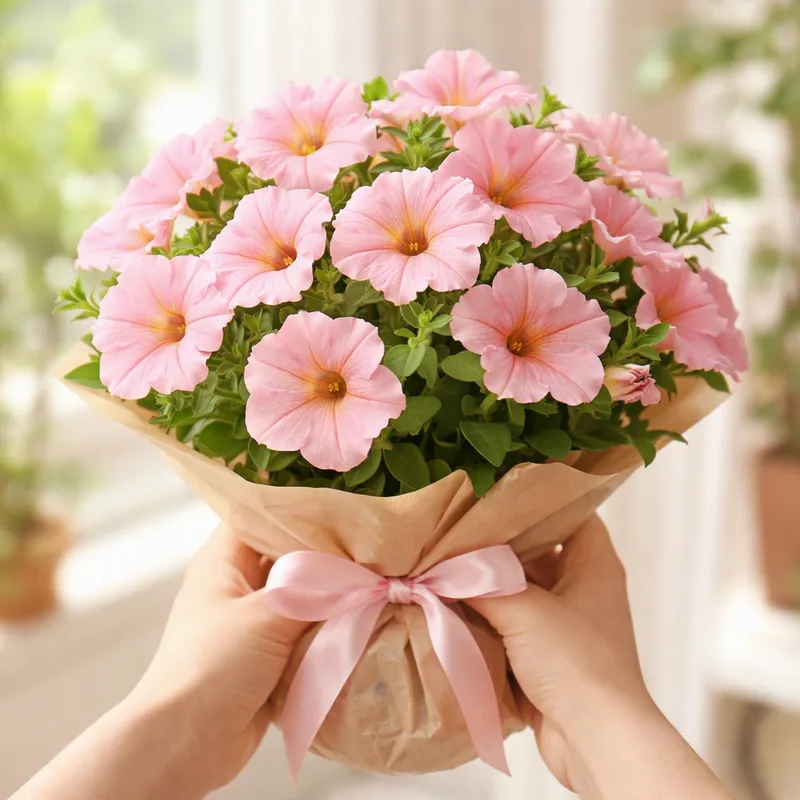
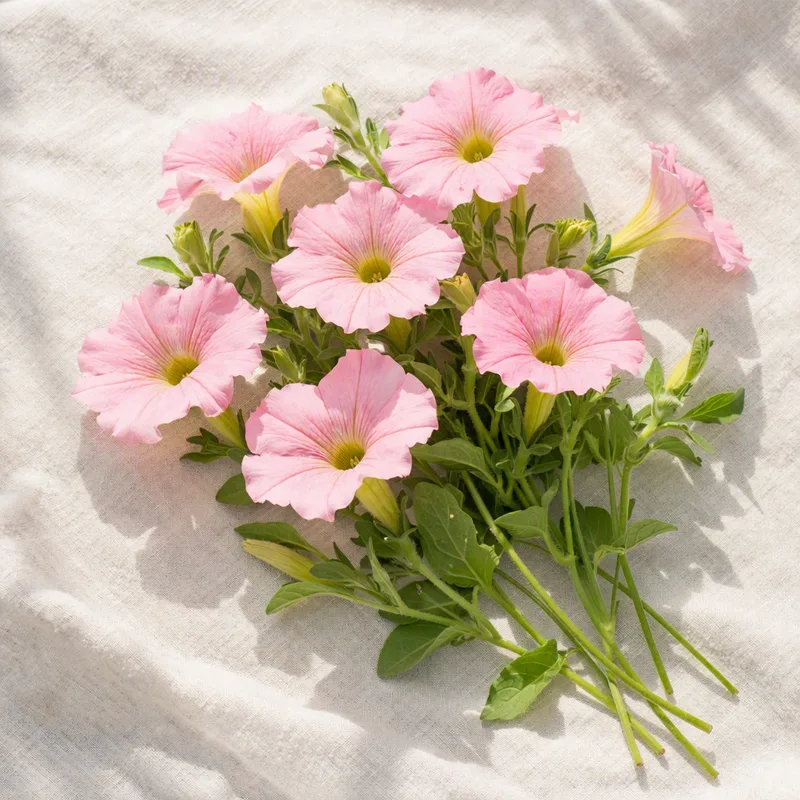
Pink is the easy middle
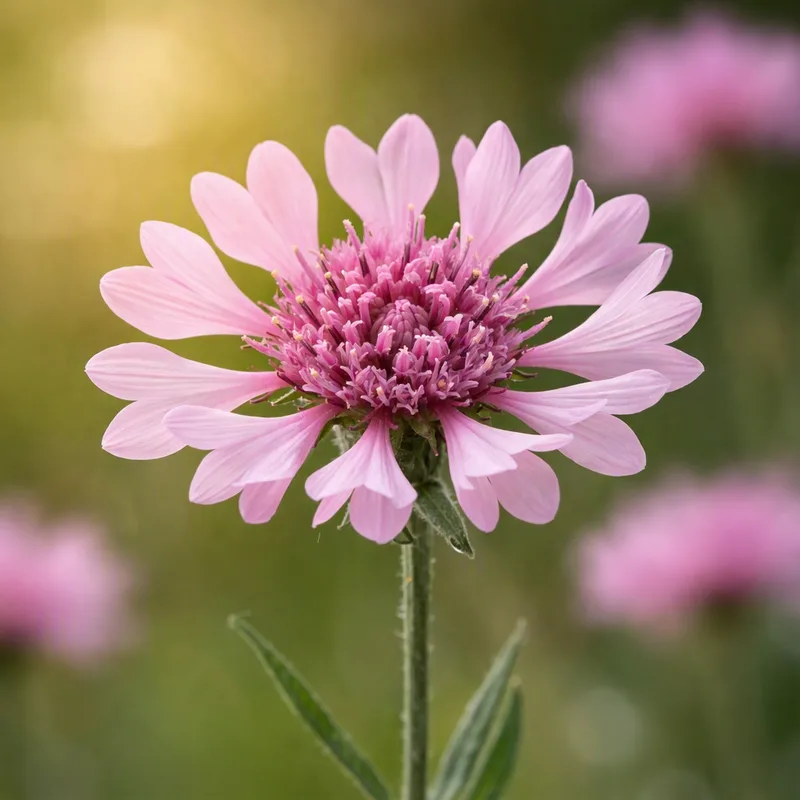
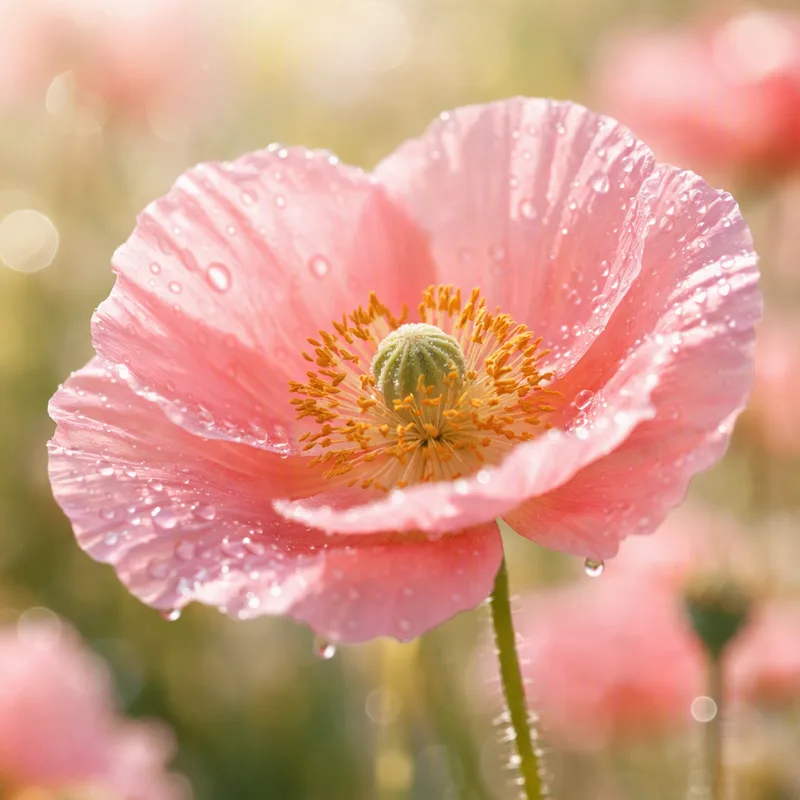
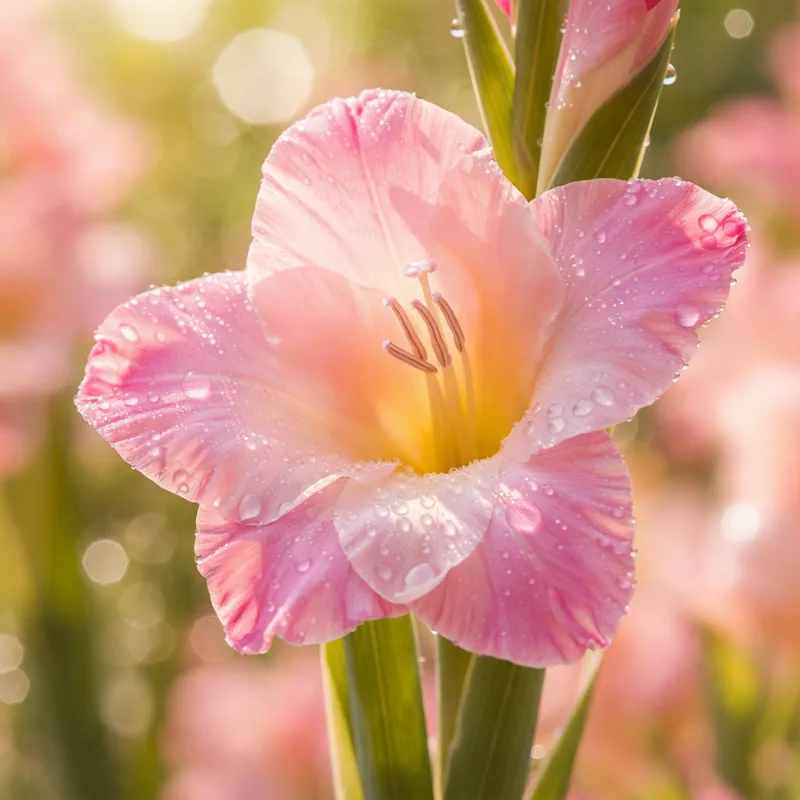
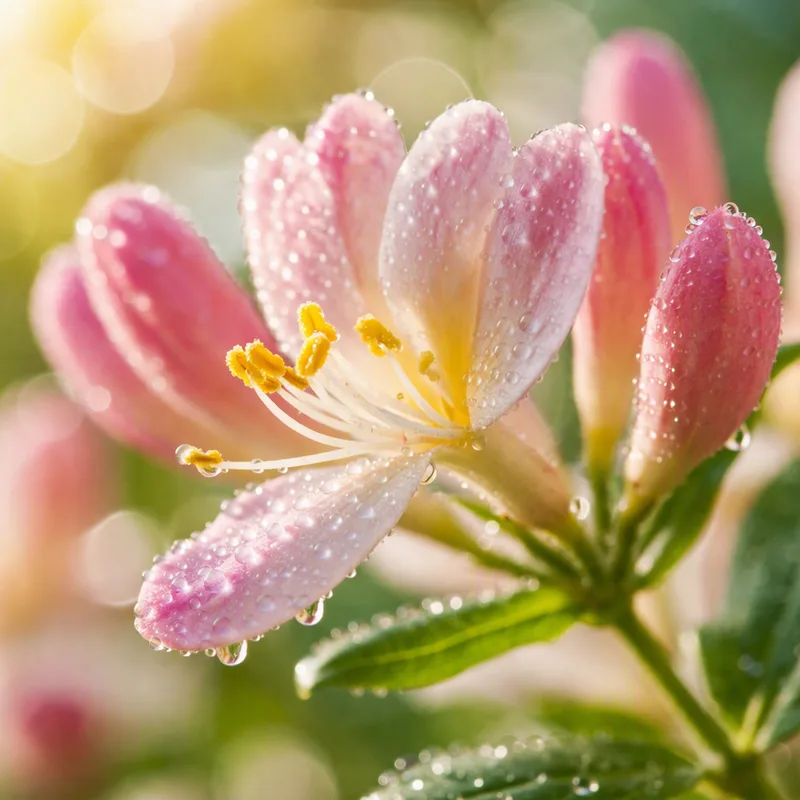
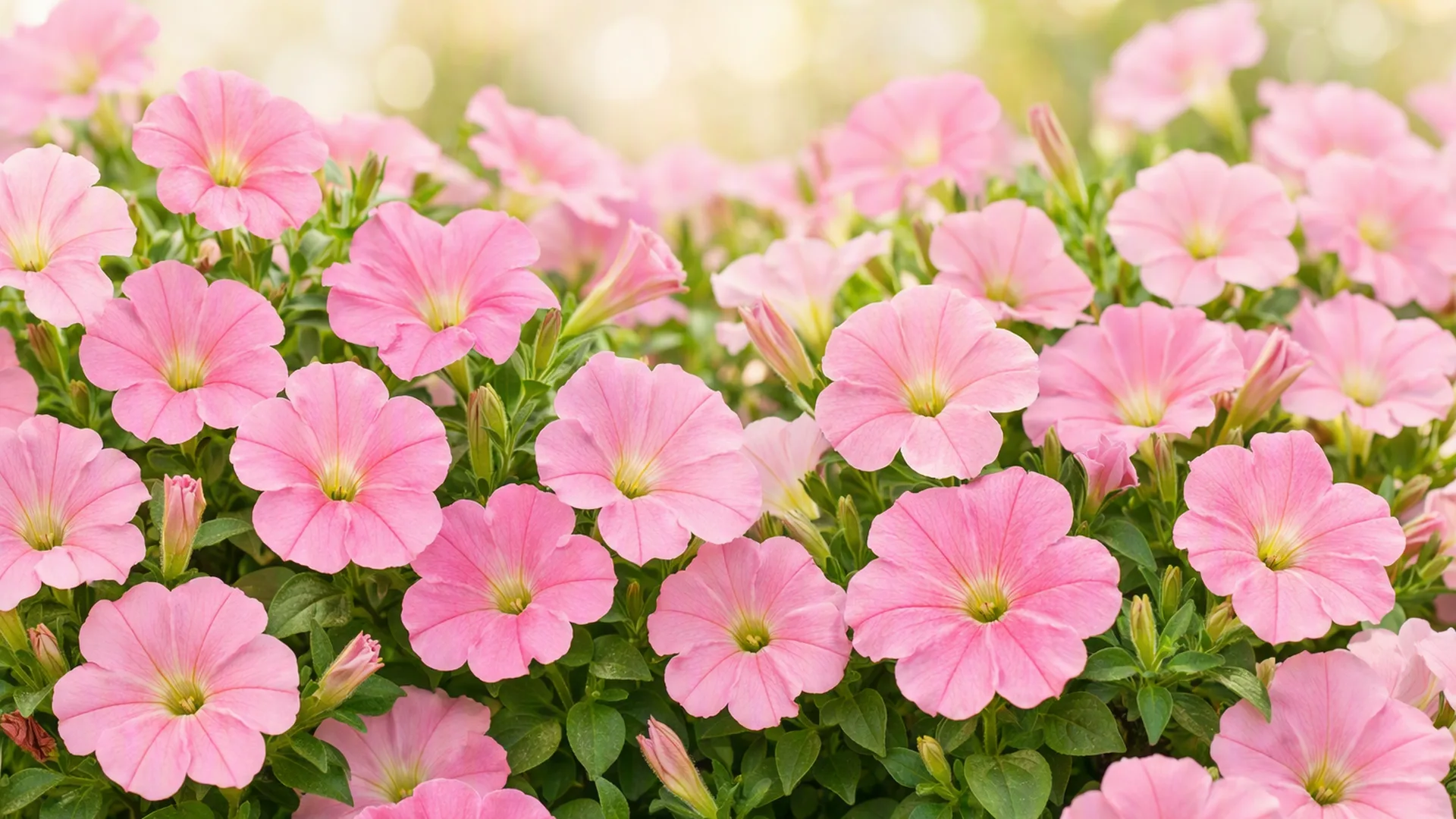
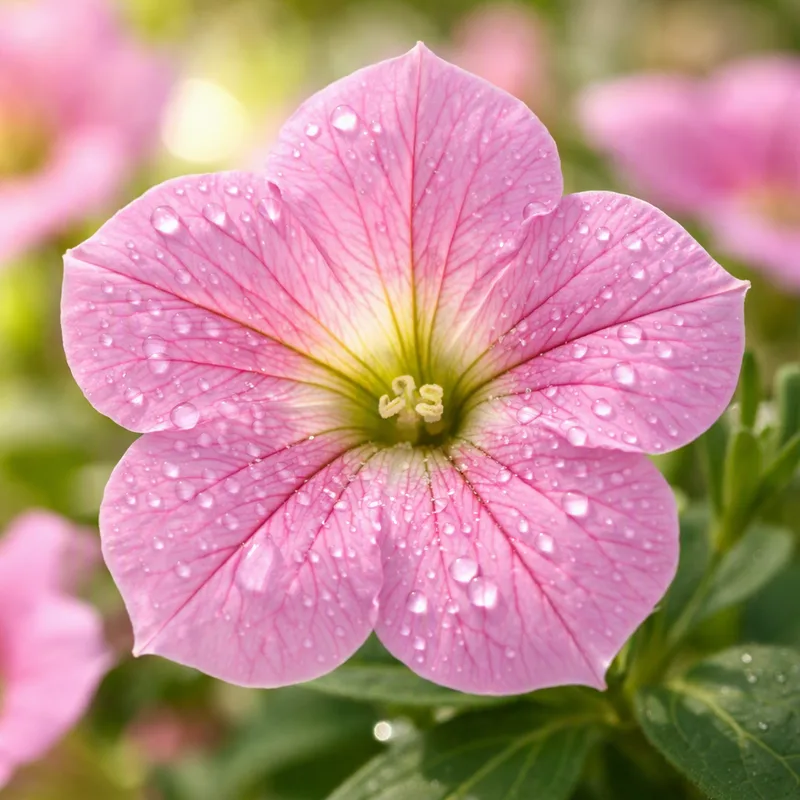
Between the original white and violet species, pink is the natural halfway point. Garden pinks range from blush and salmon through candy pink to magenta, and many have darker veins running down into the throat. A mixed tray may include several tones, so if you want a single shade, check the label.
Choosing a healthy plant
Look for compact plants with green leaves and a handful of open flowers. Avoid any with yellowing leaves, a lot of long bare stem or roots circling the base of the pot. Gently tease the roots apart before planting and settle the plant into the soil at the same depth it was growing in the pot.
Planting plan
Petunias are tender, so the best time depends on where you live.
- Hobart, Canberra and cool highlands: wait until the frosts have passed, in October or November.
- Sydney, Melbourne, Adelaide and Perth: plant in spring, or in early autumn for flowers through winter in mild spots.
- Brisbane and the subtropics: plant from autumn to early spring.
- Darwin and Cairns: use the dry season.
Fertiliser and shearing
A pink petunia in full bloom is hungry. Use a controlled-release fertiliser at planting and add a liquid feed every fortnight. Take off spent flowers, and every six weeks or so, shear straggly stems back by a third to prompt new buds. Space the plants about 25 to 30 cm apart in a bed, or three to a large pot.
If the dog tries a petal
Petunias appears on the ASPCA's non-toxic list for cats, dogs and horses, though a pet that eats a lot of any plant may still get an upset stomach.