A woodland native of Europe
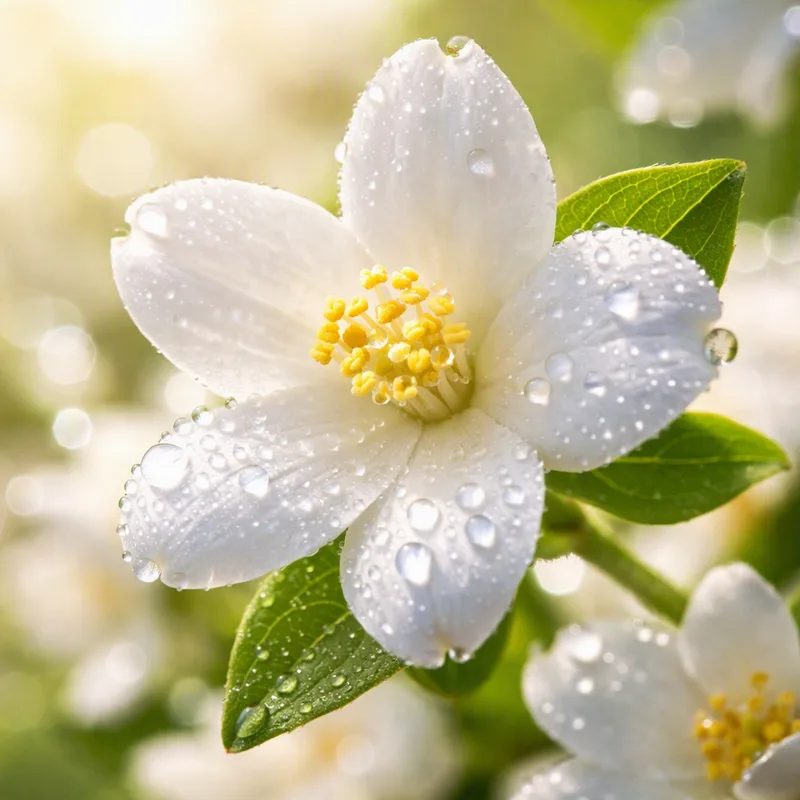
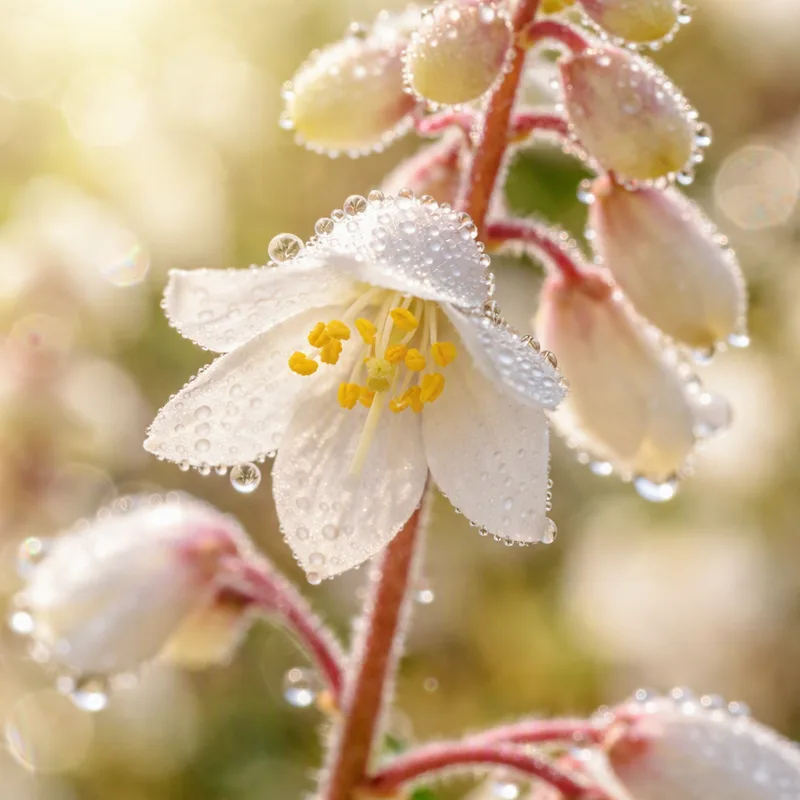
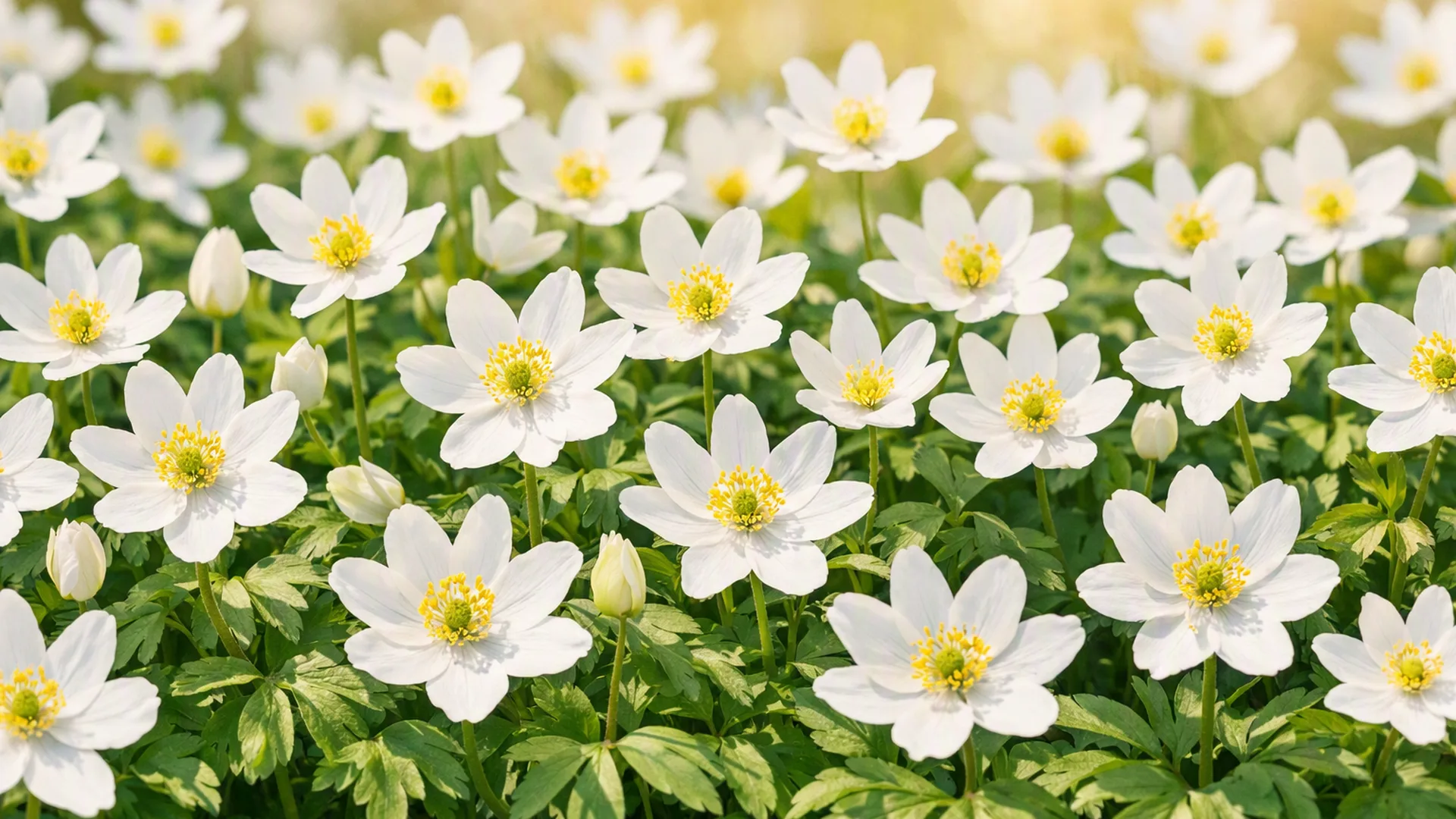
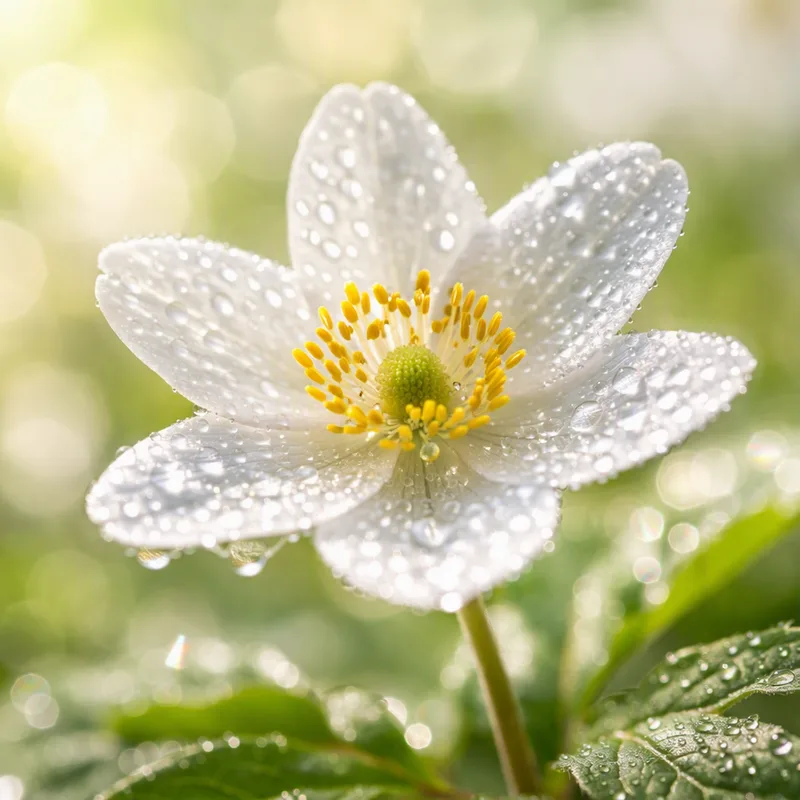
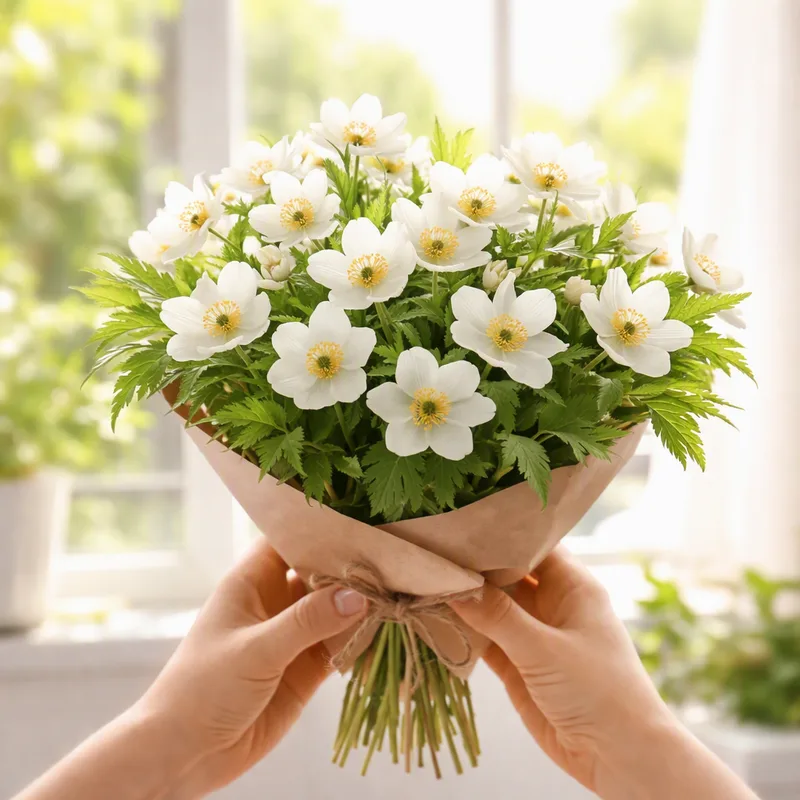
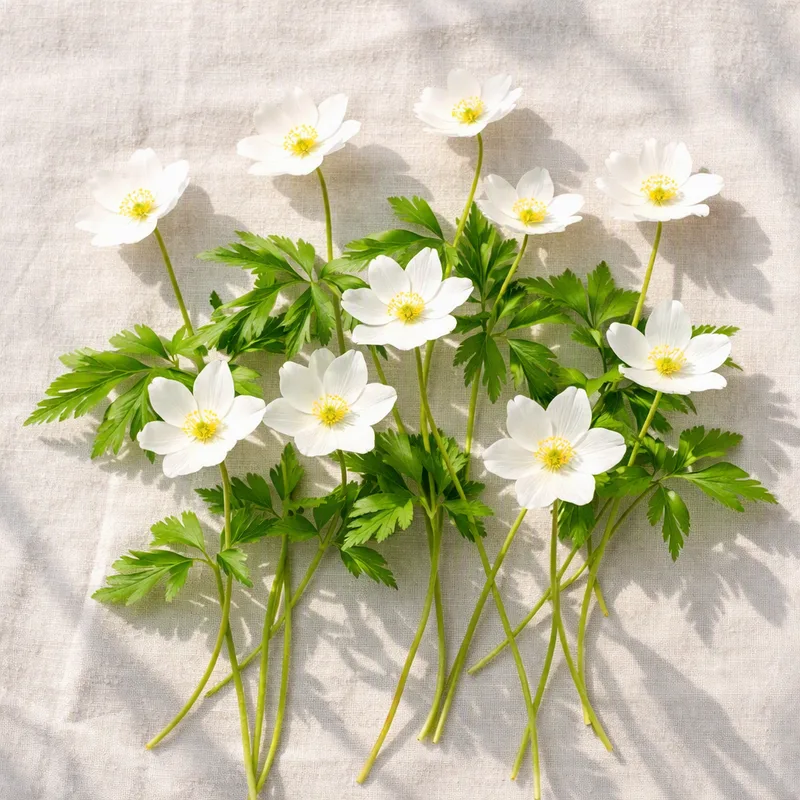
Anemone nemorosa, sometimes placed in Anemonoides, is a low rhizomatous perennial, usually under 30 cm tall. Each flower sits above a whorl of three leaf-like bracts, and has six or seven white petal-like segments, often tinted pink or purple on the back. It spreads slowly underground and dies back by mid summer, then rests until the next growing season. Its native range runs from Europe to western Asia, and it has been introduced to New Zealand.
Australian conditions
This is a cool-climate plant, and it is not a common sight in Australian gardens. It needs a cold winter, leafy soil and shade under deciduous trees. That narrows the realistic choices to places such as Tasmania, the Victorian highlands and cold tableland gardens. Warm coastal cities and the north are too mild, and hot dry summers are likely to defeat it.
- Plant in humus-rich soil under deciduous trees.
- Keep the soil moist from late winter until the foliage dies down.
- Leave it undisturbed so that colonies slowly form.
- Avoid digging up wild plants overseas, and buy from a reputable supplier.
Names that cause confusion
Searchers for the wood anemone flower meaning also meet other anemones. Garden Japanese anemones flower from late summer to autumn on taller stems, and the florist's anemone, Anemone coronaria, is the cut flower sold in autumn and winter. In the language of flowers, anemones are linked with anticipation or fragile hope.
Gloves for the buttercup family
Wood anemone belongs to the buttercup family and is mildly toxic. Wear gloves when handling it. For a person who may have swallowed any, call the Poisons Information Line on 13 11 26. For animals, ring a vet.