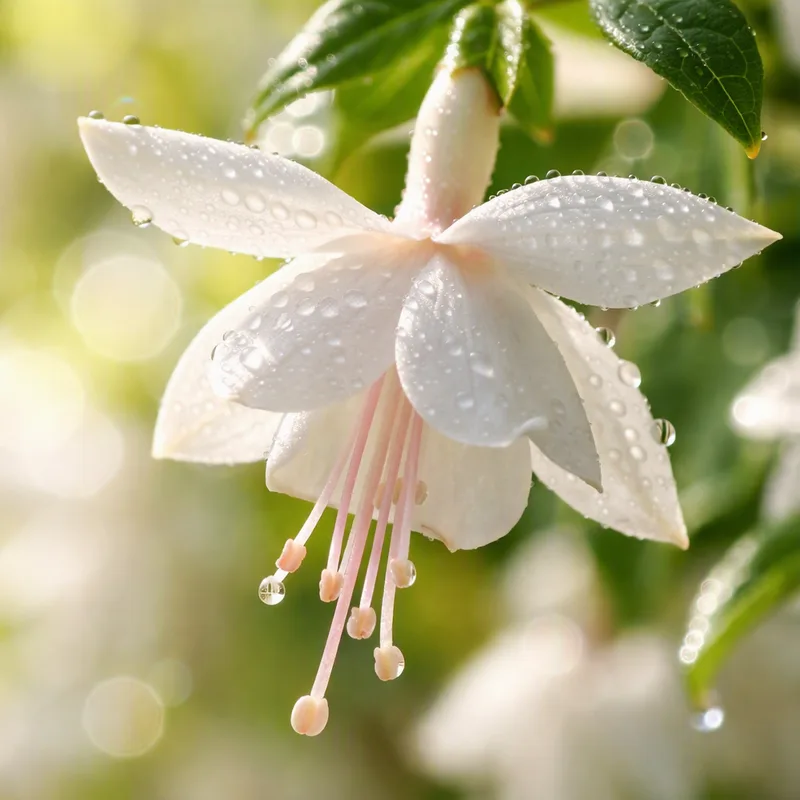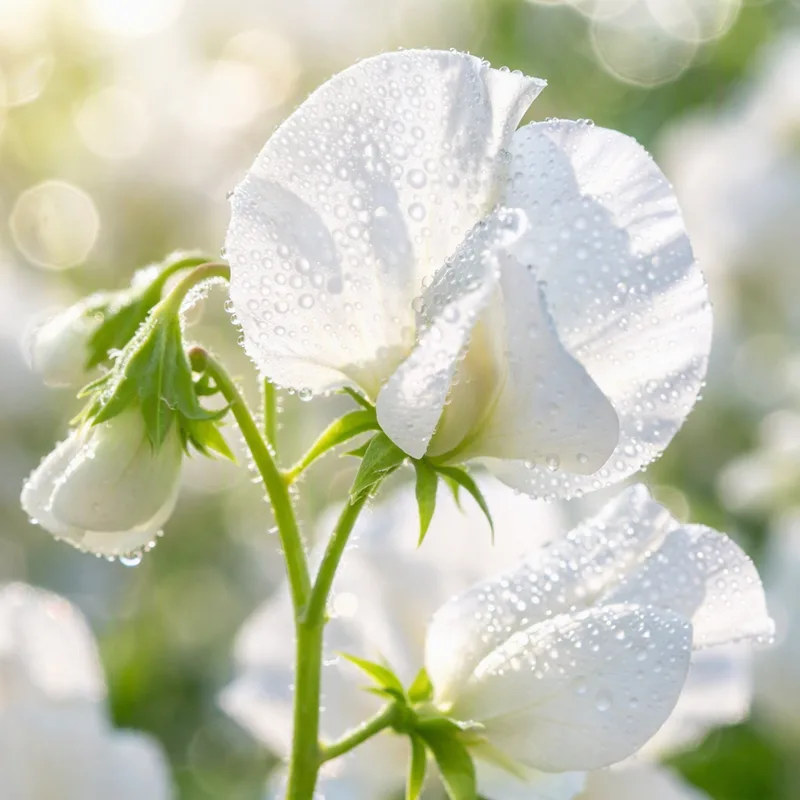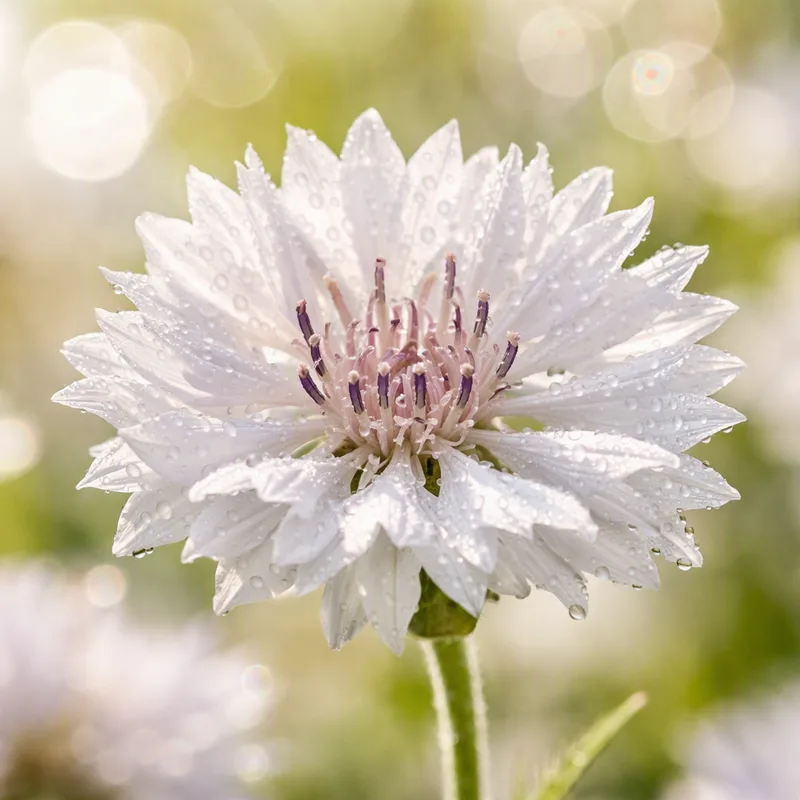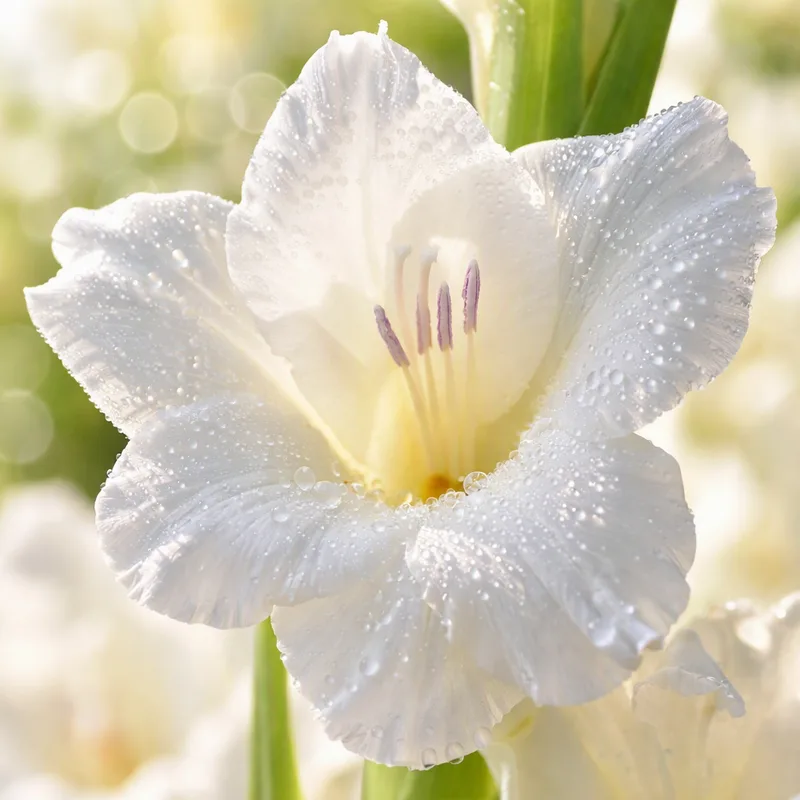

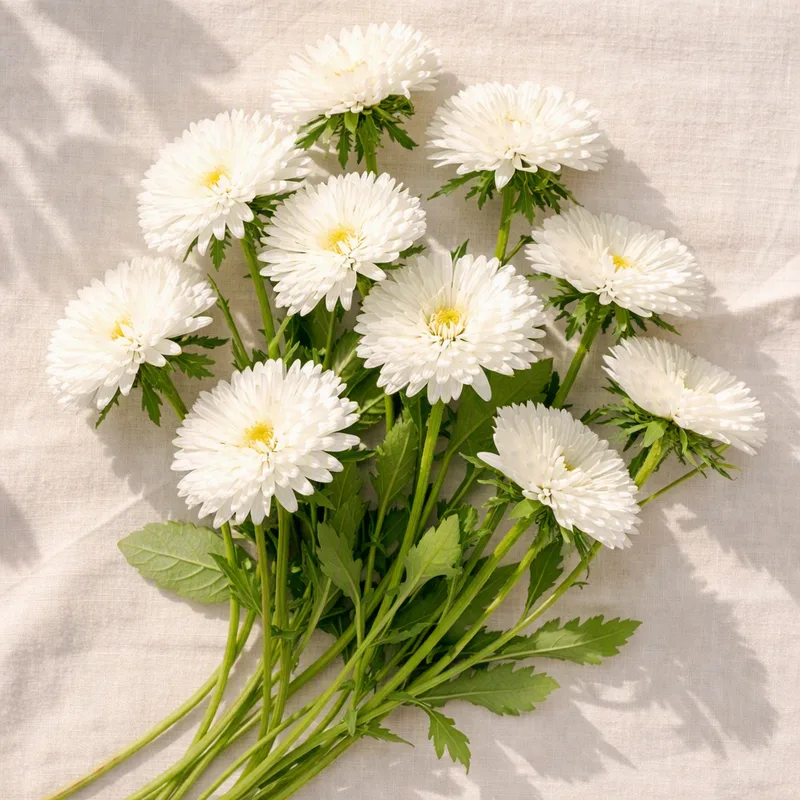
Crisp petals, soft shape
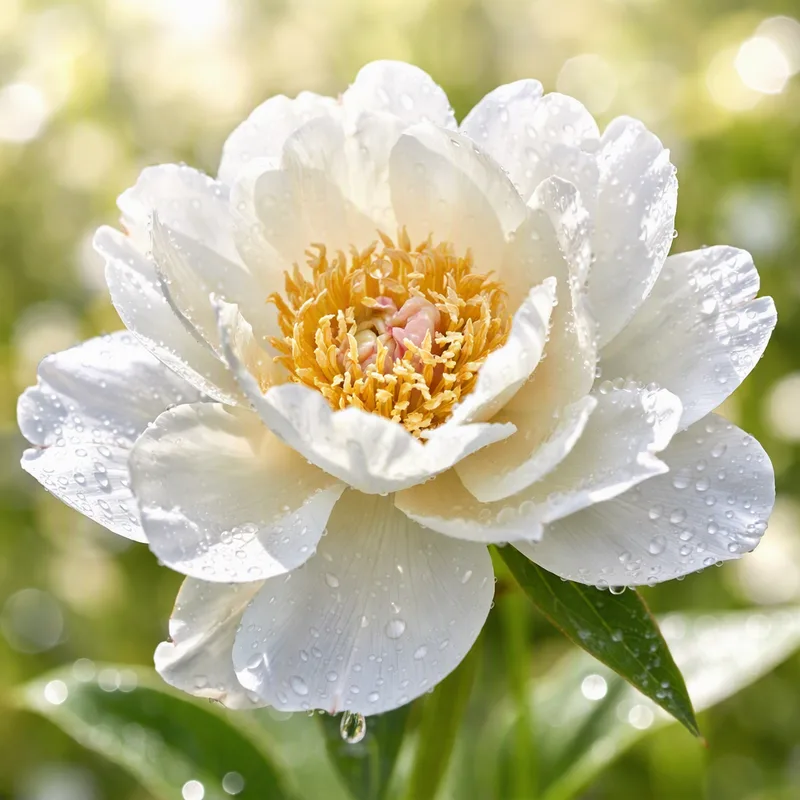
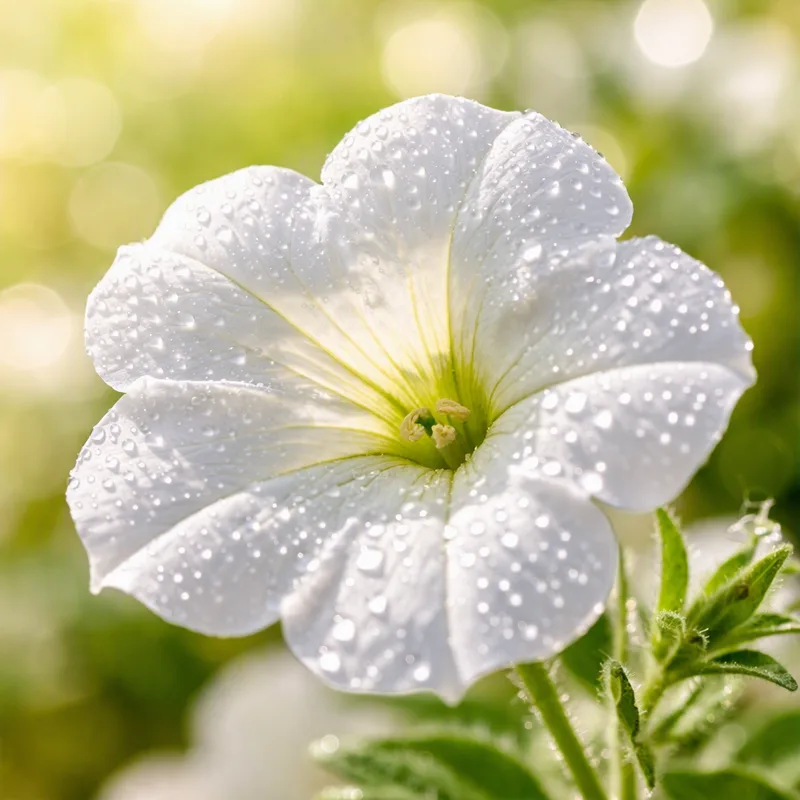
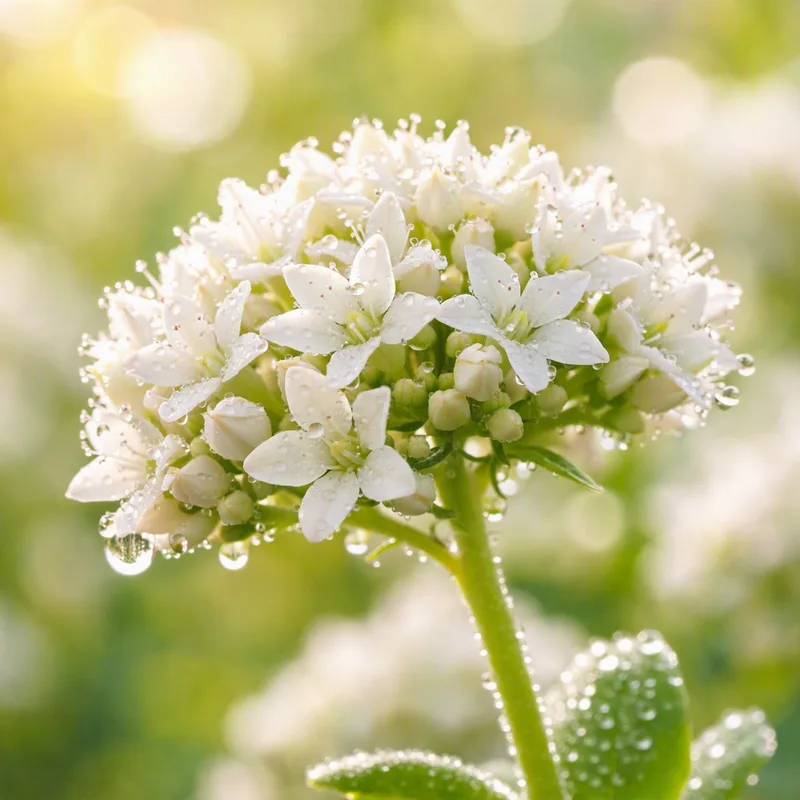
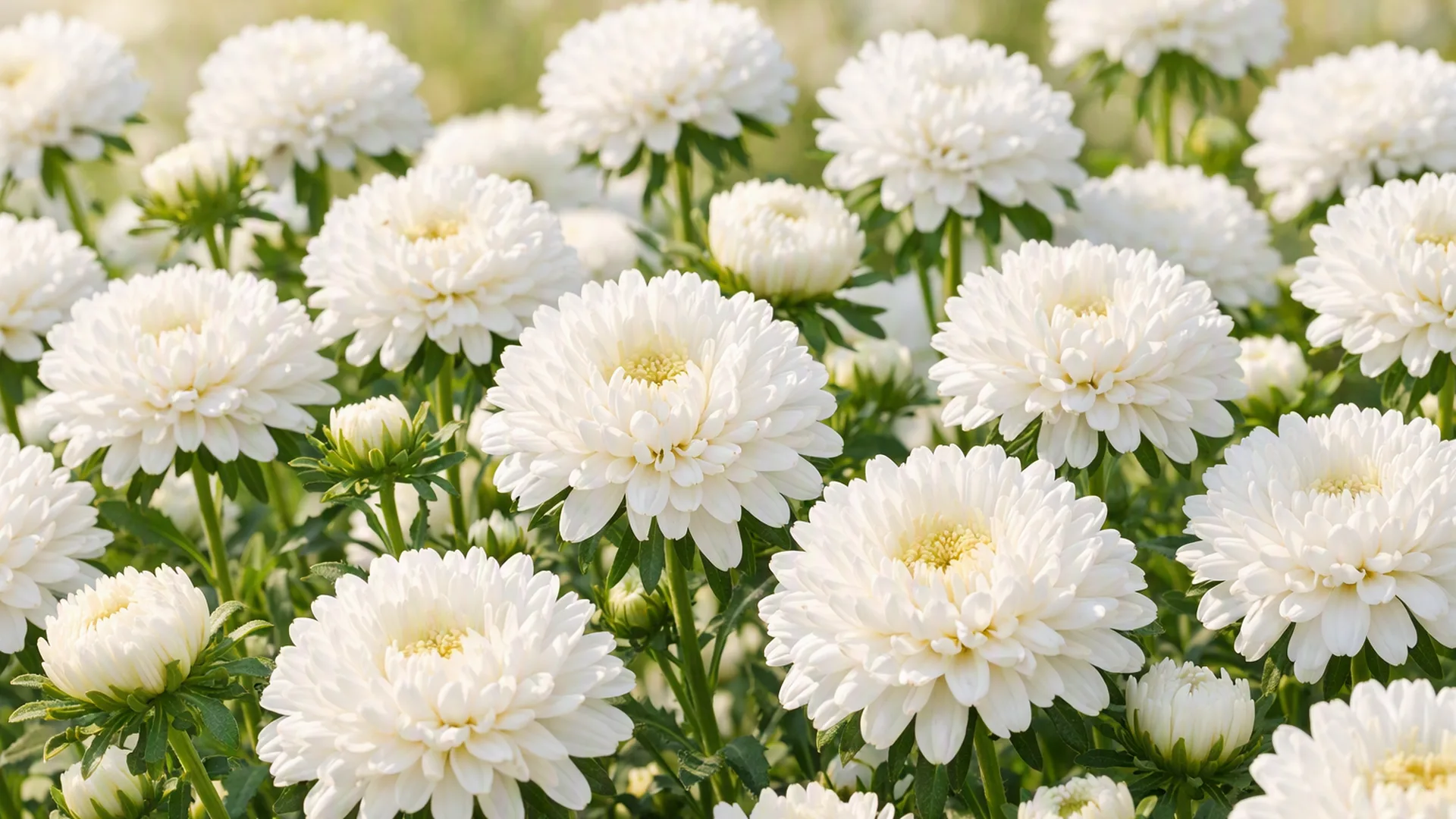
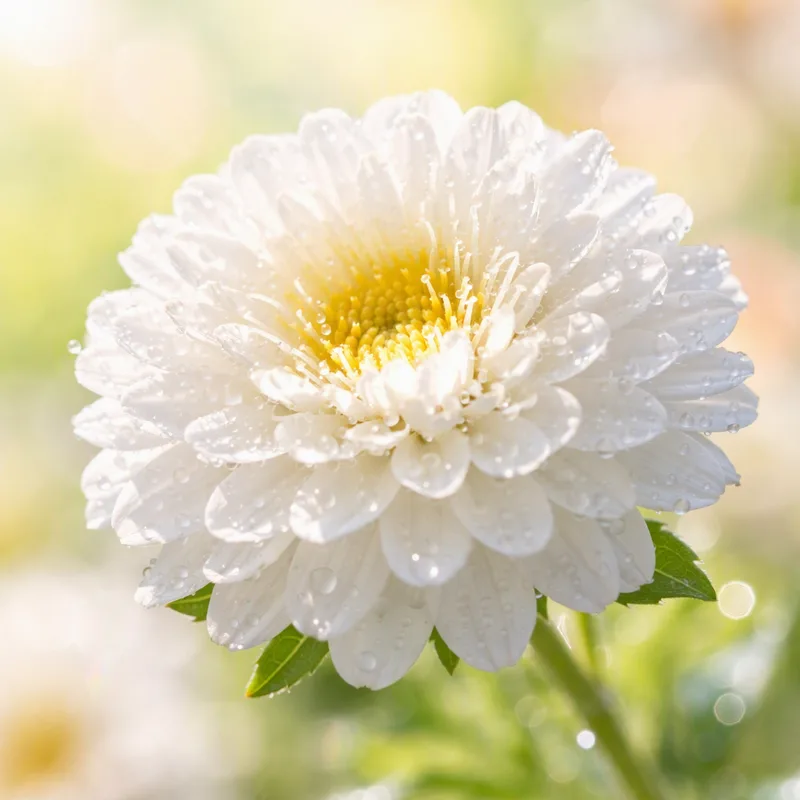
White China asters carry many tightly layered petals, some forms with a slight green or yellow centre. Next to richer colours they look cool and calm, which is welcome in a hot Australian summer. Their growth is upright, so they work well as a filler beside dahlias and zinnias. People searching for plain white aster flowers are usually after this plant, not the small star-shaped perennials that appear in autumn.
What white asters say
Asters are named for the Greek word for star, and traditionally the flower has been linked with patience and love. White tends to be read as purity, so white asters sometimes appear in wedding work and in tributes.
Growing white asters well
White types are a little more prone to showing weather damage, so a sheltered spot helps.
- Sow in spring and plant out after the last frost.
- Give them morning sun and shelter from strong wind.
- Water at soil level, not over the flowers, since wet blooms brown at the edges.
- Rotate beds each year to avoid wilt diseases.
In Melbourne, Hobart and Canberra, they flower from January to March. In Brisbane and Perth they start earlier and can finish in the heat unless watered. In the tropics they are best grown in the drier months.
Keeping white stems clean
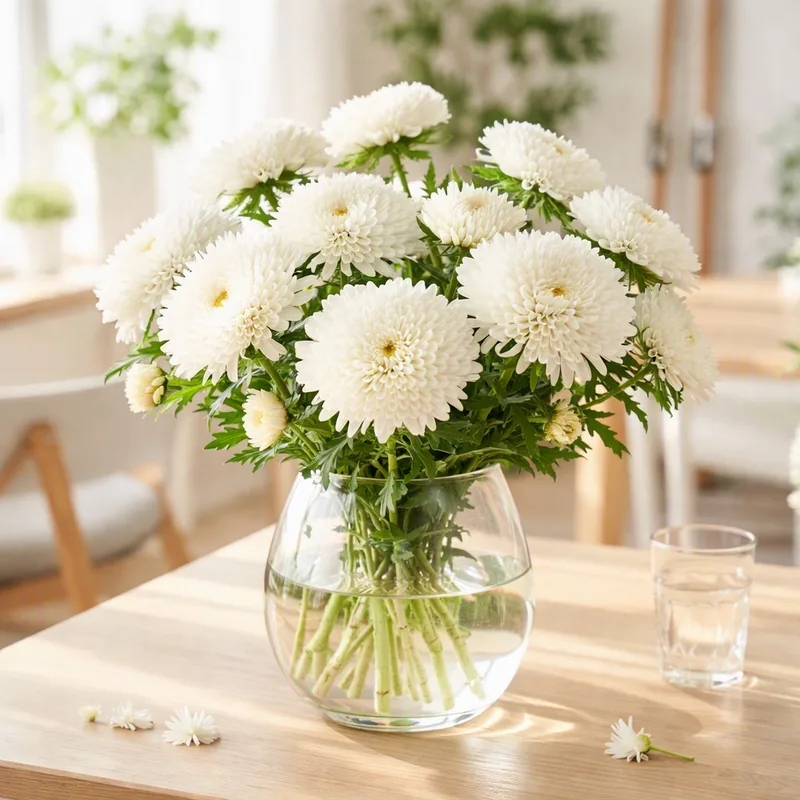
Cut when the flowers are about half open, strip leaves below the waterline and change the water every few days. White asters last 7 to 10 days.
Animals and white asters
According to the ASPCA, aster is non-toxic to dogs, cats and horses.