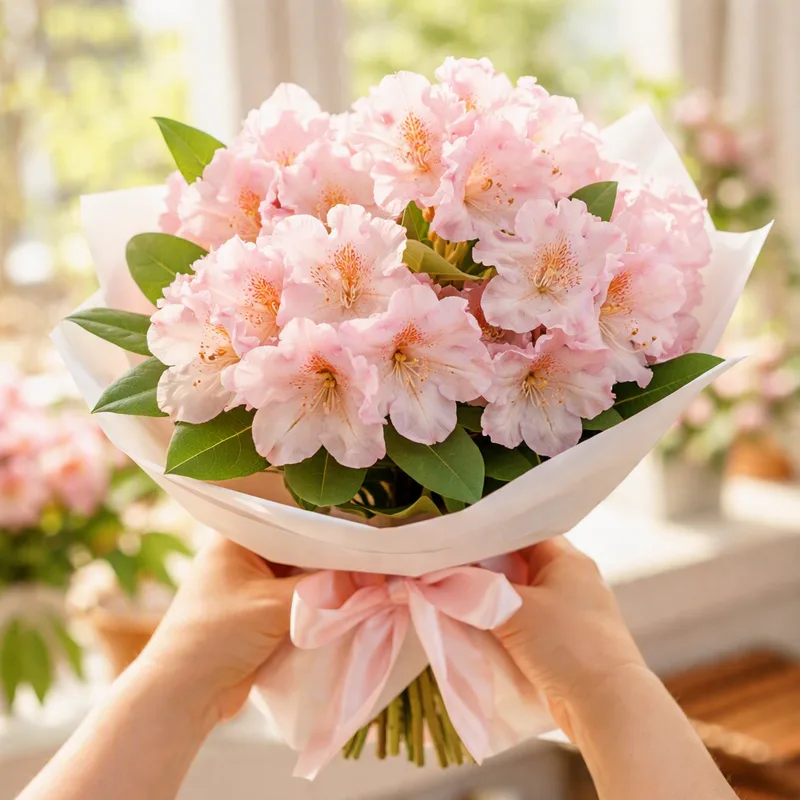
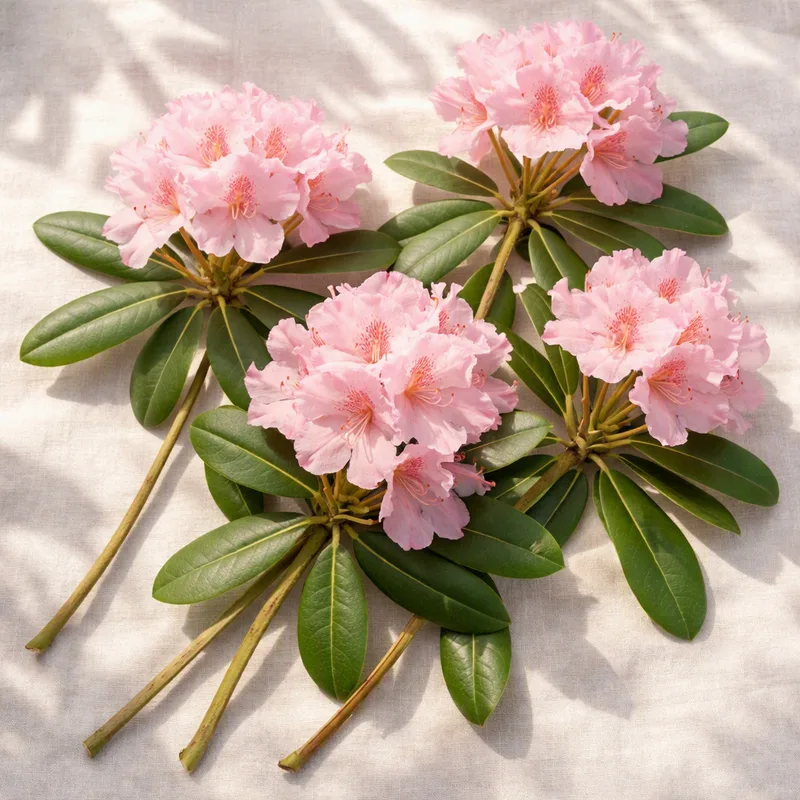
No one pink species
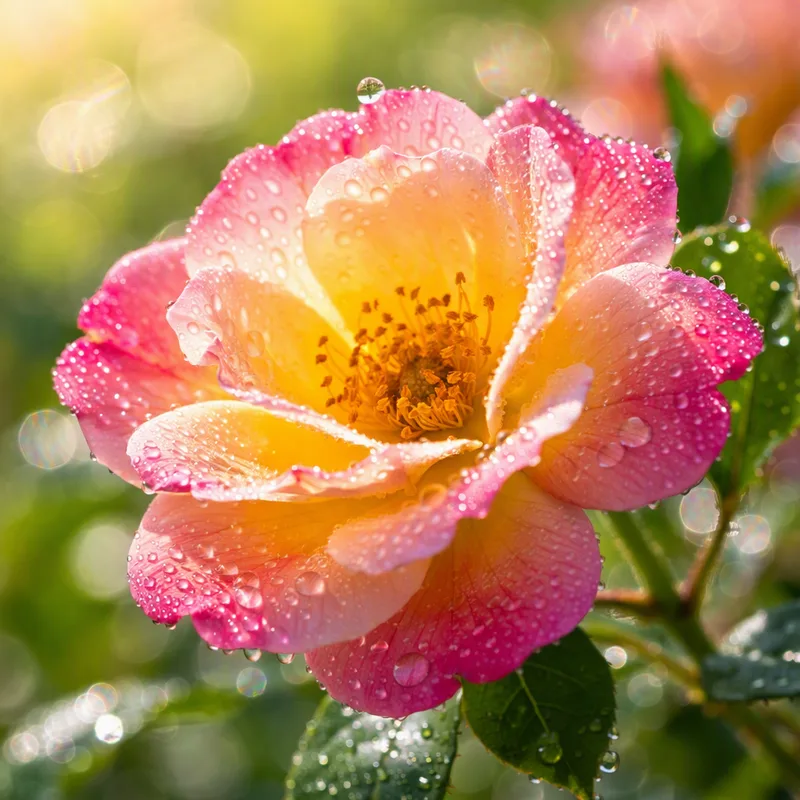
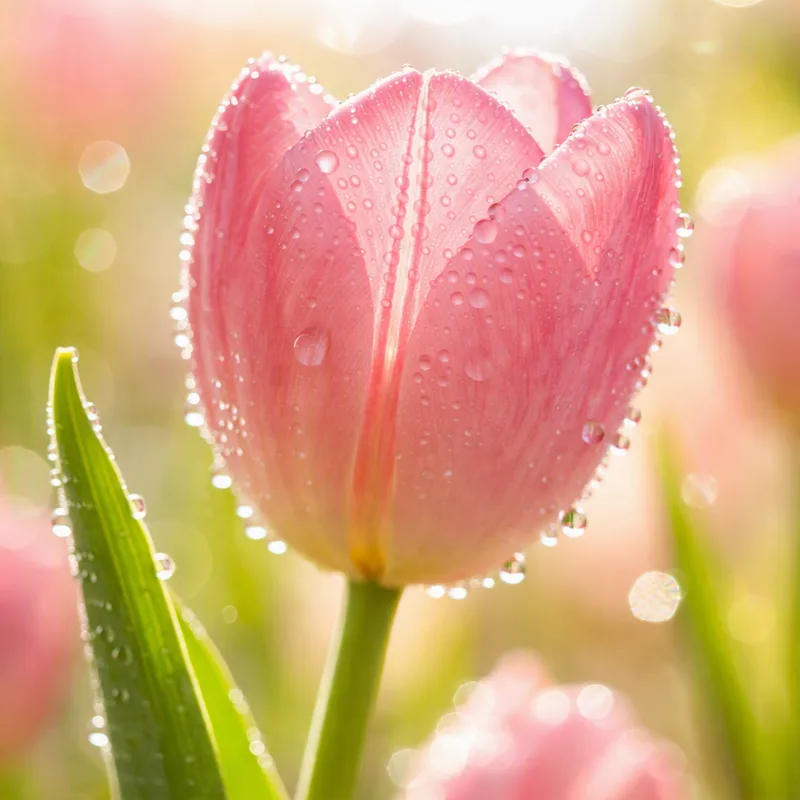
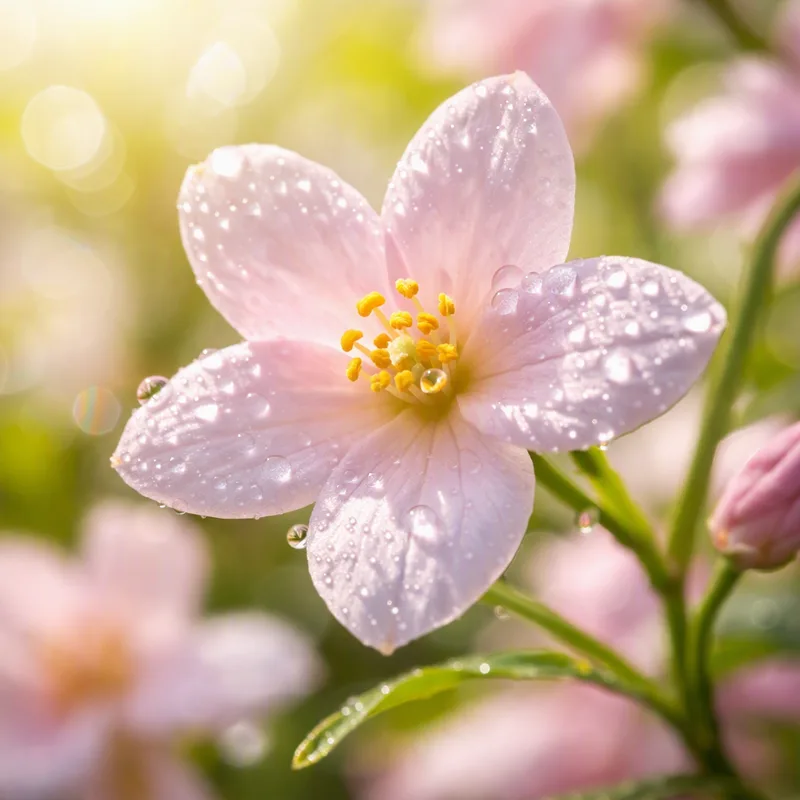
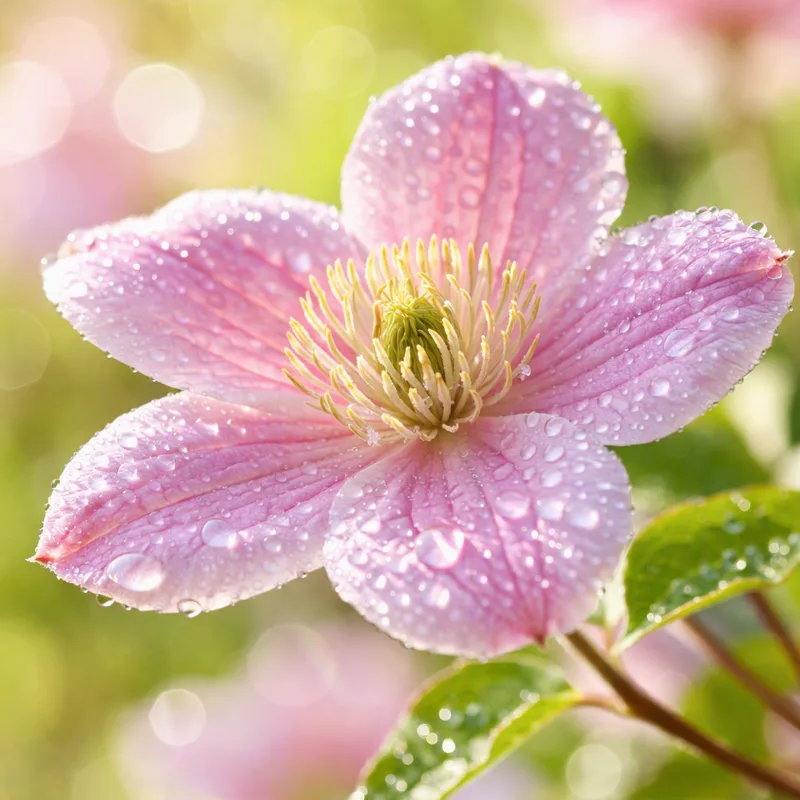
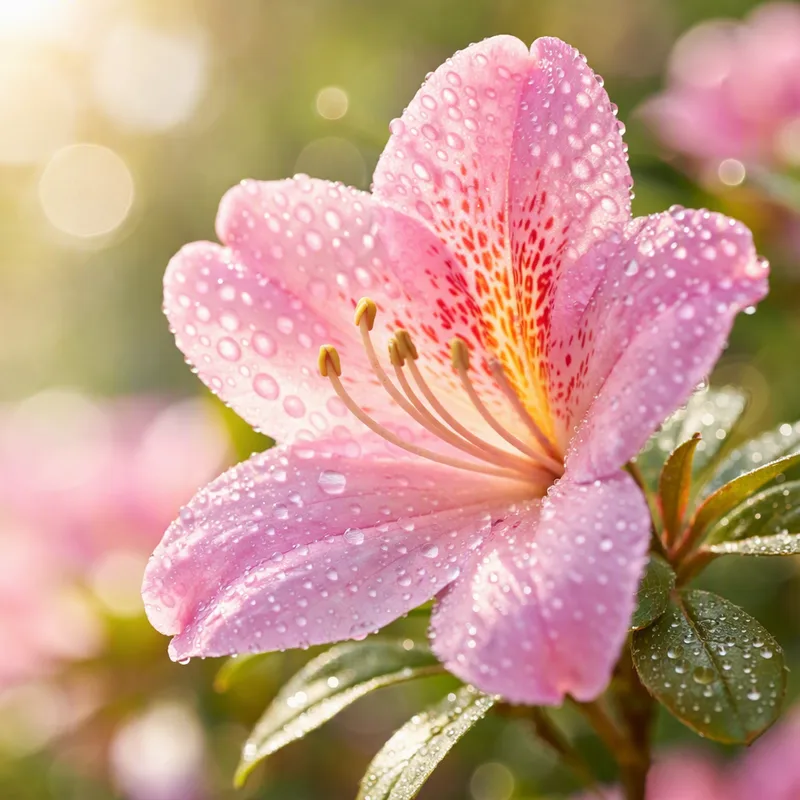
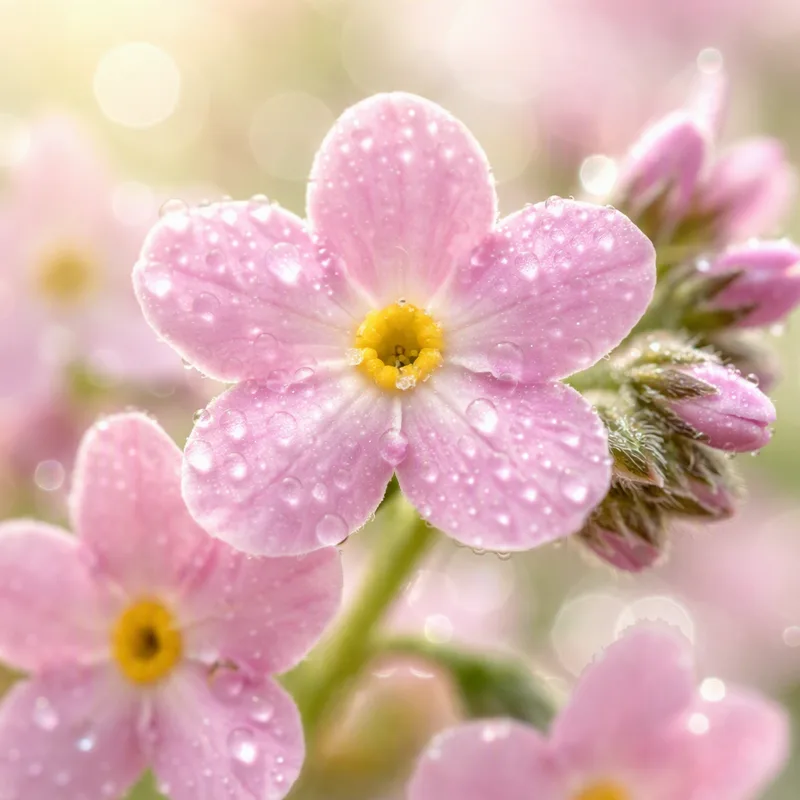
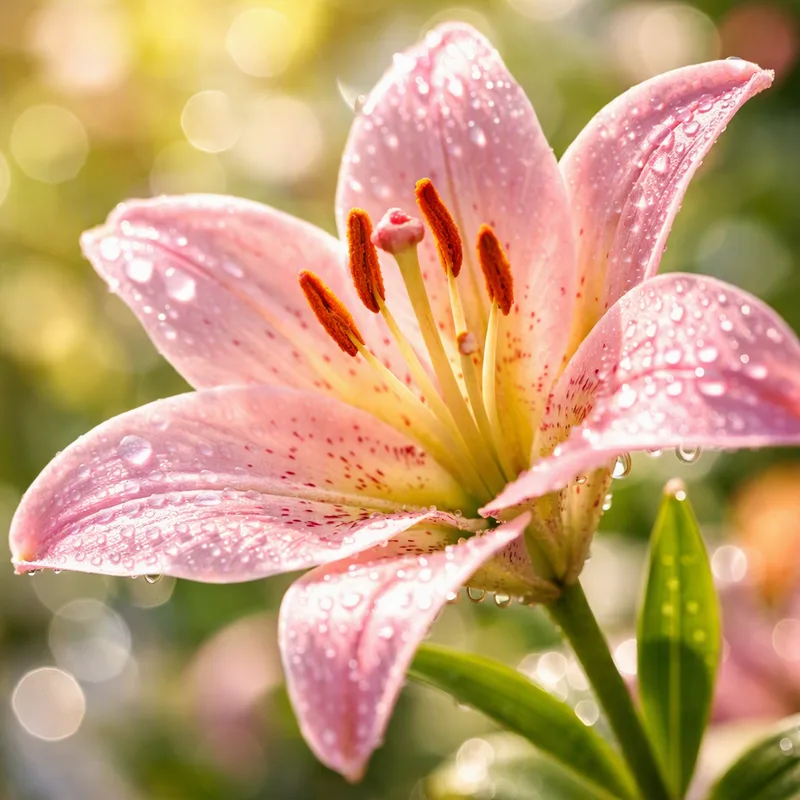
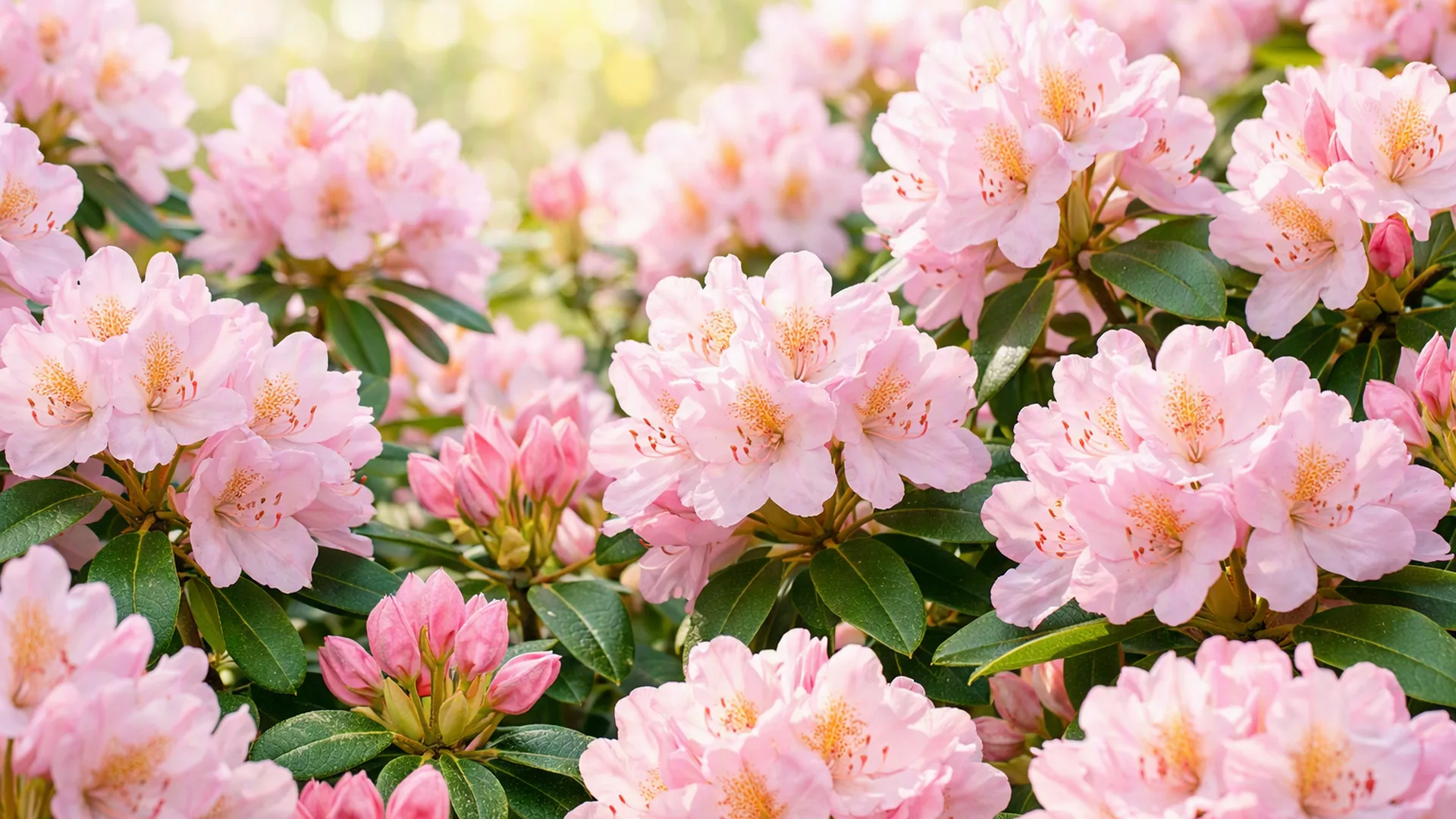
When someone asks for the scientific name of a pink rhododendron the answer is Rhododendron, followed by a cultivar name. Pink flowers occur in many species and in thousands of hybrids, so there is no single "pink rhododendron" species. Pale pink, light pink and blush forms are all hybrid selections bred for colour and hardiness.
Colour that changes
Many pinks fade as flowers age, shifting from rose in bud to nearly white when fully open. Shade holds the colour longer than sun. Cool weather also deepens it, so a chilly spring can give richer pinks.
Garden planning
- Use pale pink beside white and silvery foliage.
- Use deep pink with dark green and blue.
- Avoid planting beside orange or salmon varieties, which clash.
- Combine with ferns and hellebores for a woodland feel.
Flowering is from September to November in Australia. Plants like the cool, moist conditions of the Dandenongs, the Southern Highlands and Tasmania, and acidic soil.
Mulch each year, water deeply in dry weather, and snap off spent trusses to prevent seed formation. A little fertiliser after bloom suffices.
Warning for pet owners
All rhododendrons are listed by the ASPCA as toxic to dogs, cats and horses because of grayanotoxin. Reported signs include vomiting, drooling, weakness and in the worst cases coma and collapse. Fence the plant off if you keep grazing animals, and call a vet urgently if a few leaves are eaten.
Azalea relatives
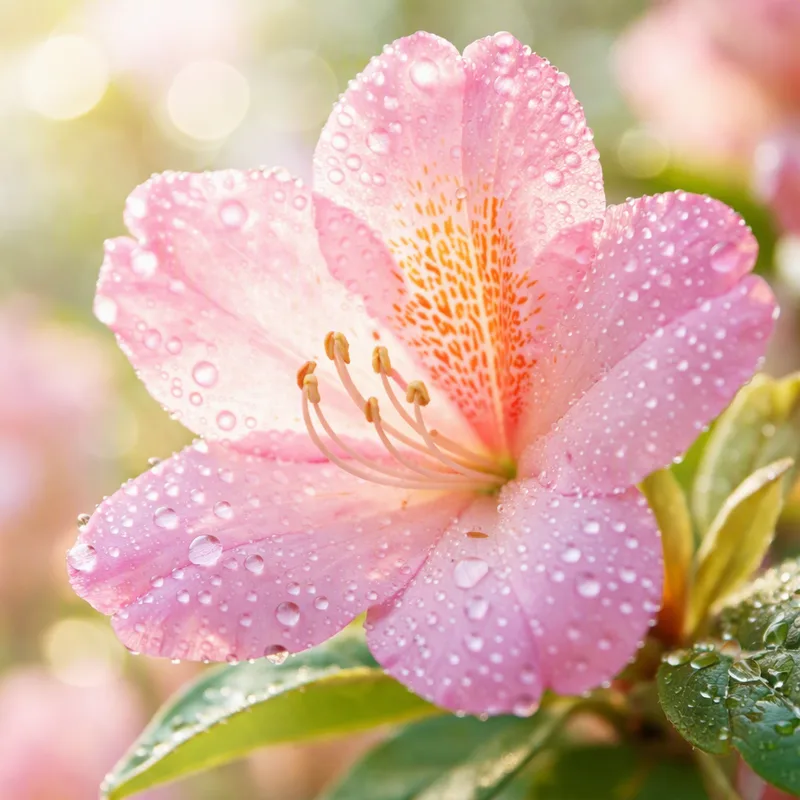
Azaleas are pink rhododendrons in a smaller, often deciduous or twiggy form, and the toxicity listing applies to them as well.