Why it is called pink jasmine
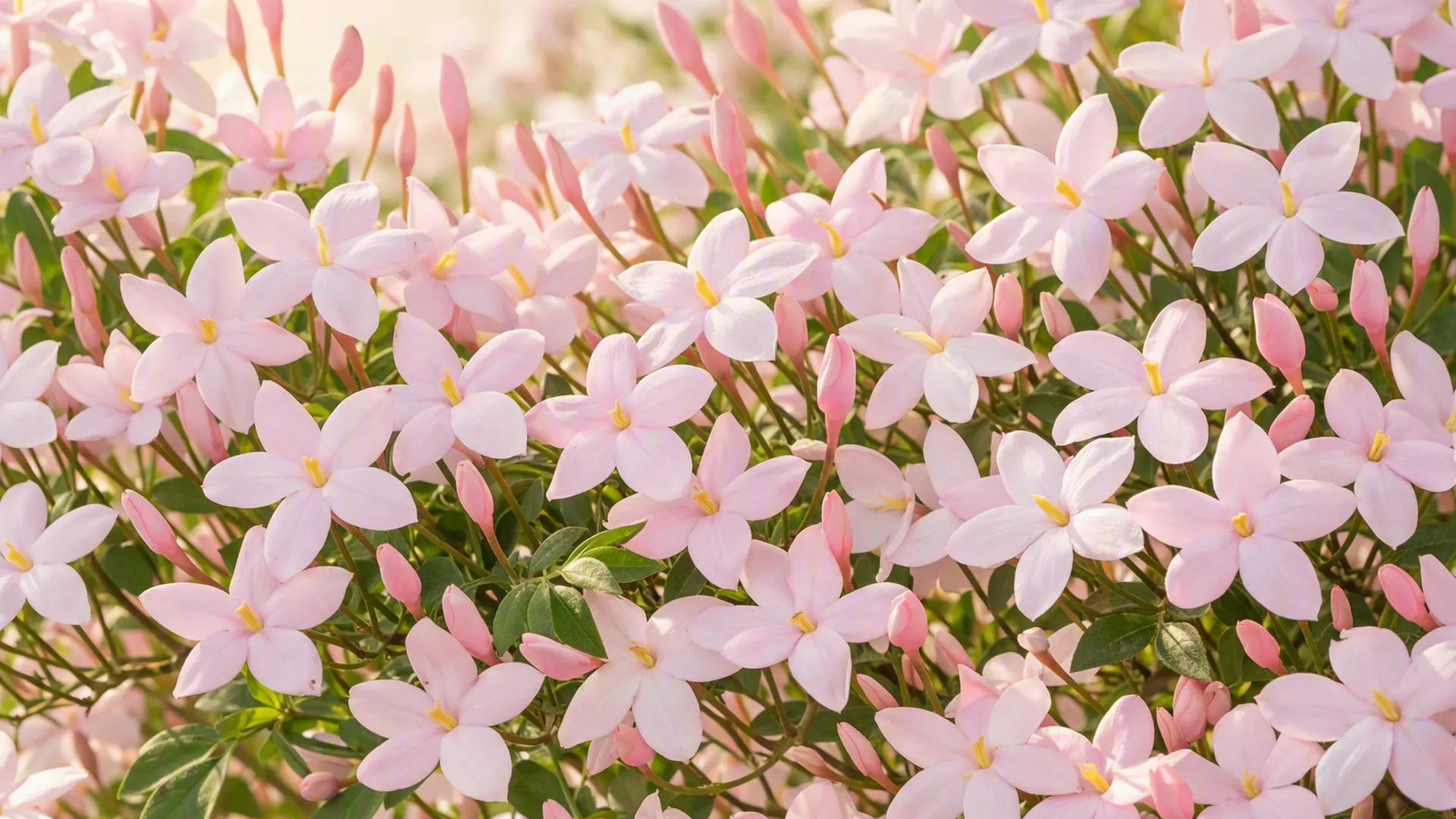
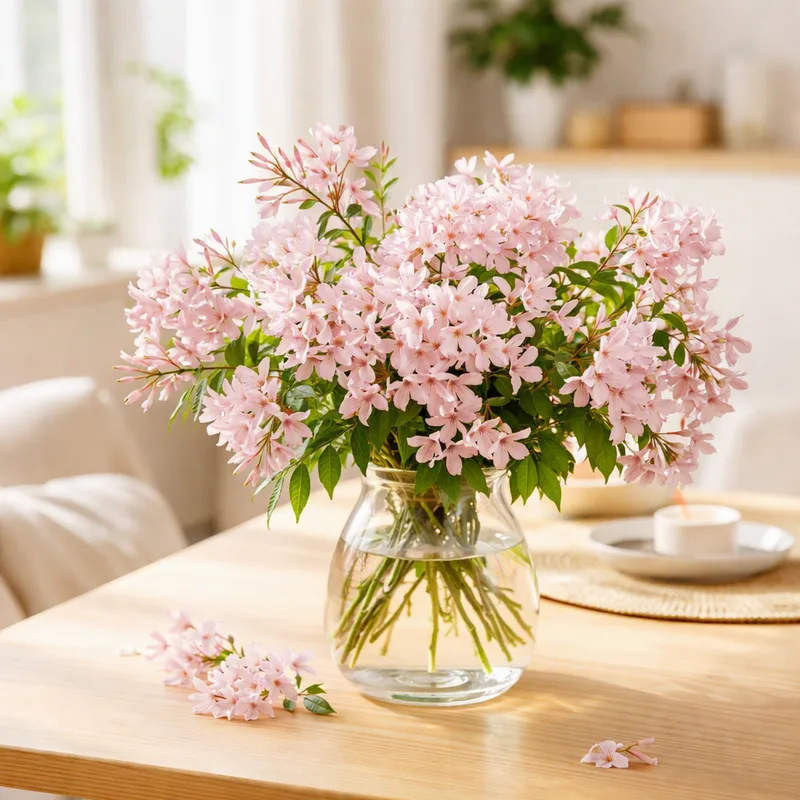
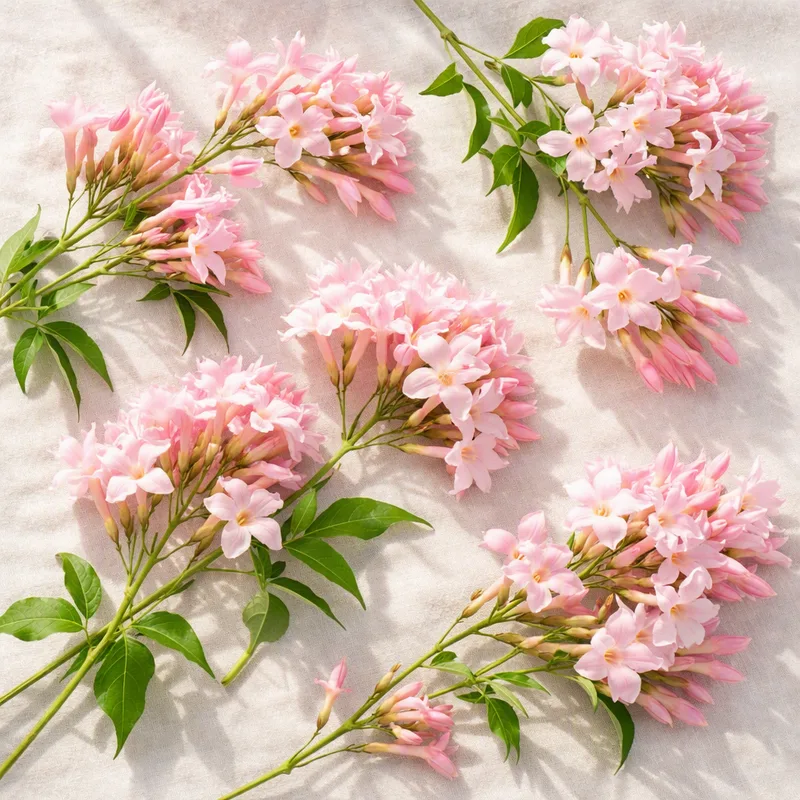
Pink jasmine is Jasminum polyanthum. Its tight clusters of buds are pink on the outside, and they open to white stars that smell sweet and strong. The species grows wild in the mountains of south-western China and Myanmar at elevations between about 1,400 and 3,000 metres, which explains its liking for cool winters.
In southern Australia it flowers from late winter into spring, usually August to October, and the scent carries across a whole yard. In warm areas such as Brisbane the flush may come a little earlier. The leaves are evergreen, so the vine gives cover all year.
Growing pink jasmine the Australian way
- Choose sun or part shade and a strong support.
- Prune lightly through the season and hard once flowering is over.
- Feed with a general fertiliser in spring.
- Pots need regular summer watering and a trellis ring.
Pink jasmine is naturalised in Australia and listed as an invasive species in several places. The stems root wherever they touch the ground and pieces from pruning can start new plants. Bag clippings, never dump them over the fence, and use a clumping shrub or non-invasive climber if you live next to a reserve.
Pet safety around pink jasmine
Jasmine is generally considered non-toxic to cats and dogs. As with any plant, a vet is the right contact if a pet has eaten a lot of it.
Gifts
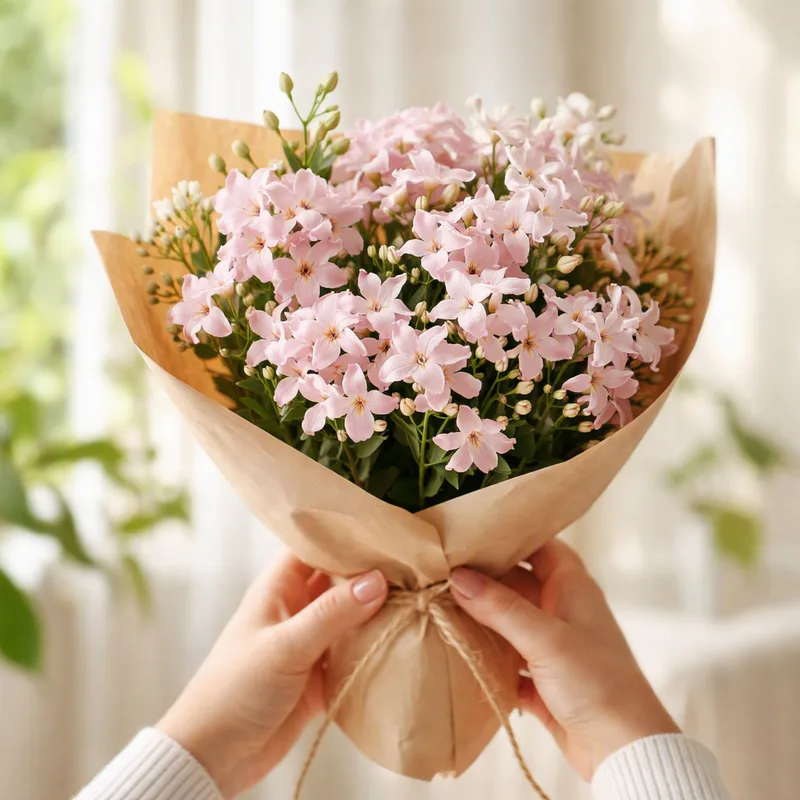
A pot of pink jasmine in bud makes a pretty gift in July or August. It will want a bright spot, cool air and a bigger pot once the vines begin to twine.