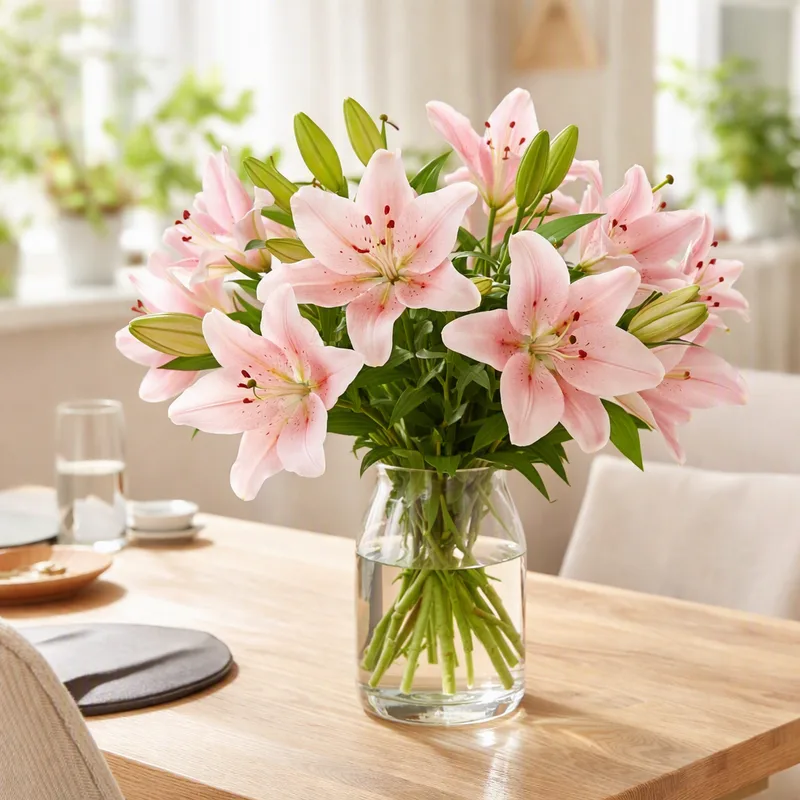
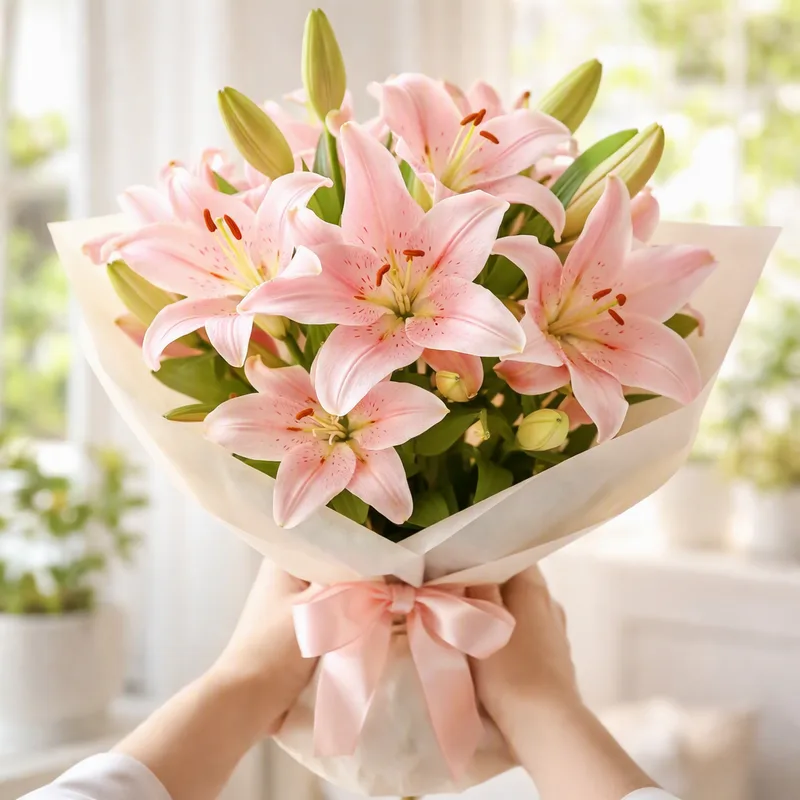
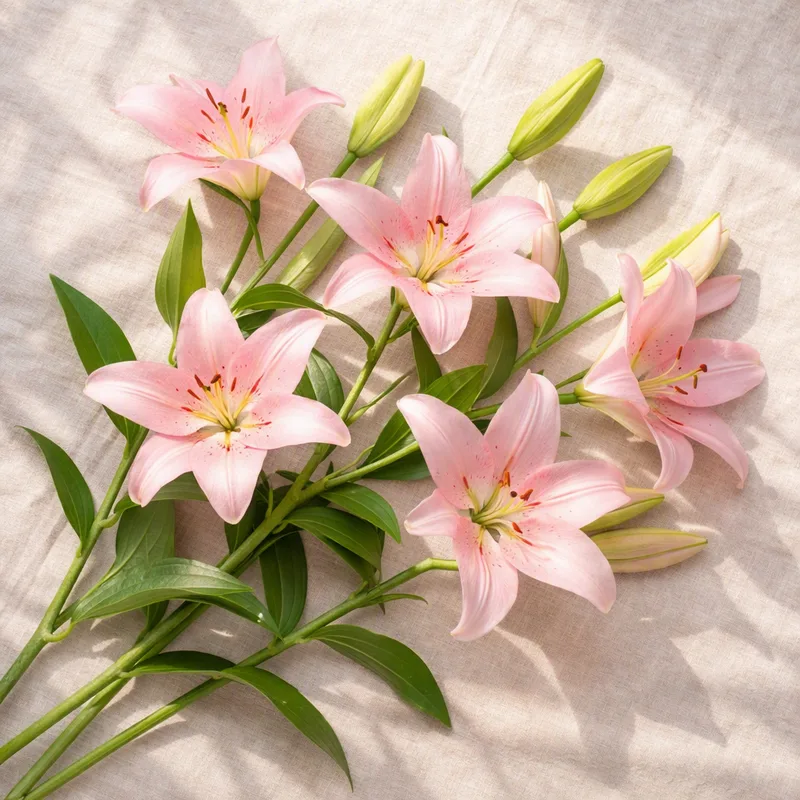
Pink lily shades, pale to hot
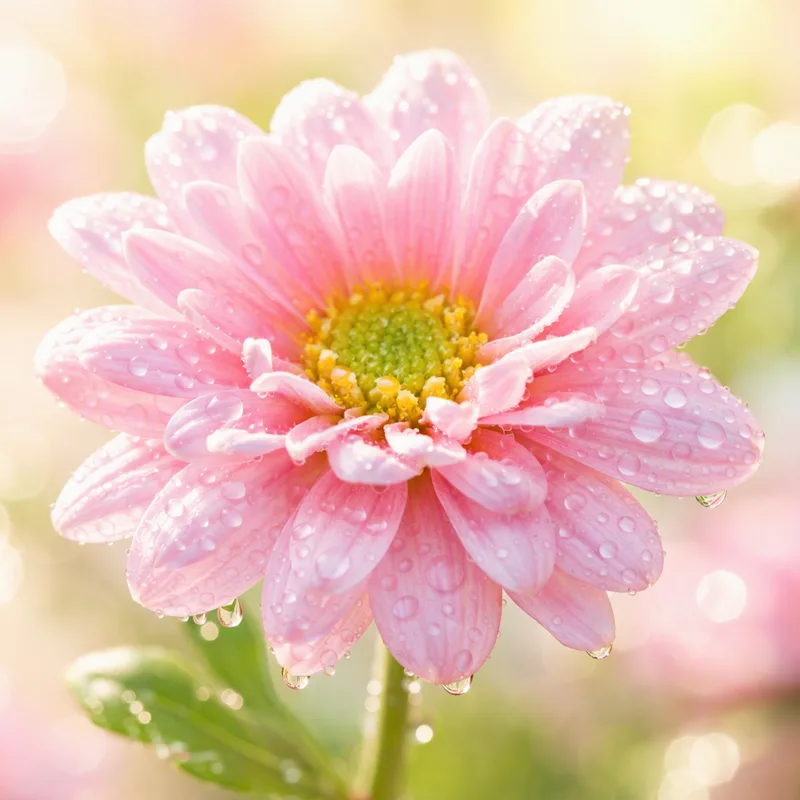
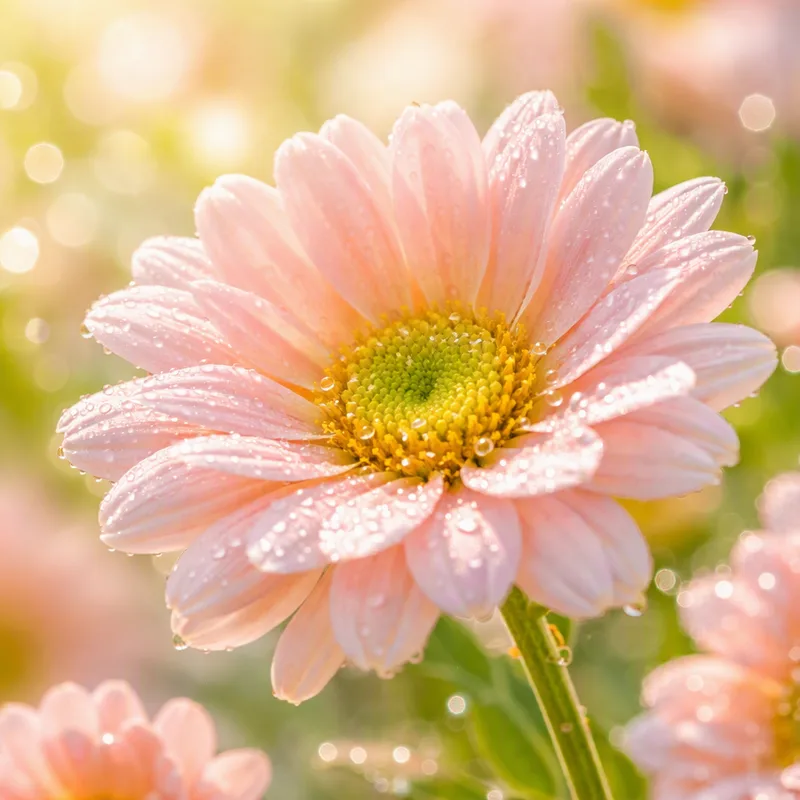
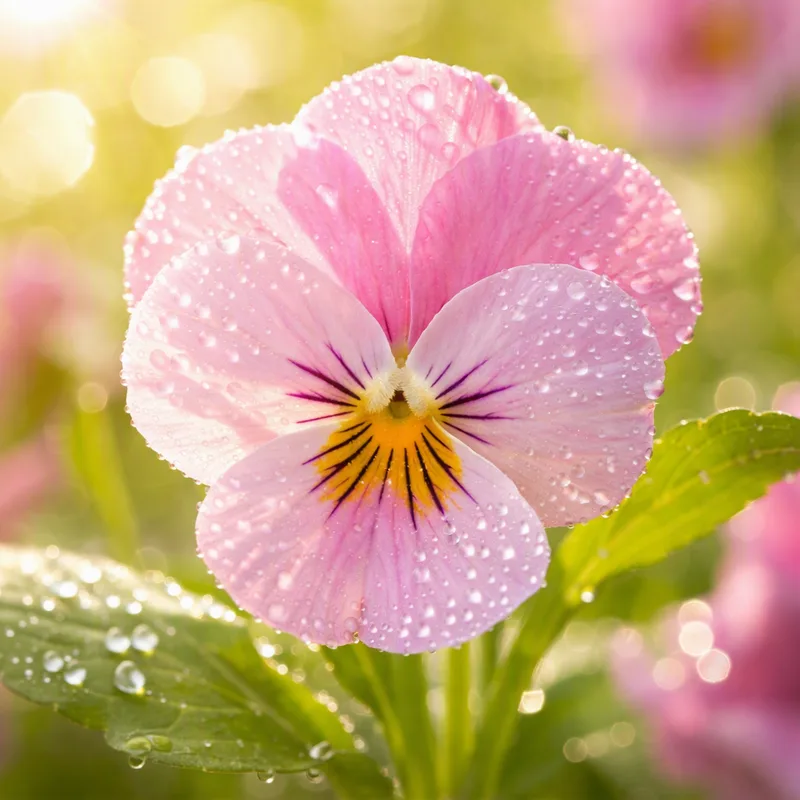
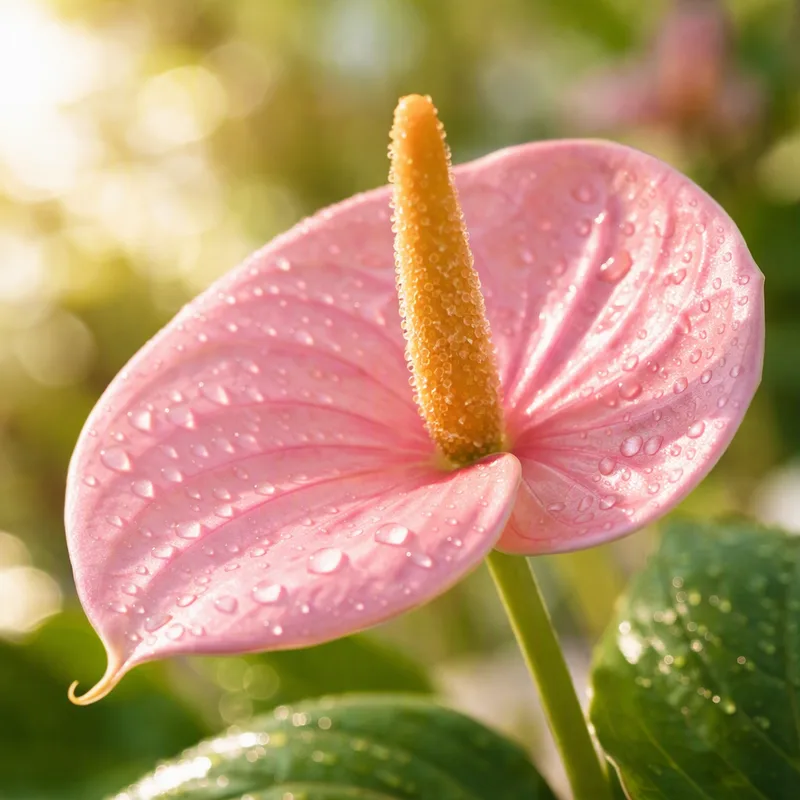
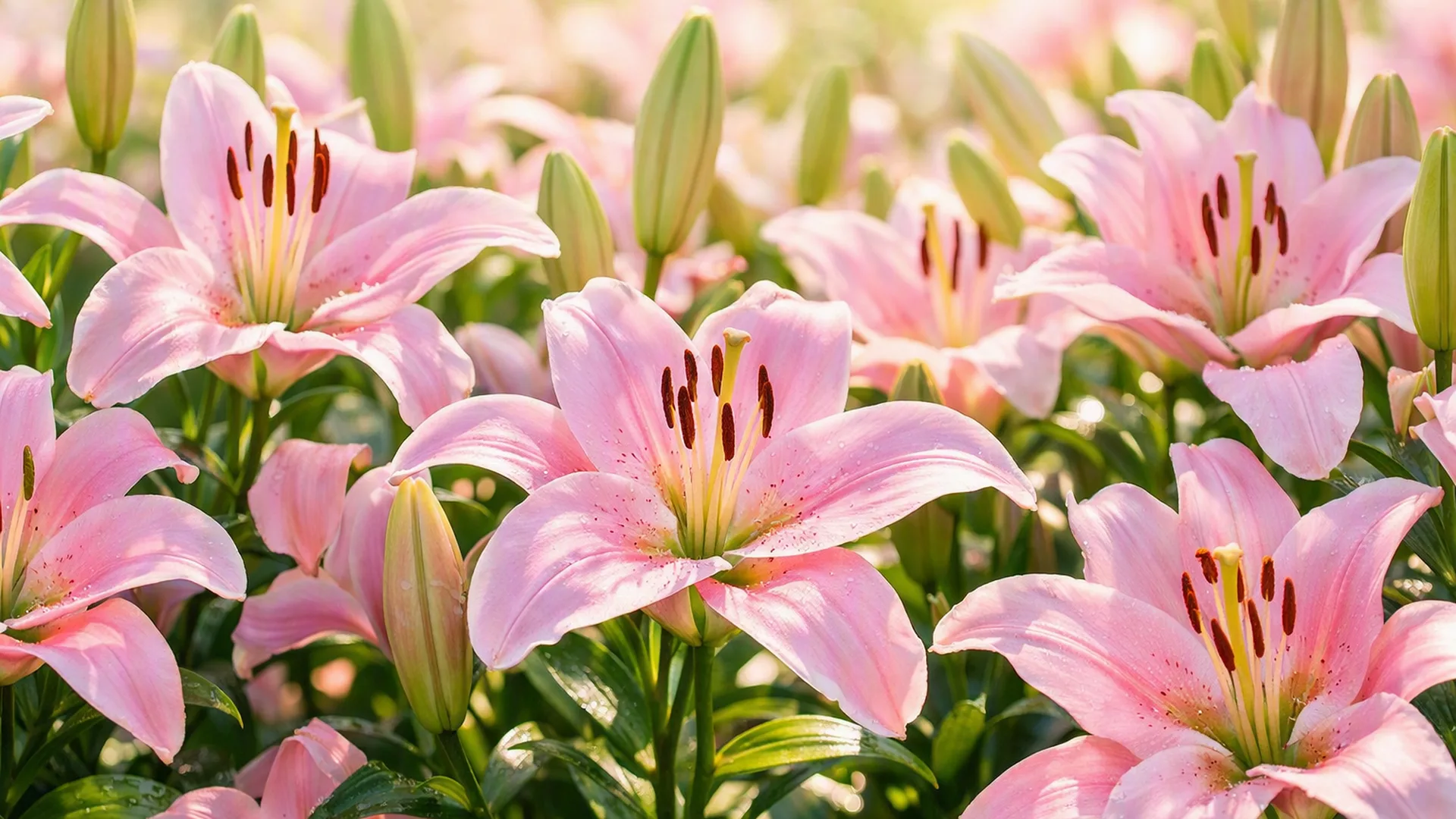
Pink lilies are mostly Oriental hybrids, the group that gave us the famous deep pink 'Stargazer', whose petals have a pale rim and dark spots. Lighter pink forms, including soft and pale tones, also exist among Asiatic hybrids, though these tend to have little scent. Because the range is so wide, "light pink lily" can mean anything from almost white to rosy pastel.
What pink lilies traditionally say
Pink lilies are traditionally linked to admiration, femininity and grace. In the language of flowers they suit birthdays and thank-you gifts, and they fit well with a Mother's Day bunch in May alongside the traditional chrysanthemums.
Growing pink lilies the Australian way
- Plant bulbs in autumn or winter, in rich but free-draining soil.
- Oriental types like acidic to neutral soil and dislike heavy lime.
- Pots are a good option if your garden soil is clay.
- Shade the roots with low plants or mulch, with the flowers in sun.
Flowering falls in summer, roughly December to February. In the subtropics the bulbs often give one good season and then weaken, whereas in Tasmania or Canberra they can return for years.
Strong scent, serious risk
Oriental pinks are heavily perfumed, which can be too much in a small room. They are also a risk for cats: the ASPCA lists Lilium as toxic to cats and names kidney failure. Dogs and horses are listed non-toxic, but the safest plan is to keep a vase of pink lilies away from every pet.
Keeping pink lilies fresh indoors
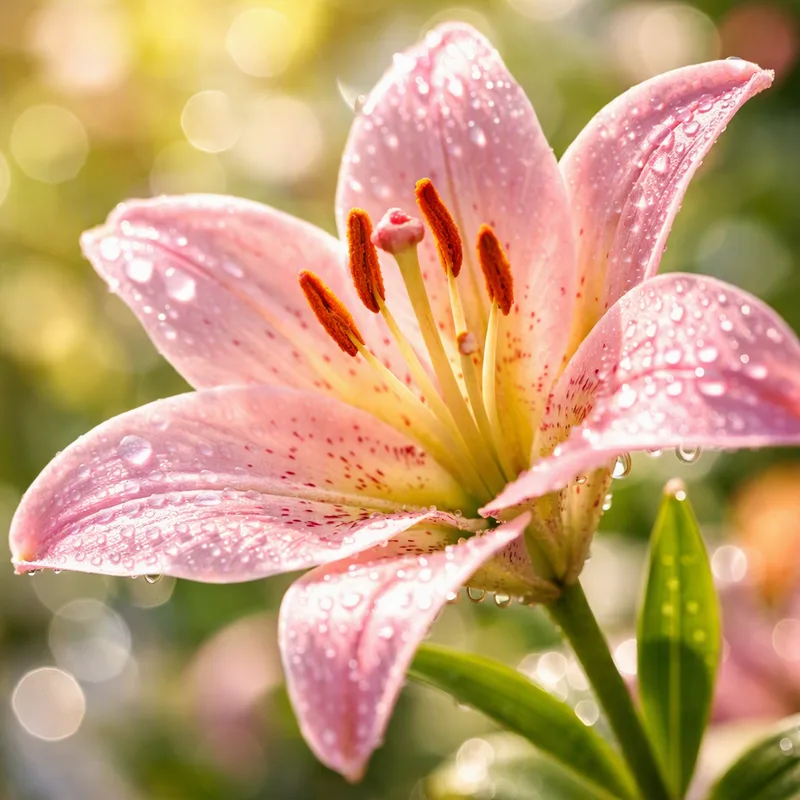
Pink pollen stains fabric and skin badly. Remove the anthers with a tissue when each flower opens.