A bulb that wants a cold snap
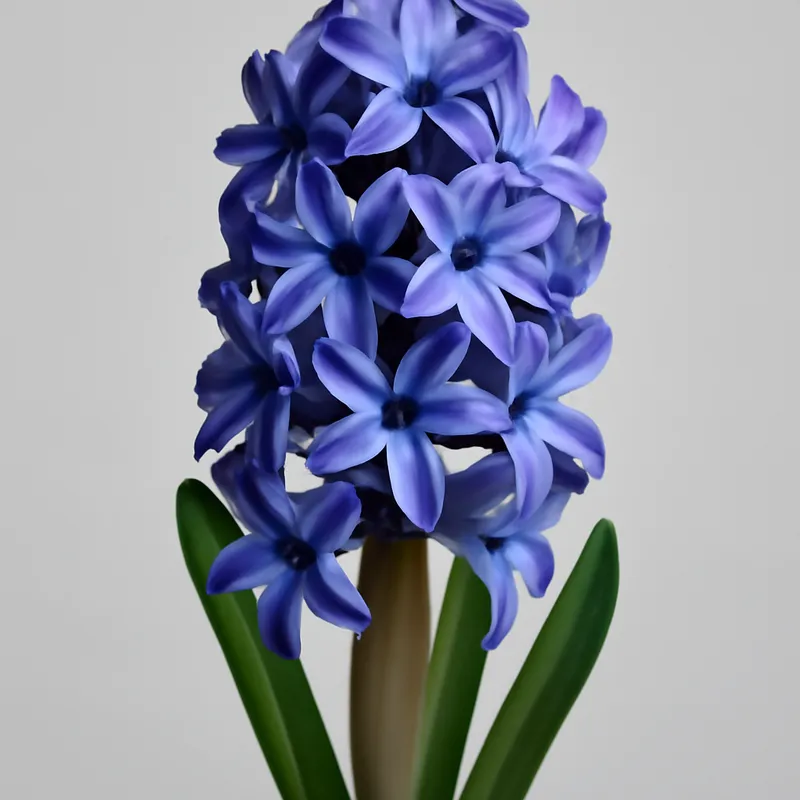
Hyacinthus orientalis is wild in the hills of southern Turkey, Syria, Lebanon and northern Israel, where winters are cool and summers are dry. That rhythm explains what it asks of an Australian gardener: some weeks of cold before it will flower. In Melbourne, Canberra, Hobart and the highlands, bulbs planted in autumn get that chill from the soil. In Sydney, Brisbane and Perth, most winters are too mild, so bulbs are normally chilled in the fridge crisper for six to eight weeks first. Keep them away from apples and pears, because the ethylene gas those fruits give off can damage the flower bud inside the bulb.
Planting, flowering and what to expect
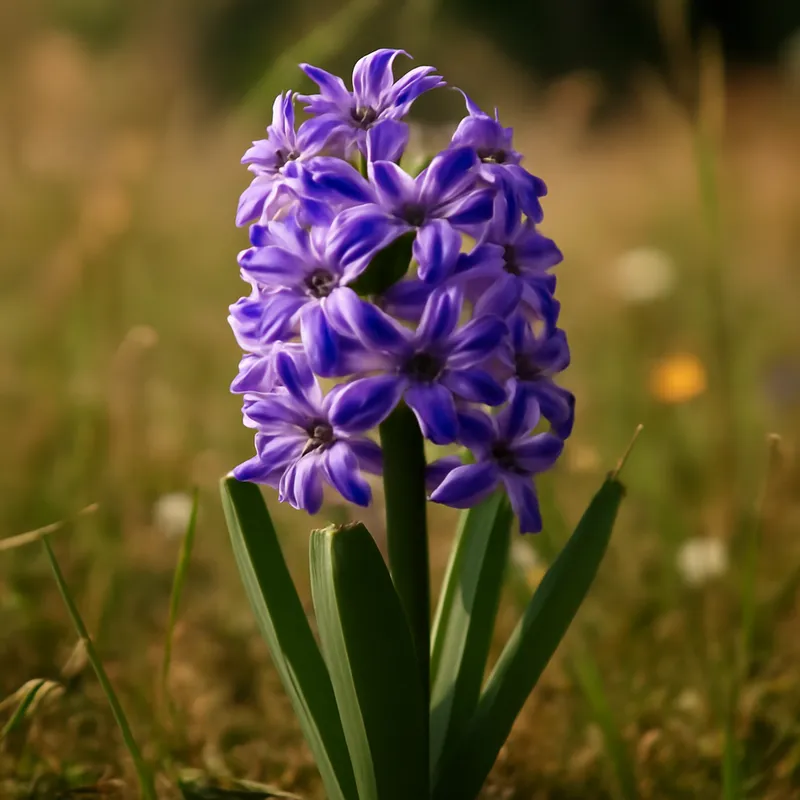
Plant in April or May, with the pointed tip up, at a depth of roughly three times the bulb's height. Give them free-draining soil and a spot with sun or light shade, since a bulb that sits in wet ground rots before it ever flowers. Spikes open from late winter into spring, usually August to October, and a few cut stems will perfume an entire room.
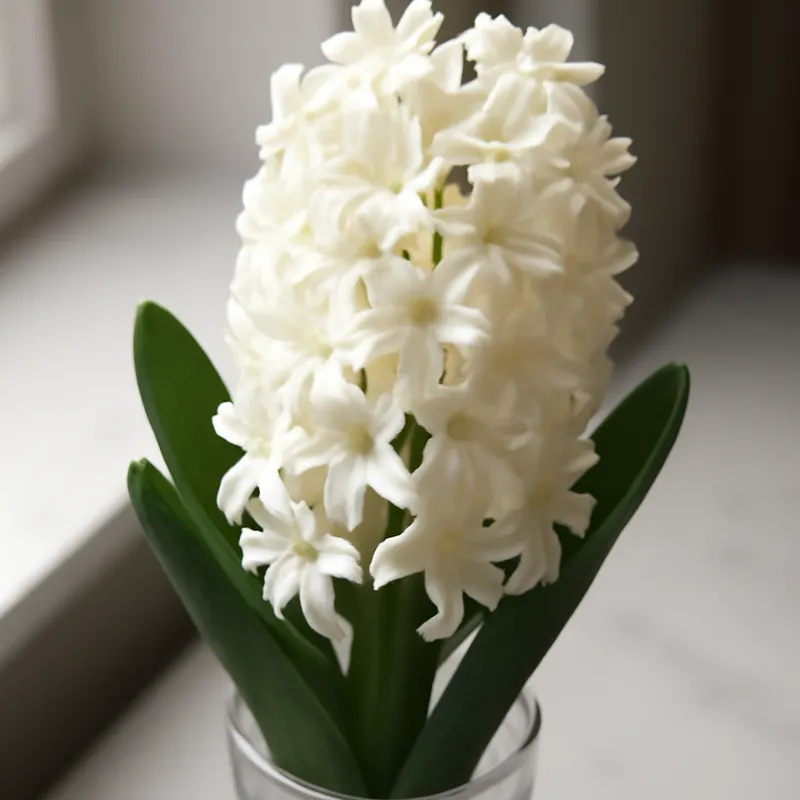
- Pots and glasses: a bright, cool spot suits them best; heat shortens the display.
- Cool-climate beds: bulbs can stay put, though the second year's spikes are often looser.
- Tropical north: hyacinths rarely thrive outdoors, so treat them as a one-season pot display.
Handling the bulbs safely
The whole plant is poisonous, with the bulb carrying the most risk. The ASPCA rates hyacinth as toxic for dogs, cats and horses, with vomiting, diarrhoea, drooling and tremors among the signs, so call a vet if a pet has chewed one. The bulb scales can also irritate skin, which is why gloves are sensible. If a person has swallowed any part, the Poisons Information Centre on 13 11 26 can advise at any hour.