A bulb for the cold
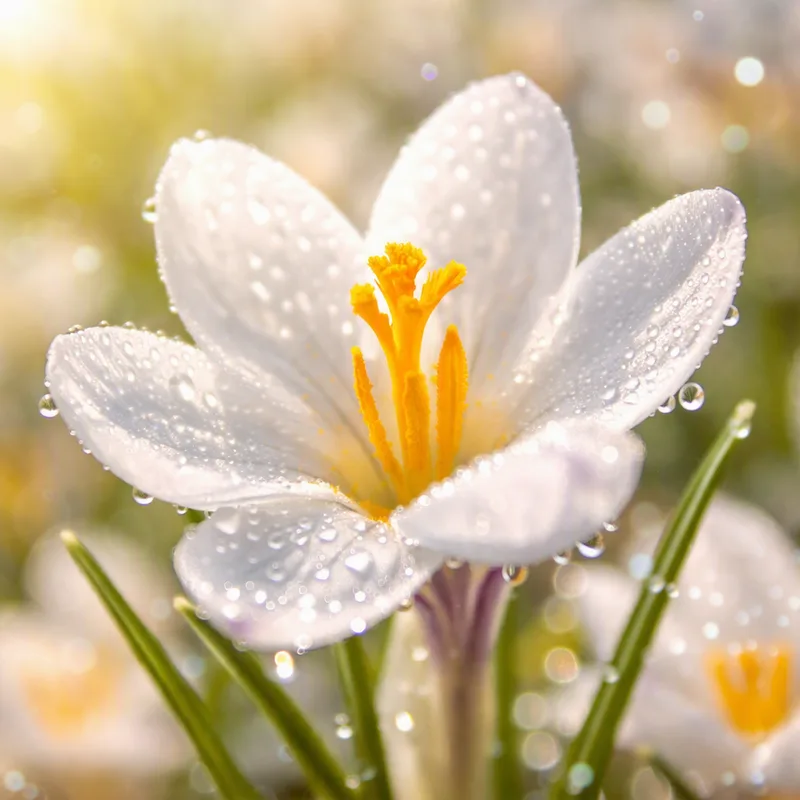
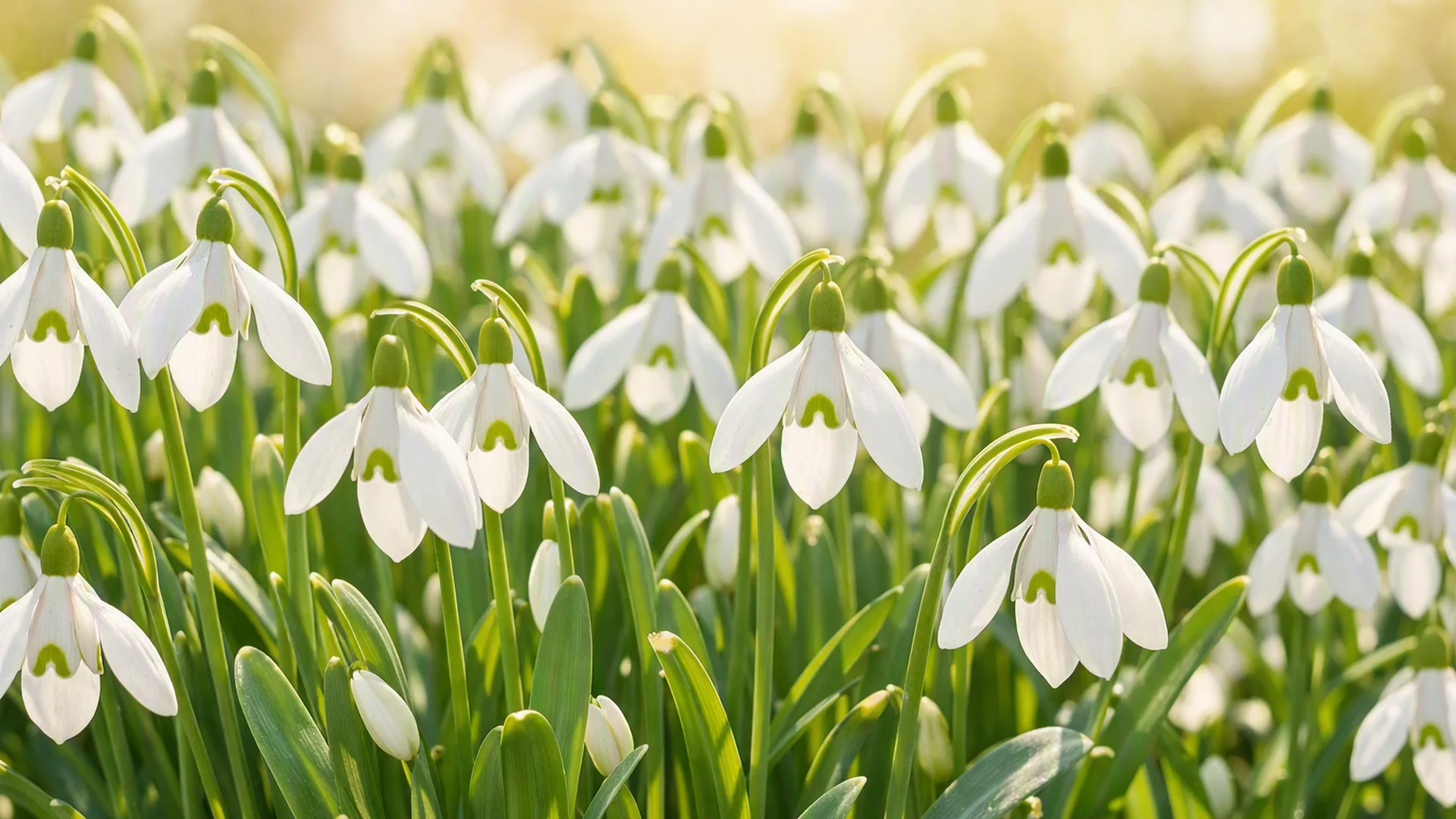
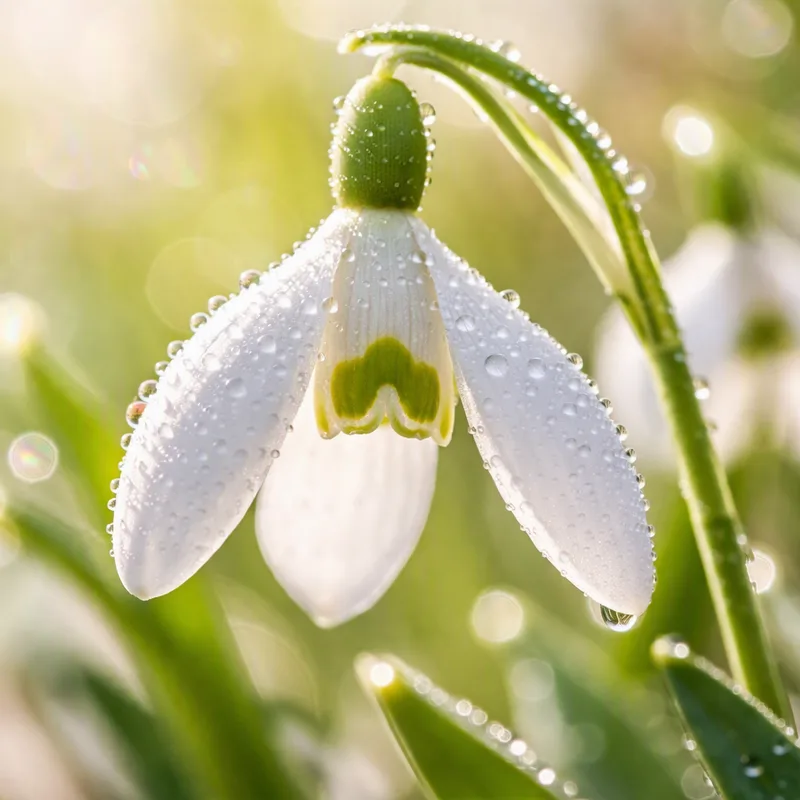
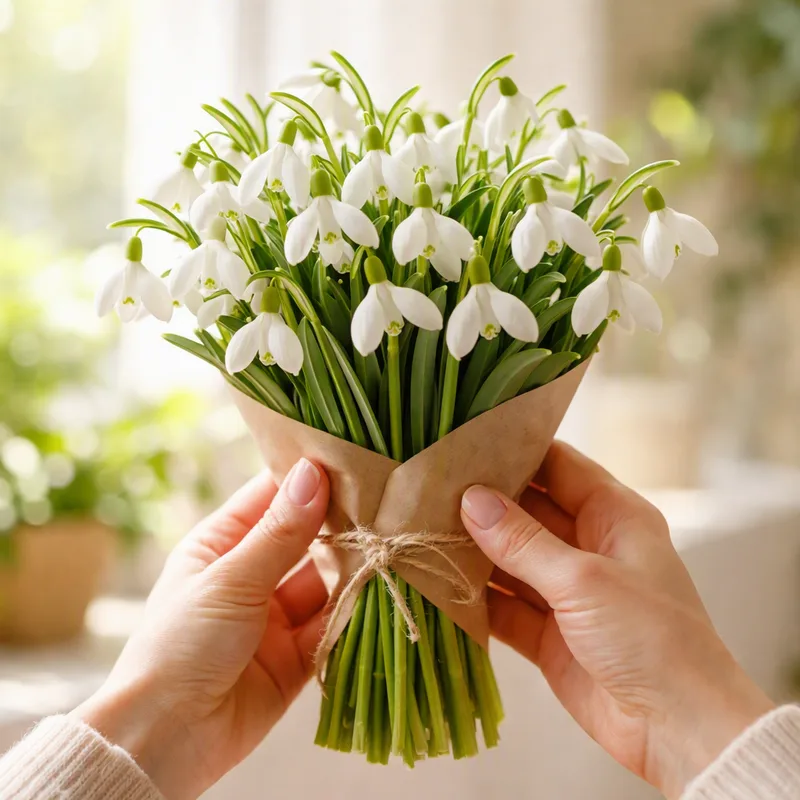
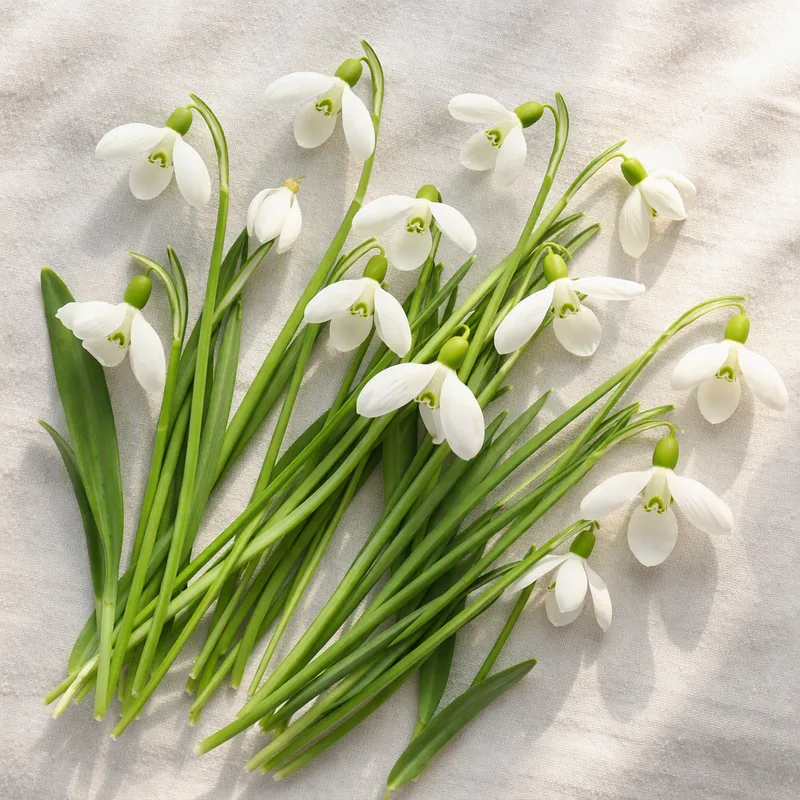
Galanthus nivalis, the common snowdrop, is a small bulb from Europe that pushes through cold ground and carries a single drooping white flower with green marks on the inner petals. It stands 10 to 20 centimetres tall. The name comes from its resemblance to a pearl drop earring, and it is a symbol of hope in the colder countries where it appears when winter ends.
Snowdrops in Australia
Here the plant keeps its northern clock but our seasons are reversed. Snowdrops flower in late winter, from about July to August, if they get a proper winter. They do well in Tasmania, the Victorian highlands, the Blue Mountains, the Southern Highlands and Canberra, where frost and cold nights are reliable. In Sydney, Brisbane, Perth or the tropical north the winters are usually too mild, and the bulbs dwindle.
- Plant bulbs in autumn, March to May, about 5 centimetres deep.
- Choose cool shade under deciduous trees, with leaf mould.
- Keep the soil moist but not soggy in winter.
- Divide clumps after flowering, while the leaves are still green.
Snowdrop or snowflake?
Snowflakes, Leucojum, look similar but are taller, with several bells on a stem and a different flowering time. Check the Latin name when shopping.
What snowdrops traditionally say
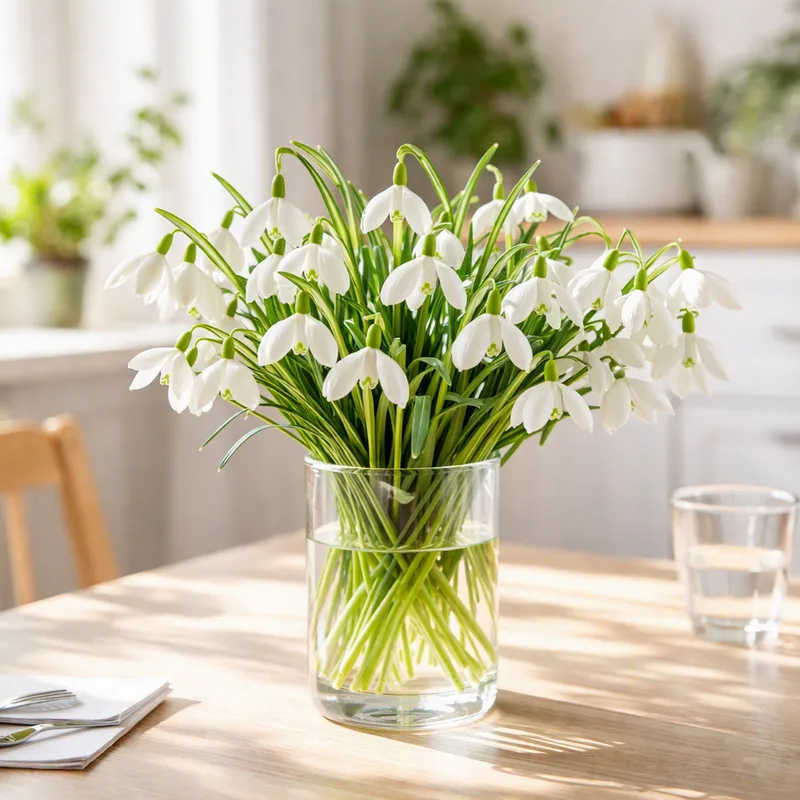
Snowdrops traditionally symbolise hope and consolation. As cut flowers they are fragile and short-lived, so a snowdrop bouquet is rare, and the plant is best enjoyed growing.
Is it poisonous?
Snowdrops contain the alkaloid galantamine, which is used as the basis of a medicine for Alzheimer's disease, and lycorine-type substances. Eating bulbs or leaves can cause stomach upset, so keep pets and children away.