
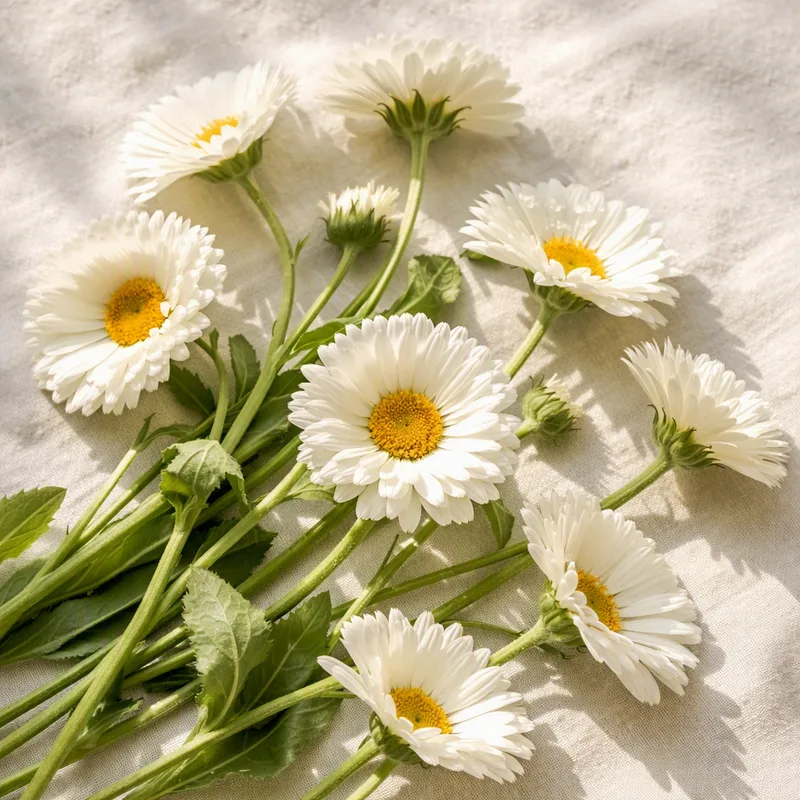
Looking for a white marigold
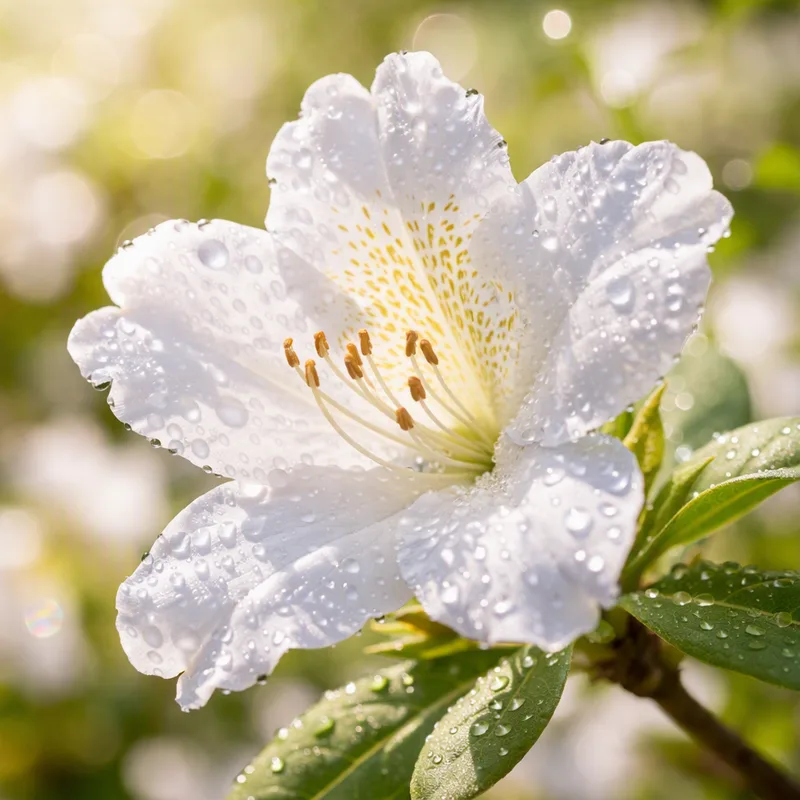
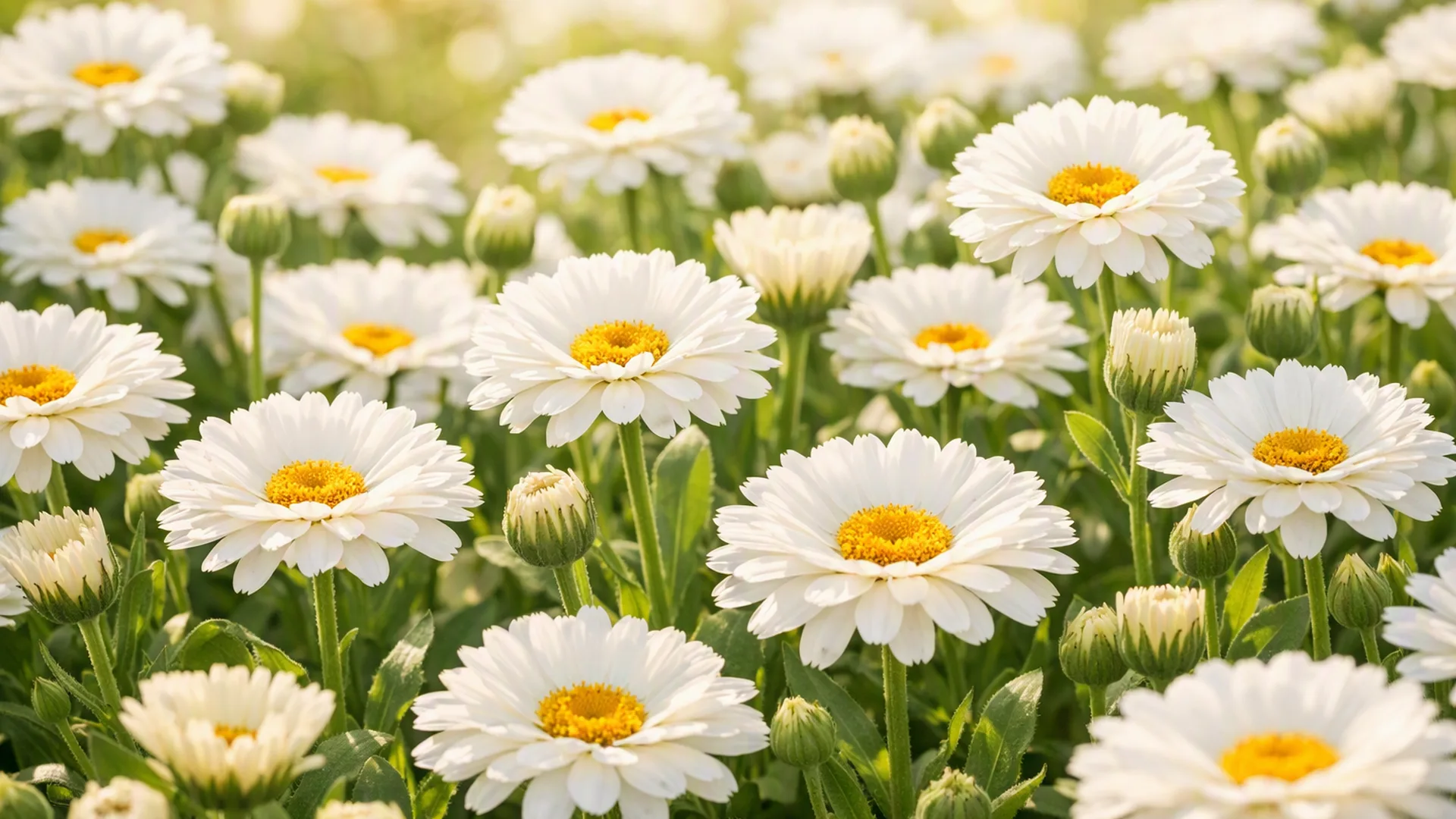
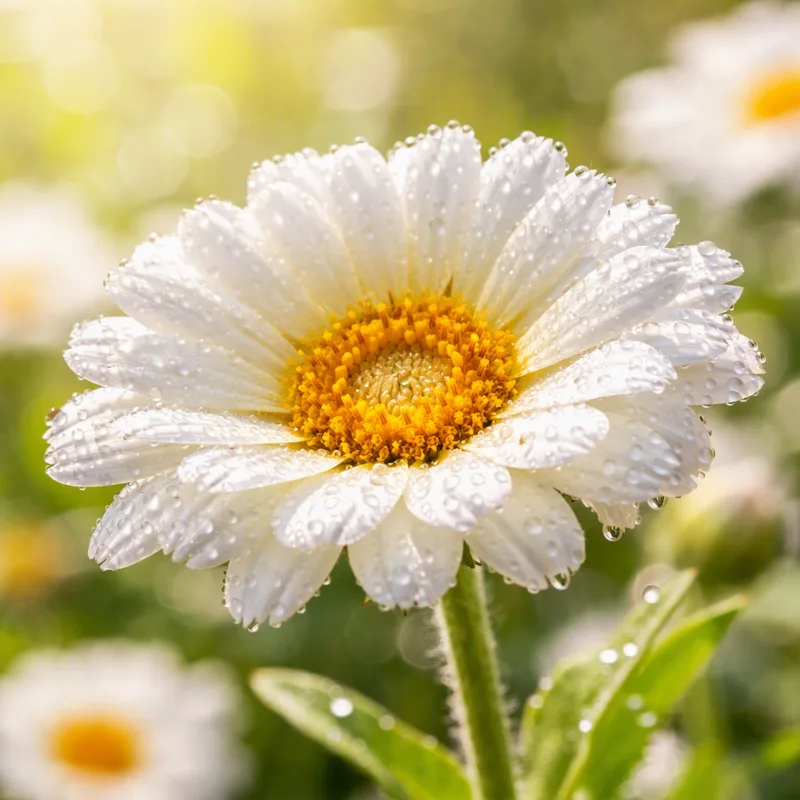
Searches for white marigold usually mean one of two plants. The first is Tagetes, the summer bedding marigold, which has cream-coloured forms. The second is Calendula officinalis, the pot marigold, whose natural colours are orange and yellow. A pale cream or ivory calendula can be found among bred selections, often with a dark centre, but it is a subtle shade and rarely a brilliant white. Treat any white calendula as the nearest pale form.
Why the shade changes
Pale flowers of any kind show wear quickly, and strong sun is hard on delicate tones. Calendula is already a cool-season plant, so growing it from autumn sowing to early spring suits both the plant and the paler shades.
Autumn sowing for pale flowers
- Sow March to May in the southern states, in autumn or the dry season in the north.
- Choose sun and free-draining soil.
- Deadhead regularly so that new buds appear.
- Water in dry spells, but avoid soggy ground.
A white-toned patch looks calm beside blue borage, grey foliage or dark purple pansies.
Stems in the vase, and the household animals
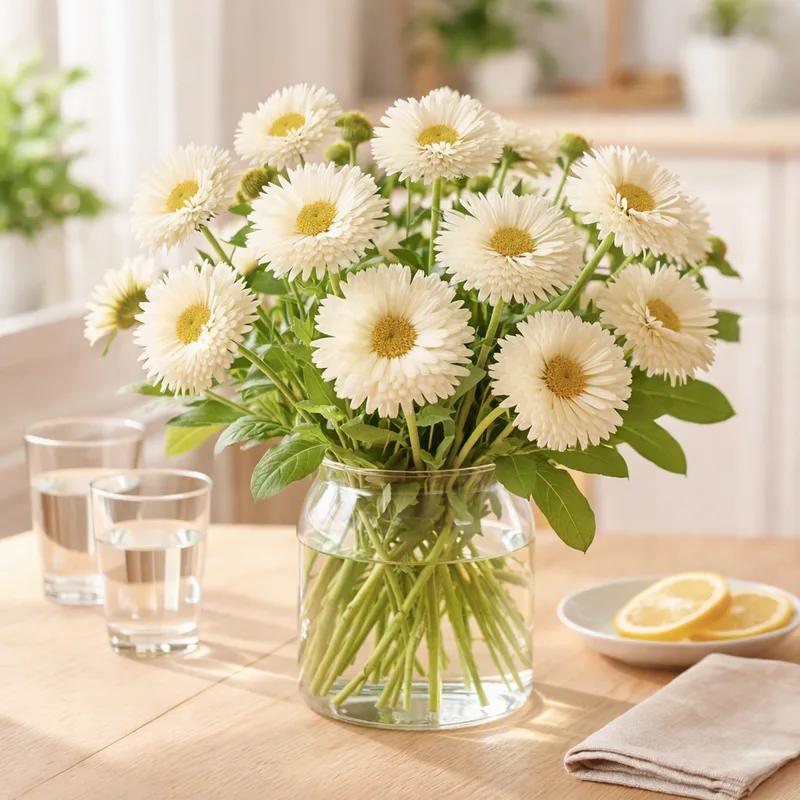
Stems last about a week in a vase when cut as the flower opens. The scent is mild, a little spicy and resinous.
The ASPCA plant database rates pot marigold as safe for dogs and cats. Gloves are a sensible precaution for anyone prone to daisy-family reactions.
If you want a dependable pale result, buy a plant in flower from a nursery in autumn instead of relying on a seed packet, and look for the words cream or ivory in the description before you pay.