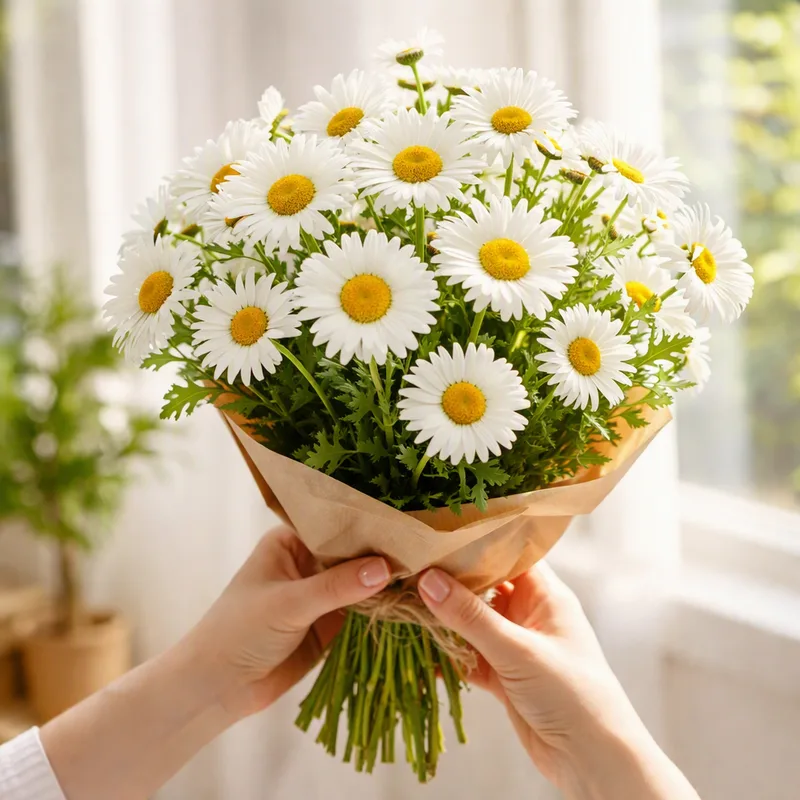
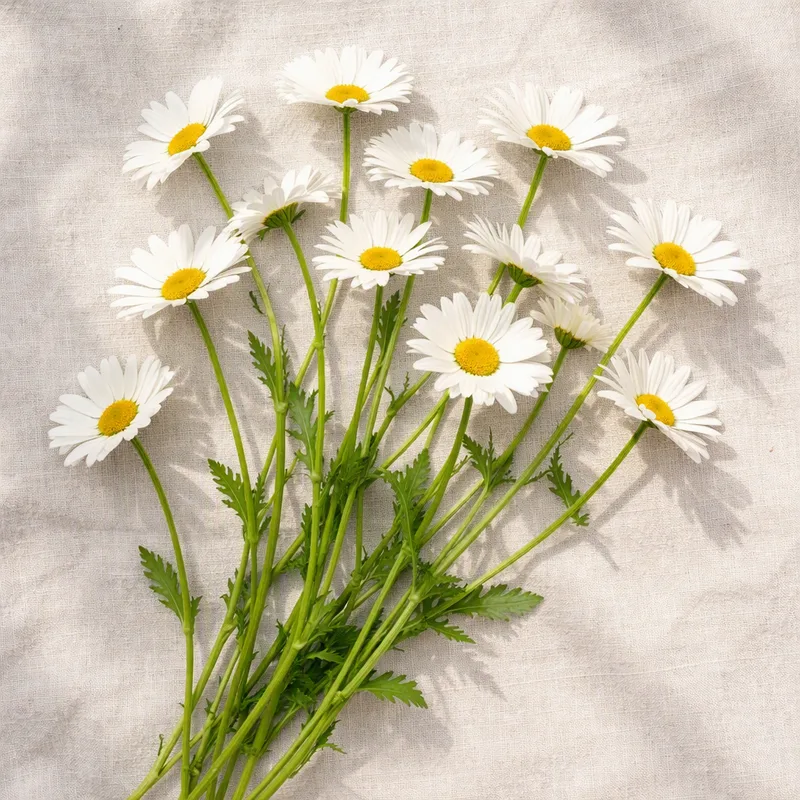
An introduced plant
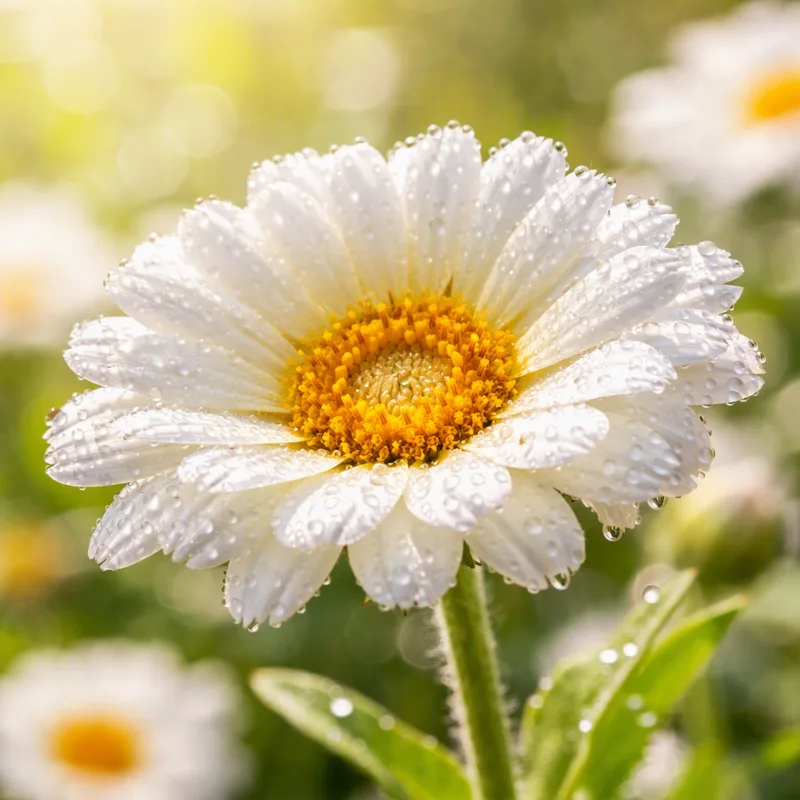
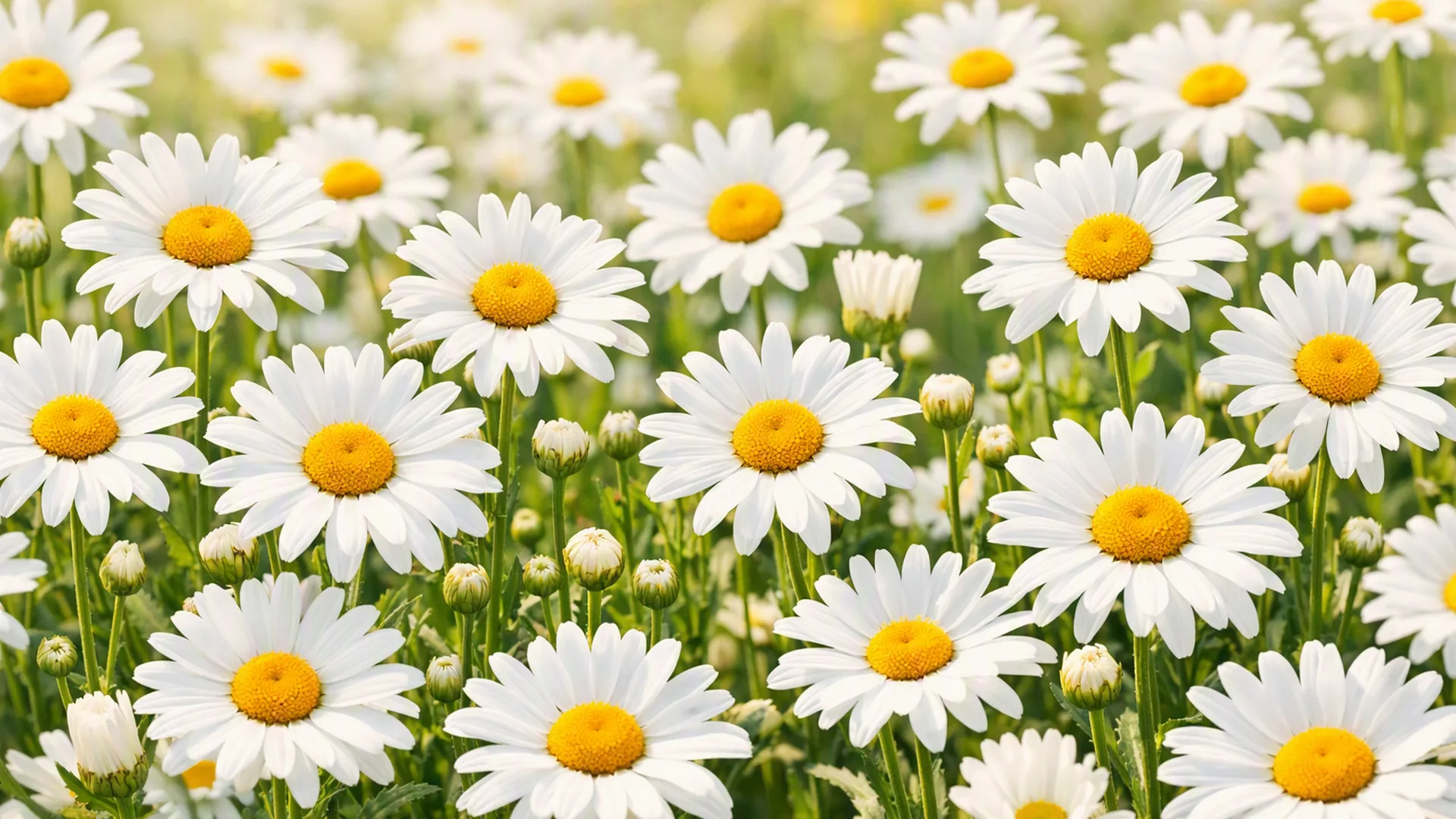
Leucanthemum vulgare is native to Europe and temperate Asia and has been introduced to Australia, New Zealand and North America. A perennial herb with a creeping rhizome, it makes dense patches in paddocks, roadsides and disturbed ground. It is listed as a weed in parts of Australia, so check your state or council rules before sowing it.
Identifying it
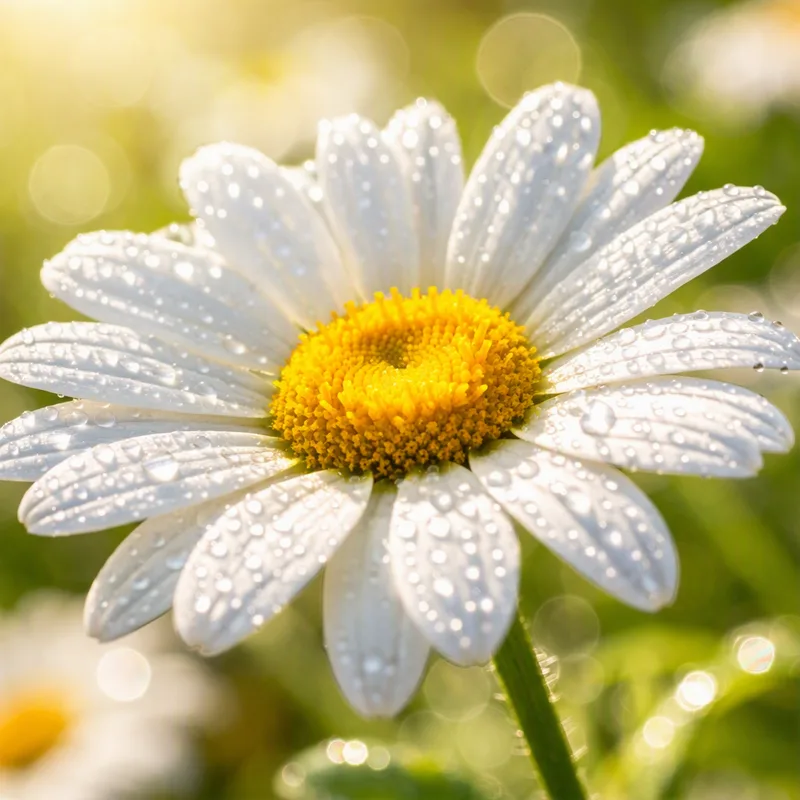
- Each flower head is 20 to 75 millimetres wide.
- It has fifteen to forty white ray florets around a yellow centre.
- Basal leaves are toothed and spoon-shaped, while stem leaves are smaller.
- In Australia it flowers in late spring and summer, roughly October to January.
Not the same as other daisies
The big garden Shasta daisy (Leucanthemum x superbum) is a hybrid with larger blooms. The marguerite daisy (Argyranthemum frutescens) has ferny leaves and is another garden favourite. Native paper daisies and everlastings are different plants altogether.
Dealing with it
Pull young plants before they set seed and put flower heads in the bin rather than the compost heap. A single plant can scatter many seeds.
Grazing animals tend to avoid ox-eye daisy, which helps it dominate pasture. If you manage land, contact your local council or biosecurity officer for current advice, because the rules differ between states.
Ox-eye and animals
According to the ASPCA, daisies related to chrysanthemum is toxic to dogs, cats and horses.