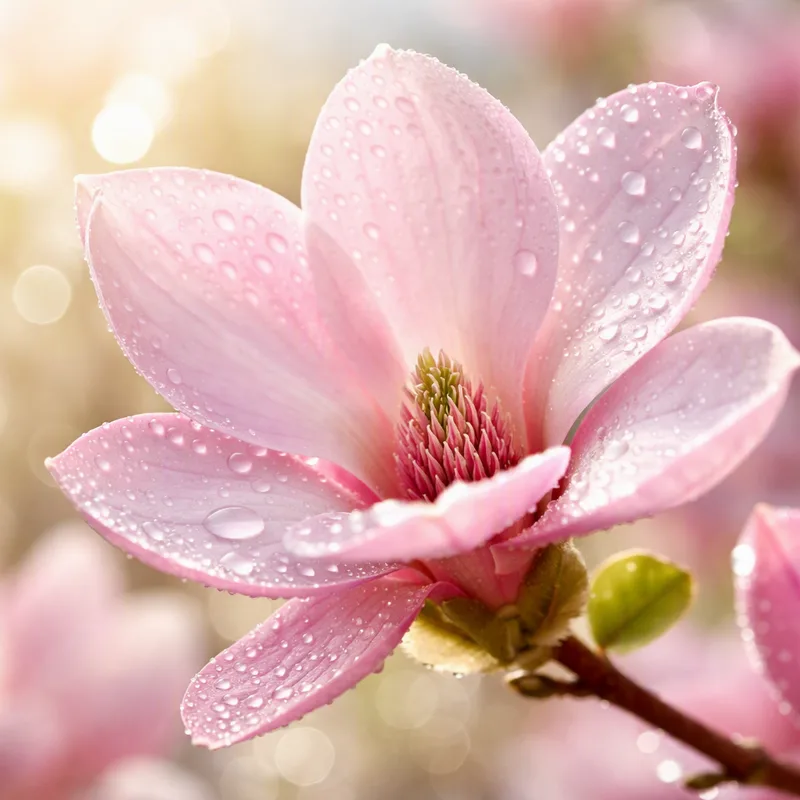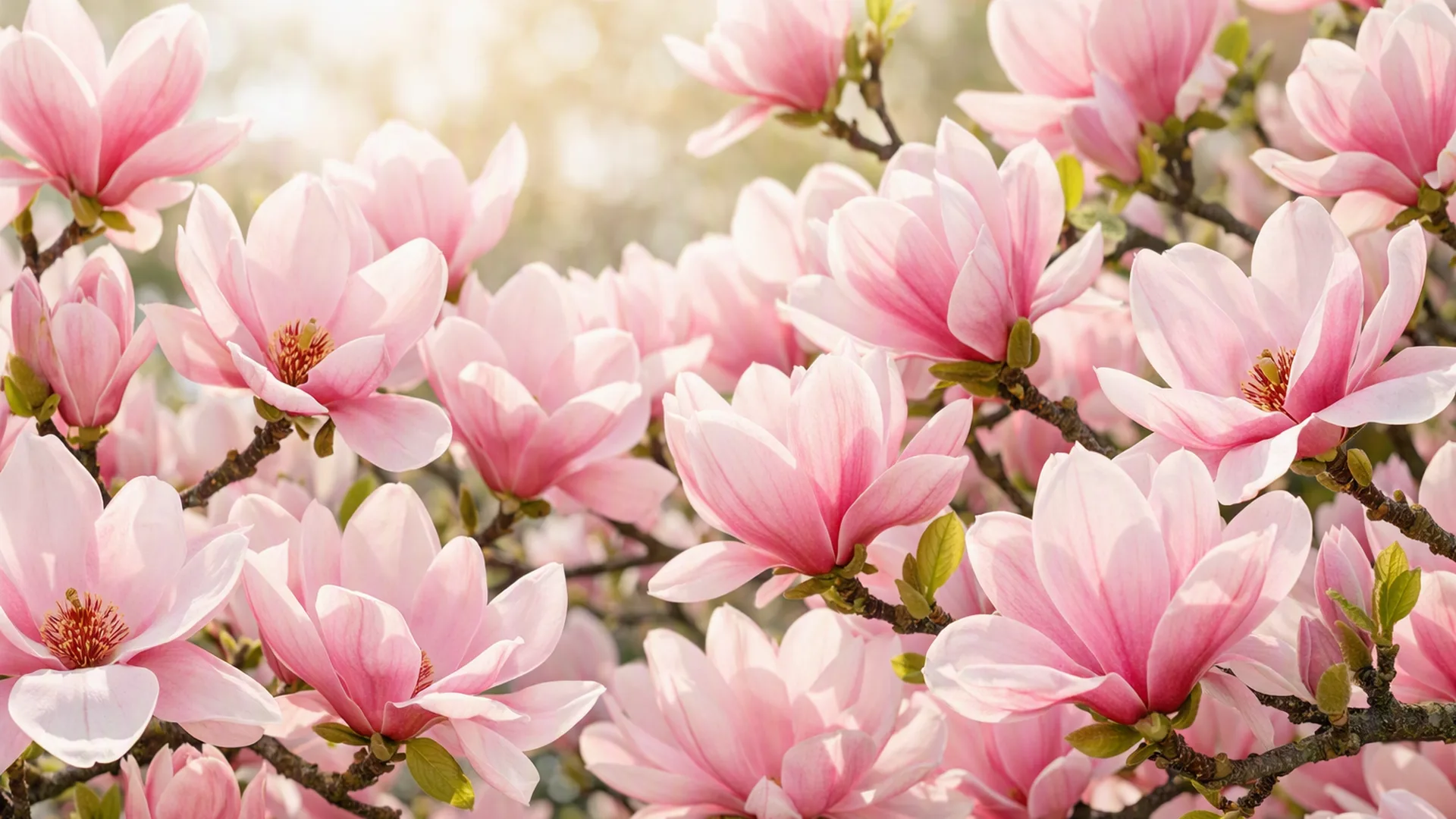
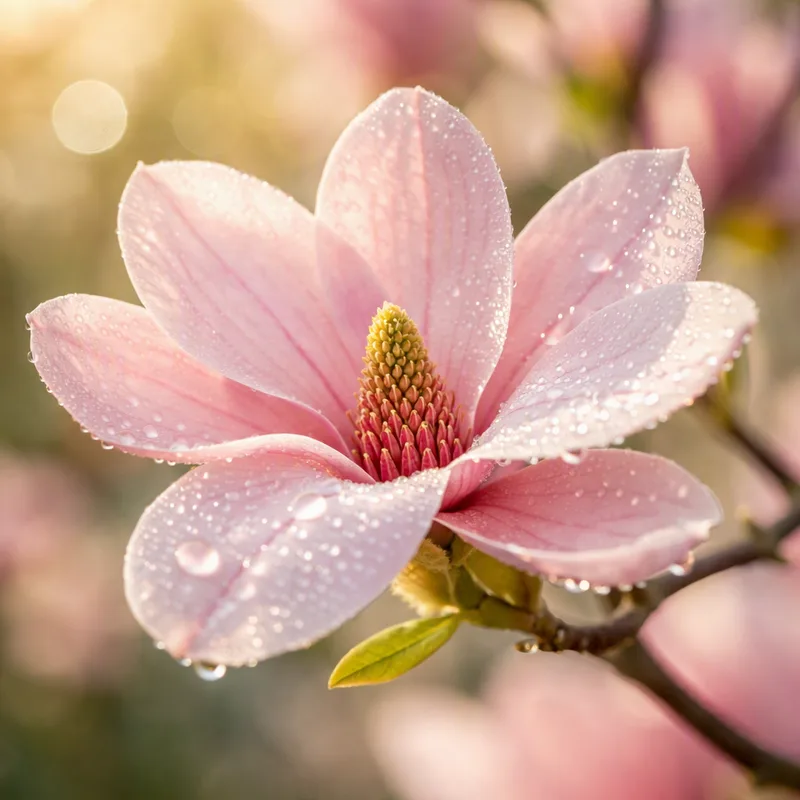
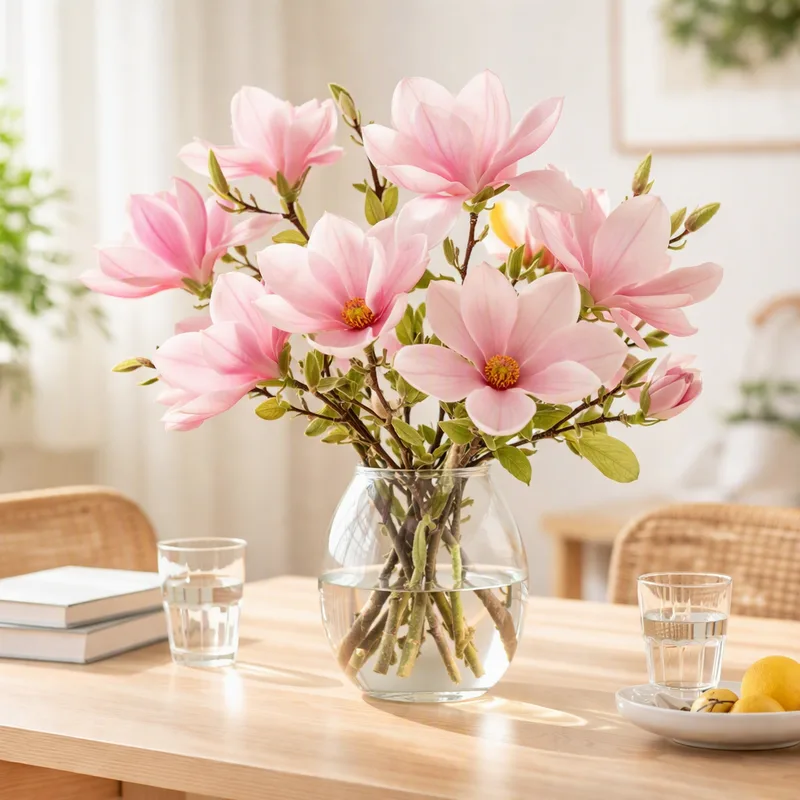
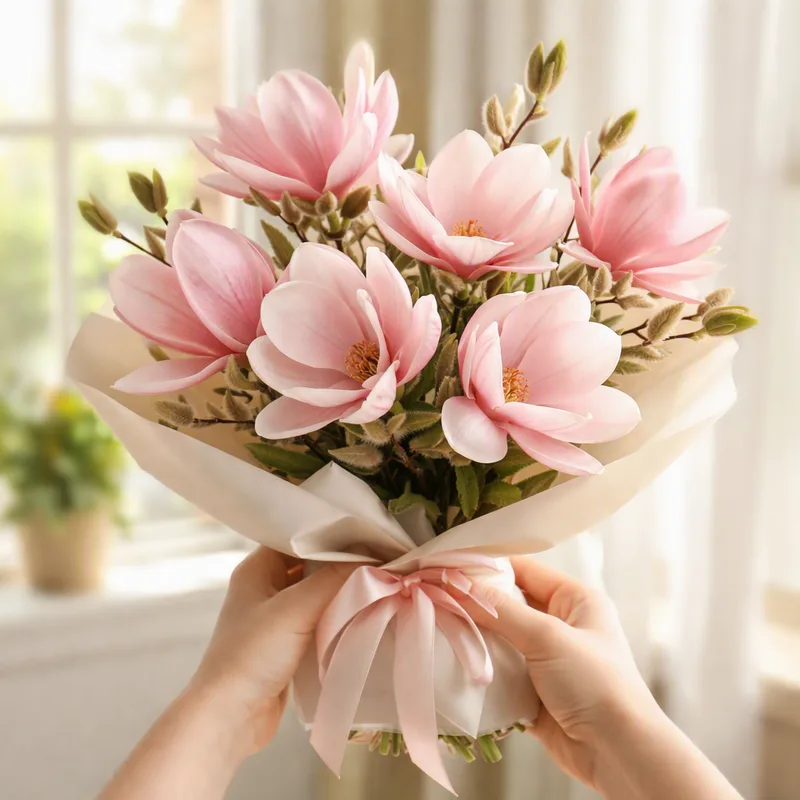
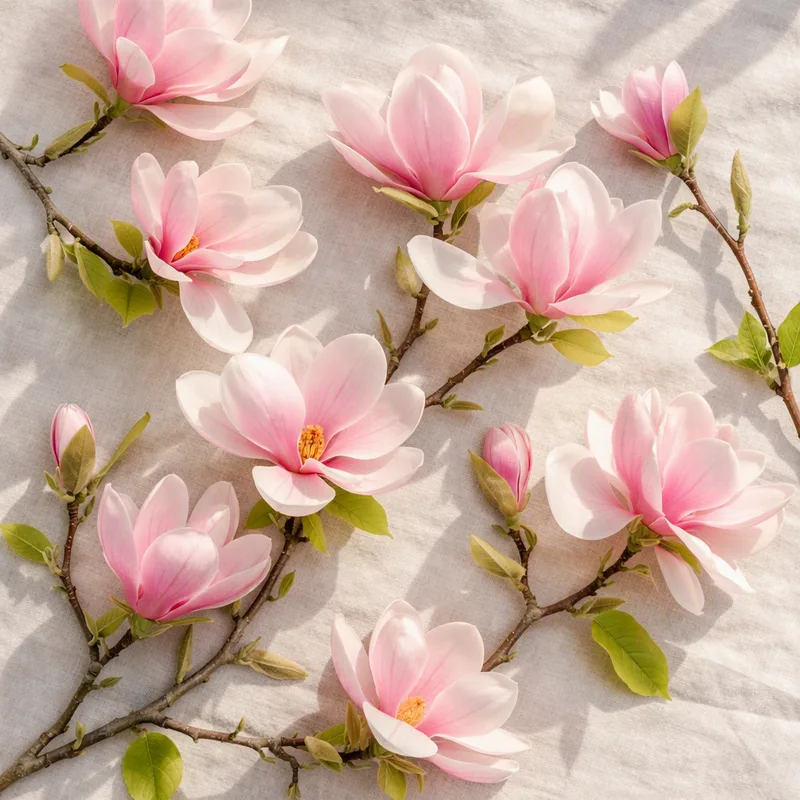
Magnolias have been around since before bees. Fossils of the family date back about 95 million years, and the large, tough flowers are thought to have evolved for pollination by beetles. That ancient lineage shows in the goblet-shaped blooms, which have no clear split between petals and sepals.
Two main types
- Evergreen magnolias, led by Magnolia grandiflora, carry glossy leaves all year and big, lemon-scented white flowers in summer, from about December to February. They become large trees, though compact selections stay smaller.
- Deciduous magnolias, such as the saucer magnolia (Magnolia x soulangeana) and the star magnolia (Magnolia stellata), lose their leaves in winter and flower on bare branches in late winter and early spring, roughly August to October.
Where they grow
Magnolias are common in streets and gardens from Brisbane to Melbourne and Hobart. Deciduous kinds like cool winters. Evergreen ones tolerate more heat and humidity. A frost on opening buds can brown the petals, a risk in Canberra, the highlands and Tasmania, so choose a spot with shelter from early-morning sun on frosted flowers. Expect a tree of 3 to 8 metres in most gardens, depending on variety, with space for the roots to spread.
Settling a young tree
Plant in autumn or early spring in rich, slightly acid, well-drained soil. Mulch, water in dry spells, and prune lightly after flowering. Magnolias resent root disturbance, so plant them where they can stay.
Non-toxic, with a caveat
Southern magnolia is non-toxic to dogs, cats and horses on the ASPCA list. Large amounts of any plant can still upset a stomach, so ring your vet if an animal eats a lot.