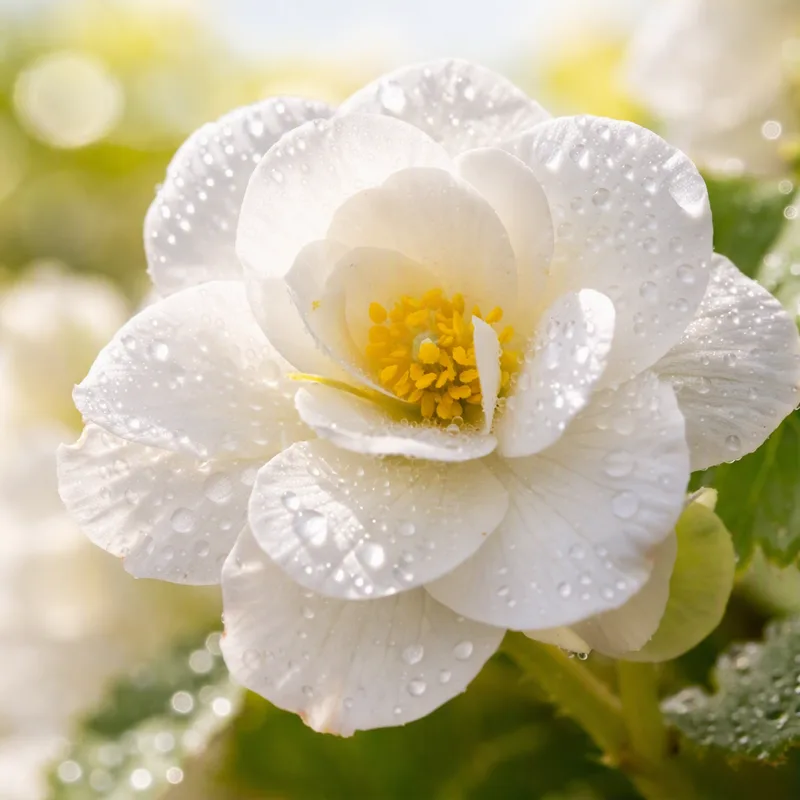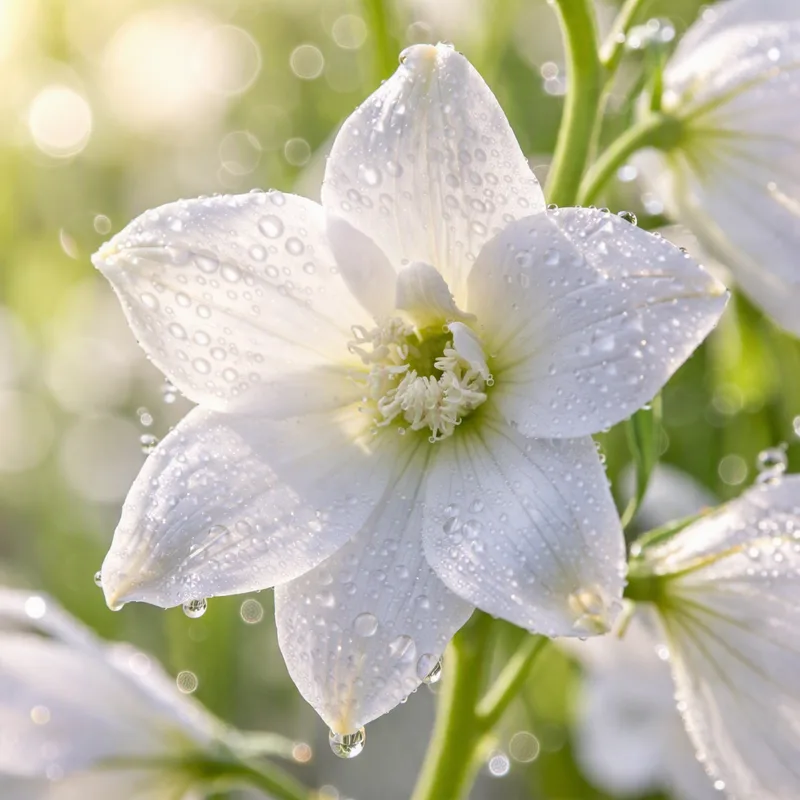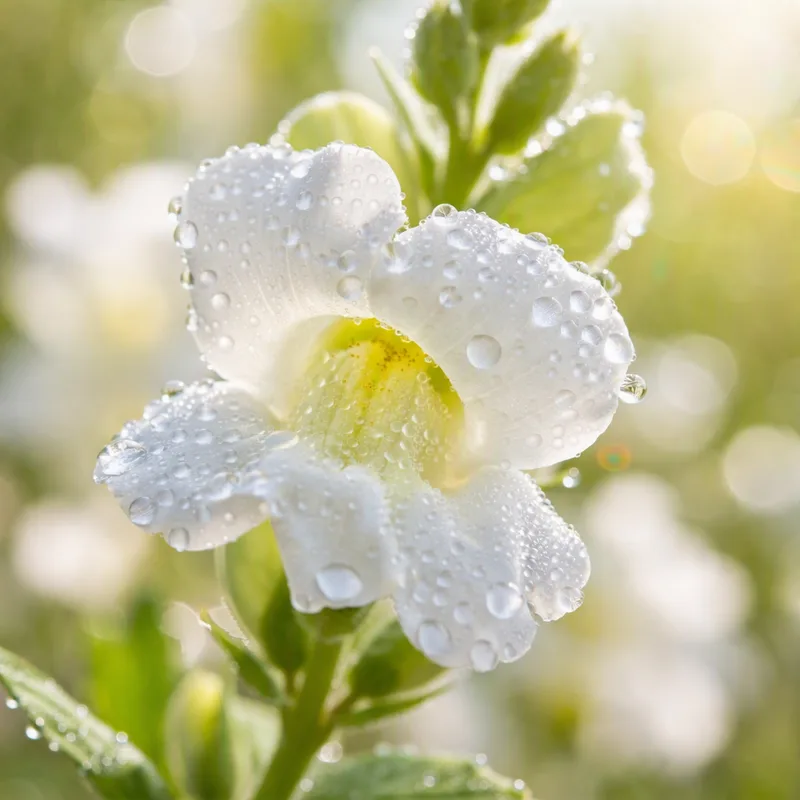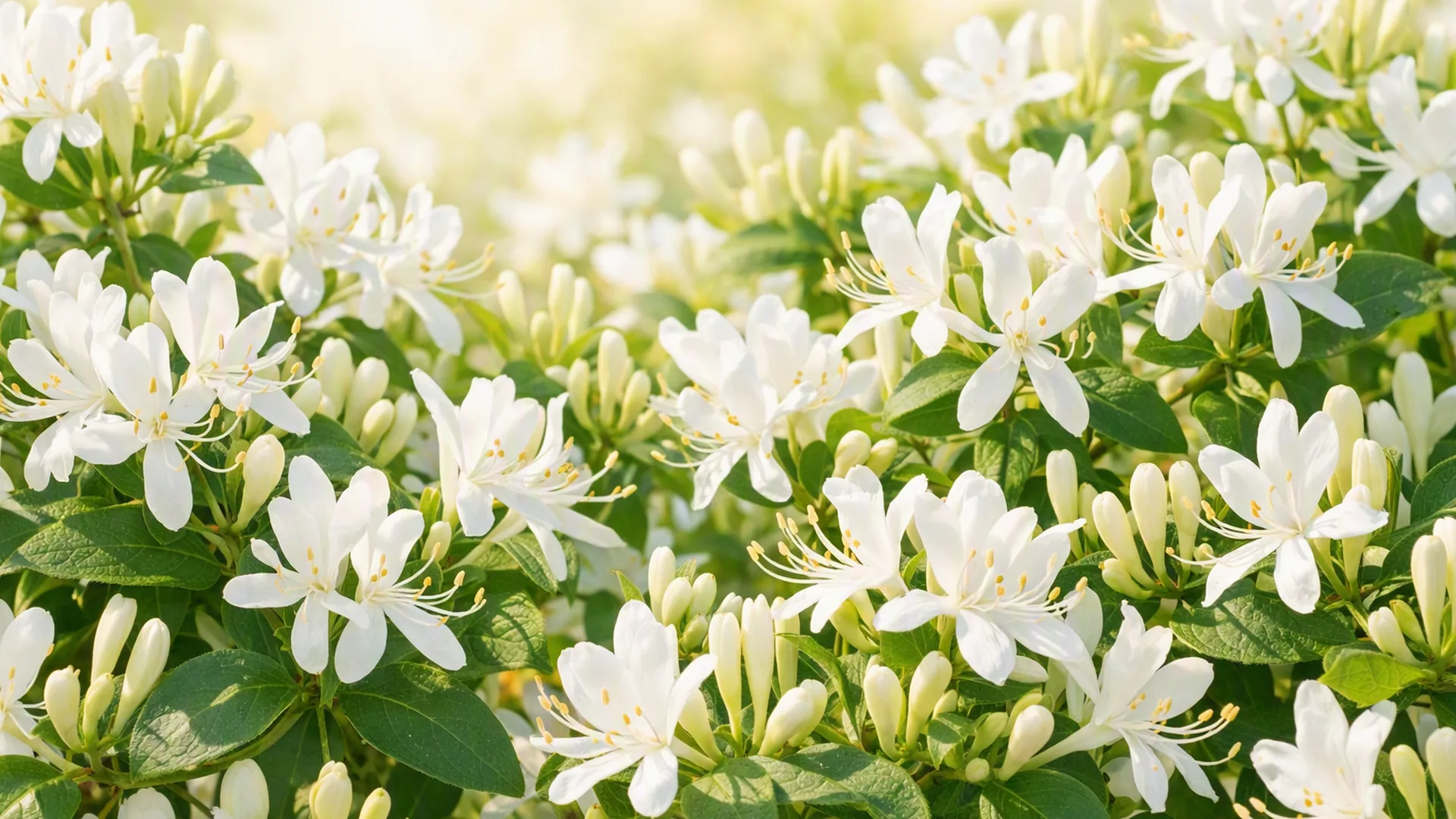
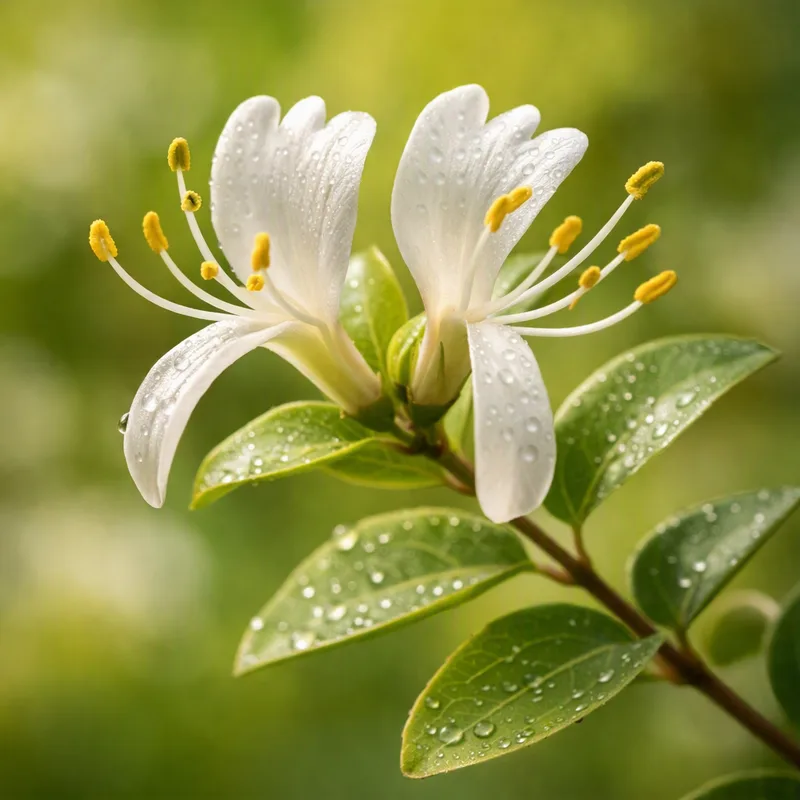
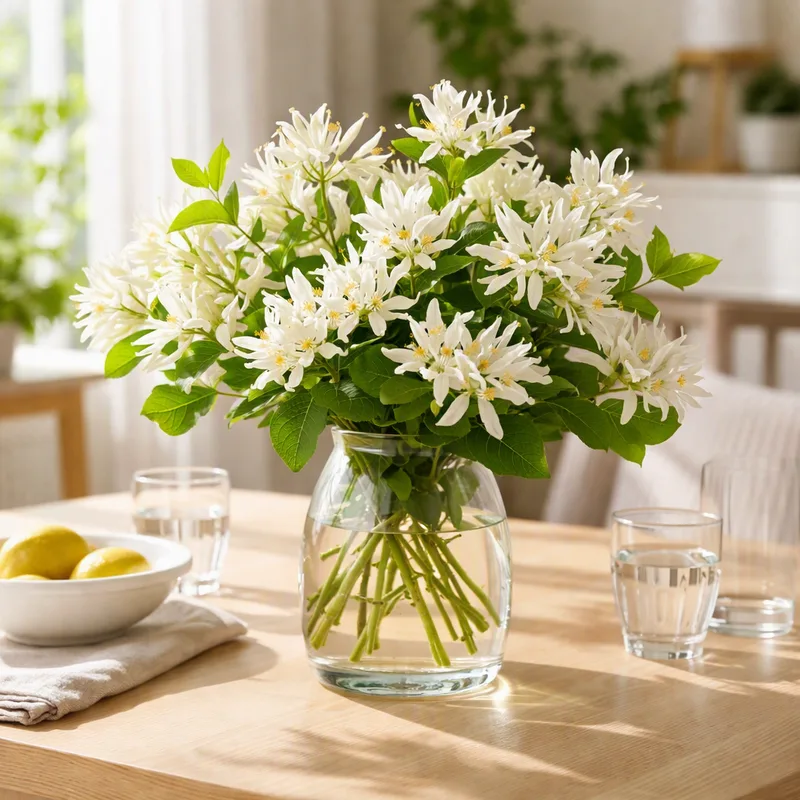
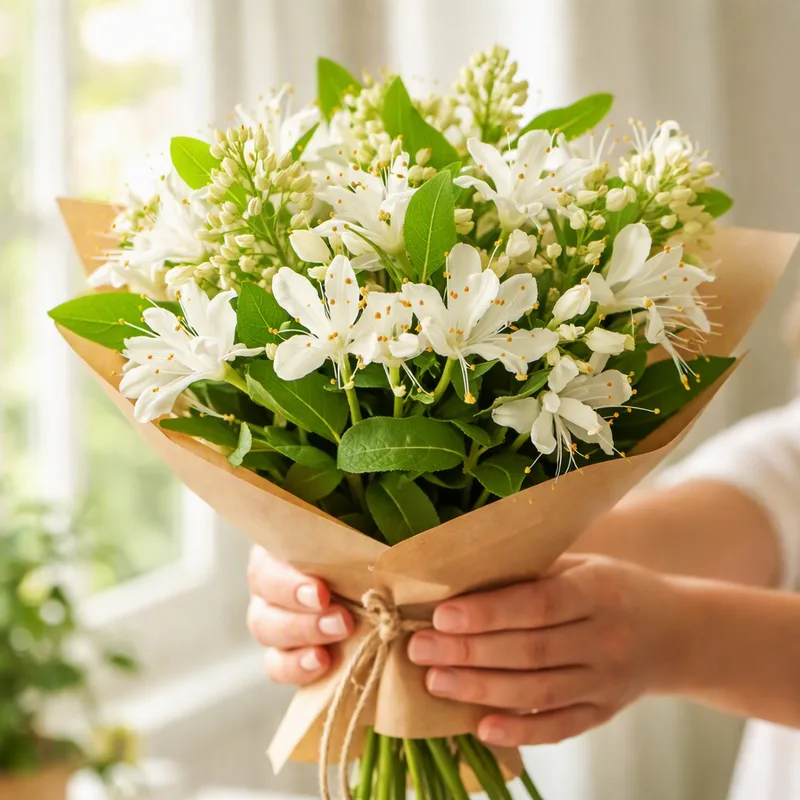
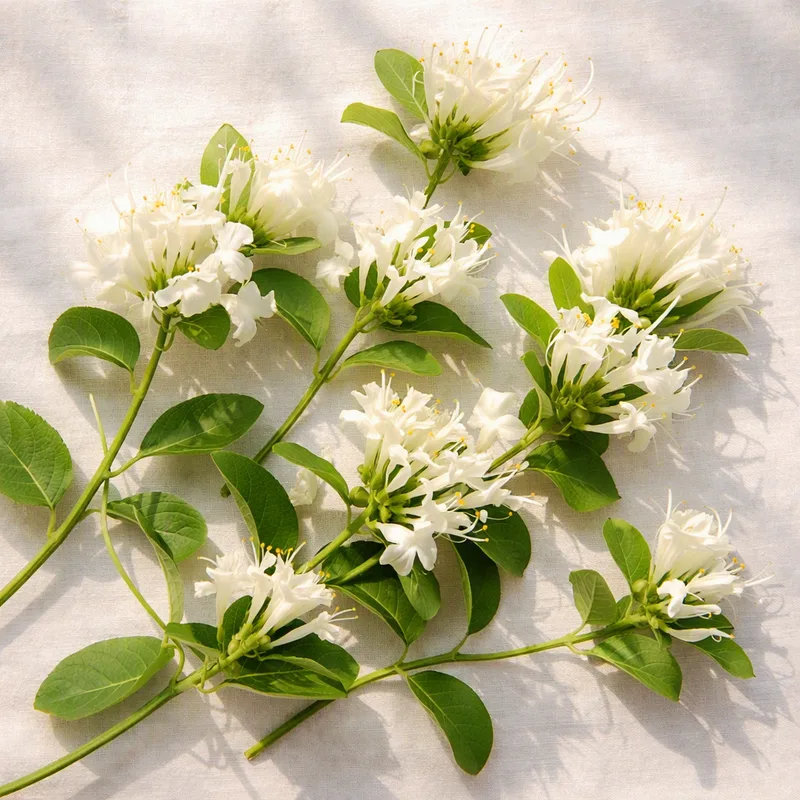
White, creamy blooms that turn yellow with age are the classic honeysuckle picture. The flowers are two-lipped tubes, about two to three centimetres long, borne in pairs at the leaf joints and strongly scented in the evening.
Why the white one is a problem
In Australia the most common white honeysuckle is Japanese honeysuckle, Lonicera japonica. According to Weeds Australia, its flowers are white, often tinged pink or purple, turning yellow or orange with age, and appear mainly between June and January. Shiny black berries follow in summer and autumn. Birds spread the seed, and long runners root as they go, so a single plant can become a dense mat across bushland edges, creeks and urban remnants. That is why many councils ask gardeners not to grow it.
Scented alternatives
- Star jasmine (Trachelospermum jasminoides) has white, perfumed flowers in late spring.
- Native jasmine (Jasminum didymum) carries small, scented white flowers.
- Clematis aristata, a native white climber, has a light scent and feathery seed heads.
Ask your local nursery or council what is recommended for your region.
If you have one growing
Remove it in sections, working from the base. Dig out the roots. Dispose of the stems in green waste only if your council accepts weeds, otherwise bag them.
Black berries after the flowers
The black berries are not for eating. Call the Poisons Information Centre on 13 11 26 if a person has swallowed any, or your vet for a pet.