
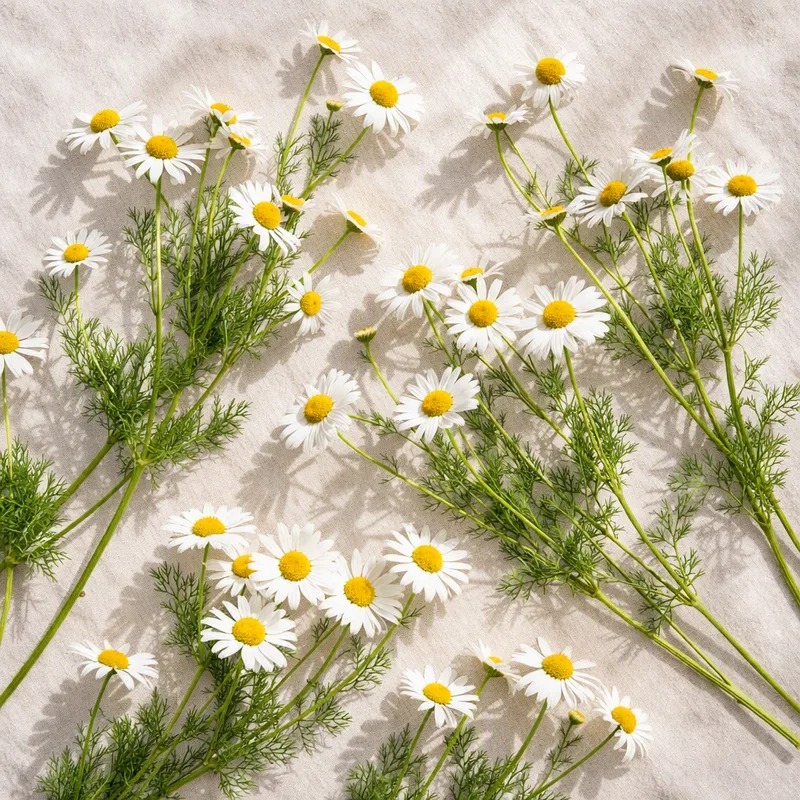
German chamomile in the garden
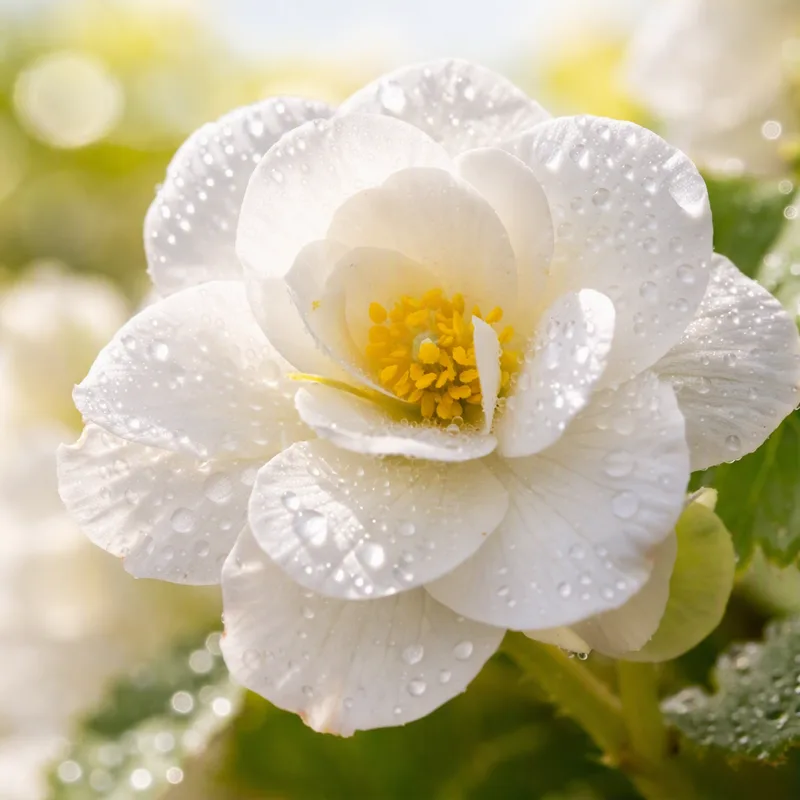
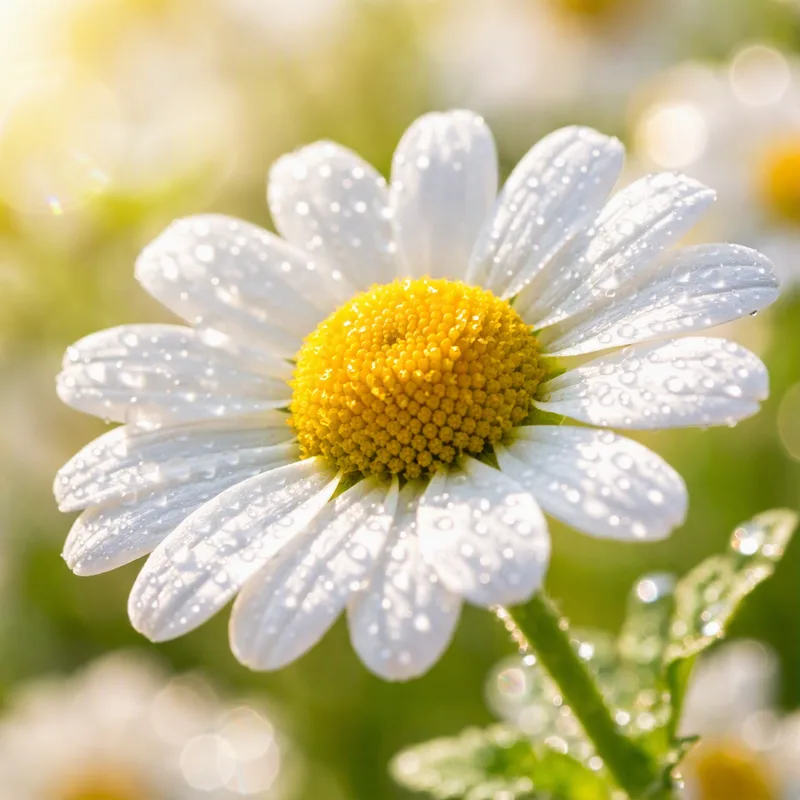
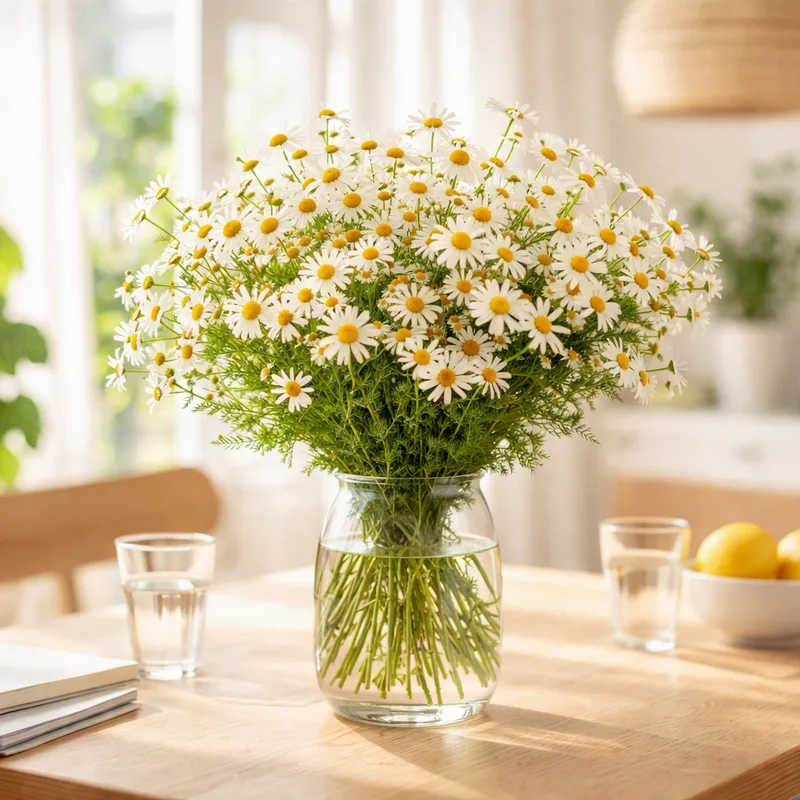
Matricaria chamomilla (also known as Matricaria recutita) is an annual daisy that grows 15 to 60 cm tall. Its leaves are feathery, and the flower heads have white petals around a yellow dome. Slice one in half and the cone is hollow, which separates it from some look-alikes. The scent is sweet and apple-like, strongest in warm weather, and the essential oil is blue because of chamazulene.
Sorting out the two chamomiles
Seed packets often blur two plants. Roman chamomile, now called Chamaemelum nobile, is a creeping perennial, good for lawns and paths. German chamomile is the taller annual that most gardeners sow for tea. The pet-safety database mentioned below describes only the Roman kind.
Sowing and growing in Australia
Sow seed on the surface in autumn or spring, in a sunny spot with ordinary, well-drained soil. Autumn sowing gives flowers earlier in mild districts, while spring sowing suits the high country. Flowers open from spring into early summer and often again later. Because the plant self-seeds, it tends to come back without help. Aphids are the usual pest. Downy and powdery mildew can show up when the weather is humid, and in tropical areas such as Darwin and Cairns the wet season makes it a poor choice.
Tea, allergies and medicines
Gardeners dry the flower heads for tea. Chamomile belongs to the daisy family, so anyone allergic to related plants should be careful. It may also interact with some medicines, including blood thinners, so a pharmacist can advise.
Animals and the database entry
The ASPCA lists chamomile as harmful to dogs, cats and horses, though its entry is for Roman chamomile, Anthemis nobilis. Contact dermatitis, vomiting, diarrhoea and anorexia are listed. Keep tea away from pets, and ring a vet if one has eaten the plant.