
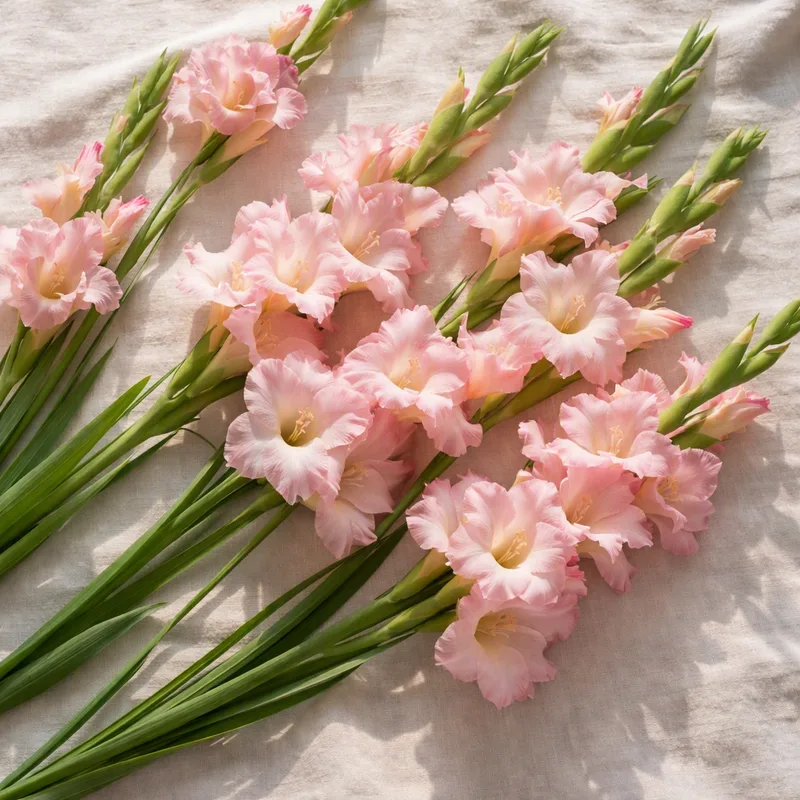
A little sword
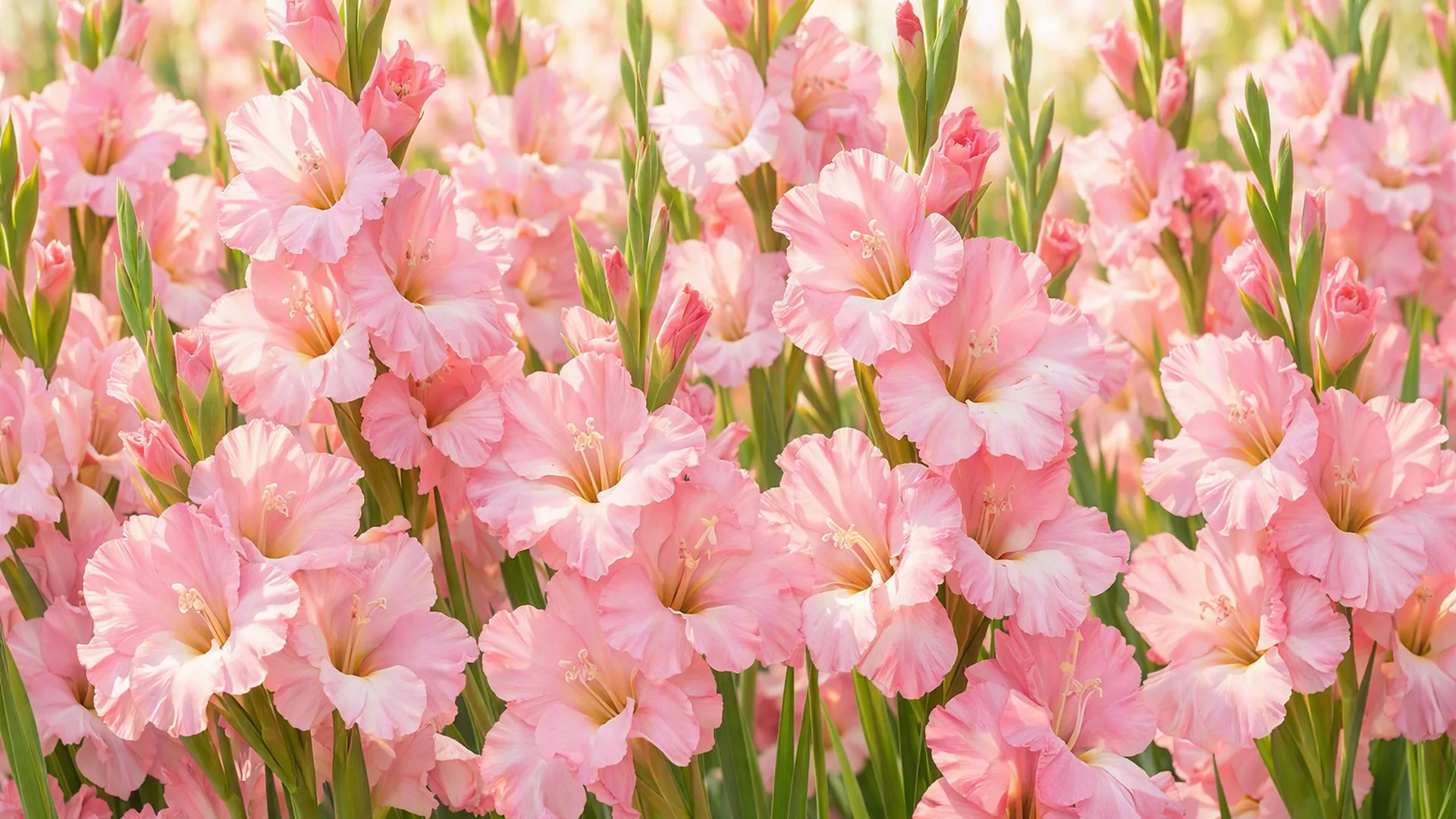
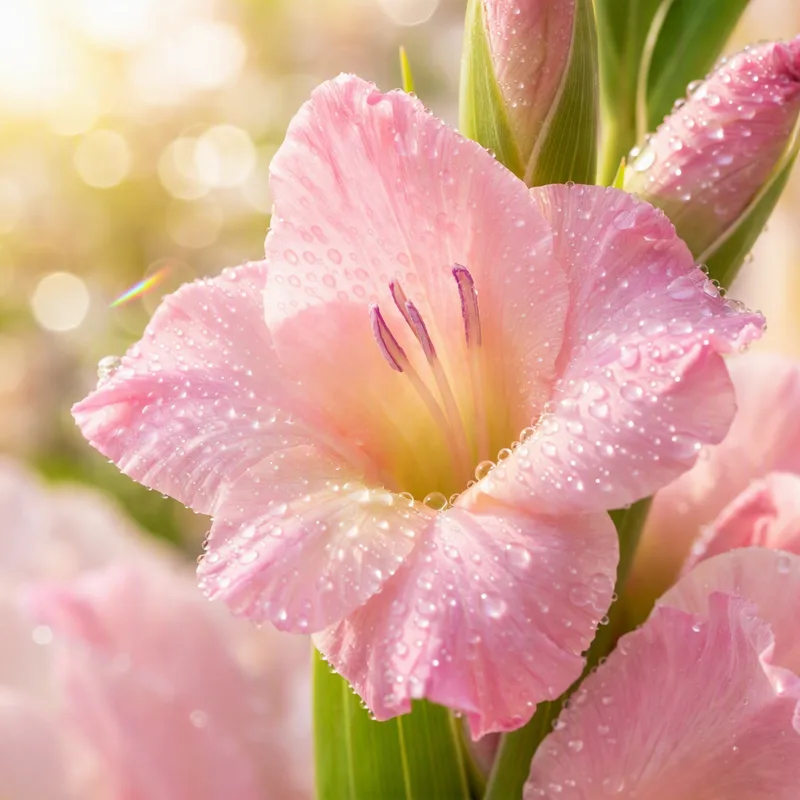
The name comes from the Latin gladius, a sword, a nod to the narrow, pointed leaves. Plural forms can be gladioli, gladiolus or even gladioluses, and all are accepted. The genus has around 260 species, mostly from sub-Saharan Africa and the Mediterranean region. The large-flowered hybrids found in bunches and gardens come from several African species, bred over about two centuries.
From corm to spike
A gladiolus grows from a corm, a swollen underground stem that looks like a flattened bulb. In Australia, corms are planted from late winter to early summer in cool and temperate areas, and a fortnightly series of plantings gives a succession of flowers. In the subtropics, planting can start as early as March. Flowering usually starts about 70 to 100 days later. The tips of the spike tend to bend upwards towards the light, which is why florists stand the stems upright.
For a bouquet
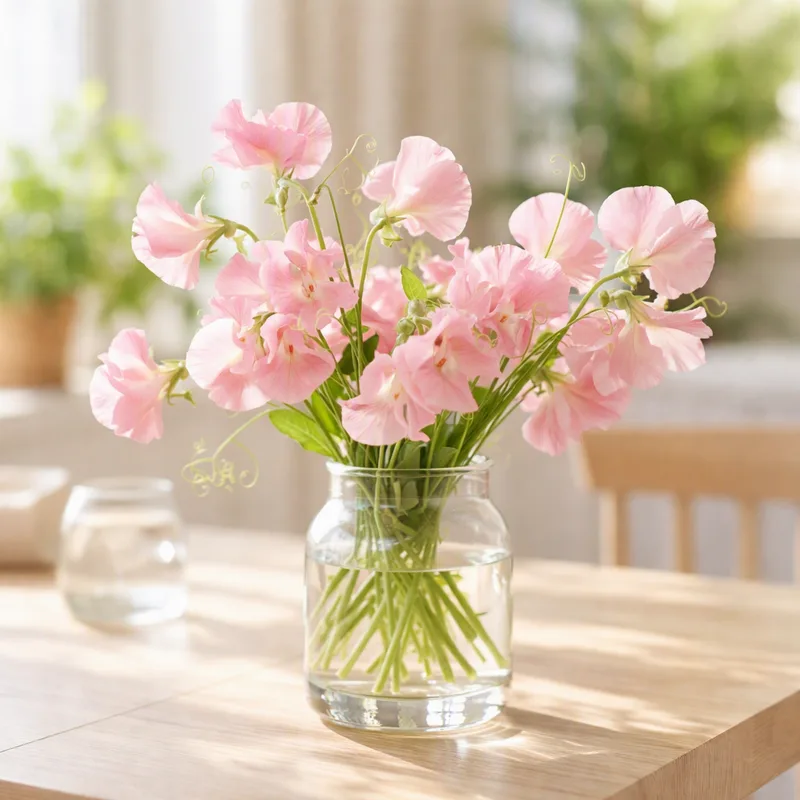
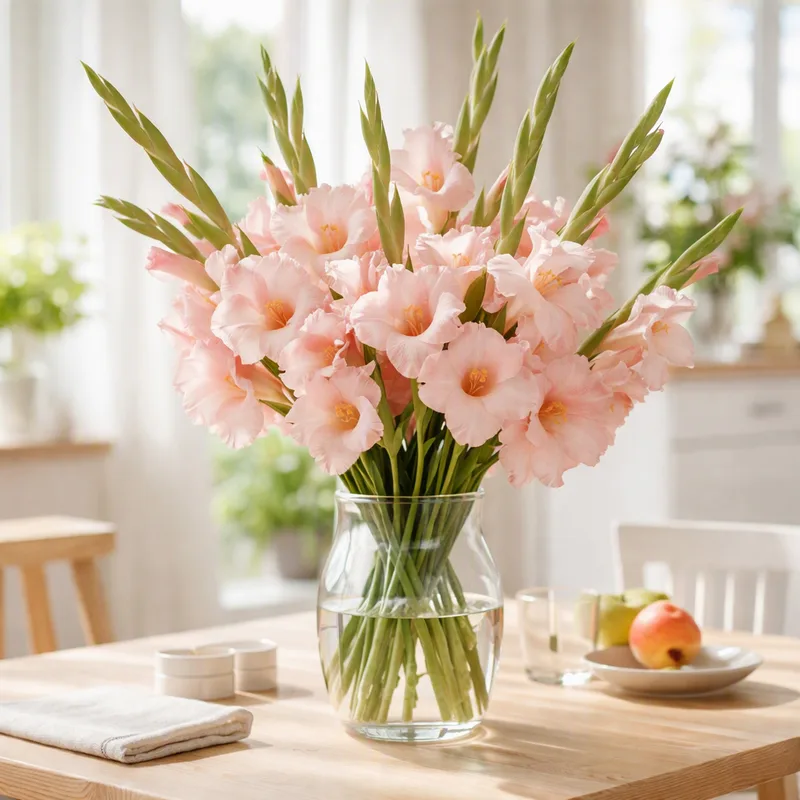
A "gladioli bouquet" works best when you pick a spike with the lowest few florets just open. In a vase, snip a little from the base each few days and nip off the top buds, which lets the lower flowers open more fully. A spike usually lasts about a week.
In a bed
- Plant in full sun, 10 to 15 cm deep, in well-drained soil.
- Stake tall types in windy gardens.
- Watch for thrips, which streak the petals.
- In cold areas such as Canberra or the Tablelands, lift the corms after the leaves yellow.
Warning for animals
The ASPCA lists gladiolus as toxic to dogs, cats and horses; the corms are the part of most concern. Signs include drooling, vomiting and diarrhoea. Contact a vet if an animal has eaten some.