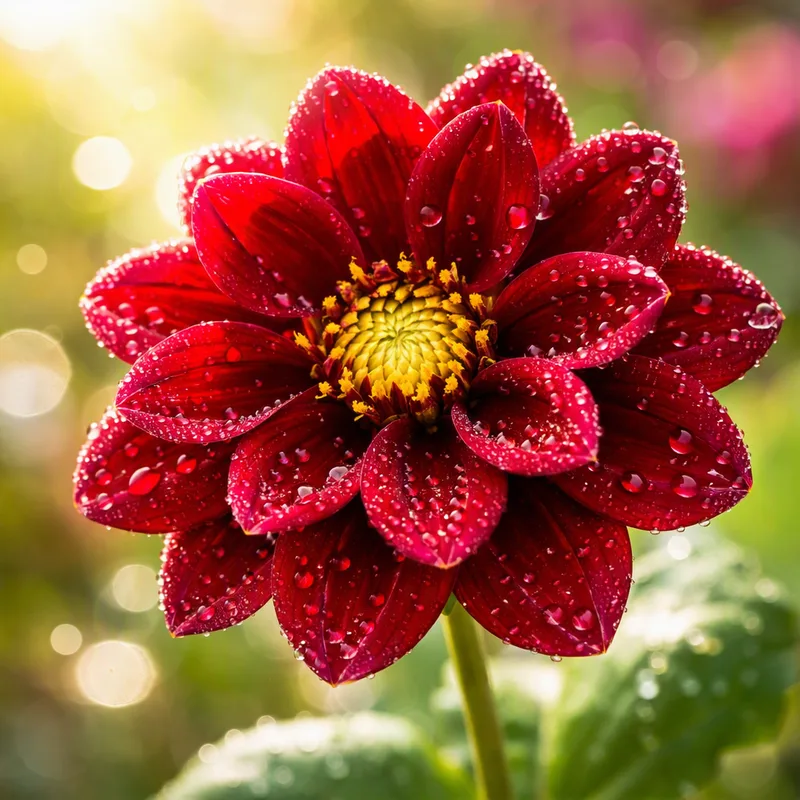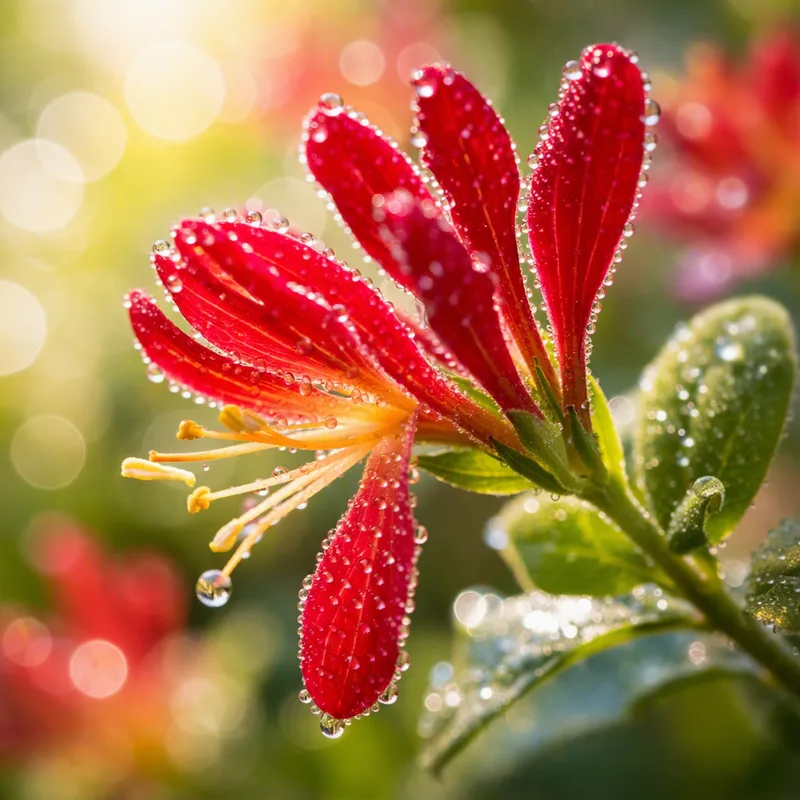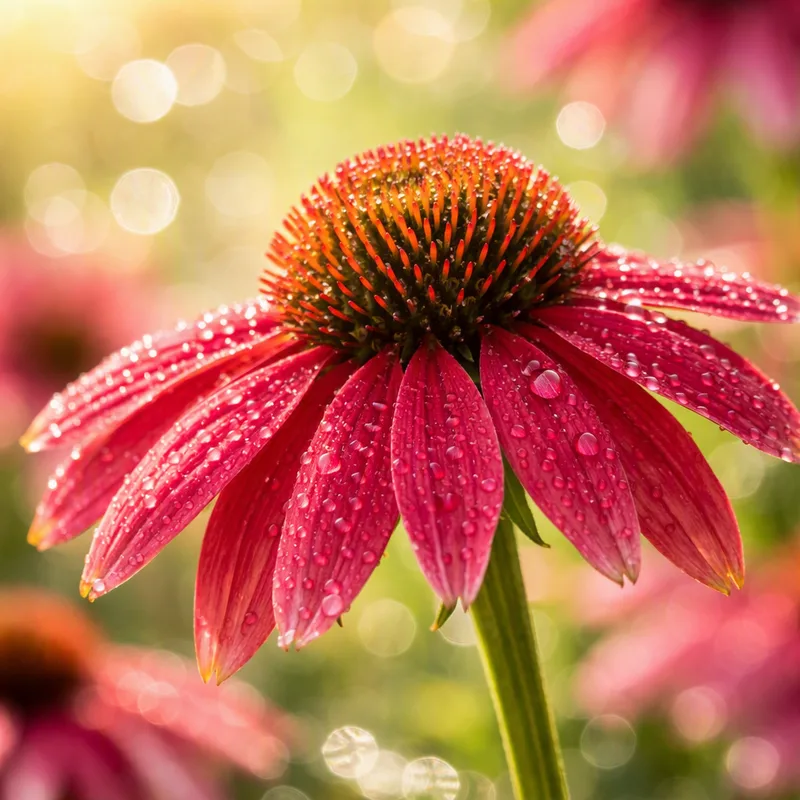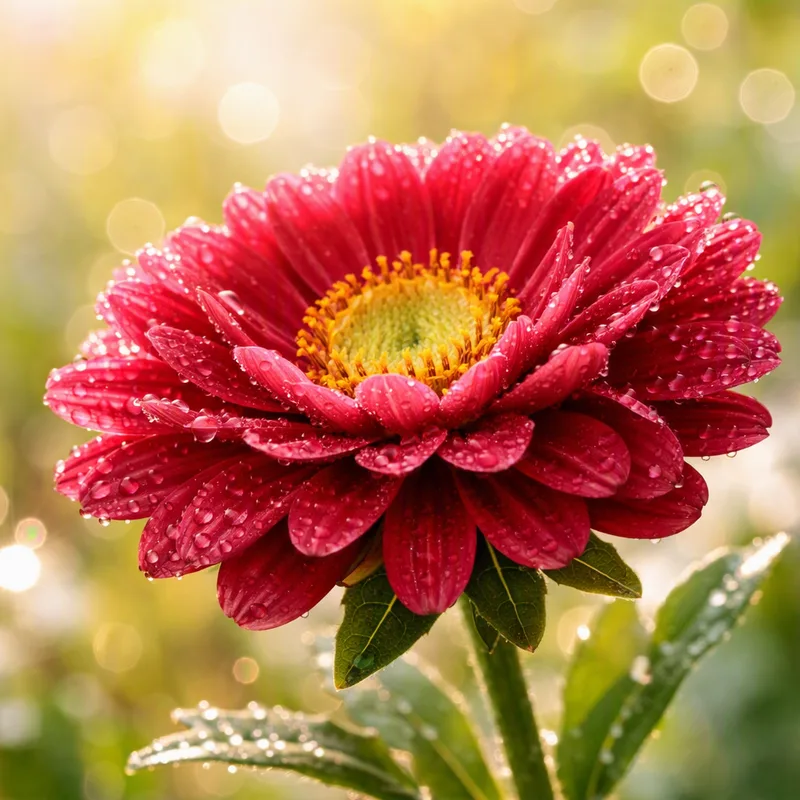
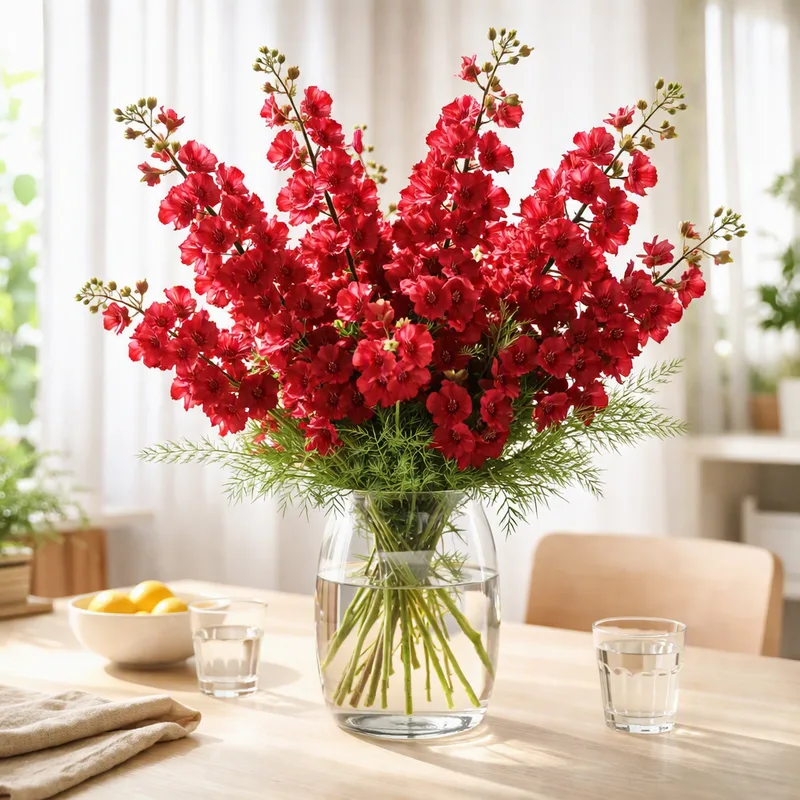
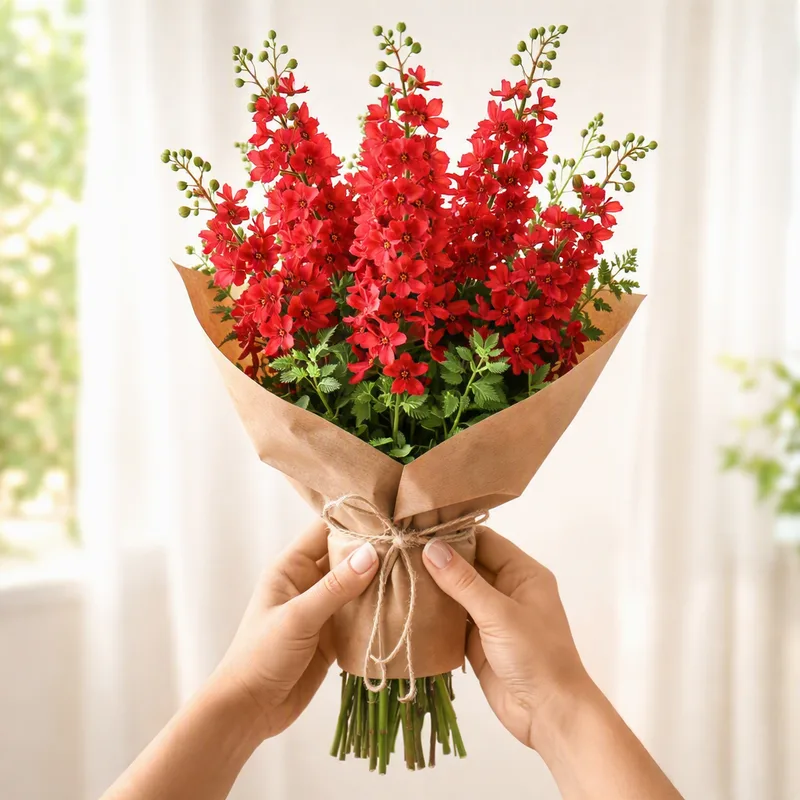
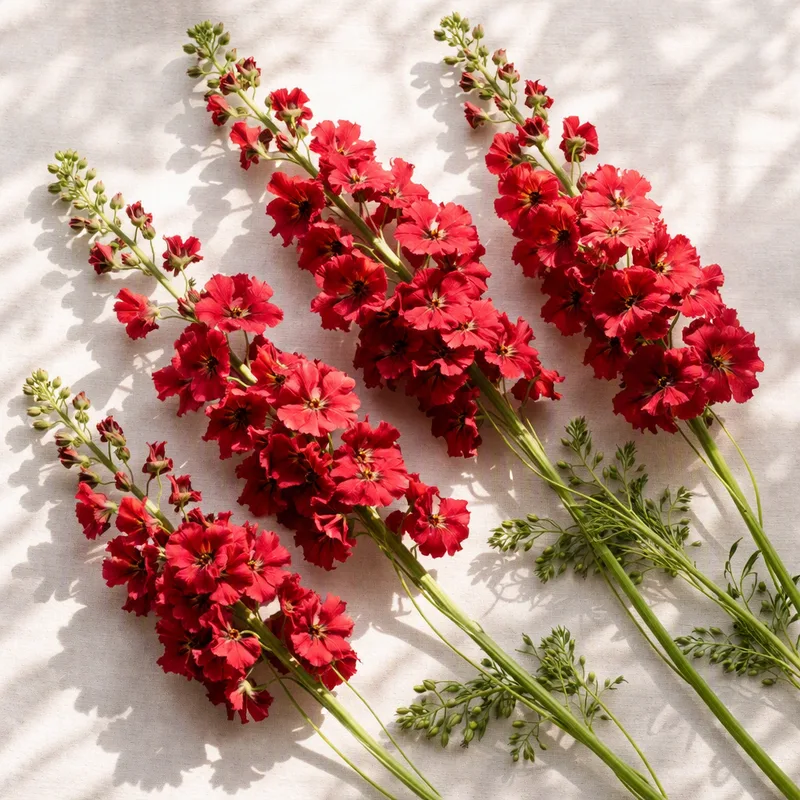
A rarity among the spires
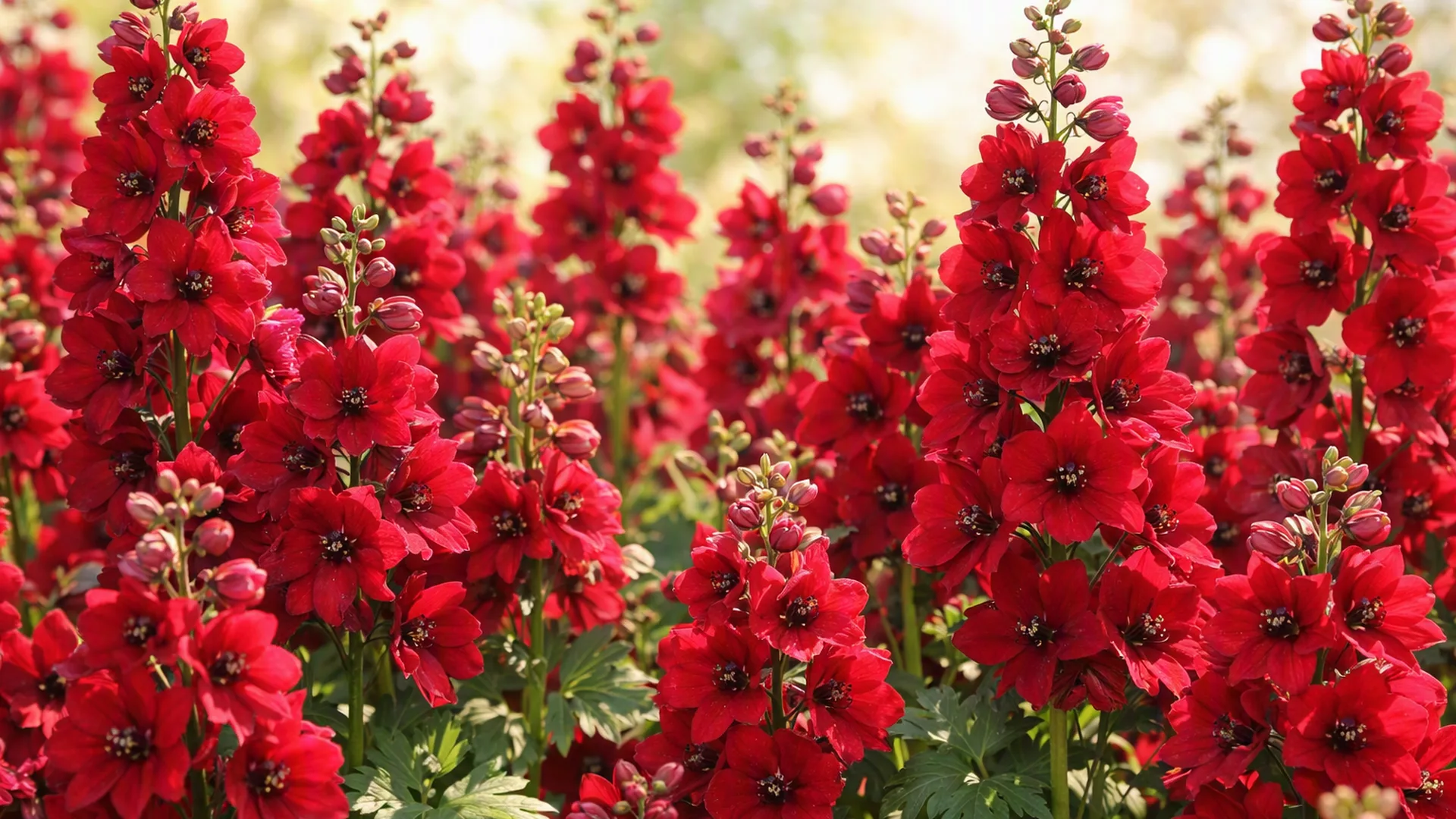
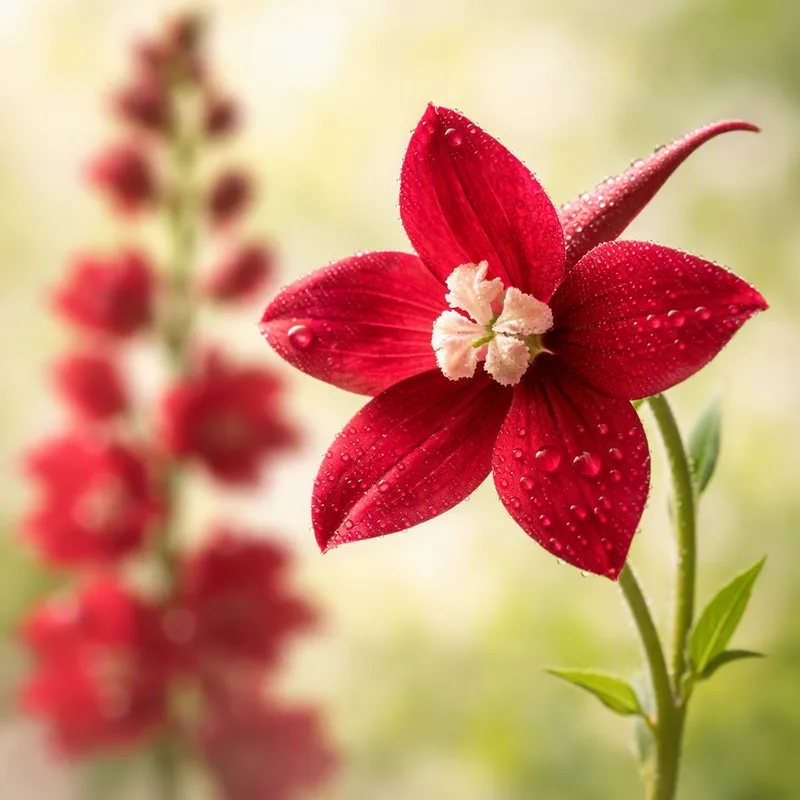
Red is not a typical delphinium shade. Shades of red, orange and pink have come from breeding with Delphinium cardinale, a scarlet wild species from California. These hybrids are normally shorter and more delicate than the tall blue types, and they can be harder to find.
Seeking out red forms
If your garden calls for a red spire, look for cardinal-derived hybrids or plants labelled with warm tones. For a large red display, consider other tall flowers, such as gladioli or snapdragons, that give a similar vertical effect.
Tips for growing
- Provide full sun with some shelter from strong wind.
- Water at the base and mulch to cool the roots.
- Plant in spring, taking care to guard against snails.
- Expect these hybrids to be shorter-lived than the best blue types.
Staying safe around red spires
Like every delphinium, red-flowered ones contain toxic alkaloids. Delphinium appears on the ASPCA list of plants that are toxic to dogs, cats and horses. Don't leave cuttings where pets can reach them. If you suspect a person has swallowed any part, phone the Poisons Information Centre on 13 11 26.
Annual larkspur (Consolida) is easier to raise from seed, though it comes mostly in blue, pink, lilac and white. Buy delphiniums in flower if the exact colour matters, because seedlings of cardinal hybrids vary.
Gift and symbol
There is no fixed tradition for red delphinium, but the genus generally stands for openness and joy.