Leaves dressed as flowers
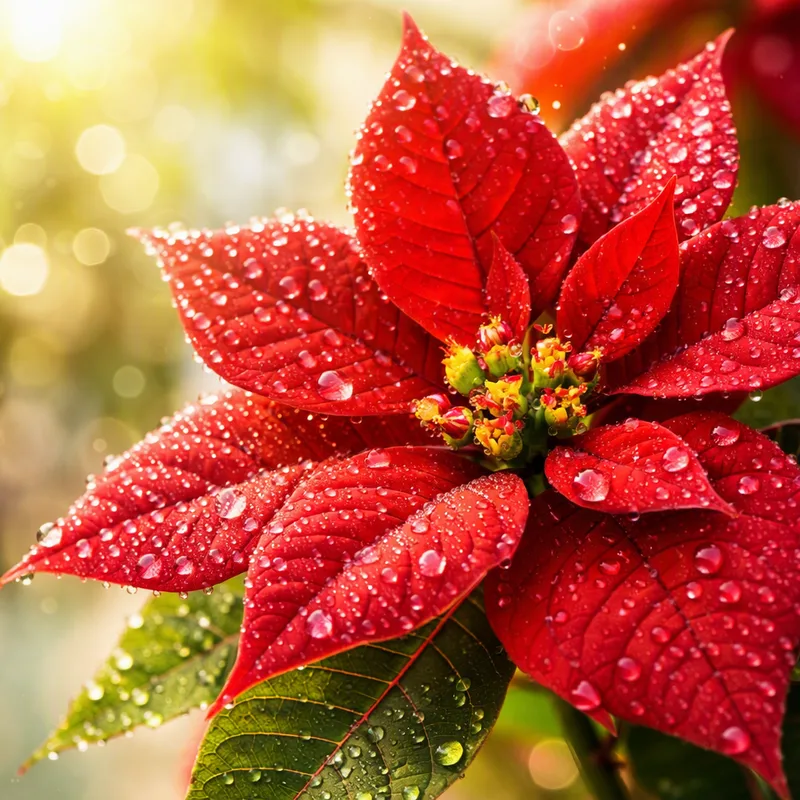
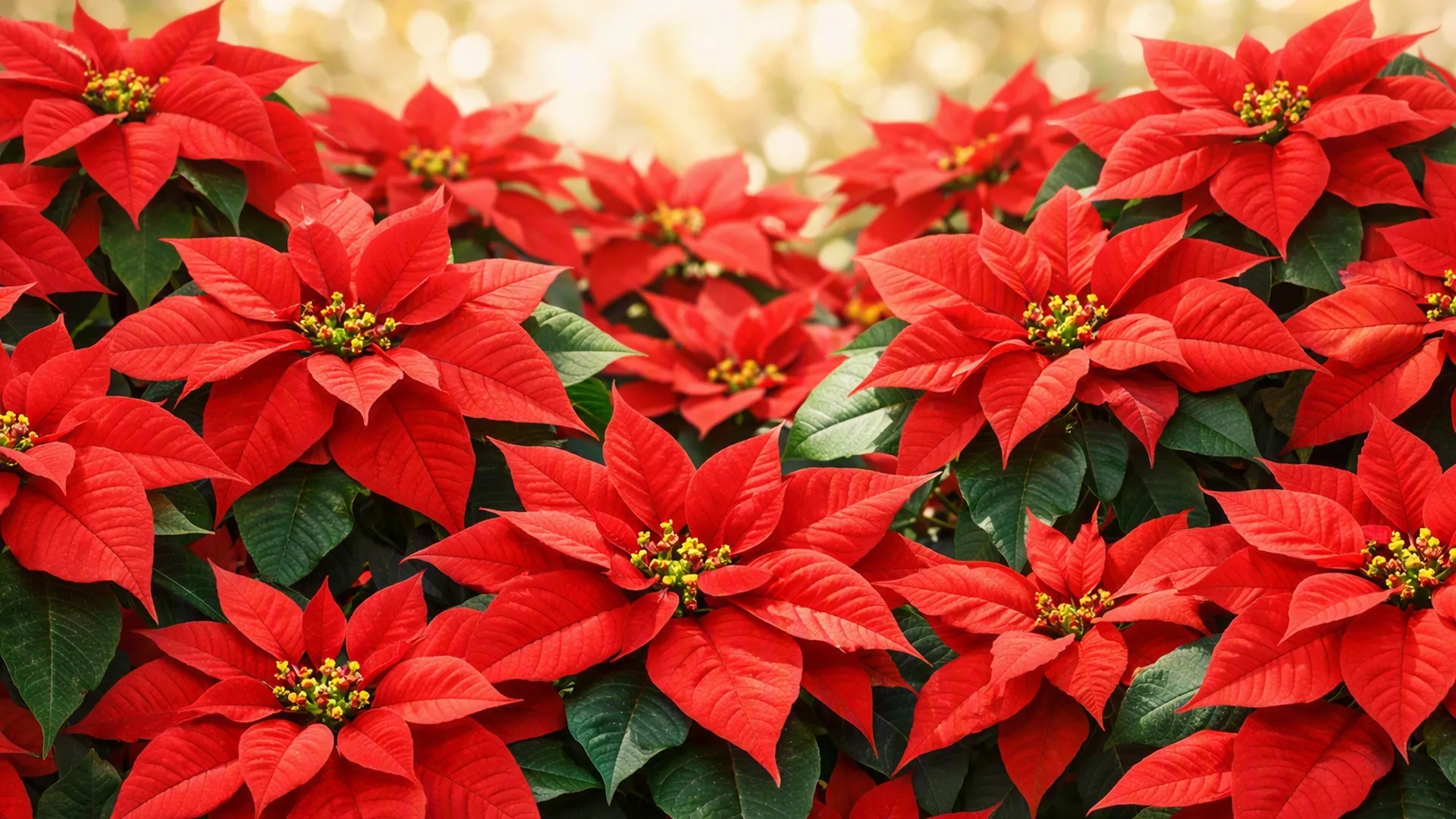
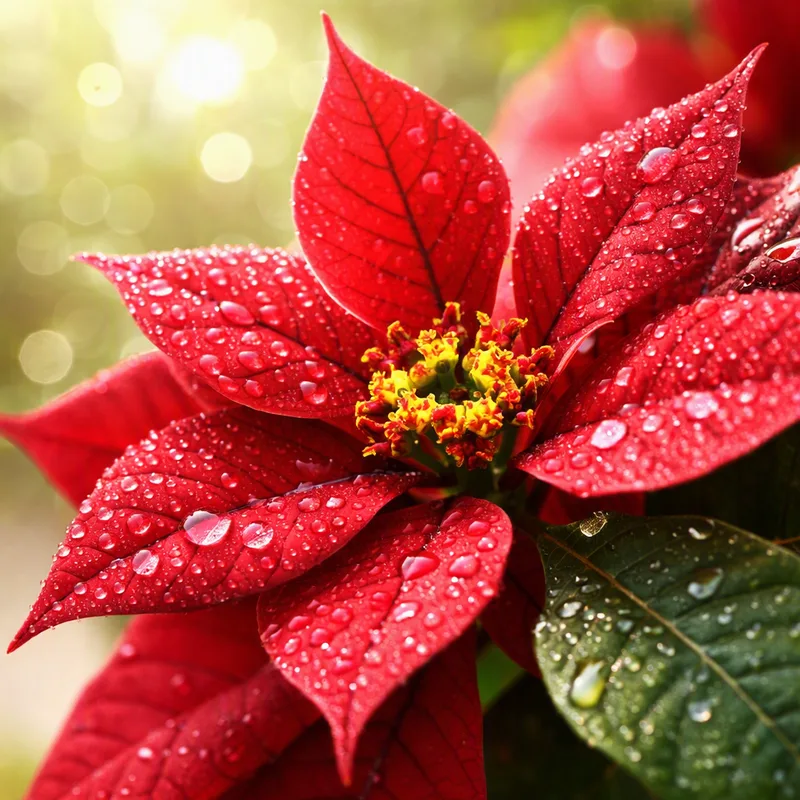
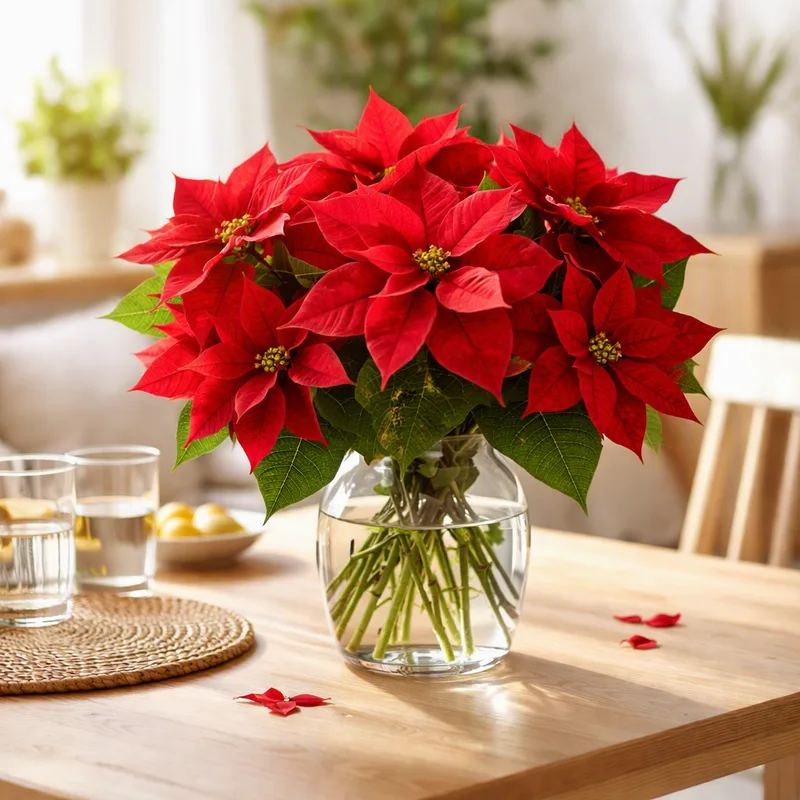
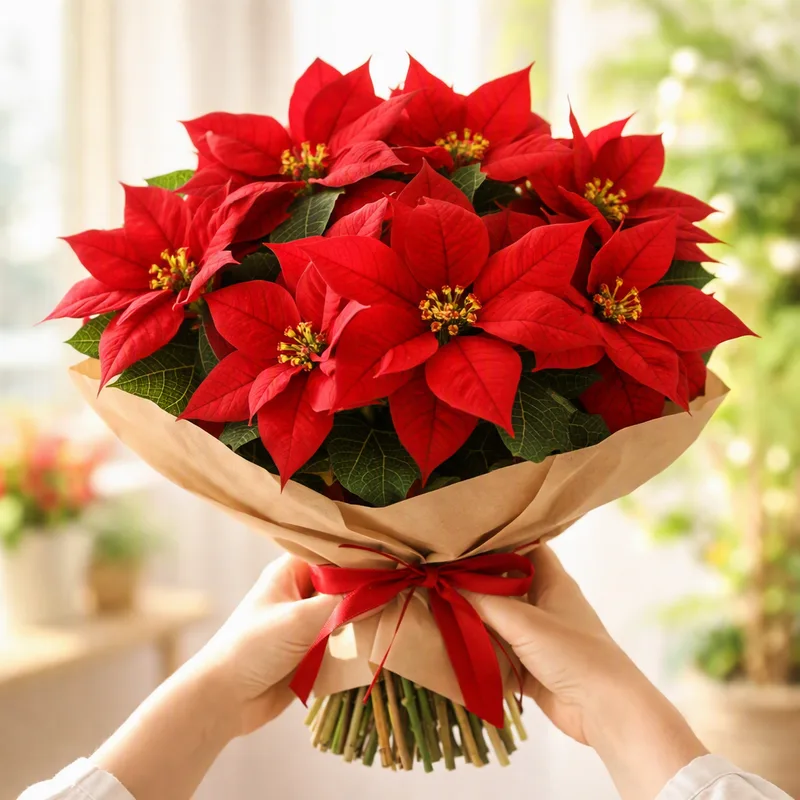
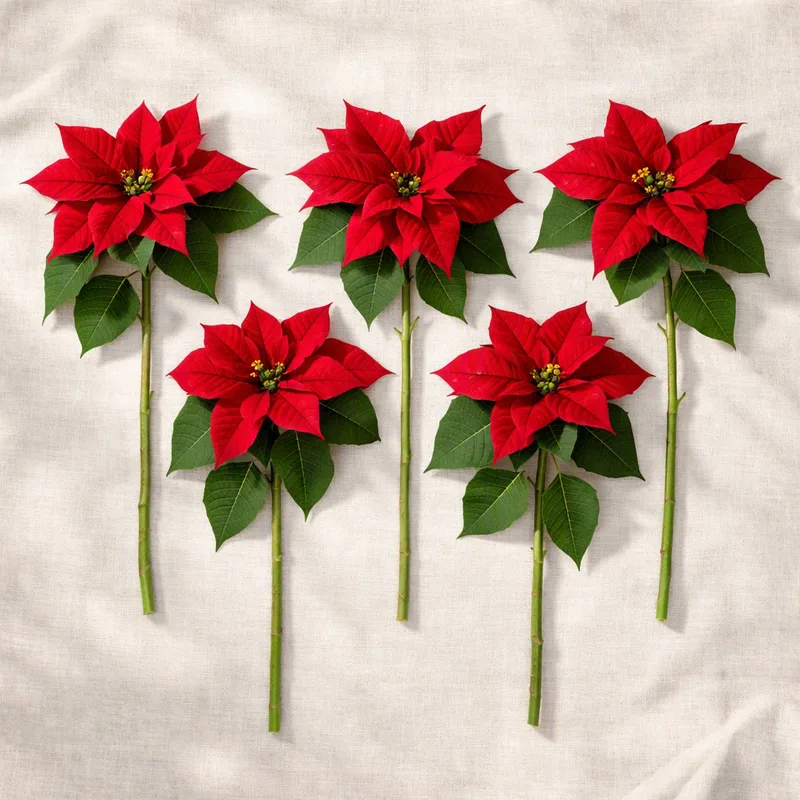
The bright part of a poinsettia is made of bracts, a kind of altered leaf. Its actual blooms are the little yellow clusters at the heart. Euphorbia pulcherrima comes from Mexico, where it grows as a leggy shrub several metres tall, and the English name honours Joel Poinsett, who served as a US envoy in Mexico. Red is the wild colour and still the classic one.
A winter plant sold at a summer Christmas
Poinsettias are short-day plants, which means the bracts colour only after weeks of long nights. In the southern hemisphere that happens naturally from autumn into winter, so outdoor plants in frost-free gardens in Brisbane, Perth and warm parts of Sydney turn red around May to July. Pots on sale in December have been timed by growers with controlled lighting, so they arrive at Christmas looking ready-made.
Surviving an Australian summer
- Put the pot in bright light but out of the harsh afternoon sun, which scorches the bracts.
- Avoid hot cars, hot patios and air-conditioner blasts. Sudden changes make the leaves drop.
- Water only when the top of the mix feels dry, and tip away water left in the saucer.
- In Melbourne, Hobart and Canberra frosts will kill an outdoor plant, so keep it inside in winter.
Milky sap and animals
The milky sap is irritating to the mouth, skin and stomach, and anyone allergic to latex should steer clear. The ASPCA rates the poinsettia as an irritant for dogs, cats and horses and notes that its toxicity is often overstated, with vomiting the most common sign. Ring a vet if an animal has eaten some. For a person, the Poisons Information Centre on 13 11 26 can advise.