A gentler shade
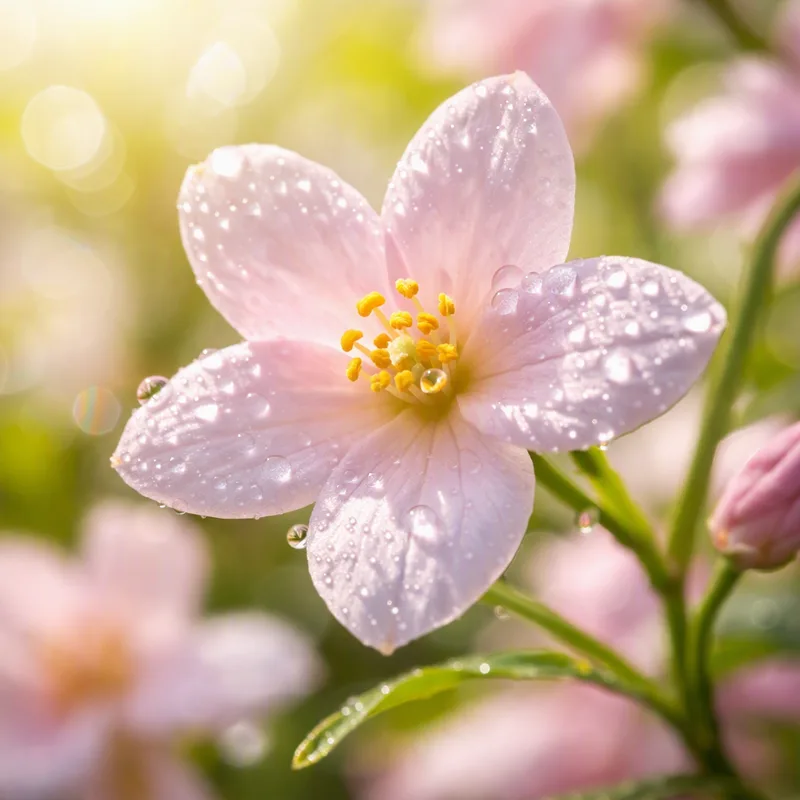
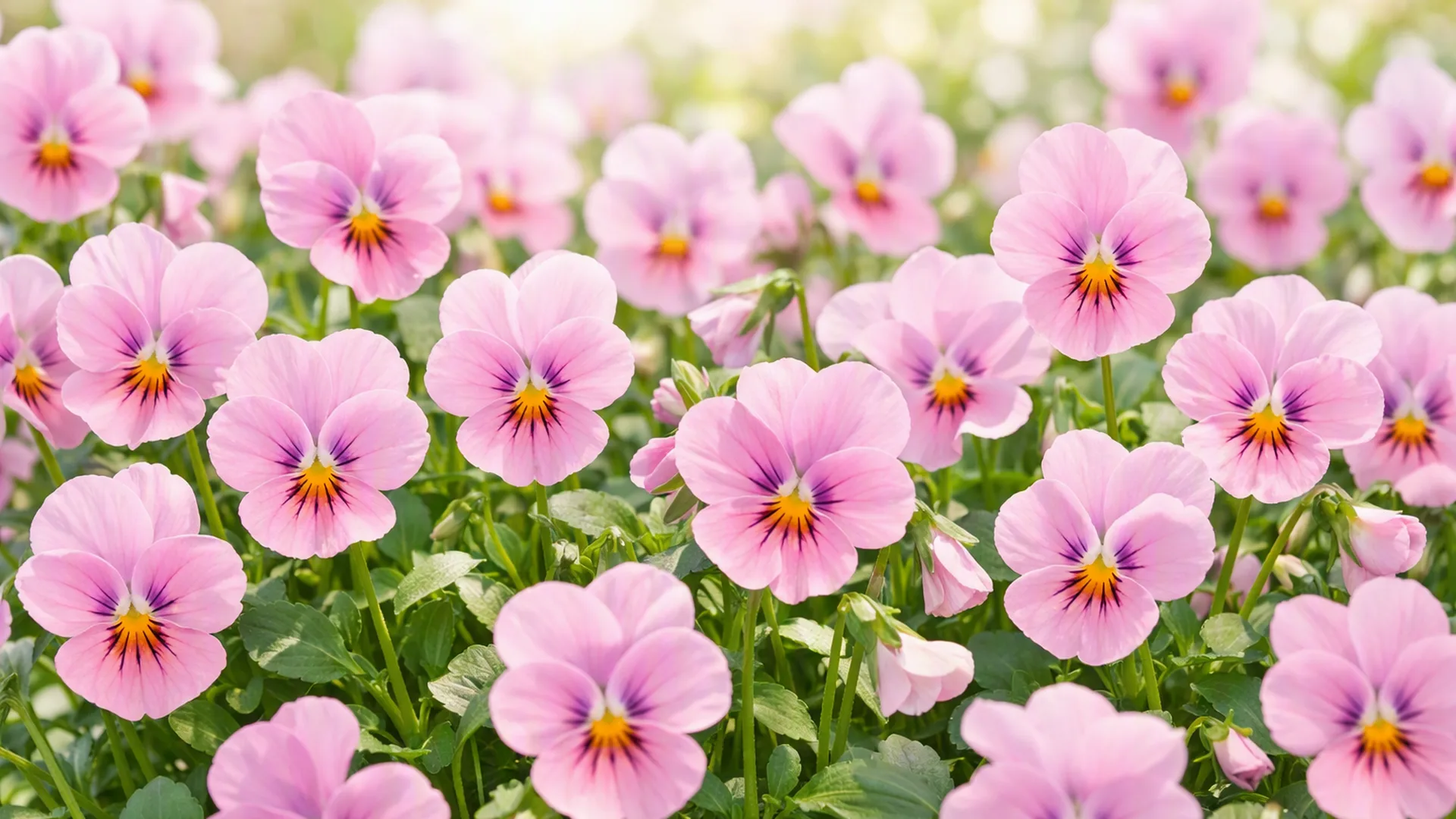
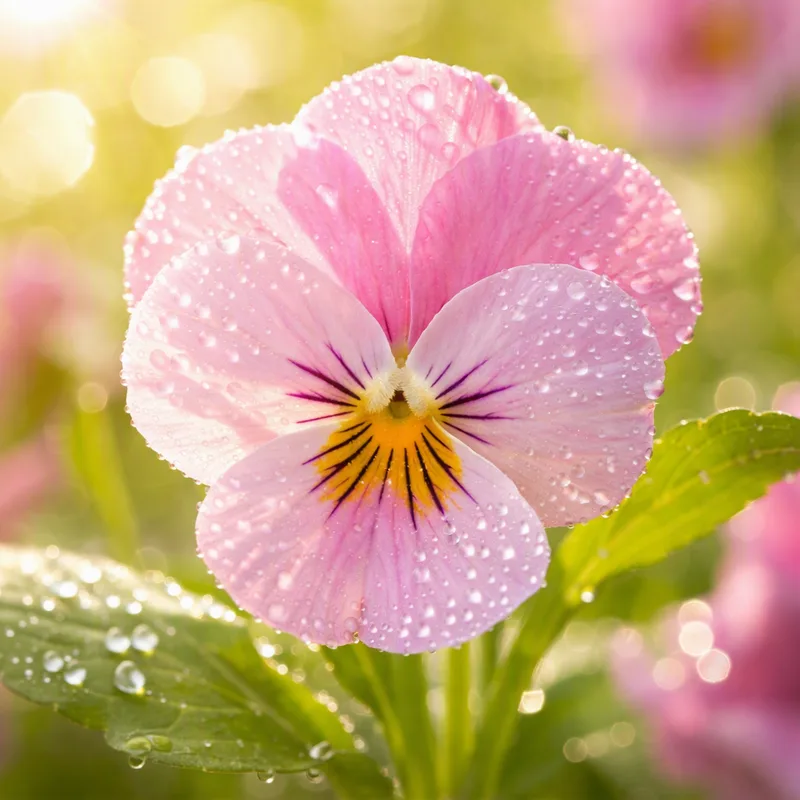
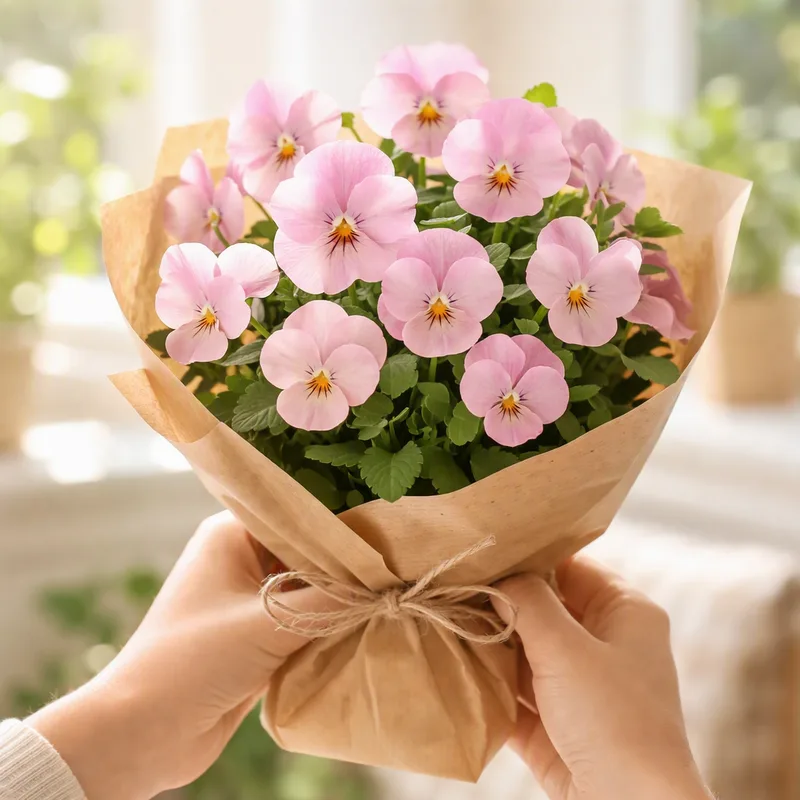
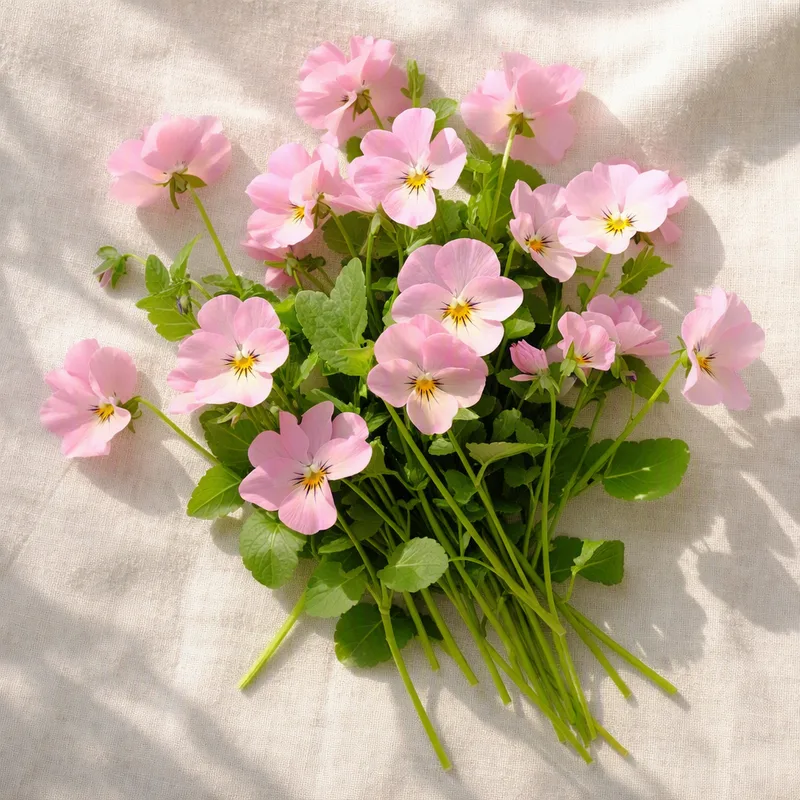
Pink violets are less common than purple ones, but pink-flowered sweet violets and pink violas have been grown for a long time. Pansy breeders have also produced rose and salmon tones. Colours often show a darker eye or fine veining on the lower petal.
Growing in Australia
Most violets want cool conditions. Planting in autumn lets the roots settle before winter, and the flowers open from late winter into spring. Where summers are mild, perennial violas can come back for several years.
Easy routines
- Give them morning sun and some afternoon shade.
- Use a free-draining potting mix for containers.
- Feed every few weeks with a liquid fertiliser.
- Remove spent blooms so that the plant keeps producing buds.
Using pink violets
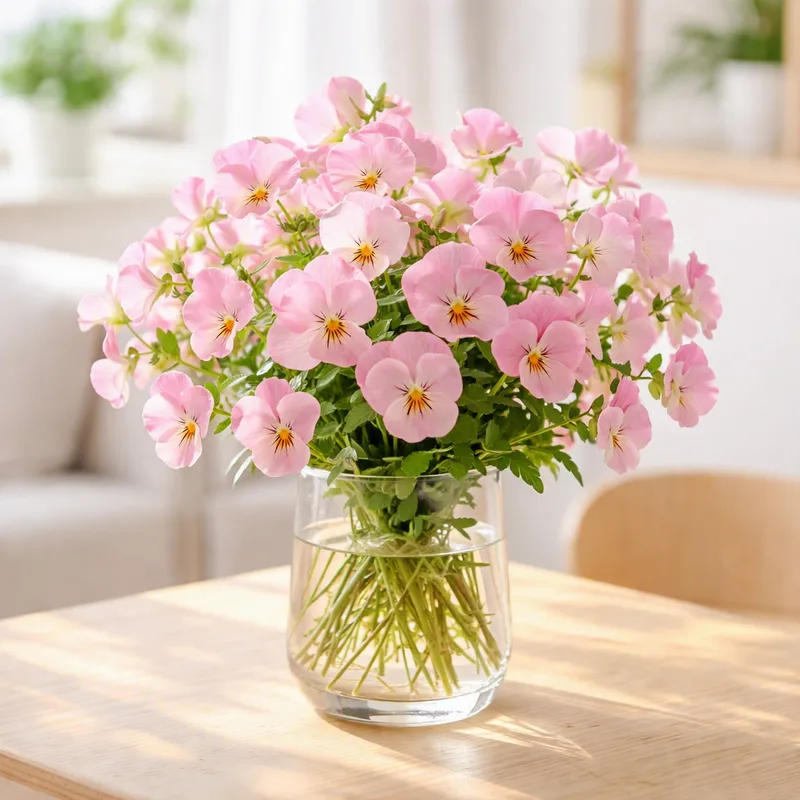
A pink viola works as an edge for a border and as a living cover for the soil around taller plants. In a pot, mix it with white alyssum or blue lobelia. For spring weddings and Mother's Day posies in May, small violas can be picked a few at a time.
Violets are good first plants for a children's garden, with the flowers close to the ground and easy to pick. Planting them under a deciduous shrub gives winter sun and summer shade.
Violets and pets at home
Pet-safety lists from the ASPCA do not cover this plant, as far as we could see. Keep plants out of reach of animals that chew leaves, and ask your vet if in doubt.