

One name, several plants
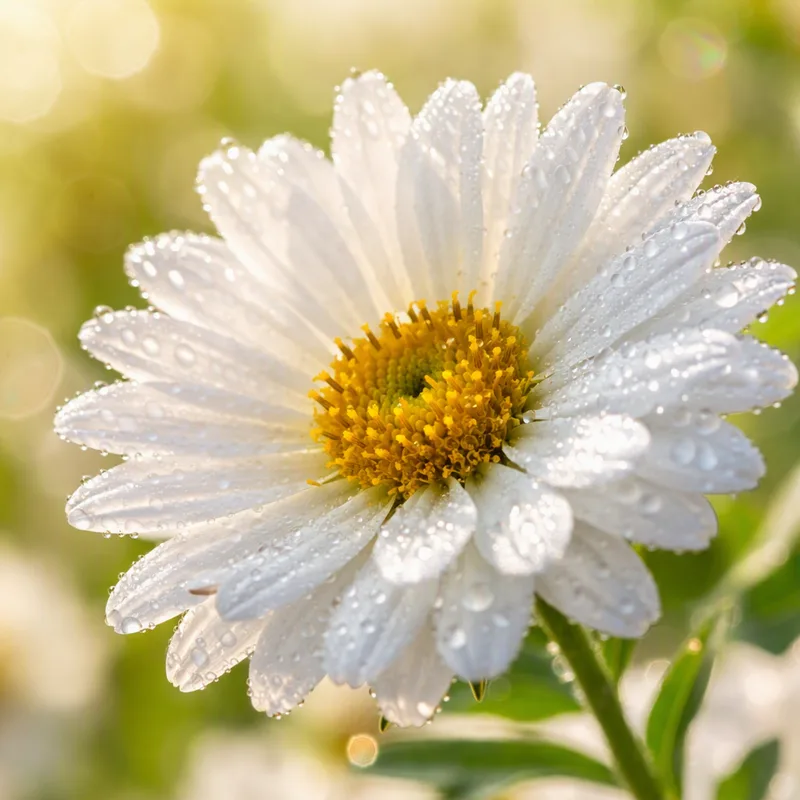
Aster is the Greek word for star, and the name stuck. In the garden, the name is applied to more than one genus. After a botanical reshuffle, the genus Aster itself holds mainly the Eurasian species, while the tall North American autumn asters sit in Symphyotrichum. The annual China aster, a favourite for cutting, belongs to a separate genus, Callistephus.
A Michaelmas daisy that flowers in the wrong season
The common name Michaelmas daisy refers to Michaelmas on 29 September, when these plants bloom in the northern hemisphere. In Australia that date falls in spring, yet the plants still flower in autumn, from about March to May. The name is simply carried over from overseas.
Growing asters
- They suit full sun and open, airy positions.
- Mildew is the common problem, so avoid crowding the plants.
- Cool-temperate gardens such as Melbourne, Canberra and Tasmania suit perennial asters best.
- In humid subtropical areas, treat China asters as a warm-season annual sown in spring.
Clumps can be divided in late winter or early spring, which keeps them vigorous.
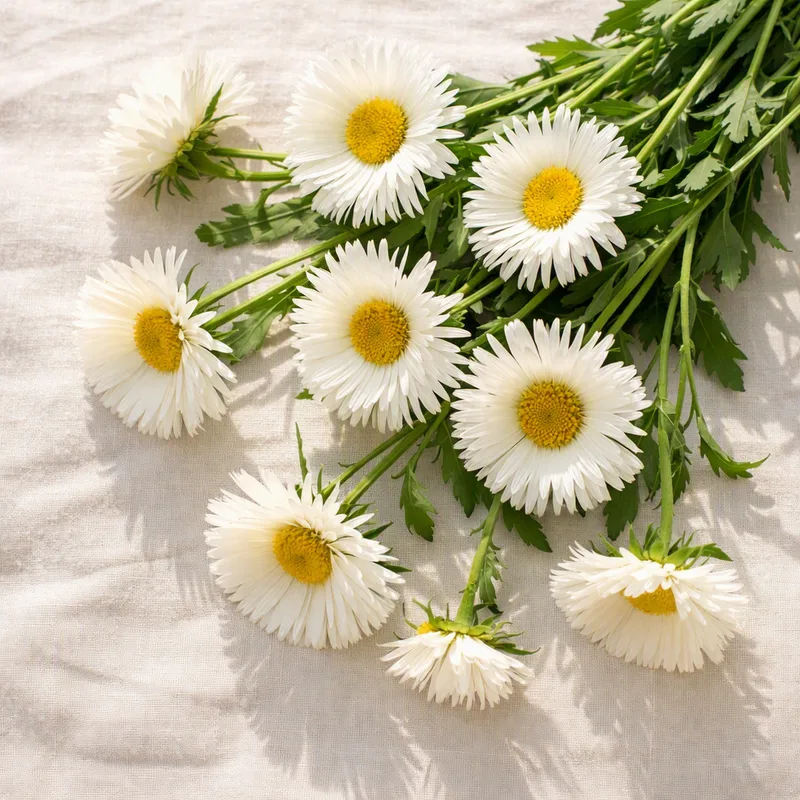
Asters are generous with insects. Their open flowers give bees and hoverflies easy access to nectar late in the season, and the starry heads supply colour once the summer annuals have faded. For cutting, look for stems carrying several buds, because the flowers open over a long period.
Aster and the family dog
The ASPCA database rates aster as non-toxic for dogs, cats and horses.