
Why dragon?
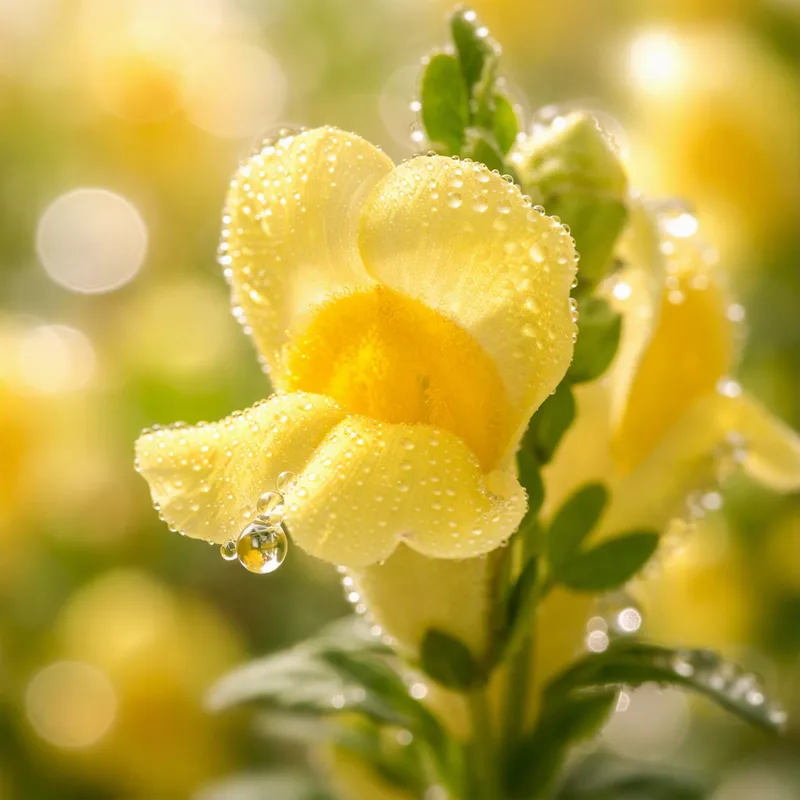
Squeeze the sides of a snapdragon flower and the "mouth" opens, then snaps shut when you let go. Children have played with the effect for centuries. The Latin genus name Antirrhinum comes from Greek words meaning "nose-like", which is a nod to the same shape. The wild plant, Antirrhinum majus, grows on rocky slopes and old walls around the western Mediterranean. It is a short-lived perennial that gardeners usually treat as an annual.
A cool-season flower for the southern hemisphere
Snapdragons dislike heat and humid summers, which is why timing matters in Australia. In Sydney, Perth, Adelaide and Brisbane, sow seed or plant seedlings from March to May for flowers through winter and spring. In Melbourne, Hobart and Canberra, plant in autumn for spring flowers or in early spring for summer blooms. In the tropics, grow them in the dry season only. Light frost does not usually hurt established plants.
Tall and dwarf forms
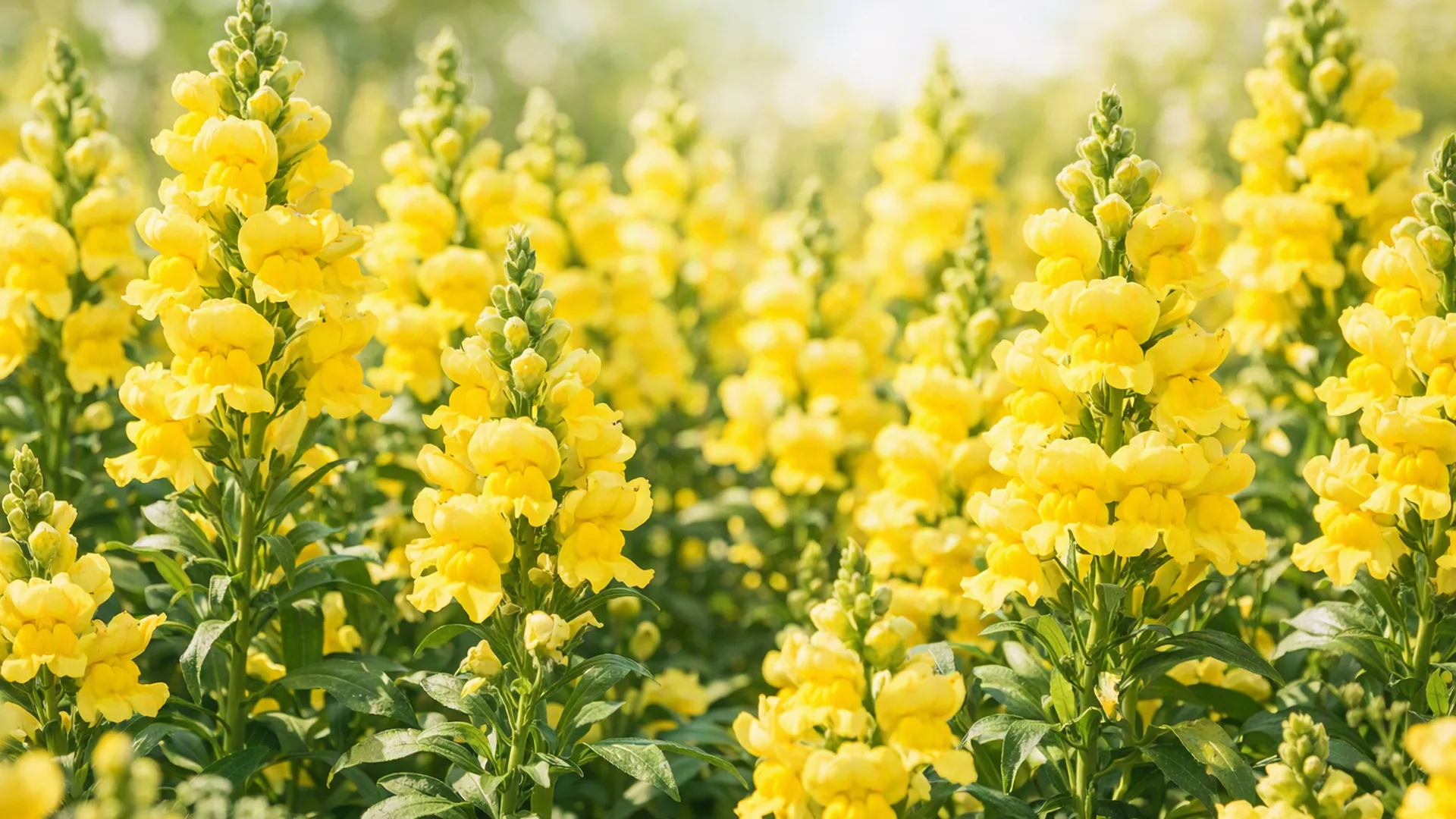
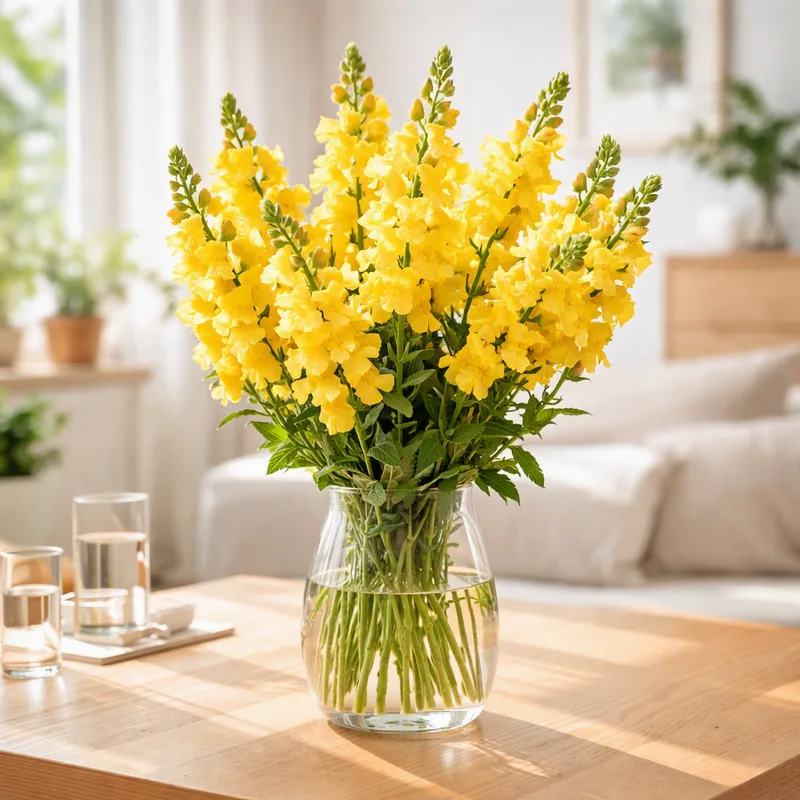
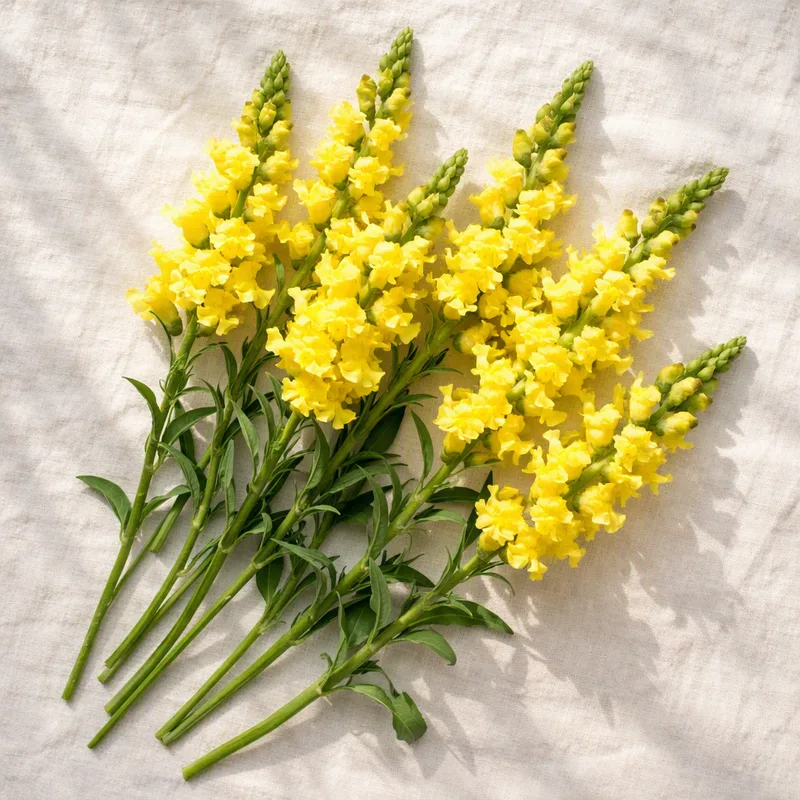
Heights range from dwarf types around 20 cm up to spires near a metre, so check the label. Tall kinds are grown for cutting and look best in bunches, while the dwarfs are bedding plants. The flowers open from the bottom of the spike upward, and the spike can be cut when about a third of the buds have opened.
Common trouble
- Rust shows up as orange-brown pustules under the leaves in damp weather.
- Crowded plants get mildew, so leave space for air.
- Pinch young plants to make them branch.
Is it poisonous?
The ASPCA's database puts snapdragon among the non-toxic plants for dogs, cats and horses.