A bright shade from a cool-coloured family
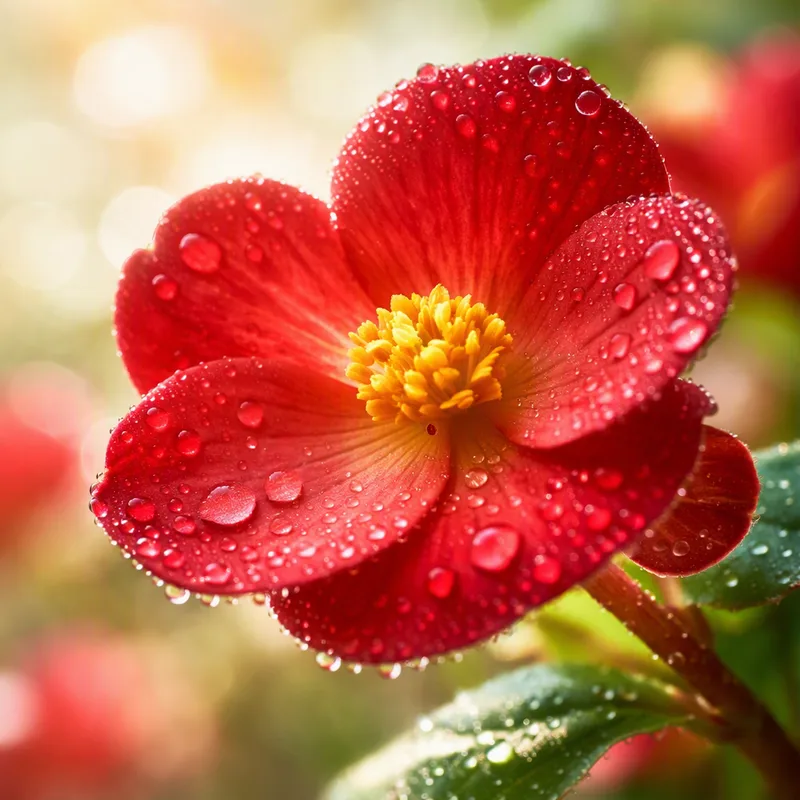
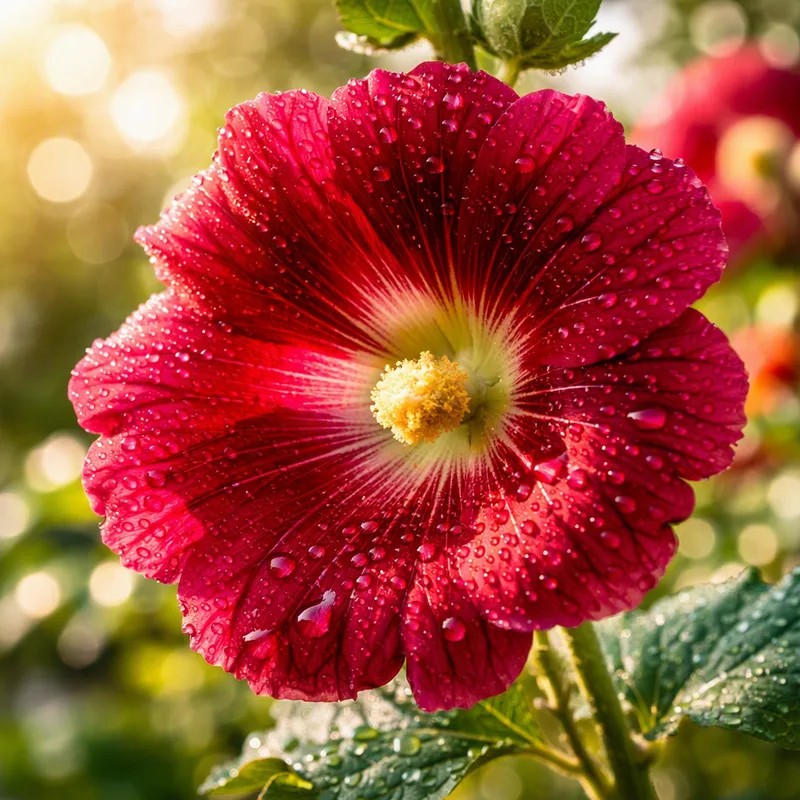
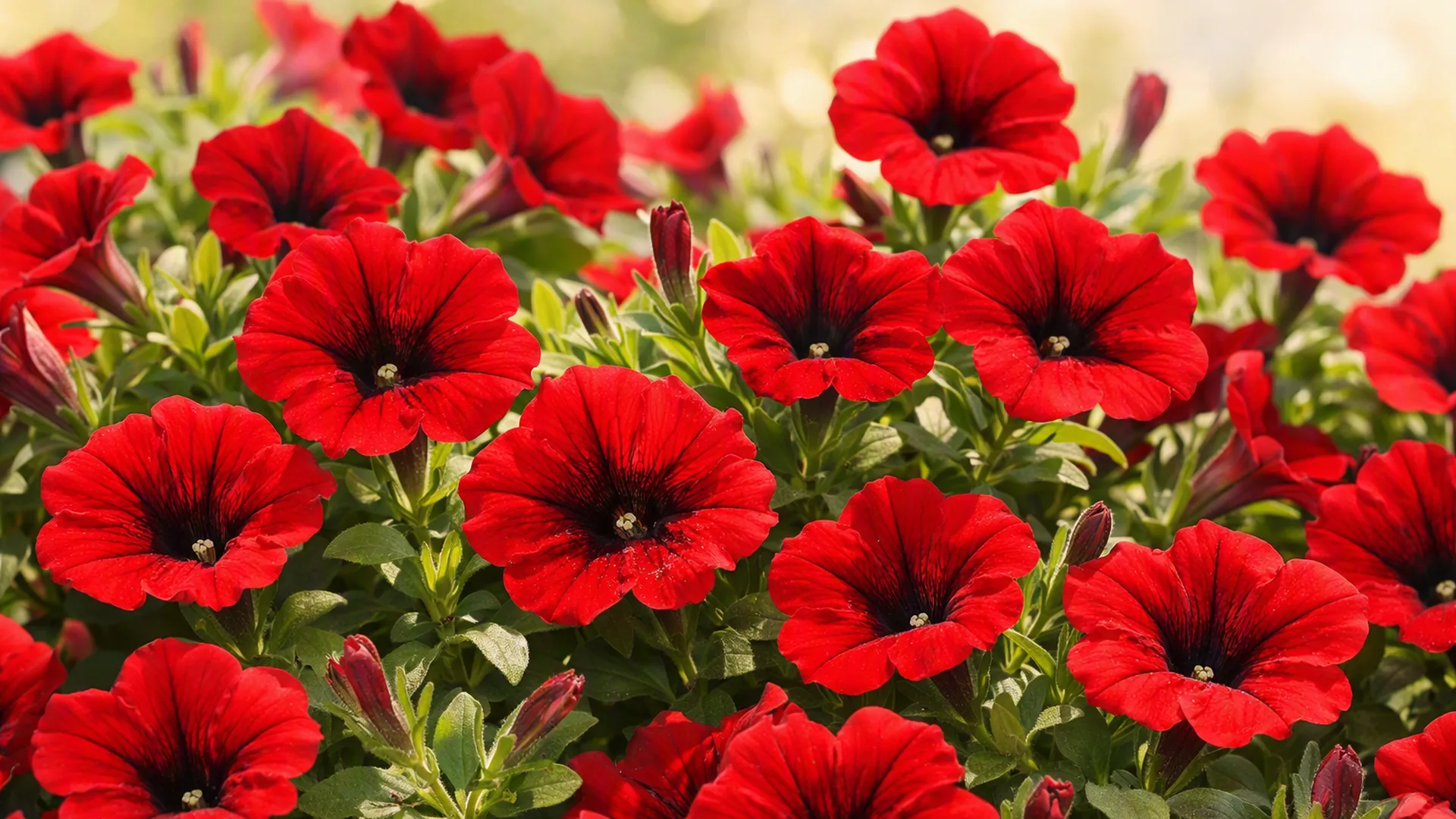
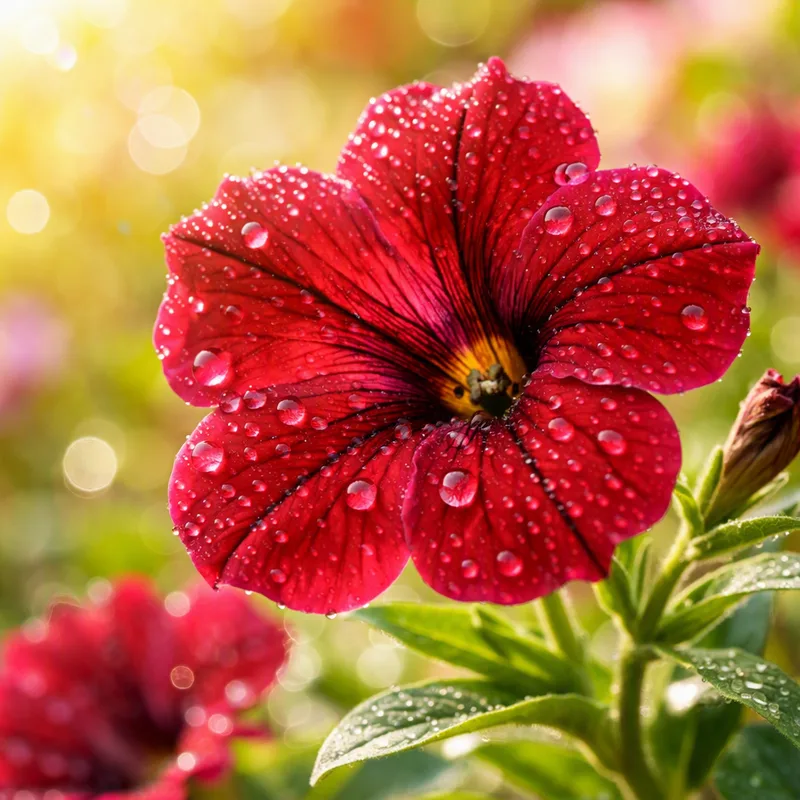
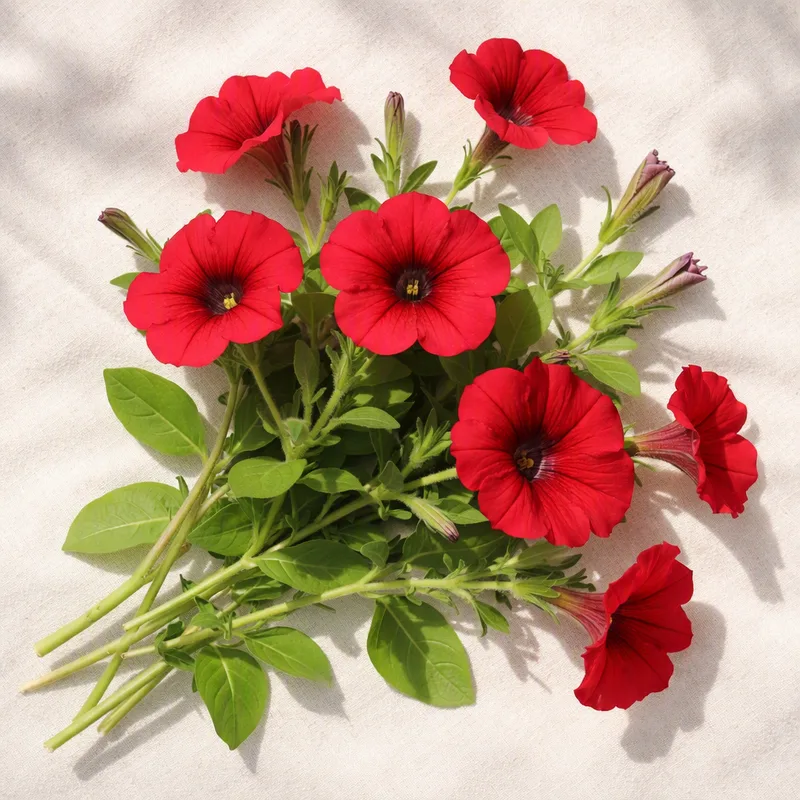
Wild petunias are white or violet. Red came through breeding, with the first hybrids appearing in the 19th century, and modern red petunias range from bright scarlet to deep burgundy. Some have a pale throat or a white edge. As with most red flowers, the pigment fades a little in intense summer sun, so a bit of afternoon shade keeps the colour richer.
What about a bouquet?
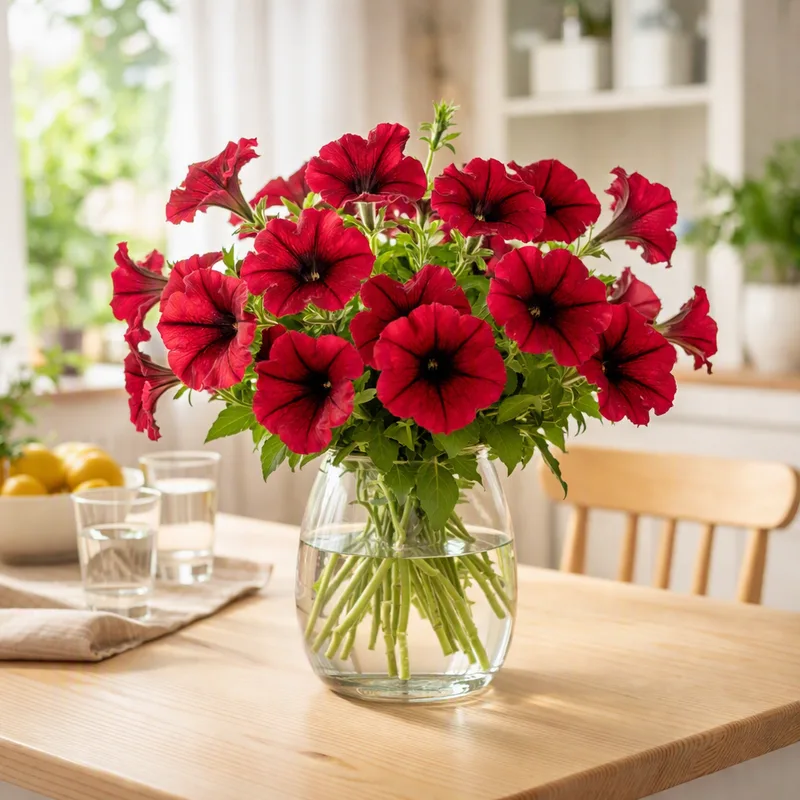
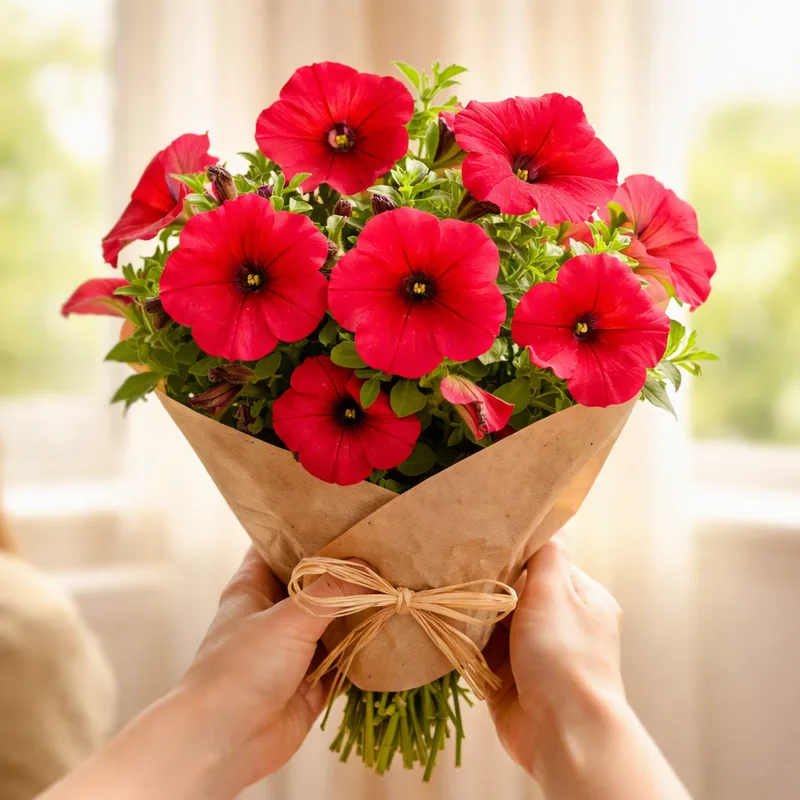
One search that brings people here is "petunia bouquet". Petunias are not a cut flower. The stems are soft and sticky and the blooms wilt within a day or so out of water, so florists leave them out of arrangements. A red petunia in a pot, basket or window box gives far more flowering for the effort, and a potted plant makes a living gift that lasts a whole season.
Heat, wind and water
Red varieties bring a lot of colour, but they need regular attention in a hot climate:
- Water deeply as soon as the top few centimetres of mix are dry. Hanging baskets may need water daily in summer.
- Feed with a liquid fertiliser every week or two while flowering.
- Pick off spent blooms and trim straggly shoots to keep the plant compact.
- Shelter it from hot, drying winds, which burn the foliage.
Pairings that work
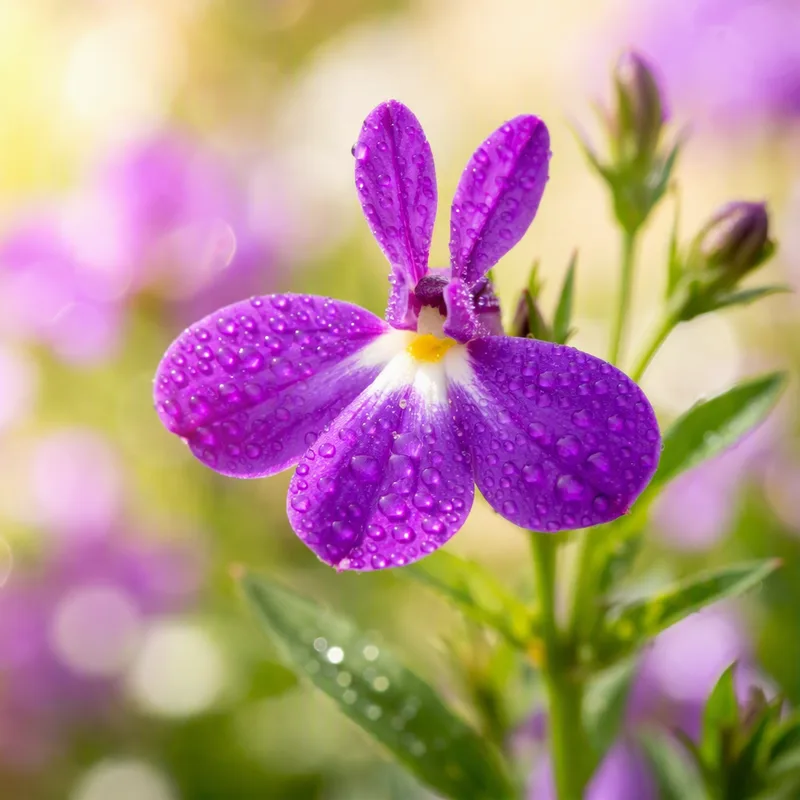
Red petunias sit well next to white alyssum, blue lobelia, silver foliage or dark green herbs. They are a cheerful summer choice for Melbourne and Hobart, a spring and autumn plant in Brisbane, and a dry-season plant in Darwin.
Four-legged family members
Vets using the ASPCA plant list will find petunias listed as non-toxic for cats, dogs and horses.