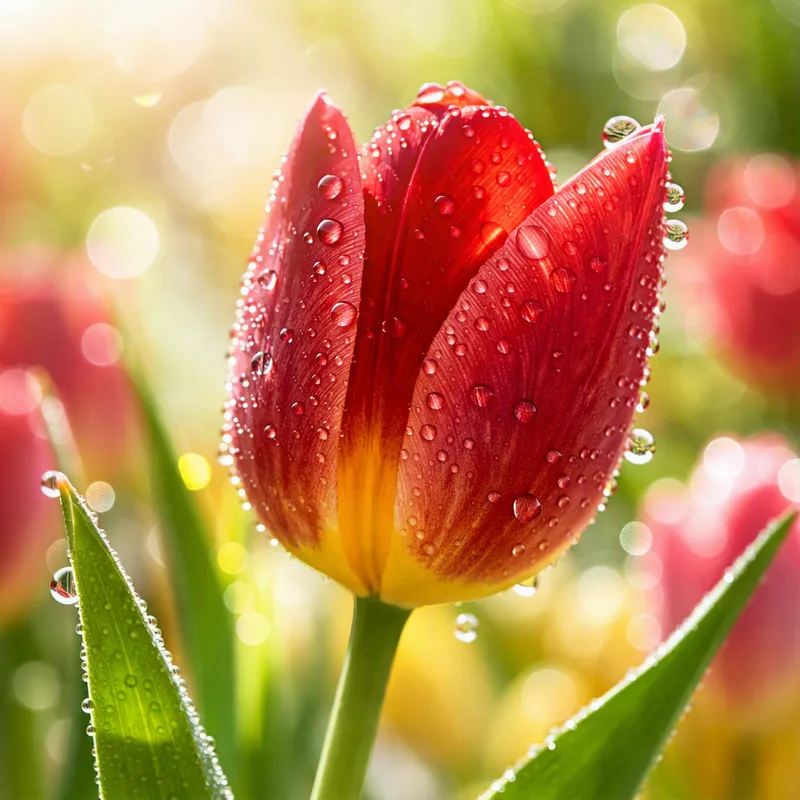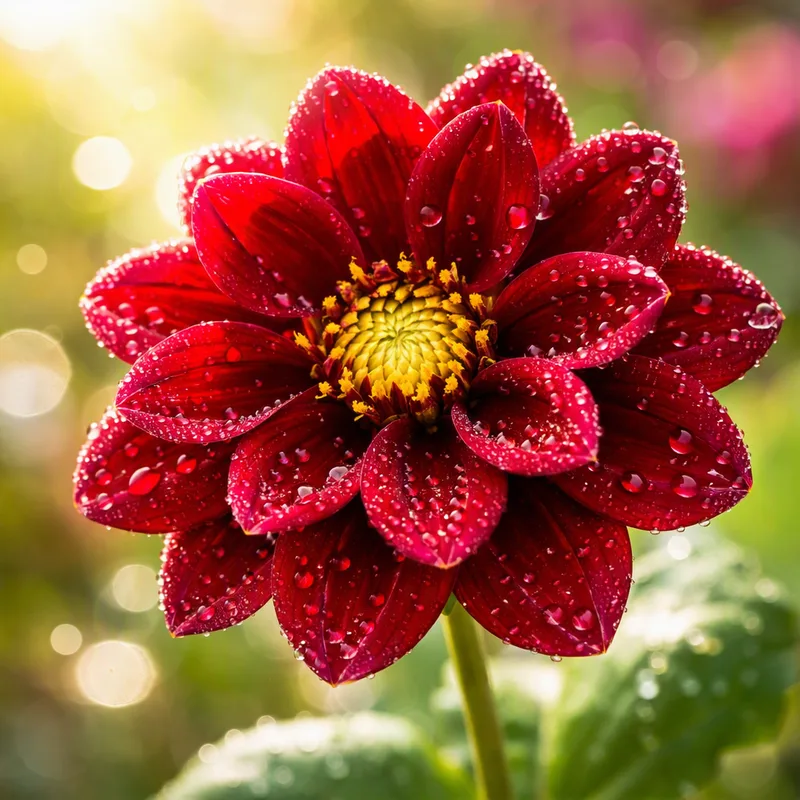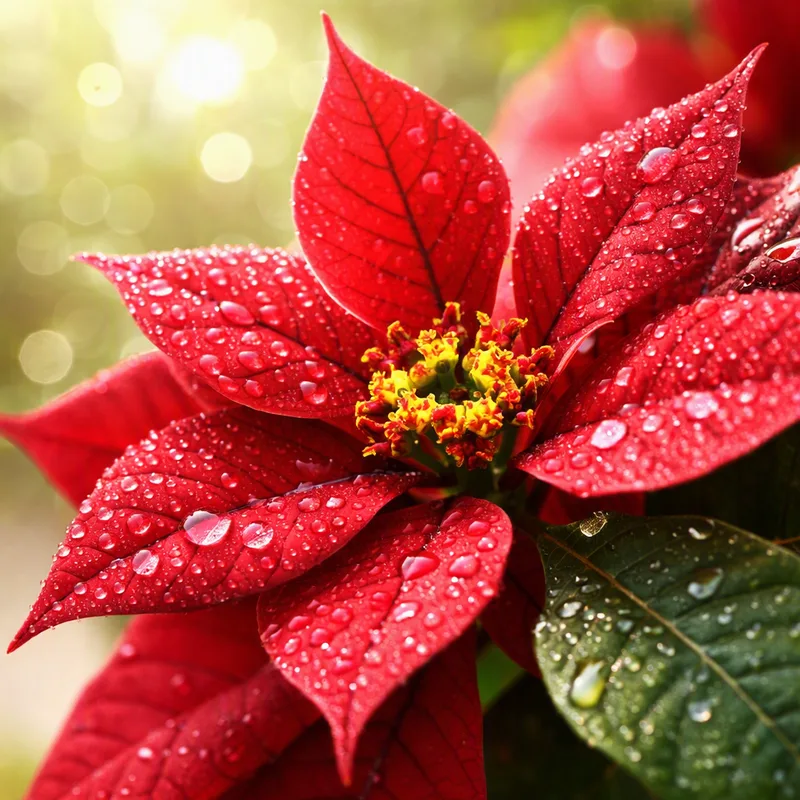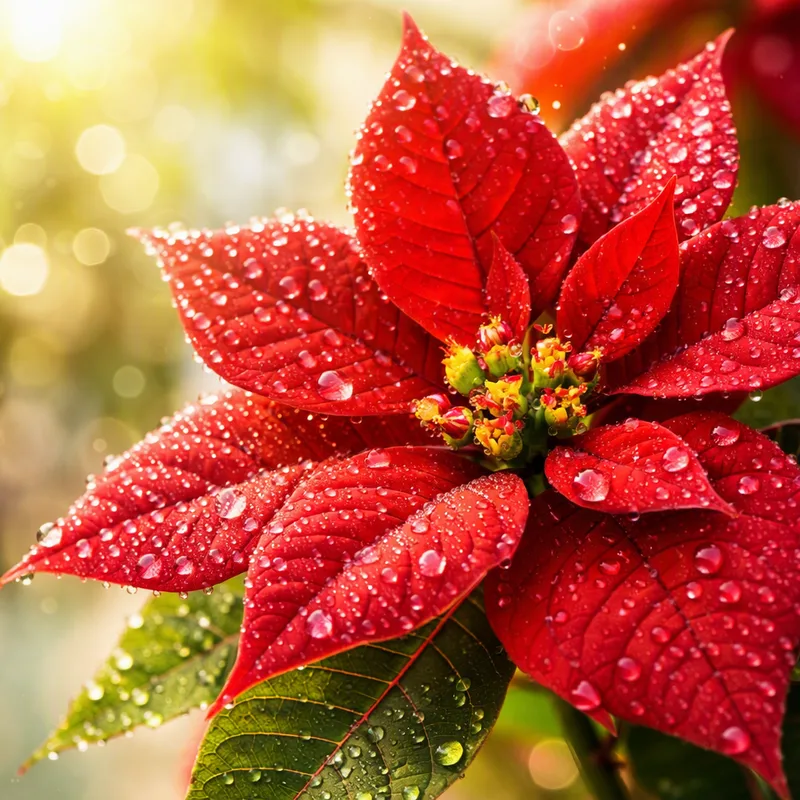

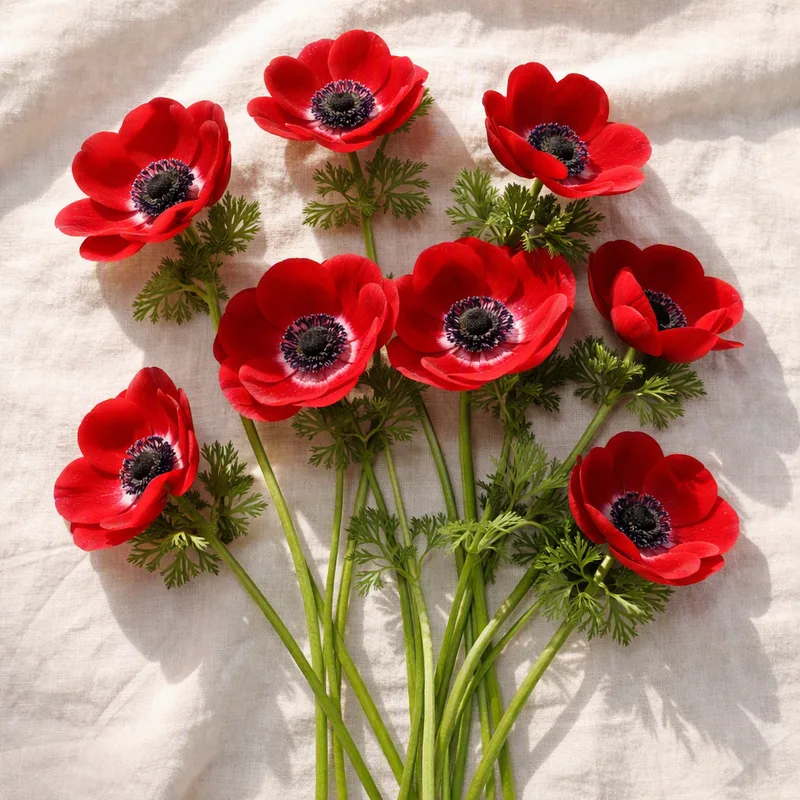
Scarlet and a dark eye
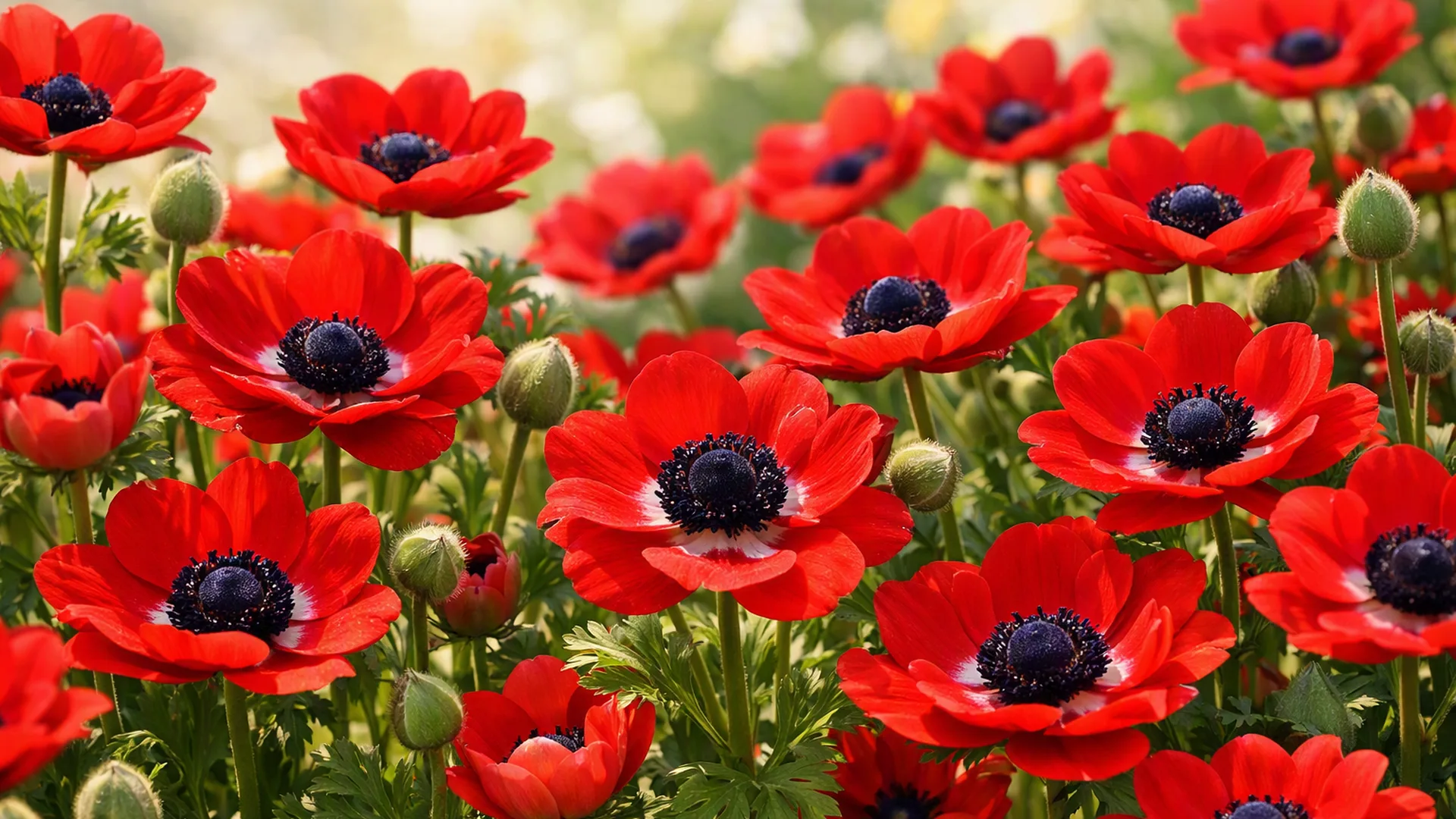
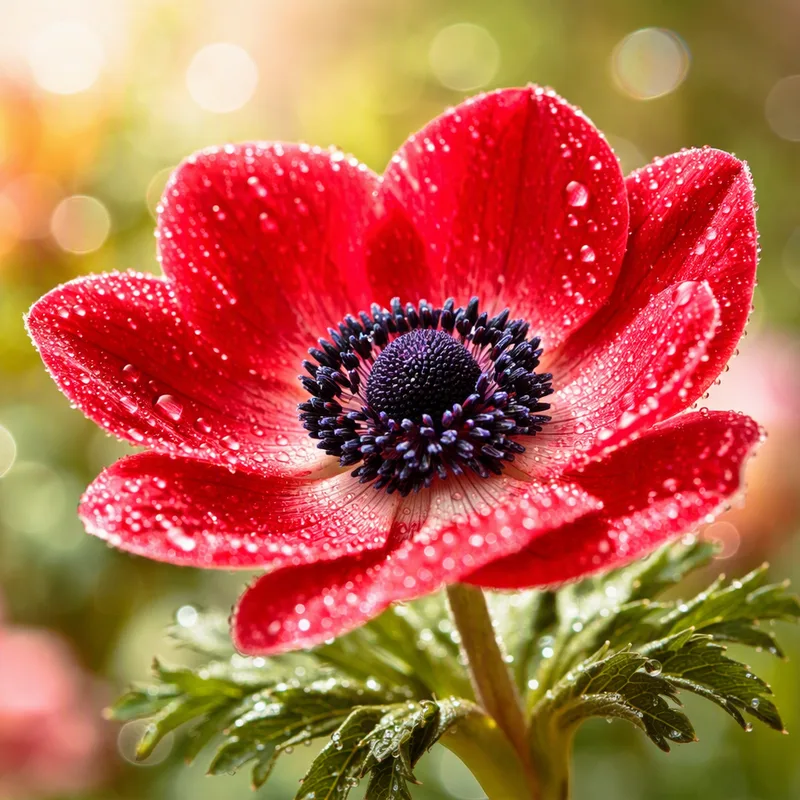
A red poppy anemone has silky, rounded petals around a black centre. The strong colour is why red is the form most often grown for cut flowers. Some varieties lean toward crimson or magenta, and the best-known are the De Caen and St Brigid groups, which come from long-running breeding.
The myth behind the colour
An old Greek story says the red anemone sprang from the blood of Adonis. Because of that, red anemones traditionally symbolise anticipation, as well as fading hope and sorrow. The flower is a memorable choice where you want something striking but not showy.
Growing red anemones
- Plant tubers from March to May for winter and spring flowers.
- Soak them overnight first so they plump up.
- Give them sun, free drainage and cool nights.
- Water regularly but stop when the leaves yellow in late spring.
Red anemones flower best in cool, bright climates. In Melbourne and Tasmania they will give several weeks of colour. In warmer Sydney gardens, a mulch and a position with afternoon shade extends the show.
Some people searching "anemone plant" mean the sea anemone, which is an animal, not a plant. Others mean the Japanese anemone, a taller perennial that flowers in late summer and autumn and is often pink or white. Red is almost always the poppy anemone.
Keeping red anemones fresh indoors
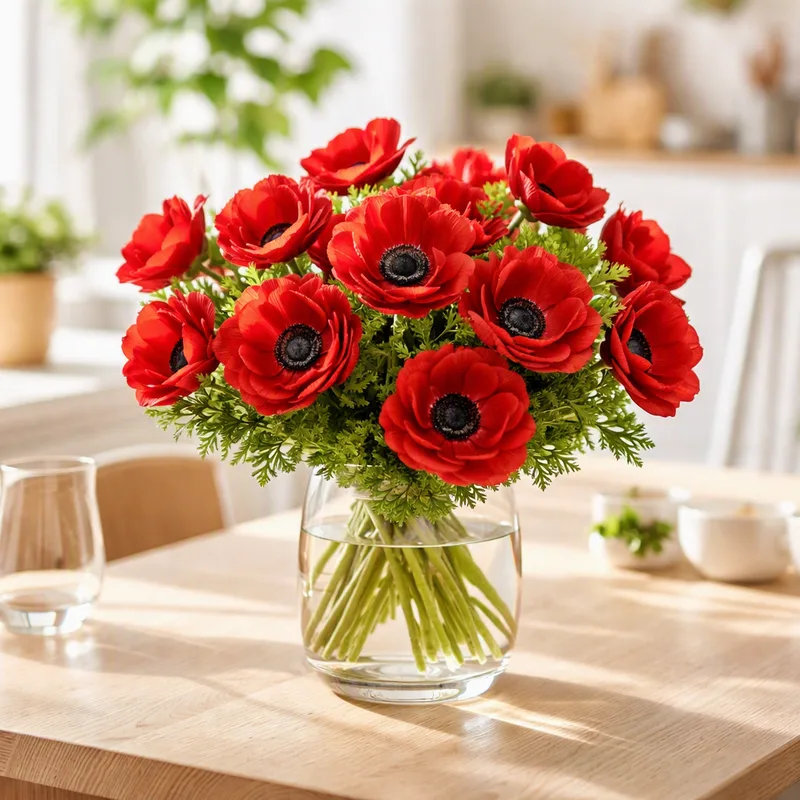
Red anemones last roughly five to eight days. Use a clean vase, cut the stem ends fresh and avoid hot rooms. Their stems continue to bend toward the light.
Pet safety around red anemones
As members of the buttercup family, they carry irritant substances. Keep them away from pets.