Relatives of the tomato
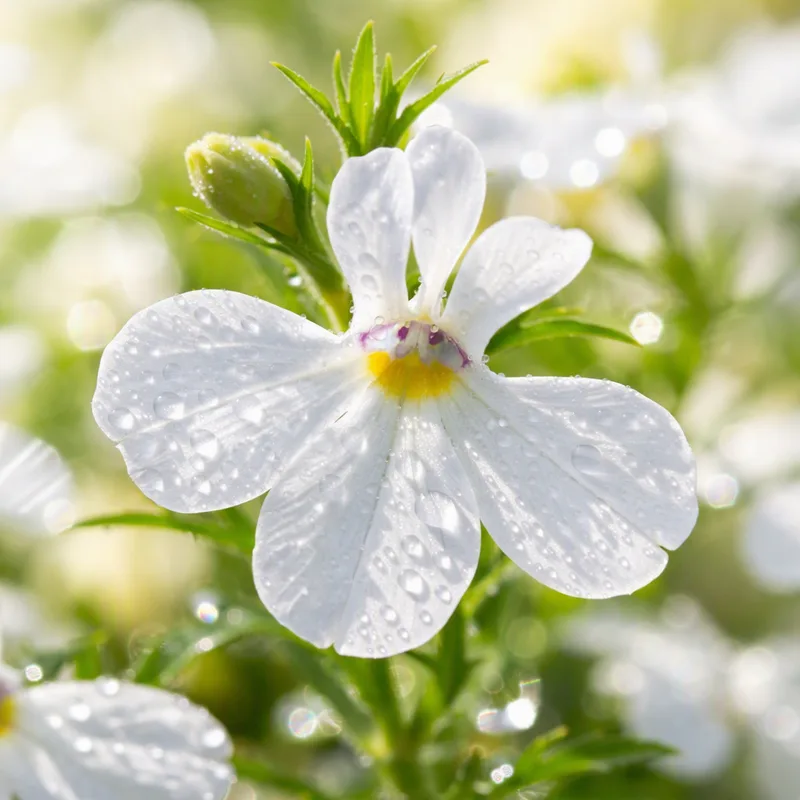
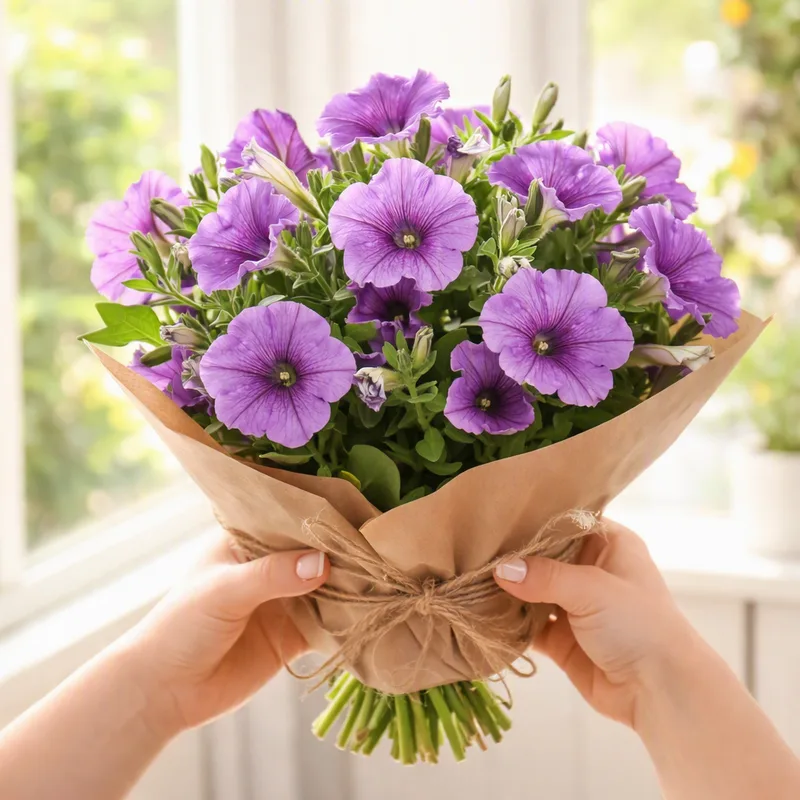
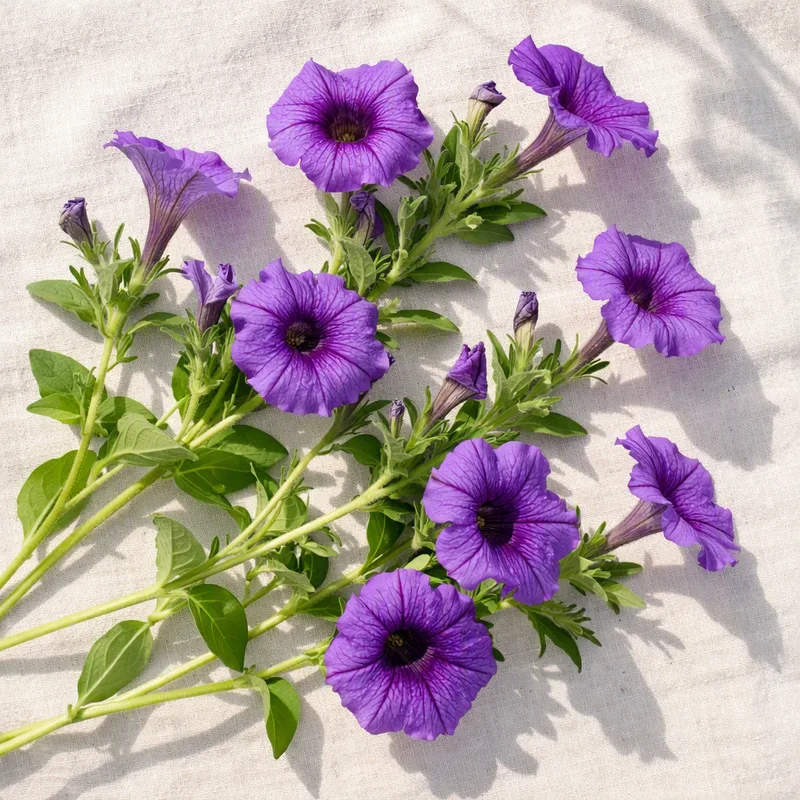
Petunias belong to the nightshade family, Solanaceae, together with tomatoes, potatoes and tobacco. The genus comes from the warmer parts of South America, and the common garden petunia is a hybrid of two of those species, one white and one violet. The name is based on a Brazilian word for tobacco, and the leaves and stems are covered in sticky hairs that you can feel when you brush past.
The three main groups
- Grandiflora petunias have the largest flowers but are easily battered by heavy rain.
- Multiflora types carry more, smaller blooms and cope better with wet weather.
- Trailing or spreading types are meant for hanging baskets and the edge of pots, where they spill over the sides.
Timing across the country
In temperate Melbourne, Sydney, Adelaide and Hobart, plant petunias in spring, after the last frost, for a show lasting until the cool of autumn. In Perth, the dry summer calls for regular watering. In Brisbane and further north, the humid summer is hard on them, so cooler months from autumn to early spring are usually better. In Cairns and Darwin, plant in the dry season only, because wet-season rain and heat rot the plants.
Keeping the flowers coming
Petunias want at least five or six hours of sun. Water thoroughly when the top of the mix feels dry, feed every couple of weeks, and pinch off spent flowers so the plant keeps making buds. If the stems become long and bare in mid-summer, cut them back by about half and feed again; fresh growth will usually follow within a few weeks.
Pets and petunias
On the ASPCA's plant list, petunias is marked as safe for dogs, cats and horses. Tomato-family plants are often assumed to be poisonous, but the garden petunia is not on that list.