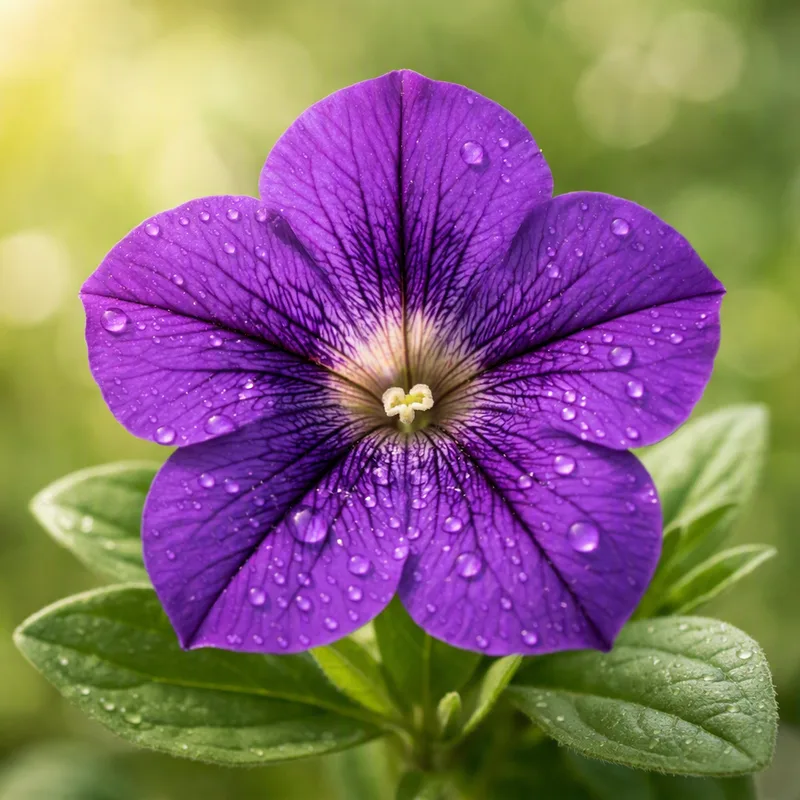
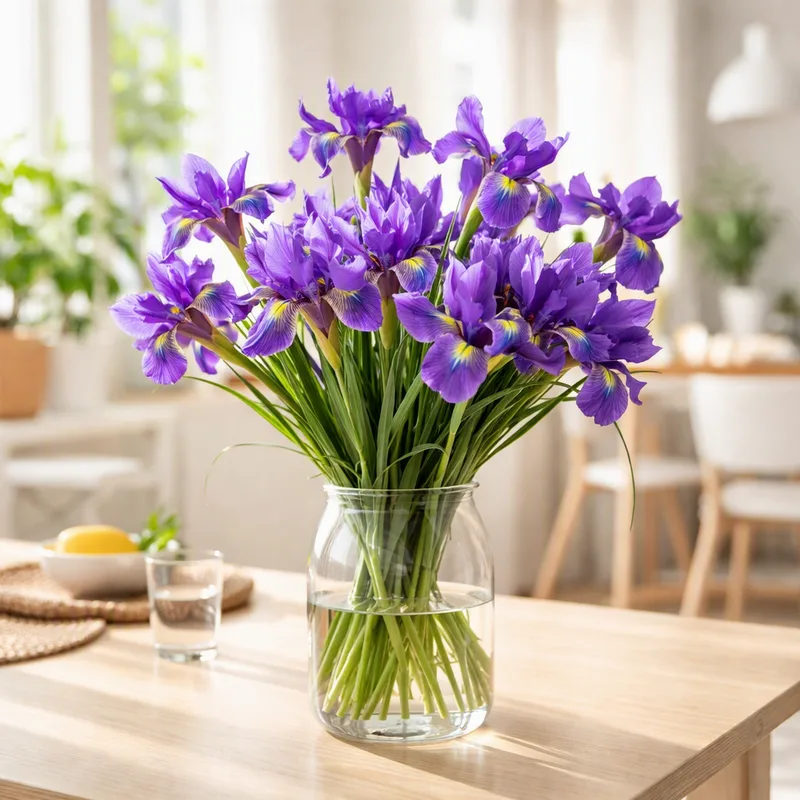

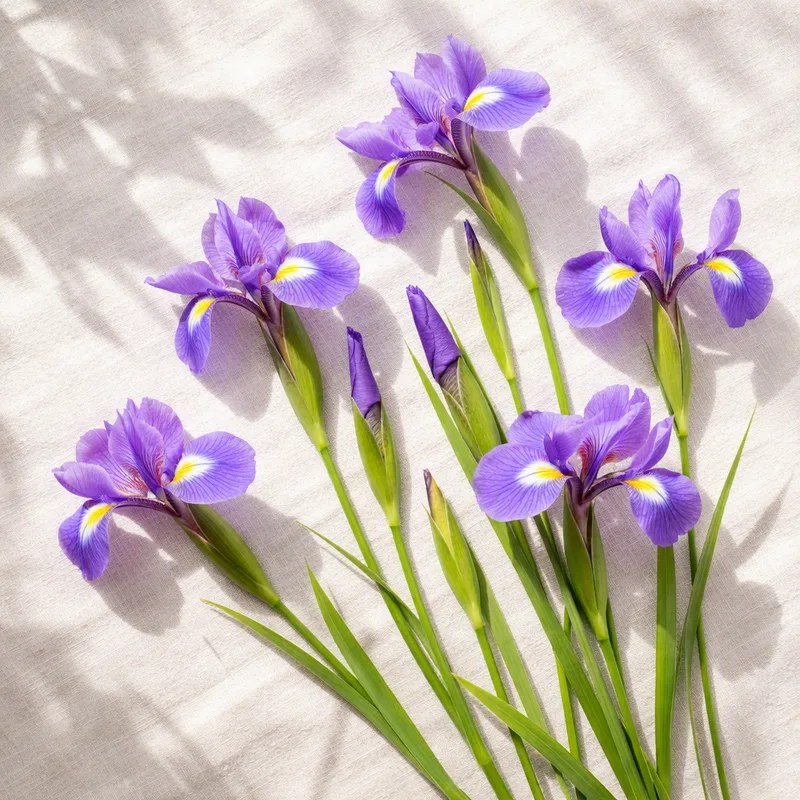
Rainbow flowers
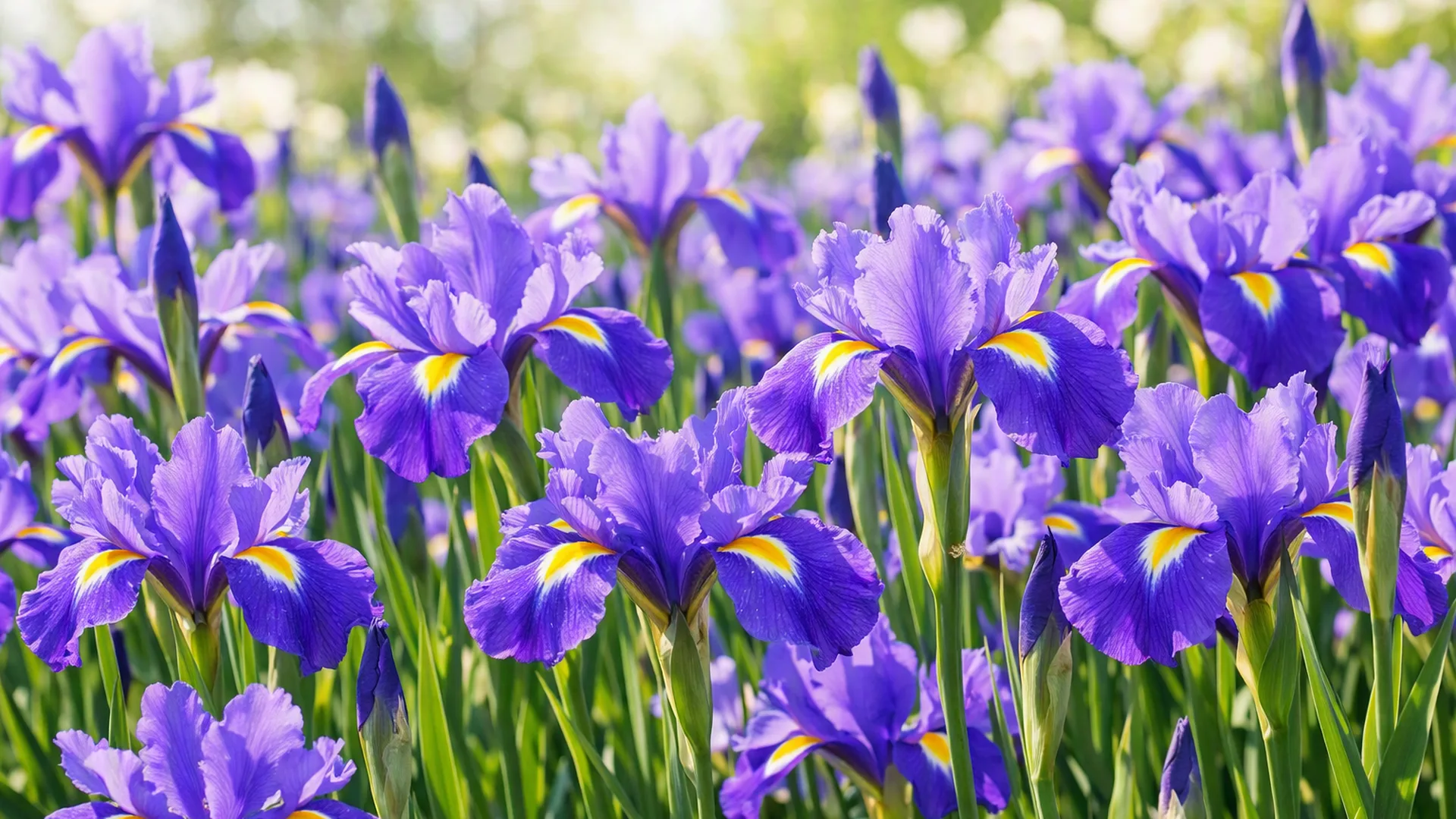
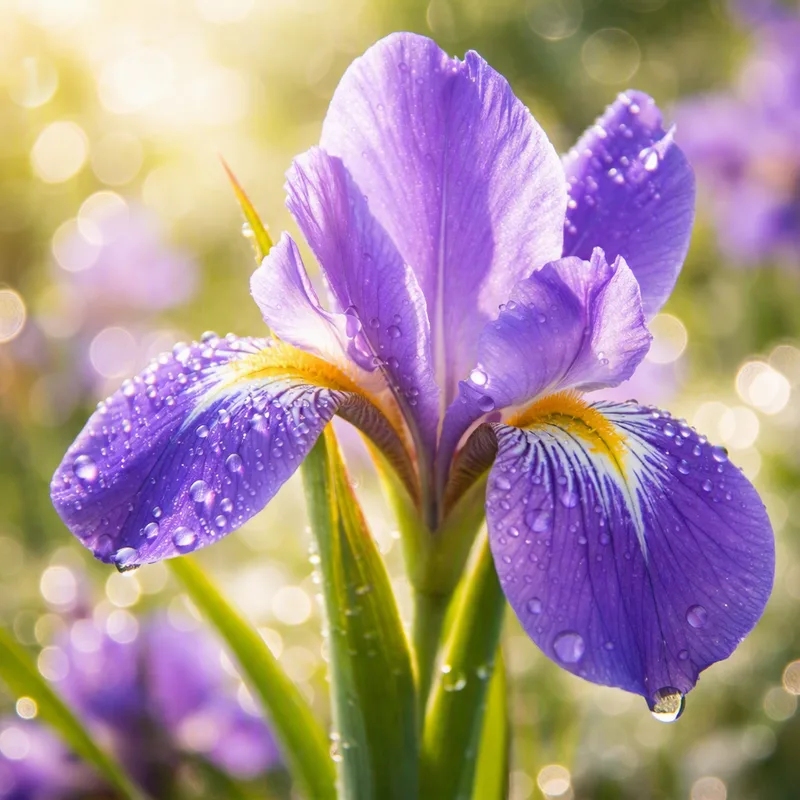
Its name comes from an ancient Greek word meaning rainbow, and the genus really does cover almost every shade. Purple and blue remain the archetype, which is why the colour often just reads as iris colour. Painters have returned to it again and again, and Van Gogh's irises from 1889 remain famous.
Three groups to know
- Bearded irises grow from thick rhizomes and flower in spring, mostly from September to November.
- Dutch irises grow from bulbs, are slimmer and last well as cut stems.
- Japanese and Louisiana types like wet ground and flower in late spring and early summer.
Growing in Australian conditions
Bearded irises like a cool winter and a dry summer rest, so they are happiest in Adelaide, Perth, Melbourne, Canberra and the tablelands. They struggle in warm humid areas, where rot is common. Plant rhizomes shallowly with their tops showing and divide clumps after flowering, around summer. Dutch iris bulbs go in during autumn.
Native flags of Australia
Australia has its own members of the iris family. The genus Patersonia is called native iris or native flag, with violet-blue flowers on tough, grassy leaves. It is a separate genus from the garden irises.
The danger lies in the rhizome
The ASPCA warns that irises can harm dogs, cats and horses, with the highest concentration in the rhizomes. Drooling, vomiting, diarrhoea and lethargy are listed, so keep digging dogs away from iris beds.