A lily in name only
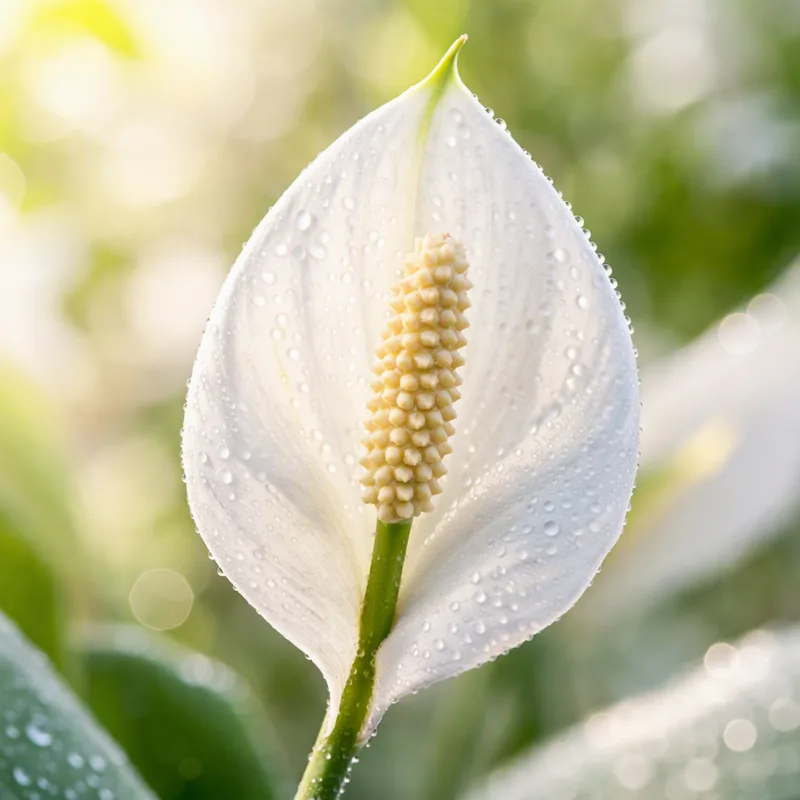
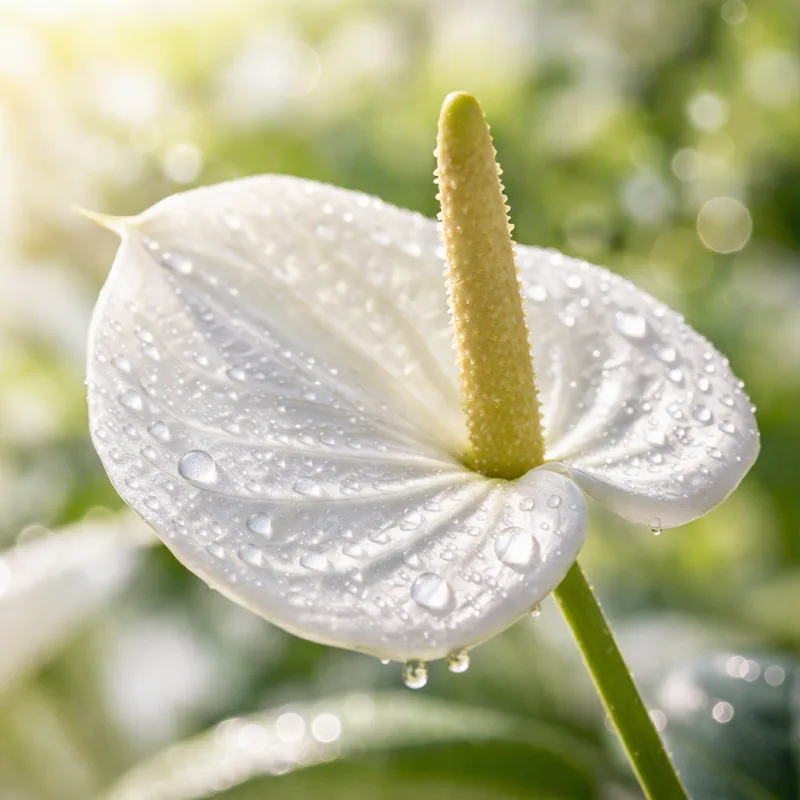
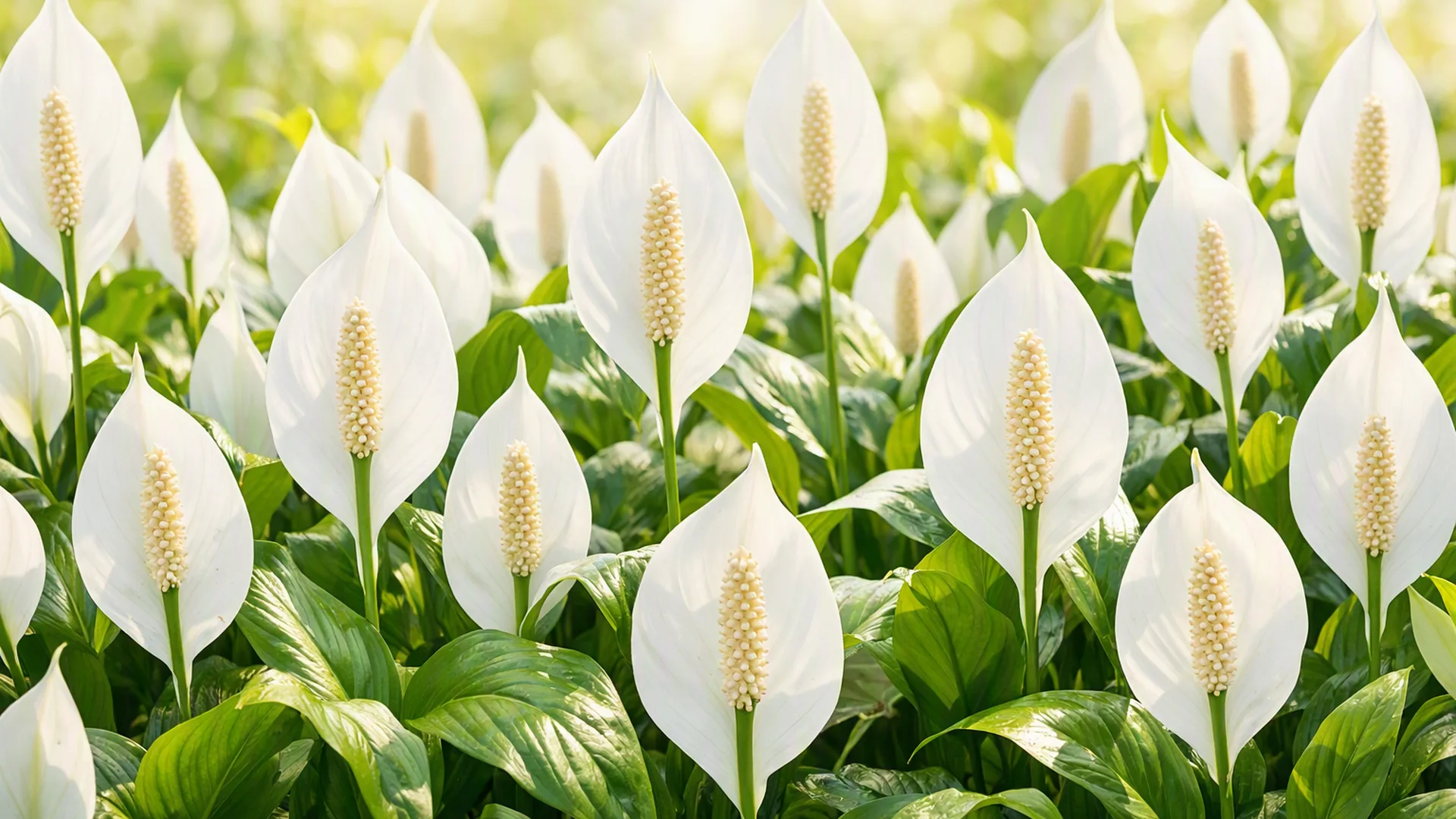
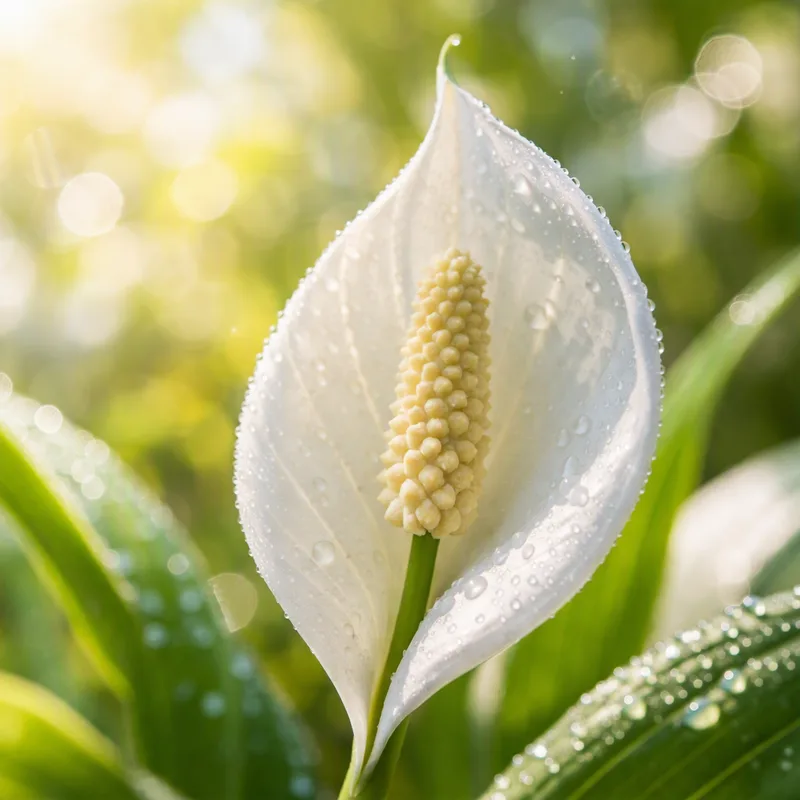
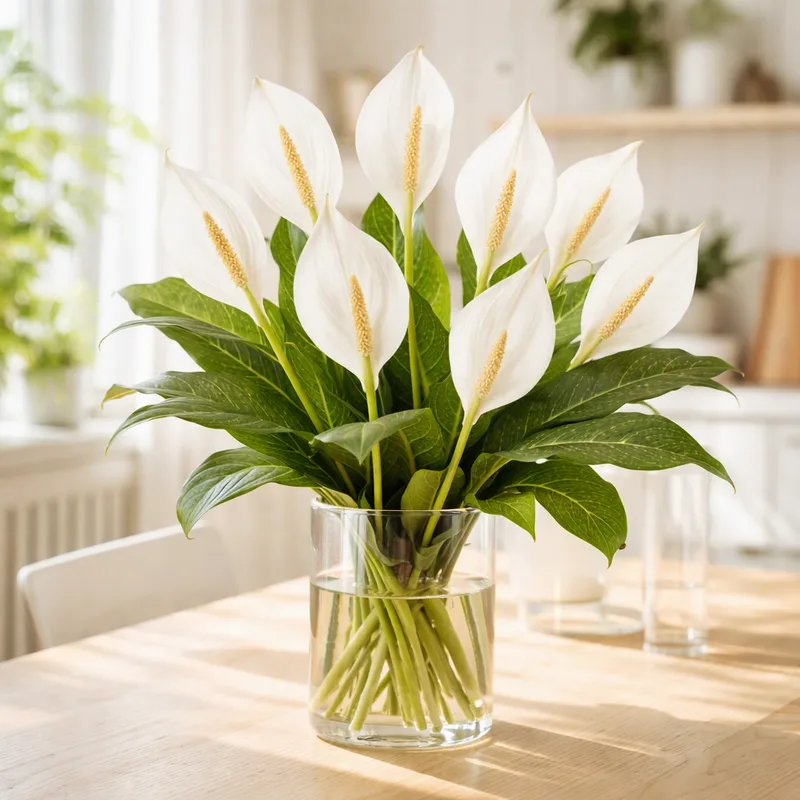
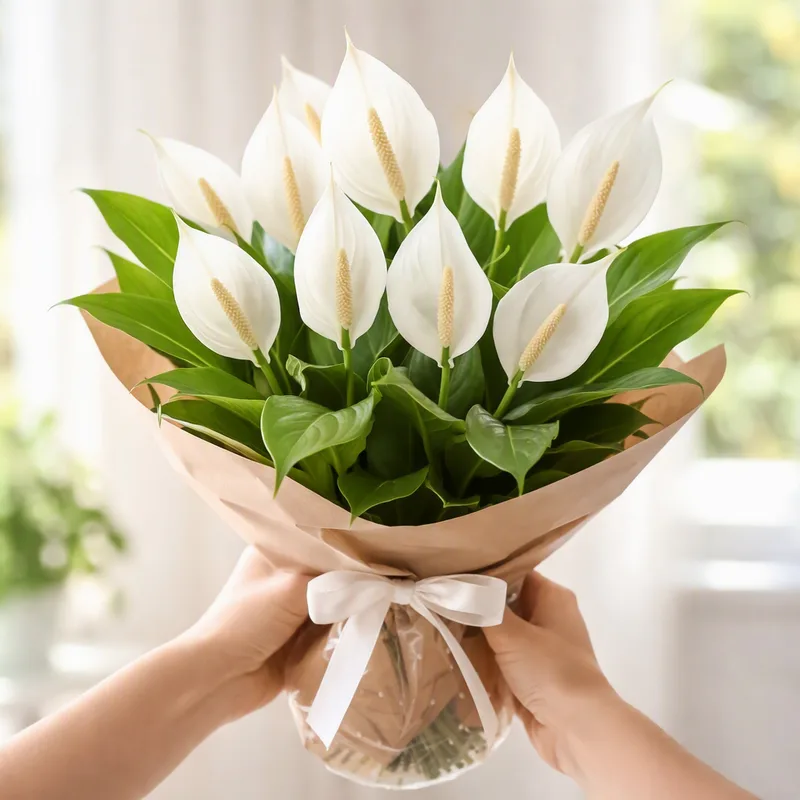
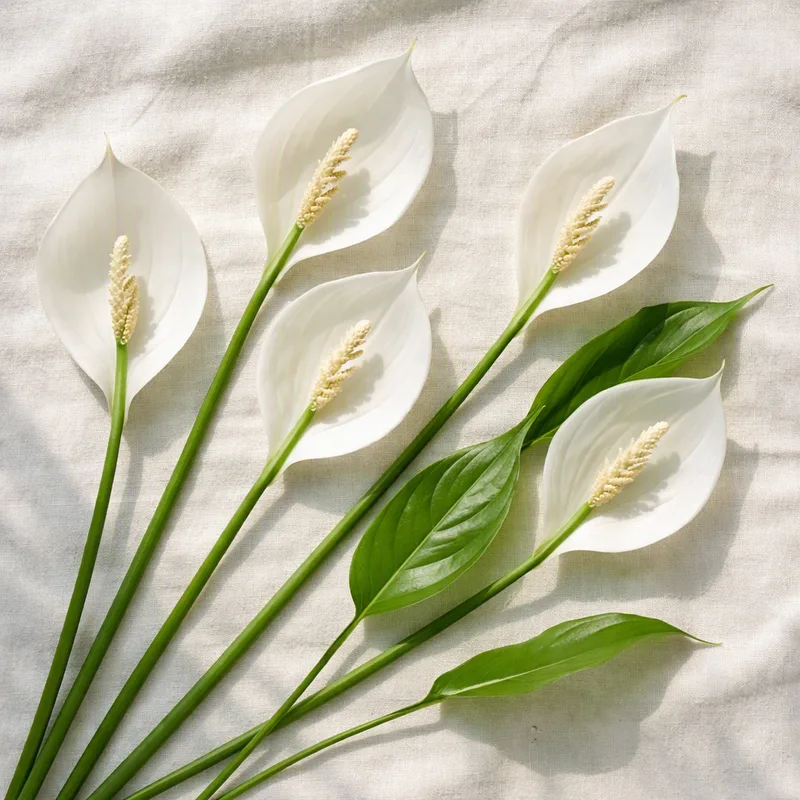
Spathiphyllum is a tropical forest plant from the Americas and parts of Southeast Asia. Despite the name, it is not a lily. The white sail is a spathe, which is really a leaf, while the true flowers are the tiny dots crowded onto the finger-like spadix. True lilies (Lilium) are much riskier for cats.
How long do the flowers last?
A spathe usually stays attractive for several weeks, and a healthy plant may flower on and off through the year. As it ages the white turns green, and then you can cut the stem to the base. Plants kept in too much shade often leaf well but refuse to bloom.
Care in an Australian home
- Light: bright, indirect light; direct sun burns leaves.
- Water: droops are the plant's signal, so water well when the top layer is dry and the leaves start to sag.
- Humidity: brown tips often come from dry air or fluoridated, chlorinated tap water.
- Temperature: keep above about 15 degrees; cold draughts and frost damage it.
Outside, peace lilies suit shaded gardens in Brisbane, the north coast of NSW and tropical Queensland, where winters are frost-free. In Melbourne or Canberra, keep them indoors.
Calcium oxalate and curious pets
Like many aroids, peace lily contains calcium oxalate crystals, which cause mouth burning, drooling and vomiting if chewed. The ASPCA rates it as toxic for dogs and cats. Effects are usually irritant rather than organ-threatening, unlike true lilies. For a child, call 13 11 26; for a pet, call your vet.