What red means on an orchid
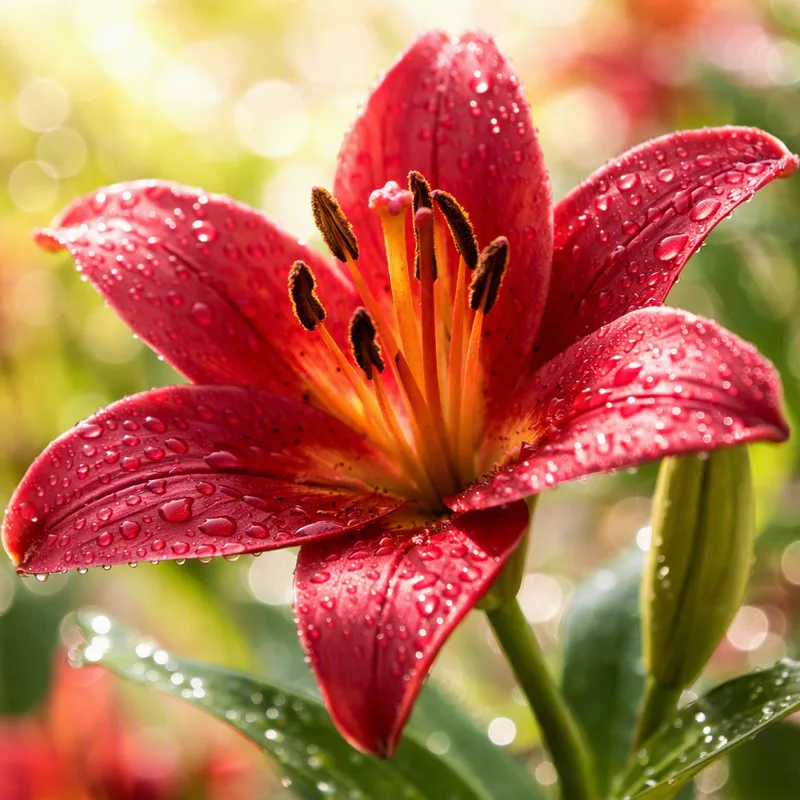
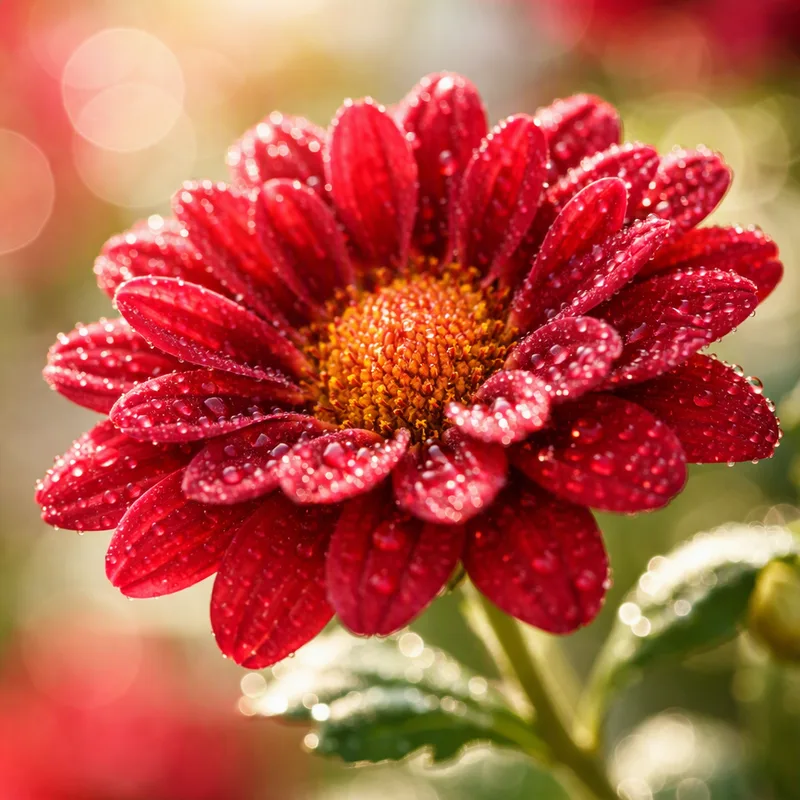
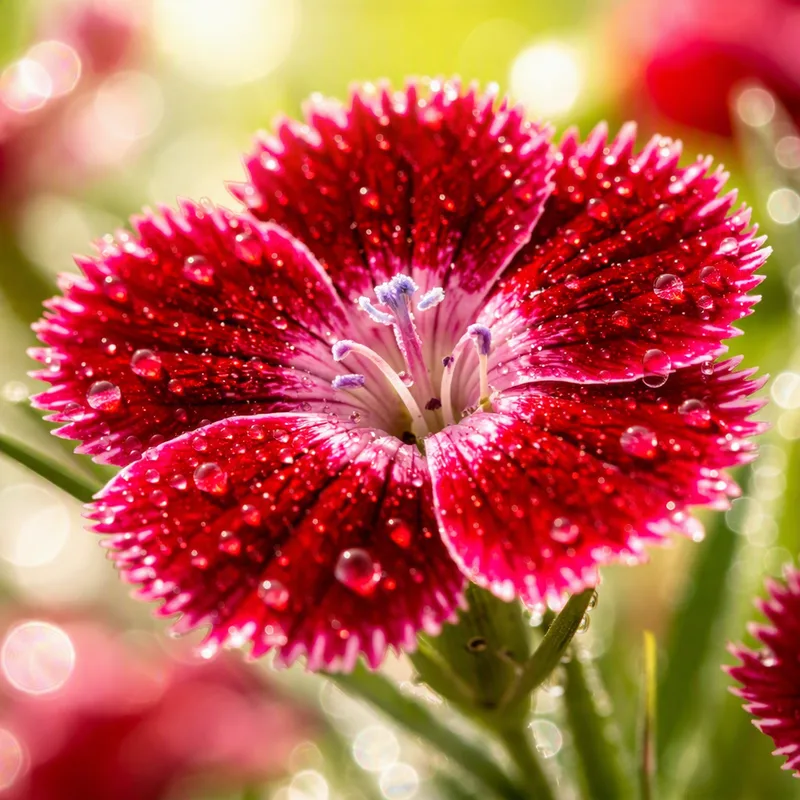
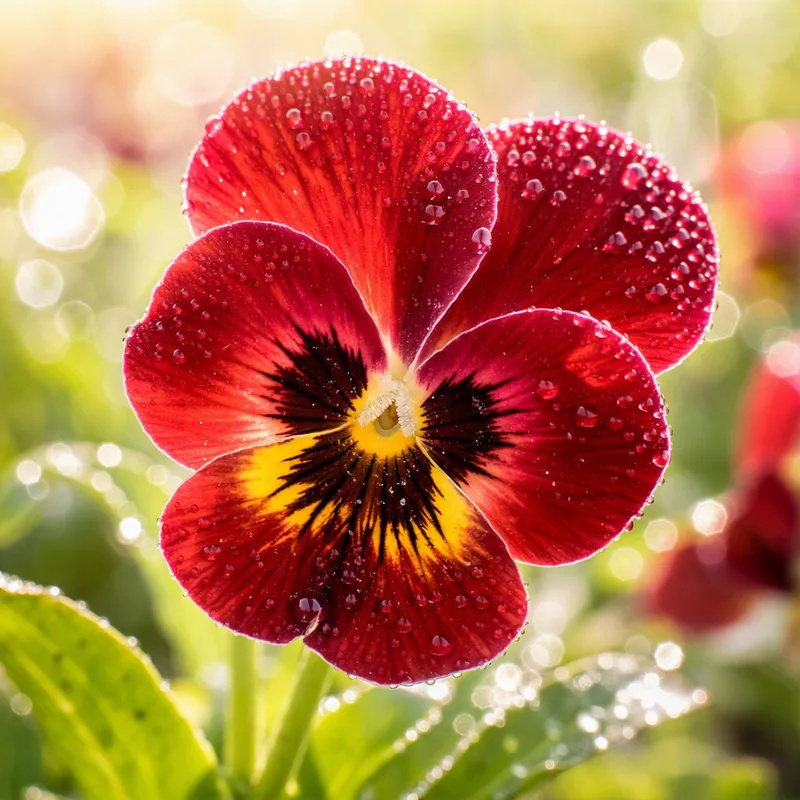
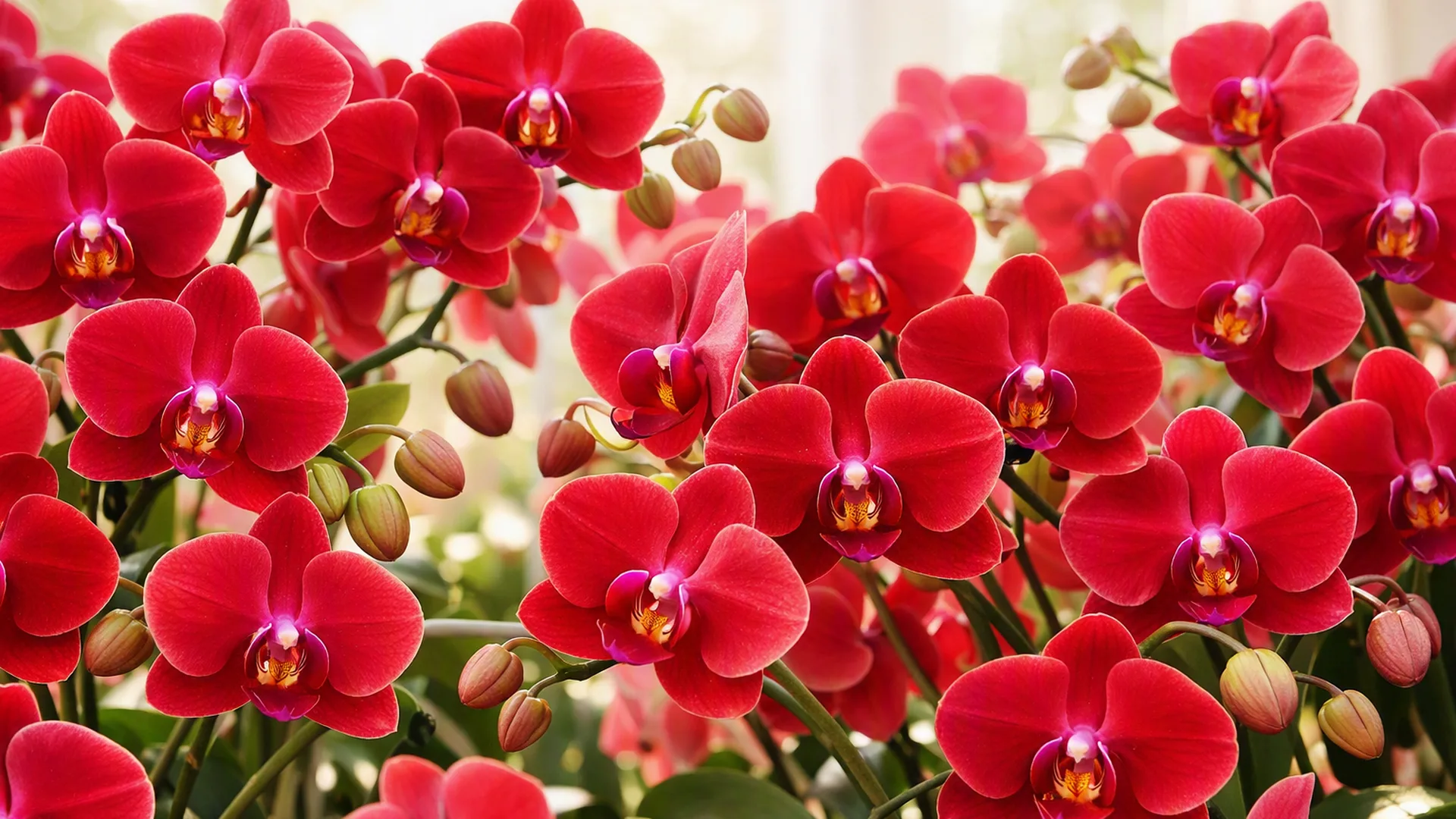
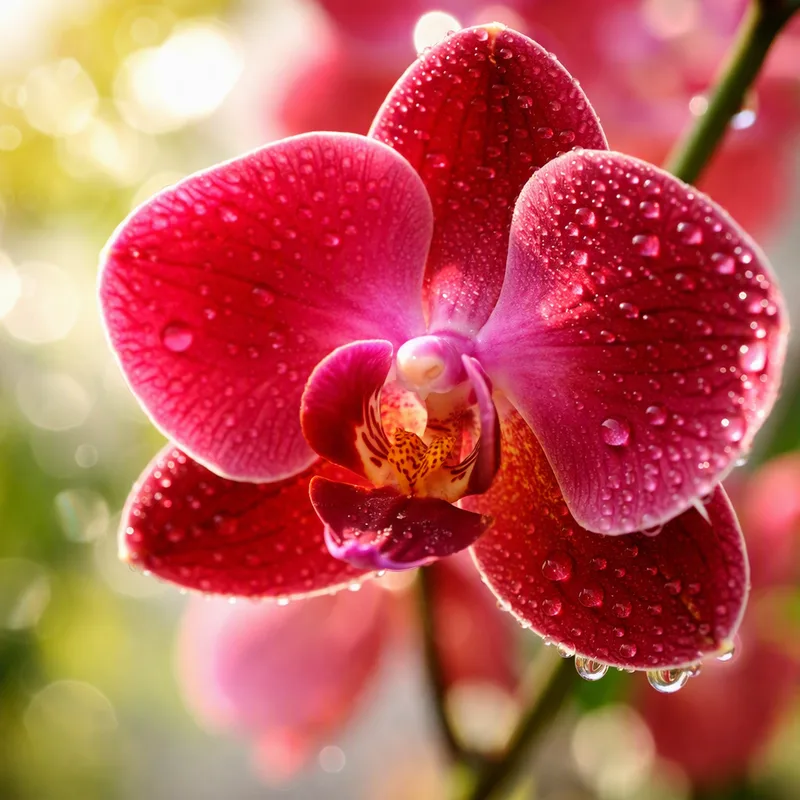
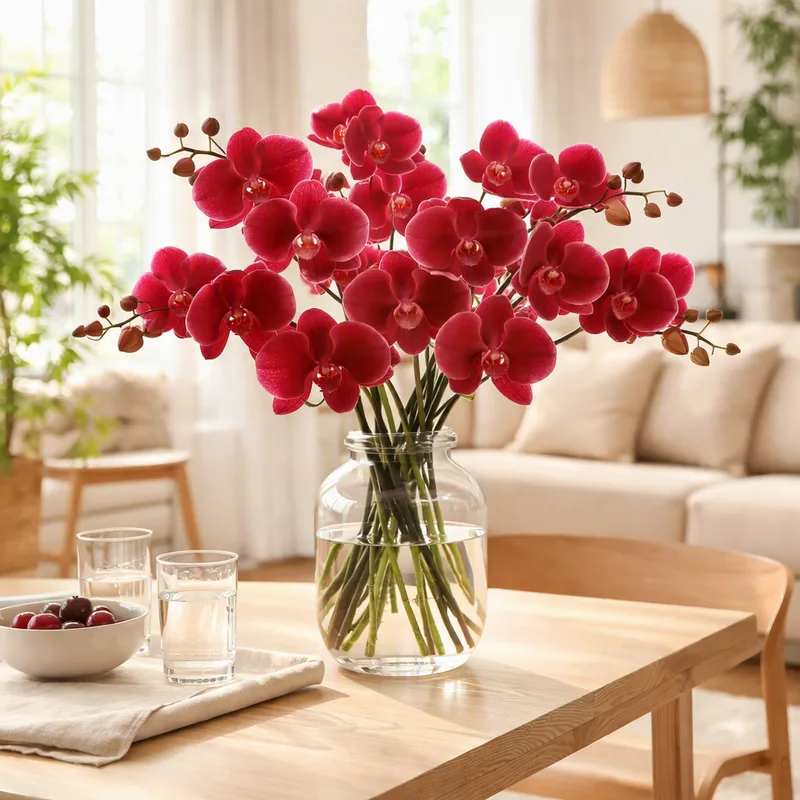
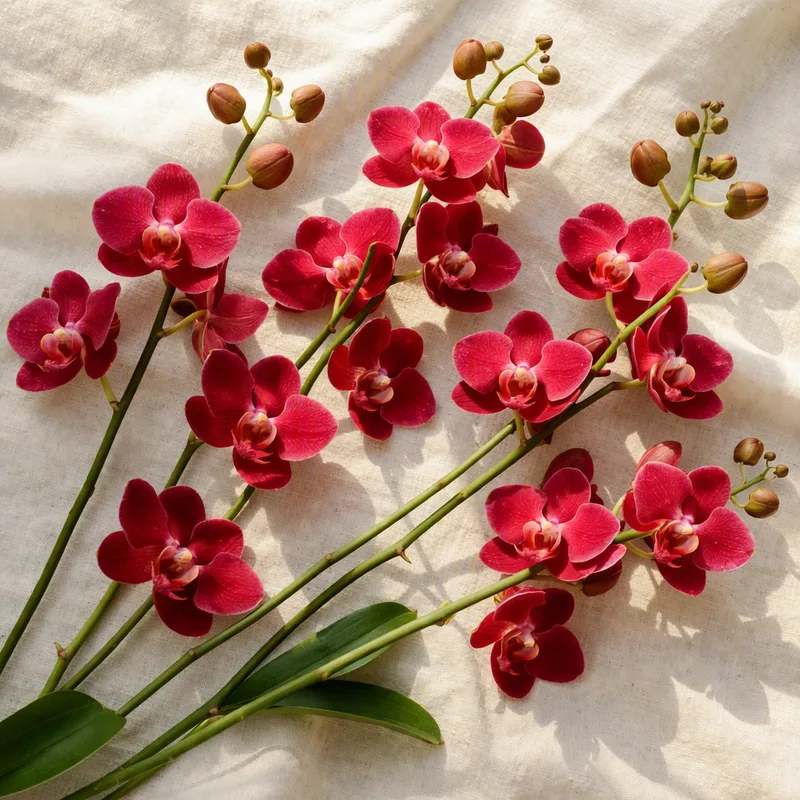
Pure scarlet is not a colour phalaenopsis produces. The deep tones sold as red lean towards crimson, claret and magenta, and the shade can look different in morning light and under a lamp. If a particular depth matters to you, look at the real flower rather than a catalogue swatch.
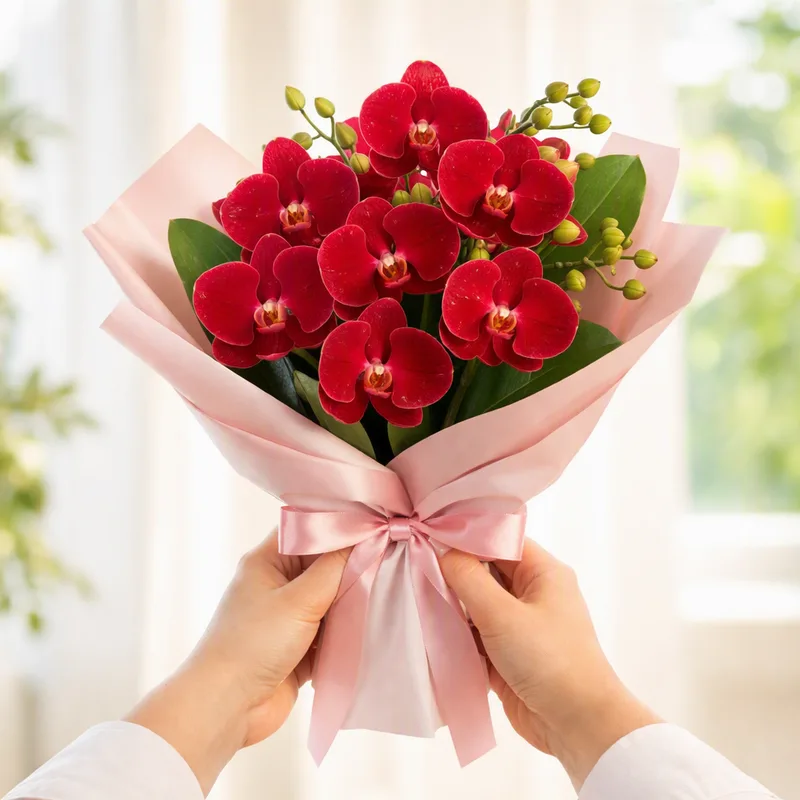
In the language of flowers, red is traditionally tied to love and passion, so a red orchid is a natural choice around Valentine's Day. That date falls in late summer in Australia, when a plant in a hot room needs shade and extra attention to its roots.
Keeping the colour rich
- Bright light brings out the deepest shades, but keep it filtered. Hard sun fades petals and marks leaves.
- Let the bark dry between waterings. Roots in a clear pot are green when wet and silvery when ready for a drink.
- Avoid heat from stoves and cold air from vents. Both shorten how long the blooms last.
- Feed lightly with orchid food while the plant is growing.
Native roots
The wild relatives of these hybrids grow on trees in Asian forests, with one species, Phalaenopsis rosenstromii, found in Queensland. That explains the airy roots and the dislike of soggy pots.
When the flowers finish
Trim a green spike back above a node to try for side flowers, or cut a brown one low. Many owners enjoy a second flush some months later, especially after a few cool nights in autumn. Moth orchids are generally considered non-toxic for cats and dogs.