Reading the word red
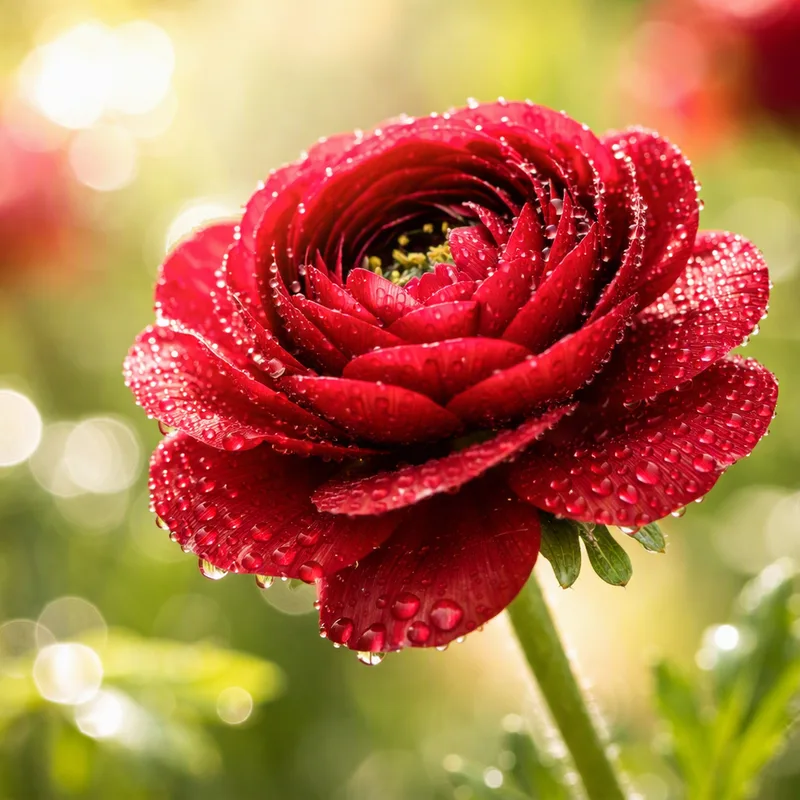
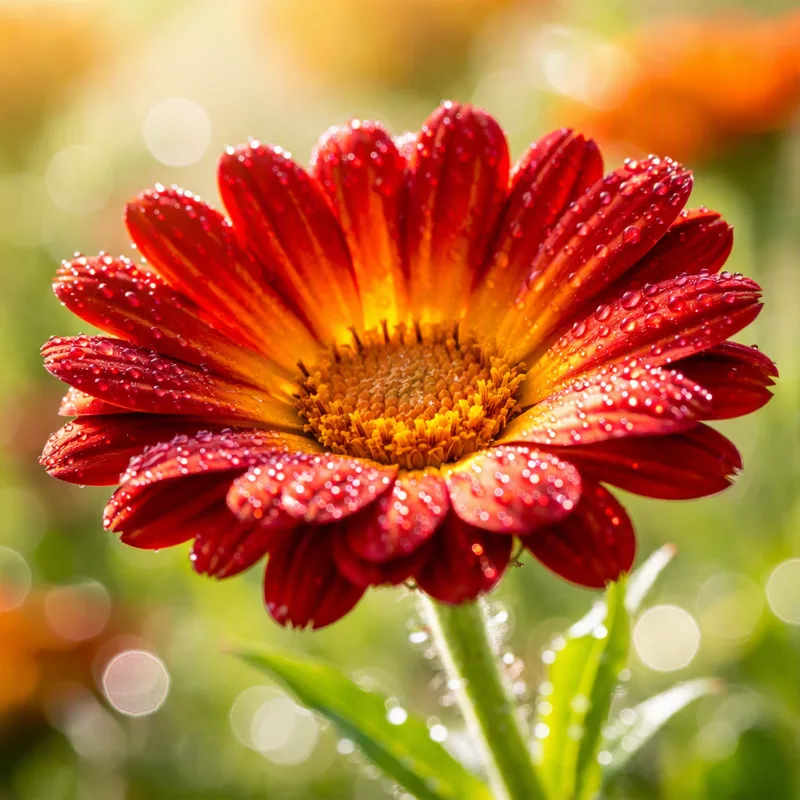
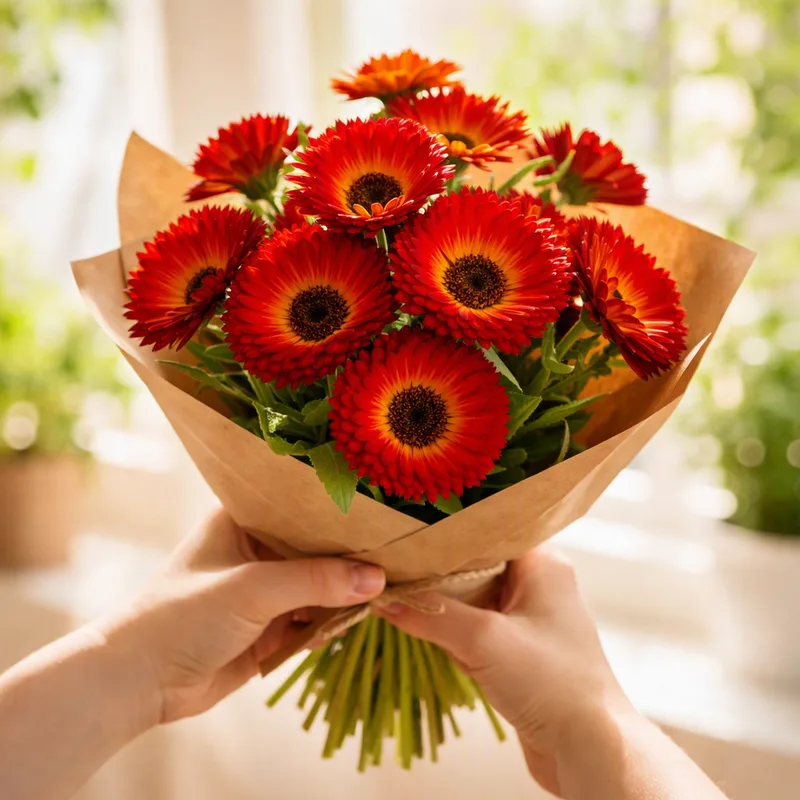
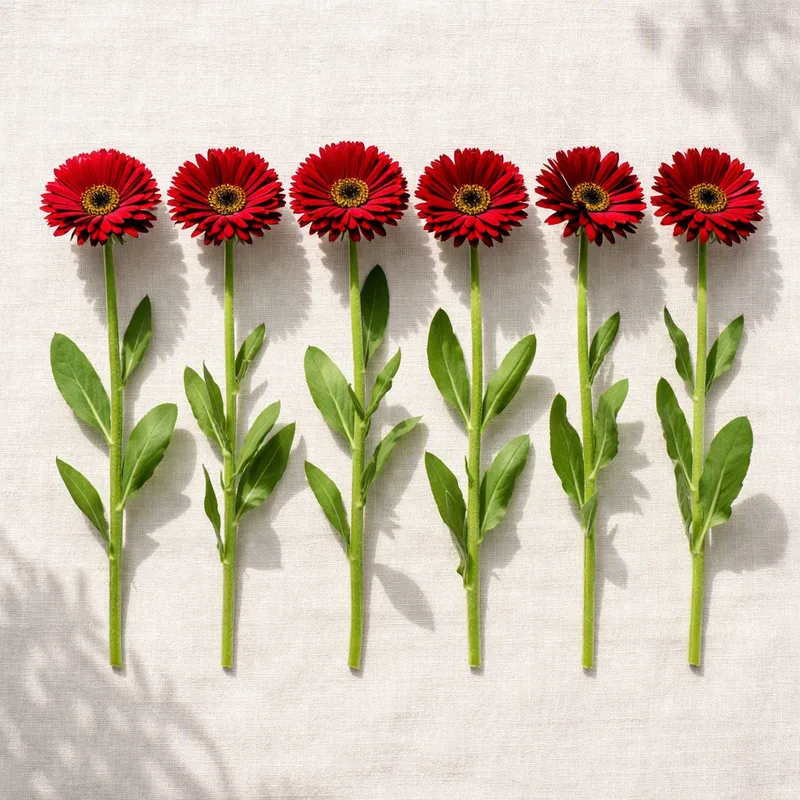
When people search for red marigolds they usually mean one of two things. The first is a Tagetes, the summer marigold, where mahogany and rust-red forms are common. The second is calendula, the pot marigold, whose petals are orange or gold. Calendula does not come in a true red. Instead you will find orange flowers with a red-brown reverse or a dark crimson tinge at the base of each petal, which looks deep and warm in a vase.
Choosing the warm end
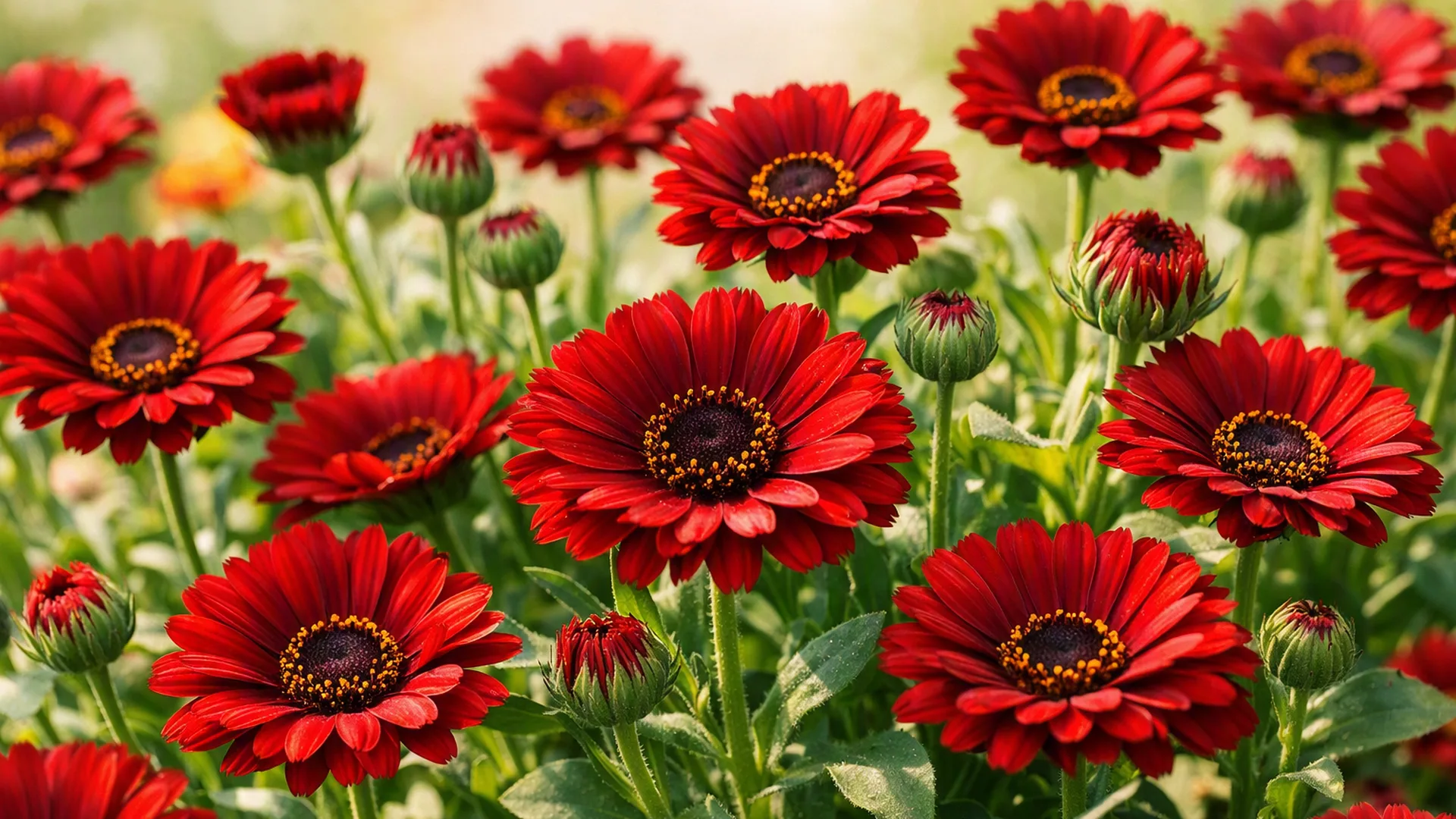
Look for calendula selections described as flame, fire or bronze. These give the darkest tones and stand about 30 to 60 cm tall. A planting of orange and brick-red calendula glows in the low winter light of southern Australia and pairs well with blue forget-me-nots or violas.
Sowing calendula in Australia
- Sow in autumn, March to May, so flowers open through winter and spring.
- In the subtropics, sow at the same time and expect plants to fade as humidity rises.
- Pick a sunny site with soil that drains well.
- Remove old flowers every few days.
In the vase, and around animals
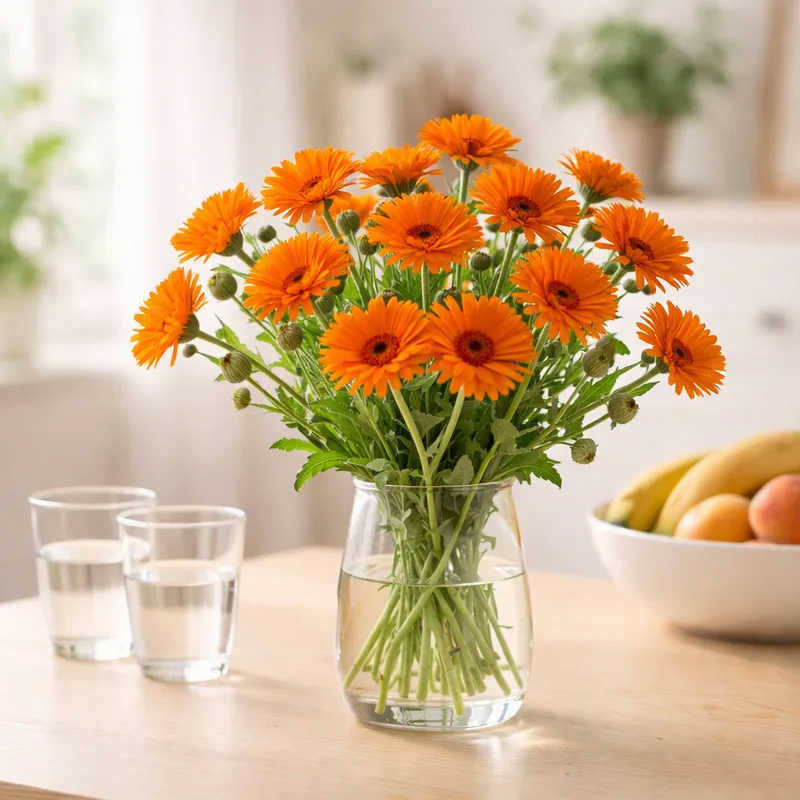
Cut stems as soon as a bloom has opened fully. Expect about five to eight days. The petals are edible and can be scattered over a salad.
Calendula officinalis carries a non-toxic rating from the ASPCA for dogs and cats, but that does not cover every plant sold as marigold, so check the botanical name on the label.
The petals can also be dried. Spread them on paper in a shaded, airy spot and keep them in a jar for colour in baking or potpourri.