
The name puzzle
The plant sold as marguerite daisy is Argyranthemum frutescens, a small shrub from the Canary Islands. It used to be filed under Chrysanthemum, which is why people search for "chrysanthemum daisy". It is not the same as the florist's chrysanthemum, nor as the ox-eye daisy, which is the wild Leucanthemum vulgare. In Europe that wild daisy is often called marguerite, hence the confusion with Margherita and margarita in searches.
Easy colour in the garden
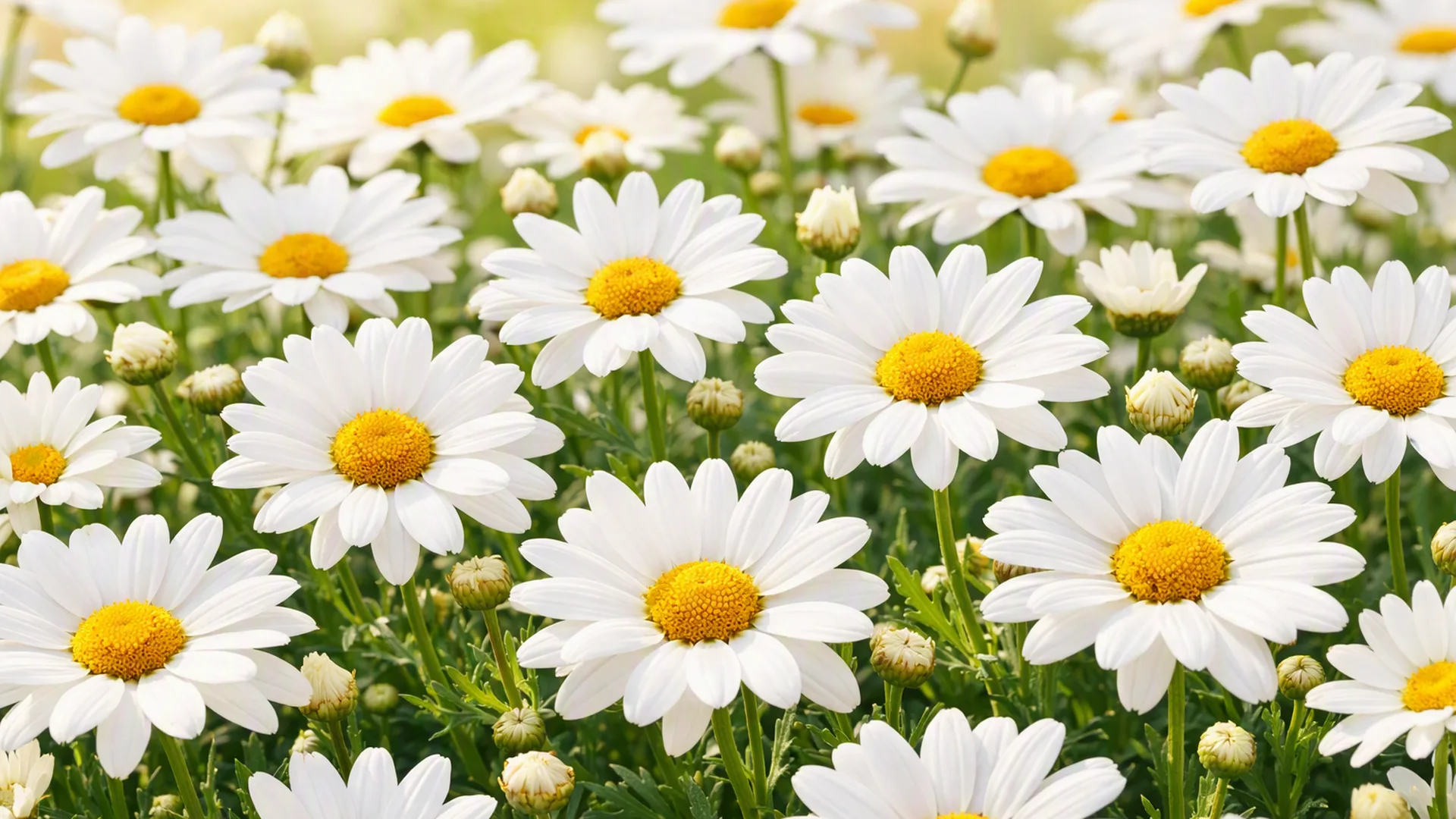
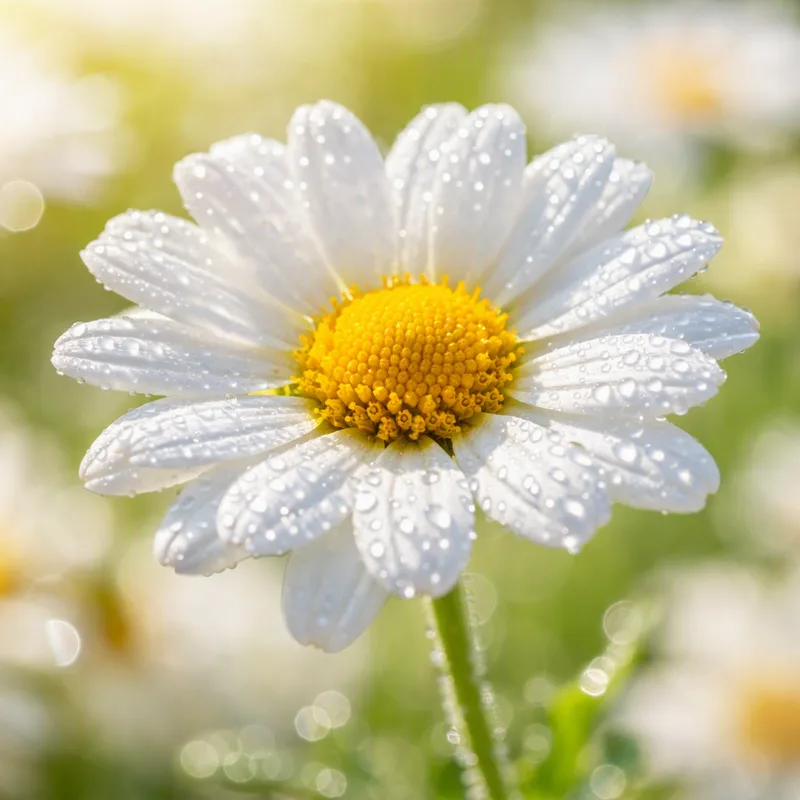
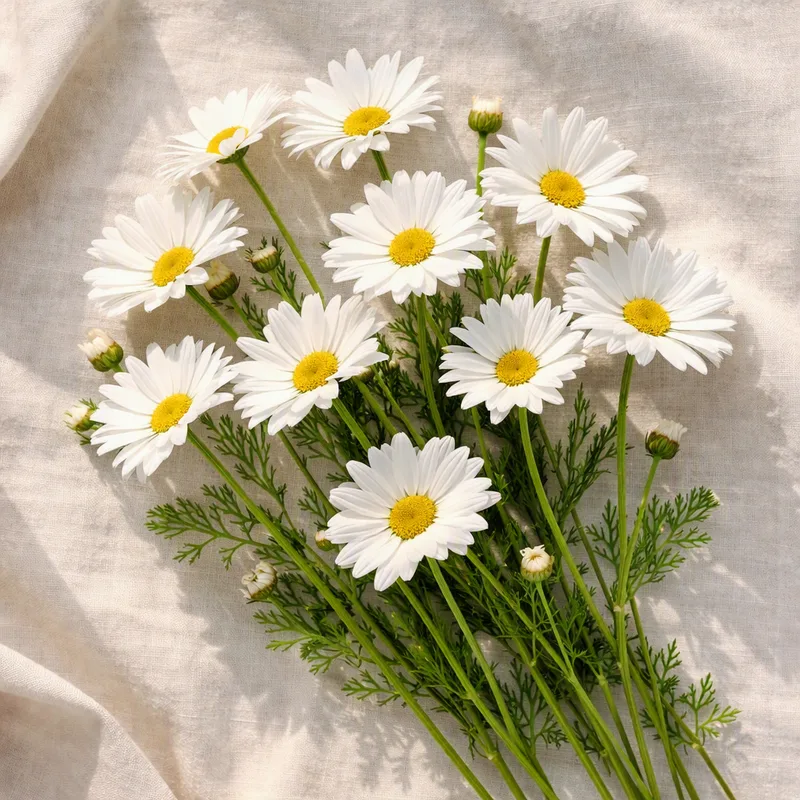
Argyranthemum forms a rounded bush of 30 to 80 centimetres, covered in white daisies with yellow centres. In mild areas it flowers almost all year, with a peak from spring to autumn. It likes full sun and light, free-draining soil.
- Tip-prune after each flush to keep it compact.
- Feed lightly with a flowering fertiliser.
- Water pots often in summer.
- Replace plants every three or four years, since old plants get woody.
Where it thrives
It copes well in Sydney, Melbourne, Perth, Adelaide and Hobart. In Brisbane it prefers cooler months, and in the tropics it struggles in the wet season. Light frost is tolerated, but heavy frost will blacken it.
Pet safety around marguerite daisies
Daisy-family plants including chrysanthemums can irritate pets, and the plant is generally treated as unsafe to chew. Keep cats and dogs away from it, and call a vet if you notice vomiting or drooling after they have eaten some.
Keeping marguerite daisies fresh indoors
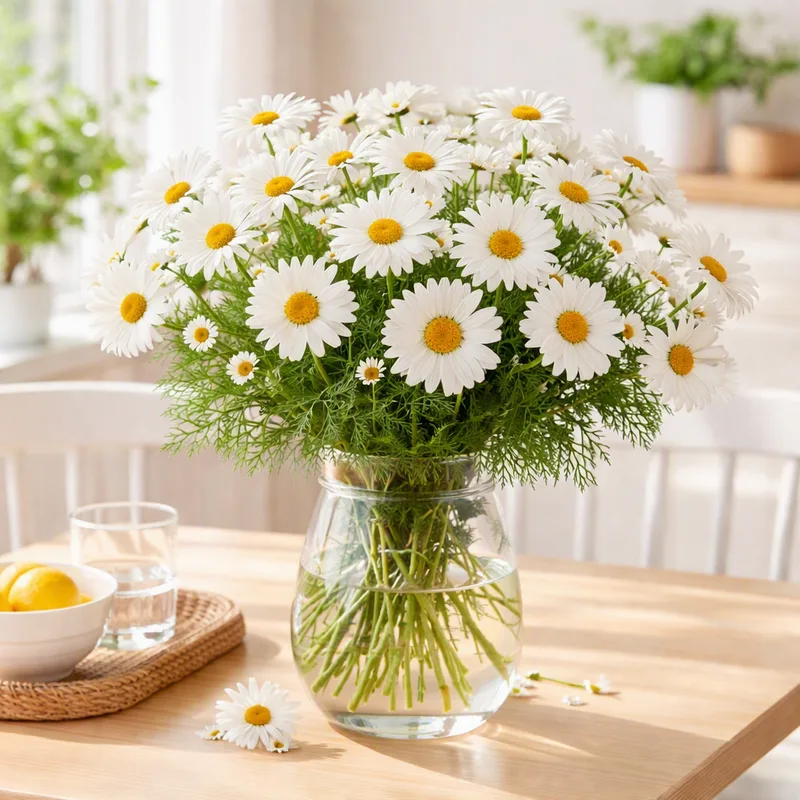
Marguerites make charming, informal cut flowers, lasting about five to eight days in a vase.