From Eurasian steppe to the florist's bench
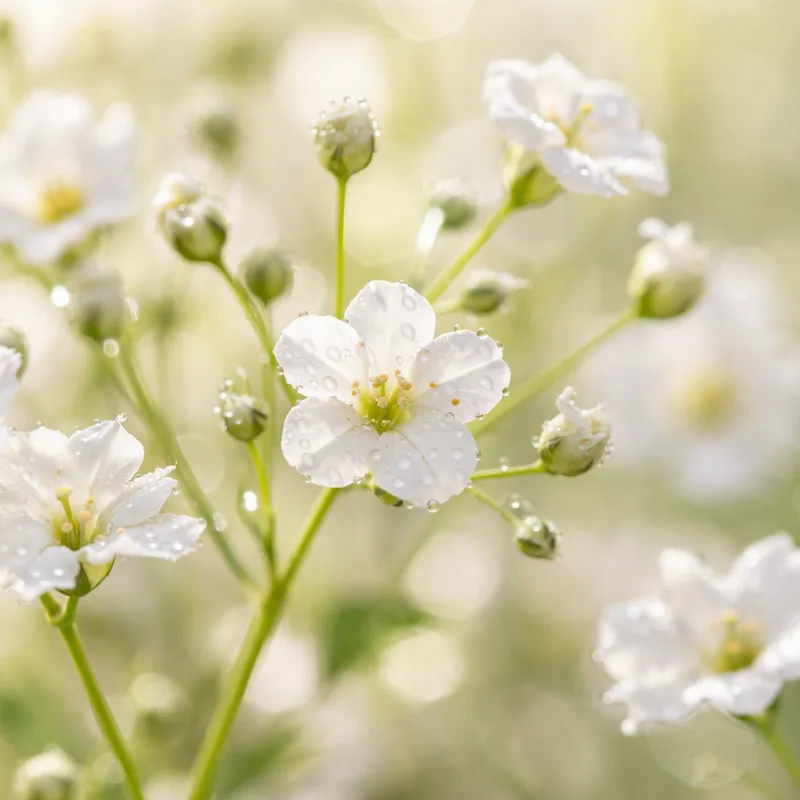
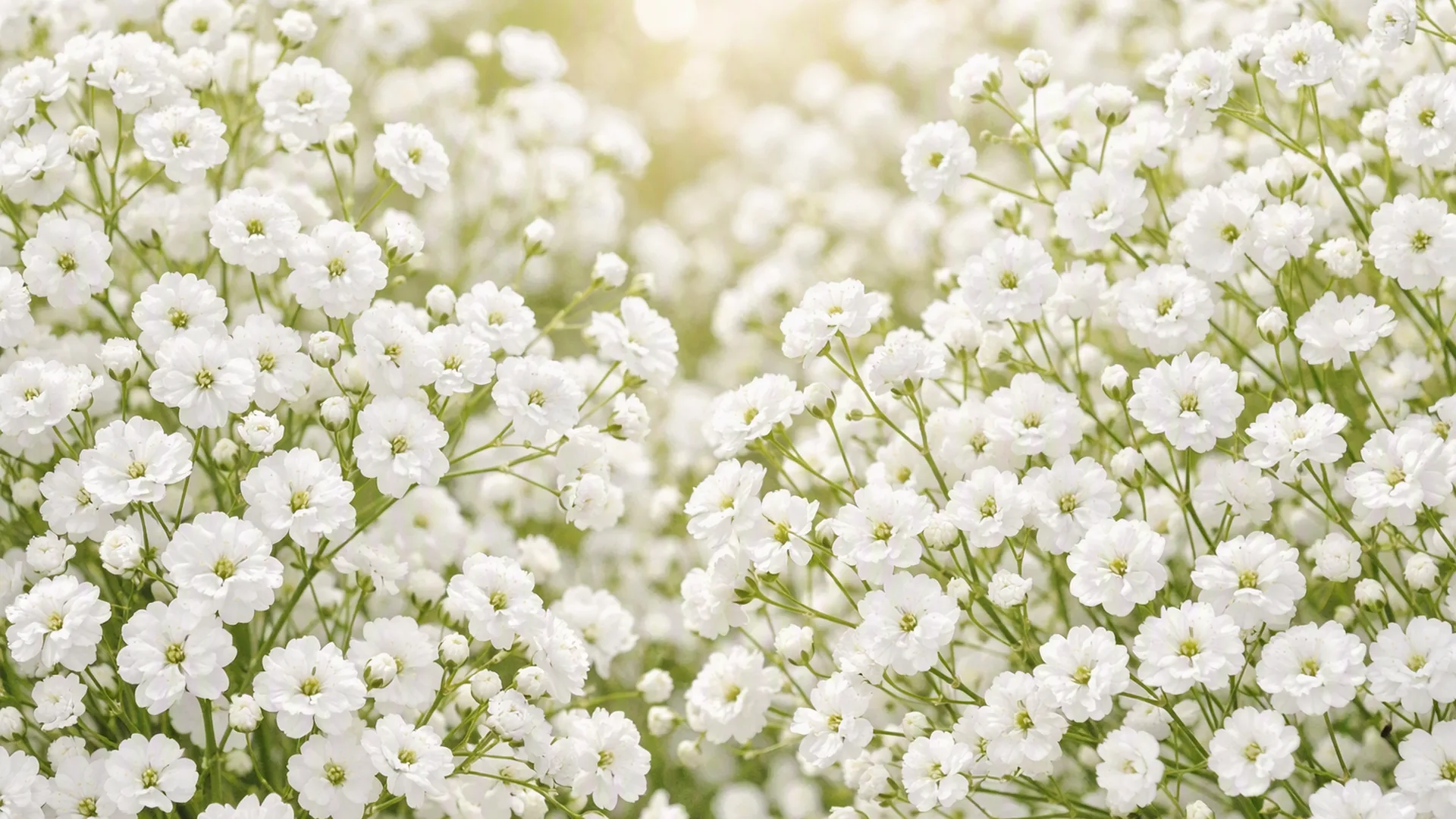
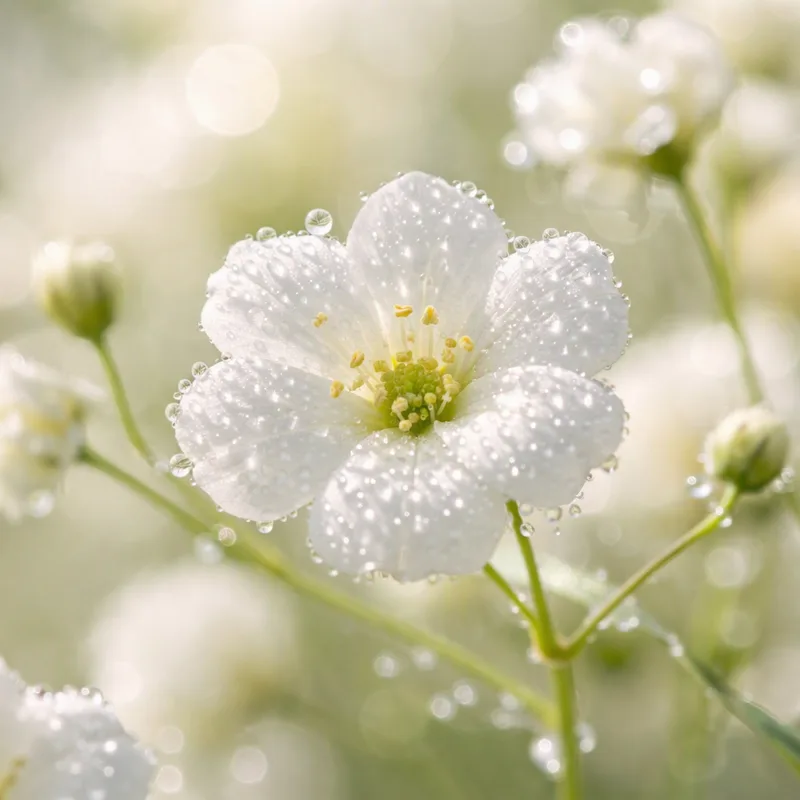
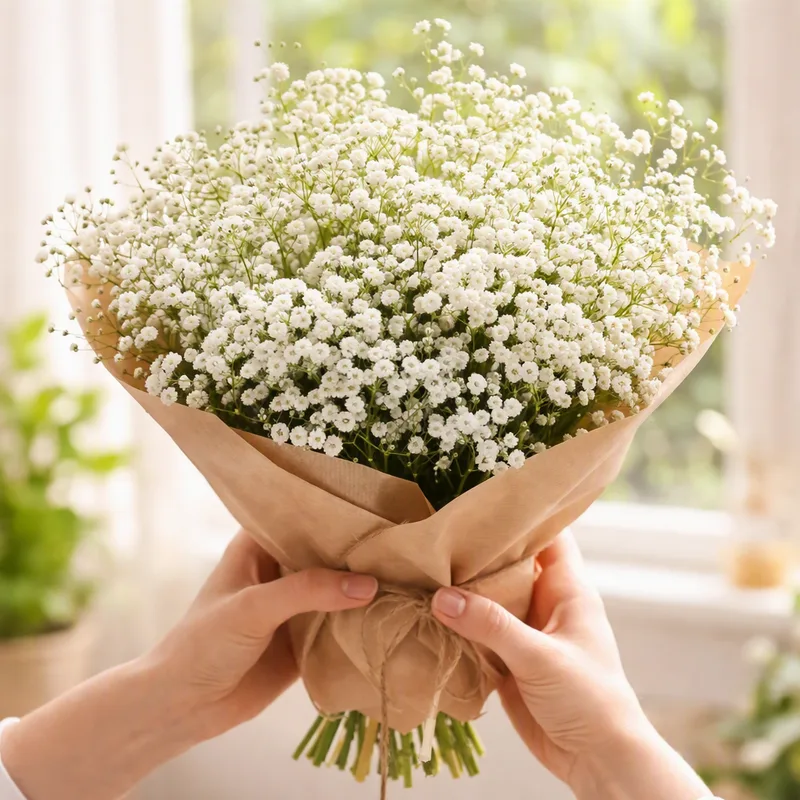
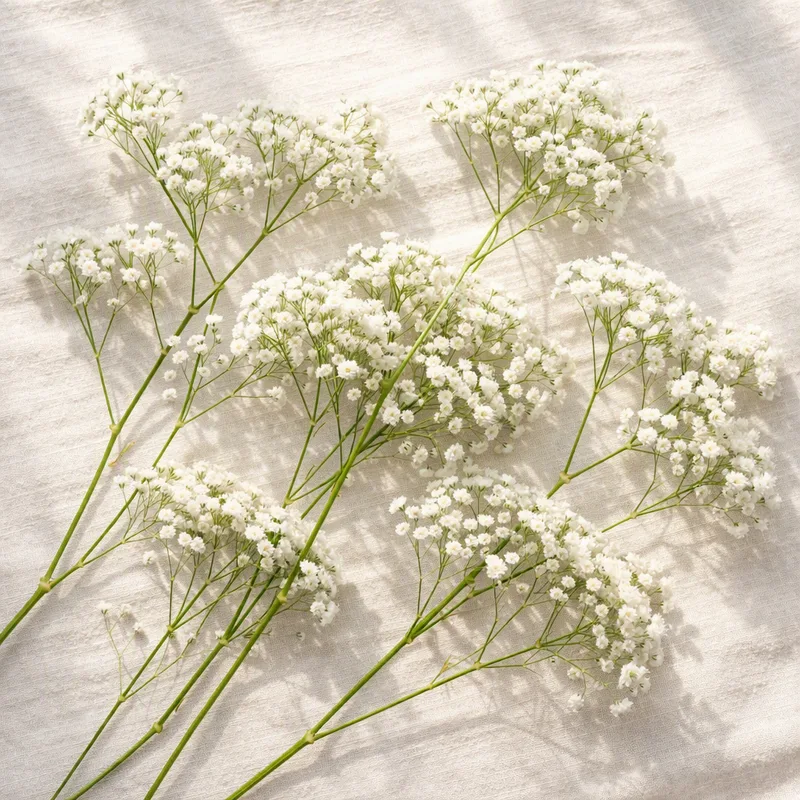
Gypsophila paniculata grows wild on dry, sandy and stony ground in central and eastern Europe. The name means chalk-loving, and it thrives in well-drained, neutral to alkaline soil in full sun. The plant forms a mound up to 1.2 metres wide and tall, covered in tiny white flowers in summer. Some people say the scent is faintly sour, and others hardly notice one at all.
Why florists call it gyp
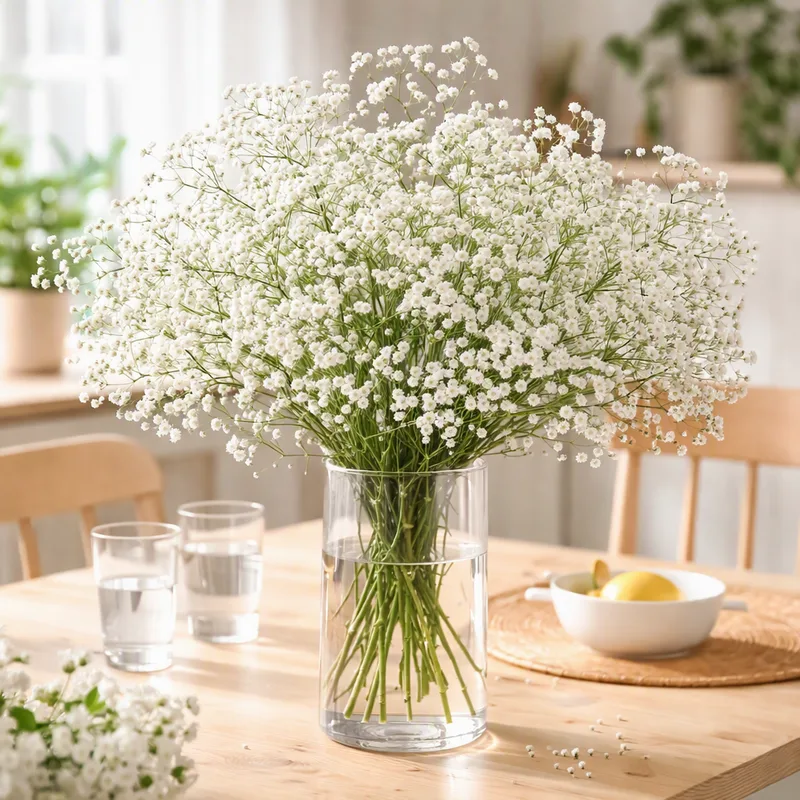
It is cheap, light and lasts for a week or two. Florists, who often shorten the name to gyp, use it as a backdrop for larger blooms, and it is grown commercially in Peru. In Australia it is especially popular for weddings and bridal flowers. If you want an Australian-grown alternative, wax flower (Chamelaucium) and rice flower give a similar airy effect.
Growing and using it
- Sun and a free-draining bed, ideally with a handful of lime if your soil is acidic.
- Sow in spring, once frost has gone, or in autumn in mild areas.
- Cut when half the flowers are open.
- To dry it, tie small bunches and hang them heads-down somewhere dim and well ventilated.
What baby's breath traditionally says
Baby's breath traditionally stands for innocence and everlasting love.
Keeping pets safe around baby's breath
For the annual Gypsophila elegans, ASPCA data show no toxic principle, only mild vomiting or diarrhoea if a pet eats some. Wikipedia adds that the perennial florist's gypsophila, G. paniculata, may irritate the skin of sensitive people.