
Why red is not quite red
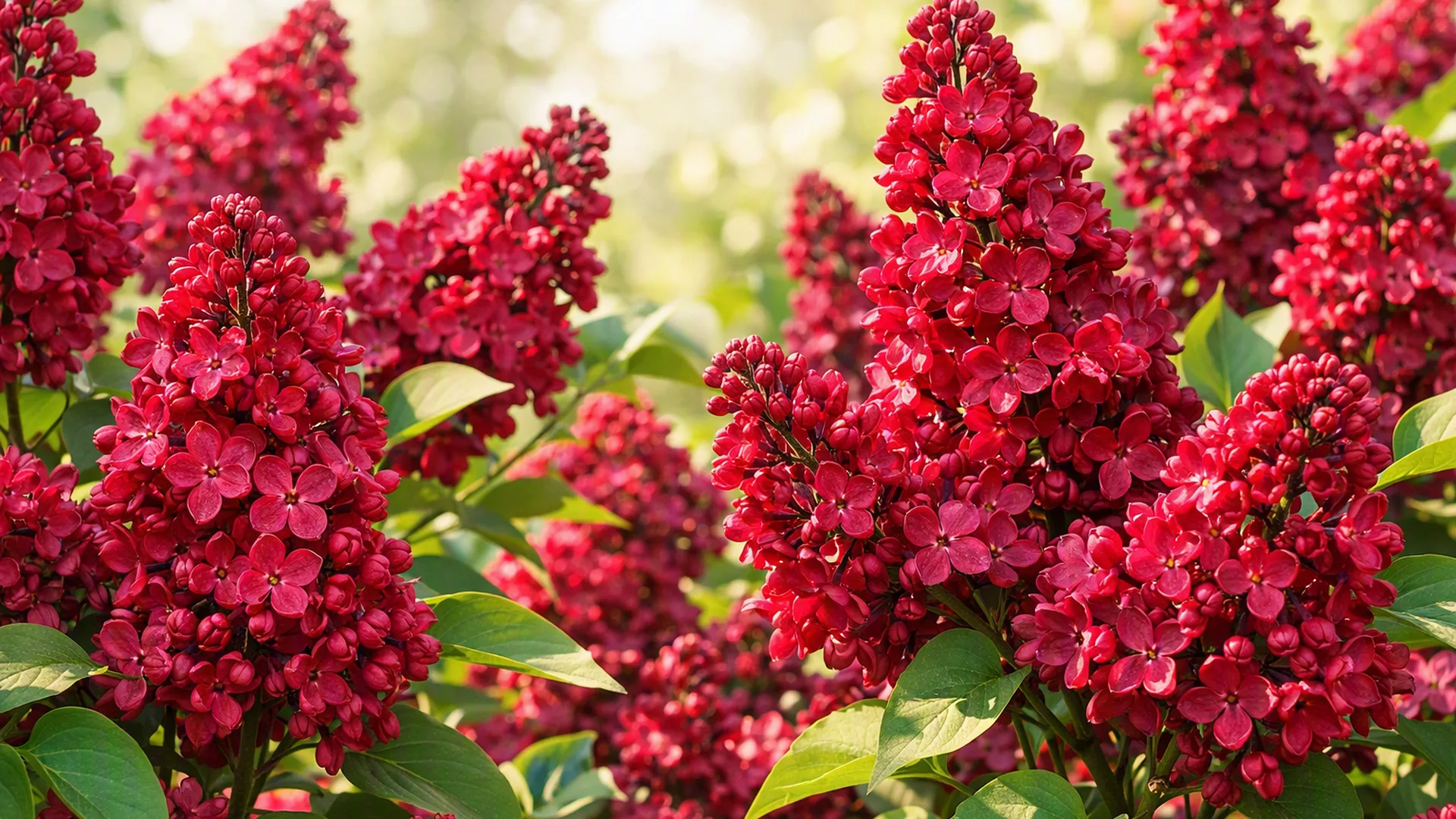
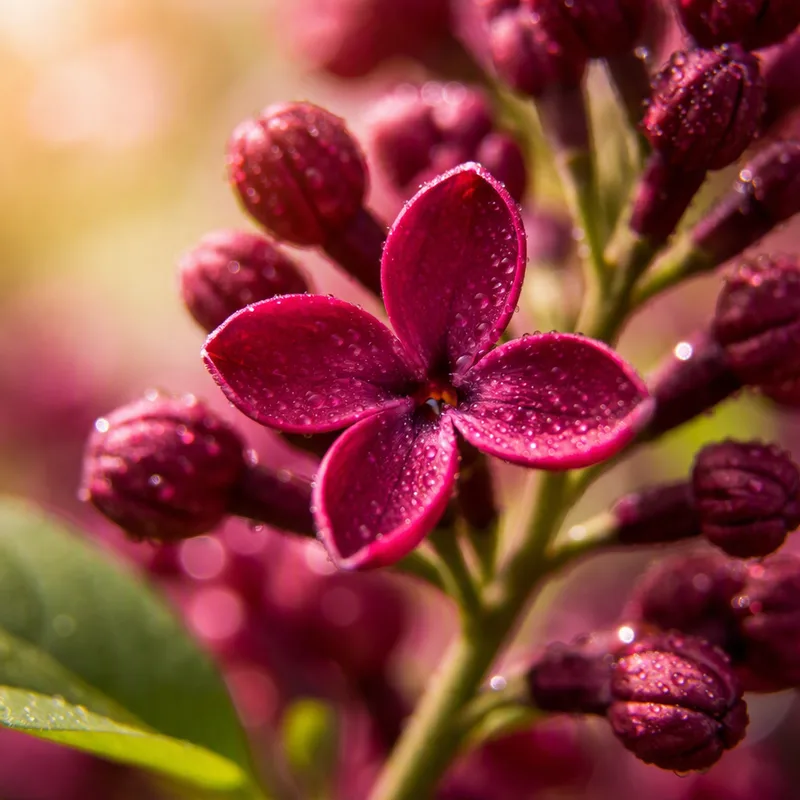
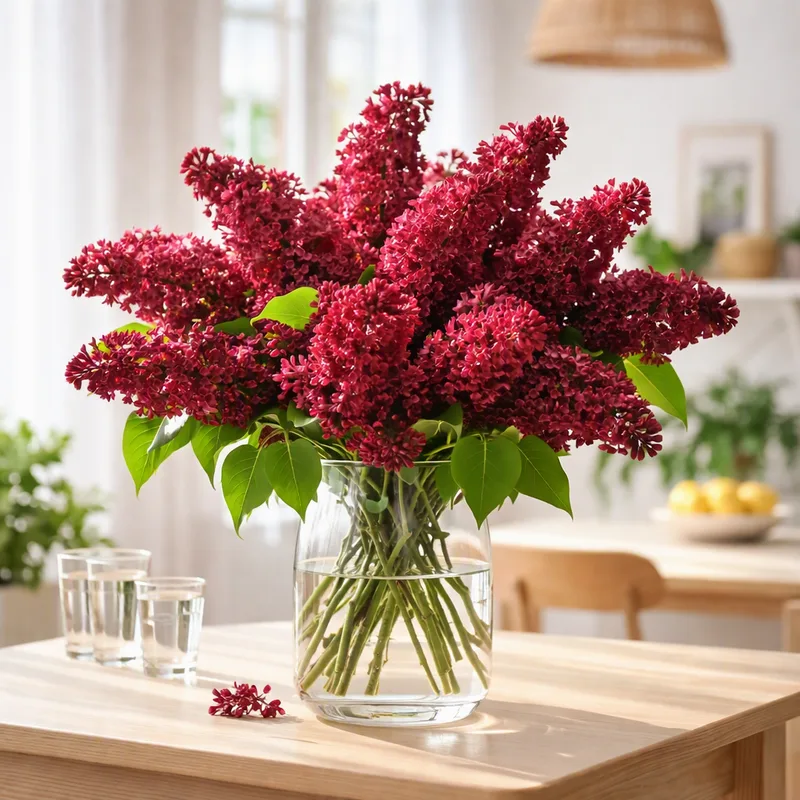
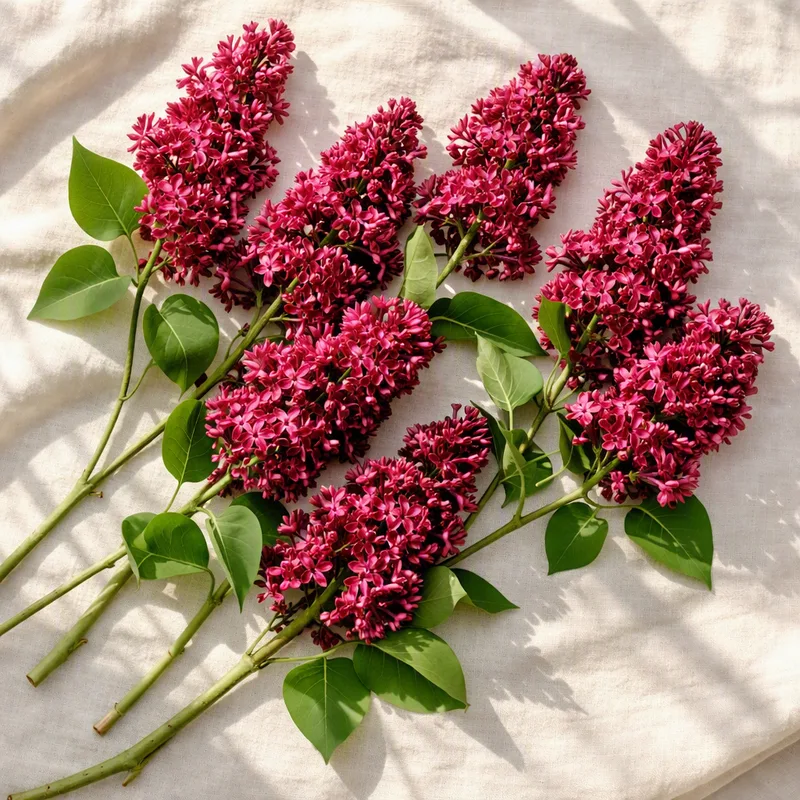
Syringa vulgaris naturally carries flowers from lilac to mauve. Breeders have deepened the tone to reddish purple, so a so-called red lilac is more claret or plum. Old cultivars such as 'Charles Joly' are often cited among the darkest, with double reddish purple flowers. Treat any colour name as a guide and check the real bloom.
Where to plant red lilac
- Climate: the plant needs a cold winter to flower, so it is happiest in Canberra, the NSW and Victorian highlands, and Tasmania.
- Sun: at least six hours a day.
- Soil: free-draining, neutral to slightly alkaline.
- Space: allow several metres; mature shrubs are large.
In warm coastal cities the buds may never set properly. If you garden there and want deep red-purple blooms in spring, consider a different shrub.
Pruning and keeping red lilac tidy
Remove spent flower heads before seed forms. Once it is established, cut some old stems out at the base to keep the shrub open. Common lilac tends to flower strongly in alternate years, and deadheading evens that out.
As cut flowers
Red-purple lilac stems last around three to five days, and darker shades can look almost black in low light. Place them in deep water as soon as you cut them.
What red lilac traditionally says
Dark purple lilac traditionally speaks of first love and deep feeling.