
How red can heather be
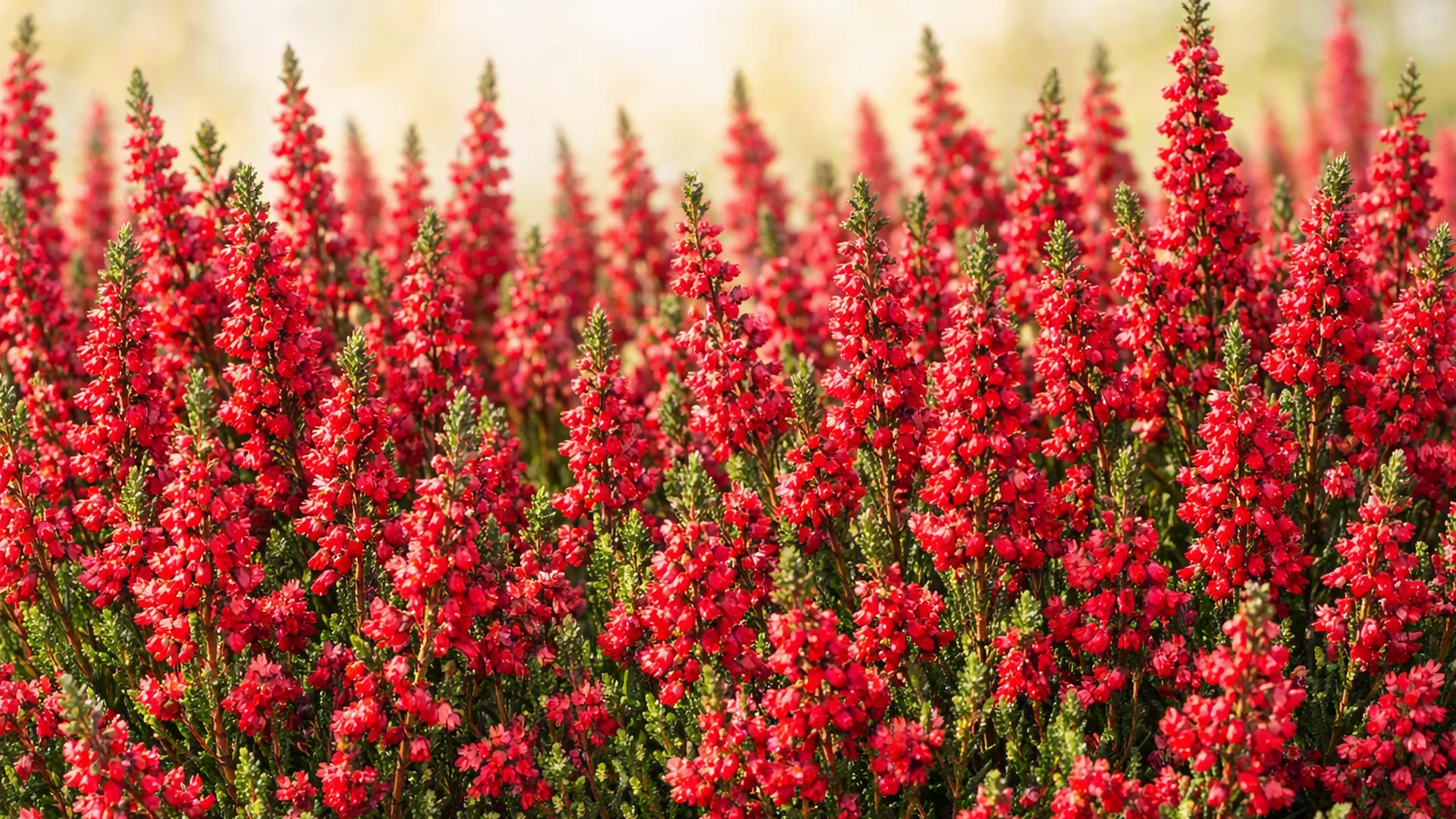
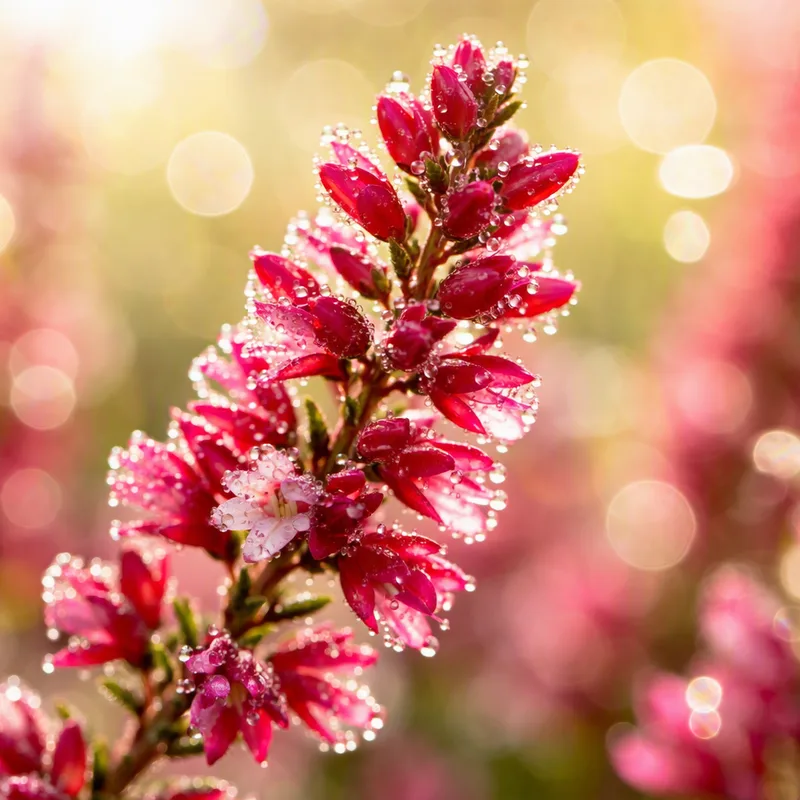
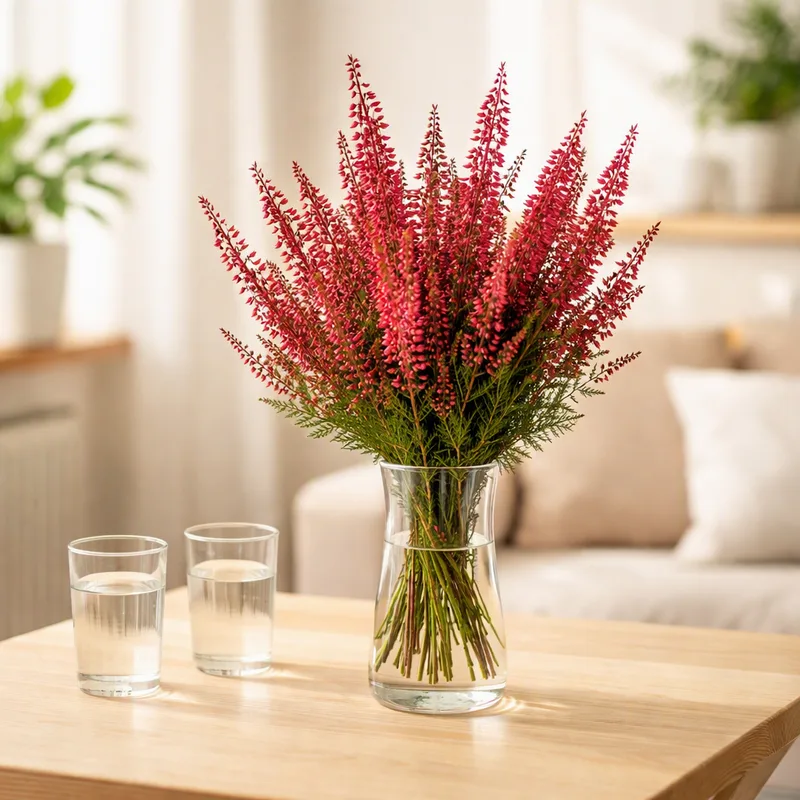
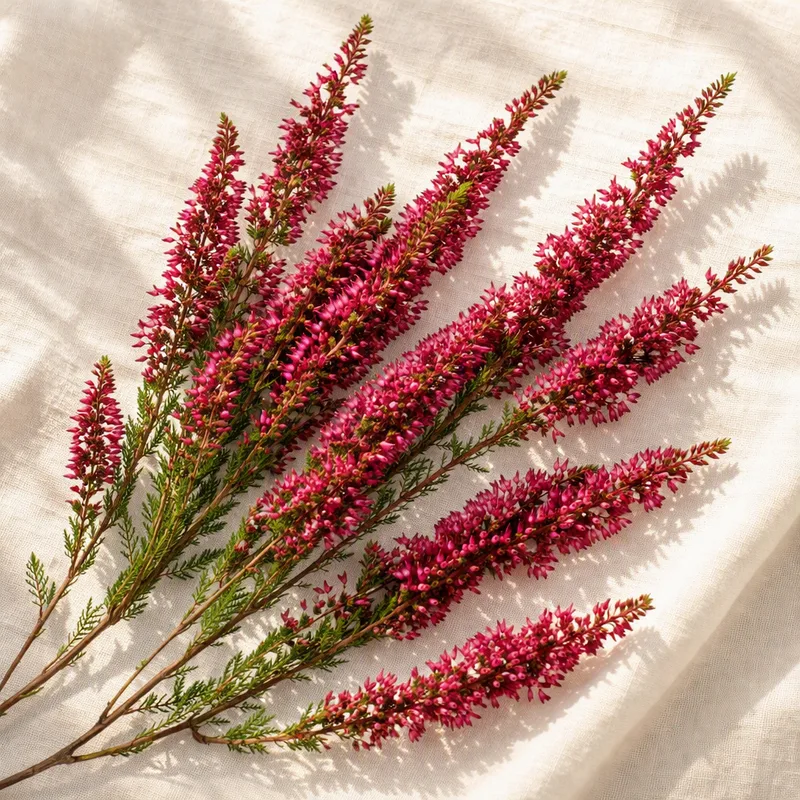
Calluna vulgaris cultivars range from white and pink through many purples, and some are described as red. In practice, a red heather is usually a deep magenta or crimson-purple rather than bright red. Foliage also adds warmth: some cultivars have golden, orange or bronze-red leaves, especially in the cold months, so a plant can look red even without flowers.
Choosing and placing
For the strongest red, buy a plant in flower so you can judge the shade. Group several plants of one cultivar for a solid block of colour, then edge them with silver foliage. Heights are modest, around 20 to 50 cm, so use heather at the front of a bed, in a rockery or in a trough.
Care in Australian gardens
- Provide acid soil, either peaty or ericaceous.
- Sun is best, but afternoon shade helps in warmer districts.
- Water young plants regularly and mulch to keep roots cool.
- Shear lightly after flowering, never into old wood.
Heather suits cool areas such as Tasmania, the Victorian highlands and the Blue Mountains. In humid or subtropical places, the same effect is often achieved with a different plant.
Heather and the household pet
The ASPCA does not list Calluna among toxic plants for dogs and cats. Because no entry is not a guarantee, call a vet if a pet has eaten some.
Wild Calluna is normally mauve and white-flowered plants appear only occasionally, so every red or white heather in a nursery is a selection chosen by growers.