
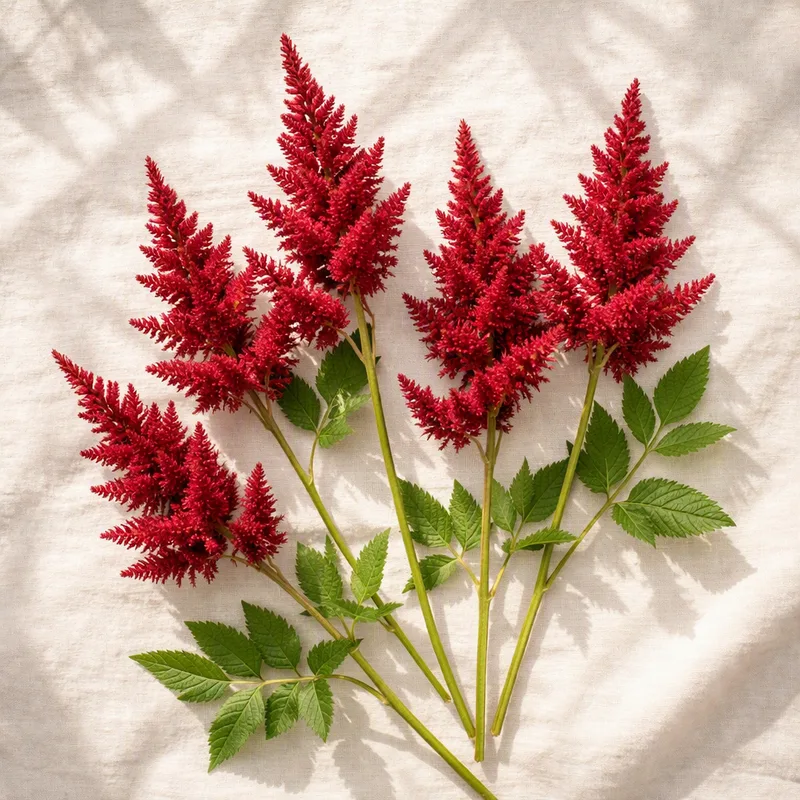
Garnet and crimson
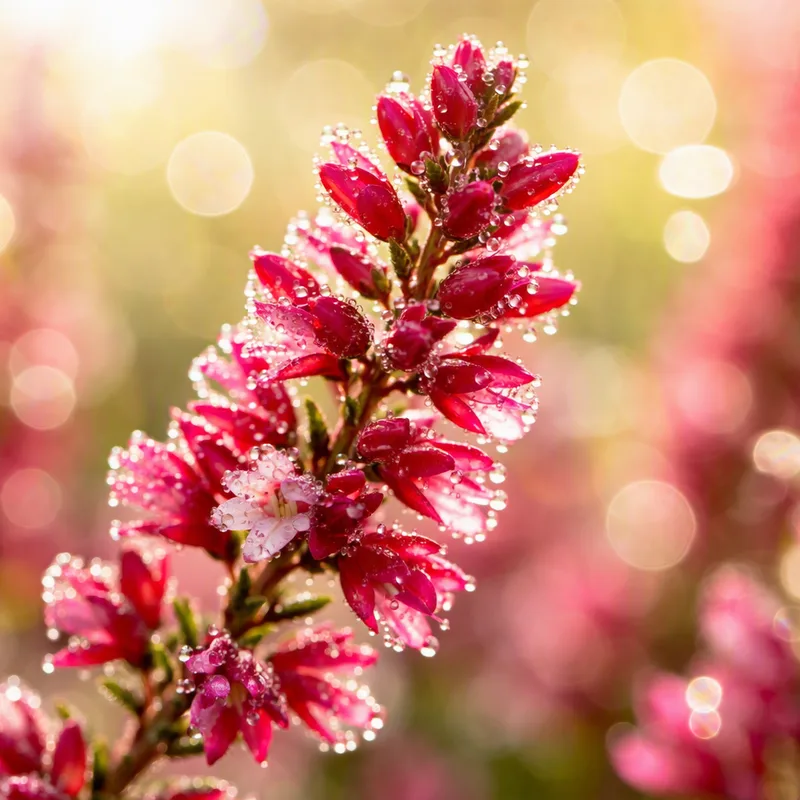
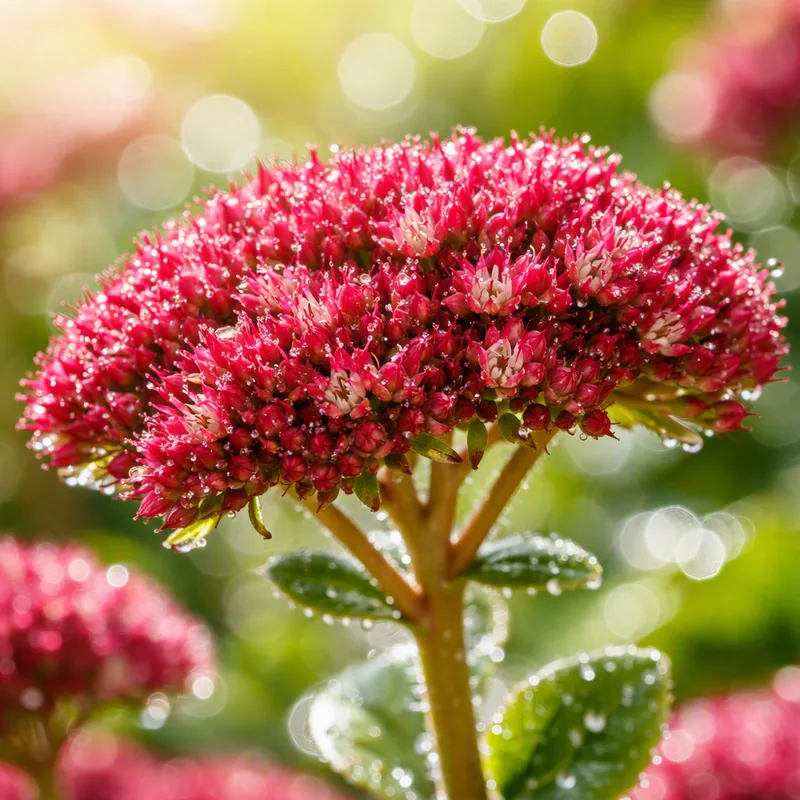
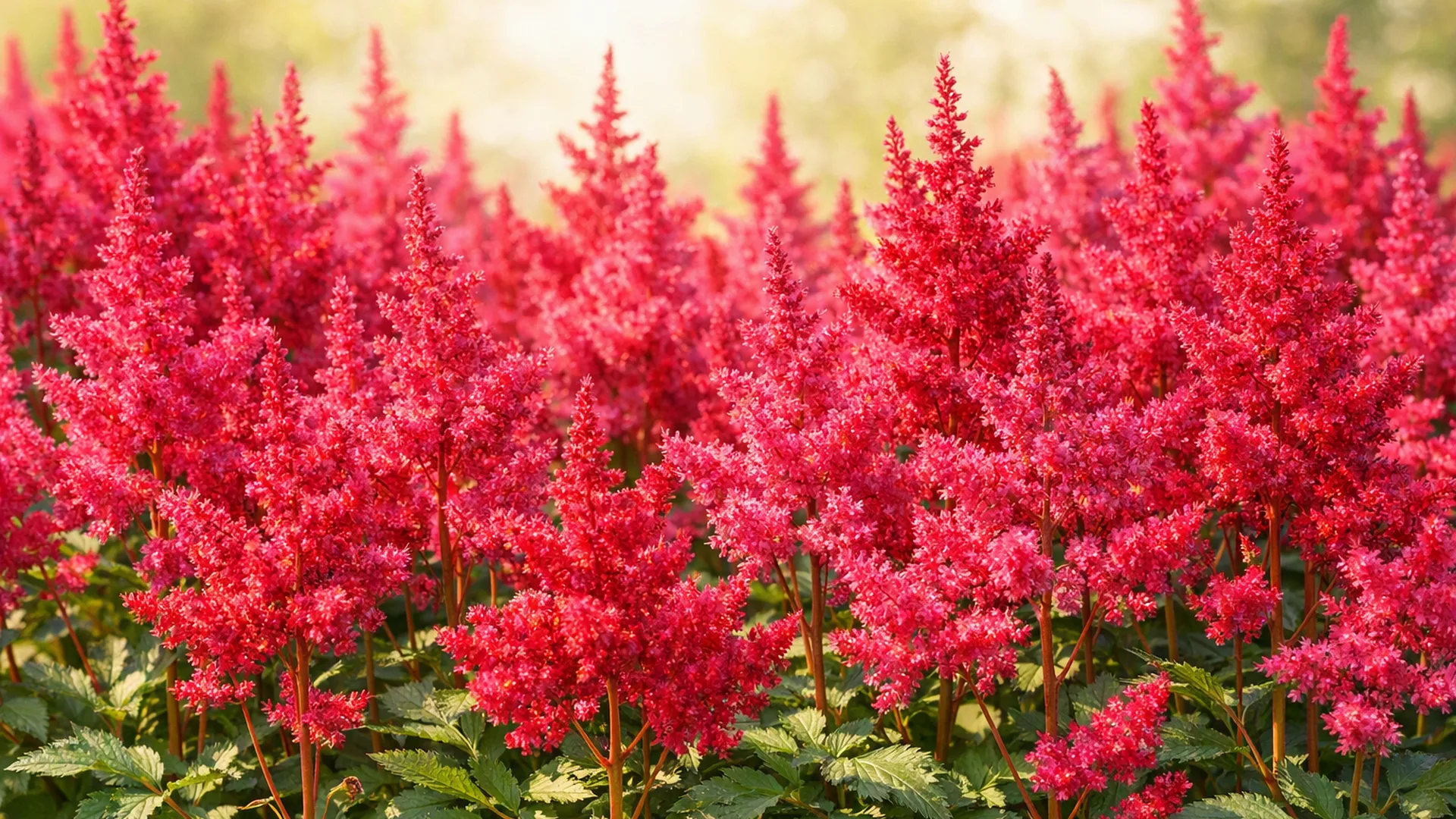
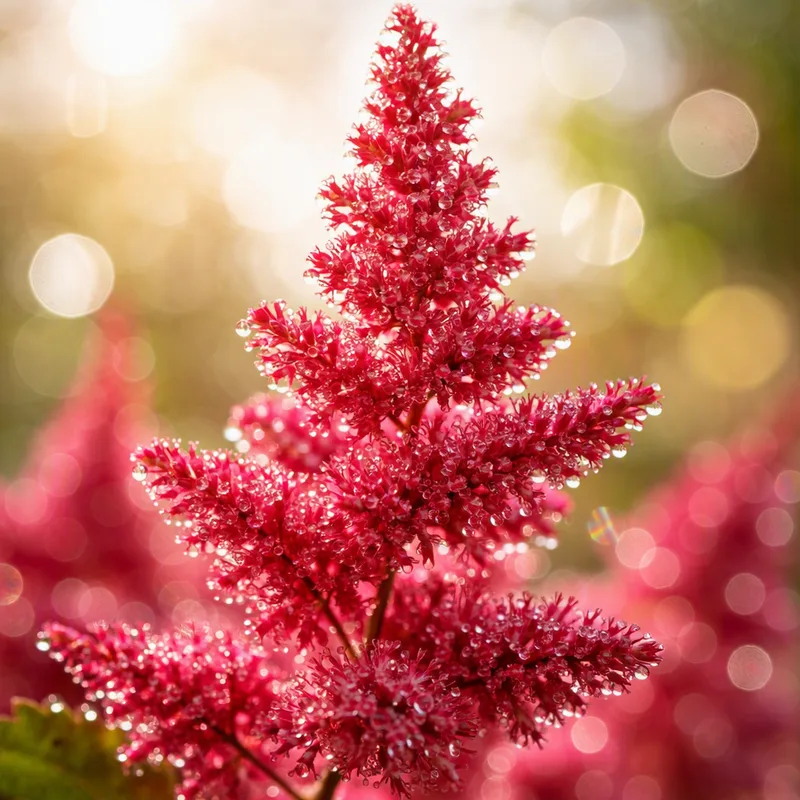
Red astilbe plumes are usually closer to garnet, ruby or crimson than to scarlet. The cultivar 'Fanal', raised in Germany by Georg Arends, is a classic dark red with bronze foliage. Dark leaves set off the plume colour, and they are also less bothered by sun than the paler greens.
Plants to set beside it
- Silver-leaved plants brighten the dark red.
- Lime-green hostas give strong contrast.
- White astilbe keeps the display fresh in the same border.
How red astilbe copes with heat
Red varieties can fade in strong light, and the plumes dry out sooner in hot weather. Give them a spot with morning sun and afternoon shade. Mulch thickly, water deeply and avoid letting the soil dry out. In the Dandenongs, the Adelaide Hills and Tasmania, they are easiest. Further north, astilbe is usually a short-lived pot plant.
Calendar
Plant crowns in winter while dormant. Expect plumes from November to January in most of the south, and a second flush if spent plumes are removed early. Cut foliage back when it browns in autumn or winter, and divide crowns every few years.
Red astilbe and animals
The ASPCA has no astilbe entry in the pages we looked at. Call a vet if your animal has eaten a lot of foliage and seems unwell.
Red astilbe also does well in large containers on a shaded verandah. Use a deep pot with good potting mix, stand it in a saucer in hot weather, and move it to a cooler spot when a heatwave is forecast. Re-pot every second year, dividing the clump if it has filled the container, and top up the mulch so the roots stay cool.