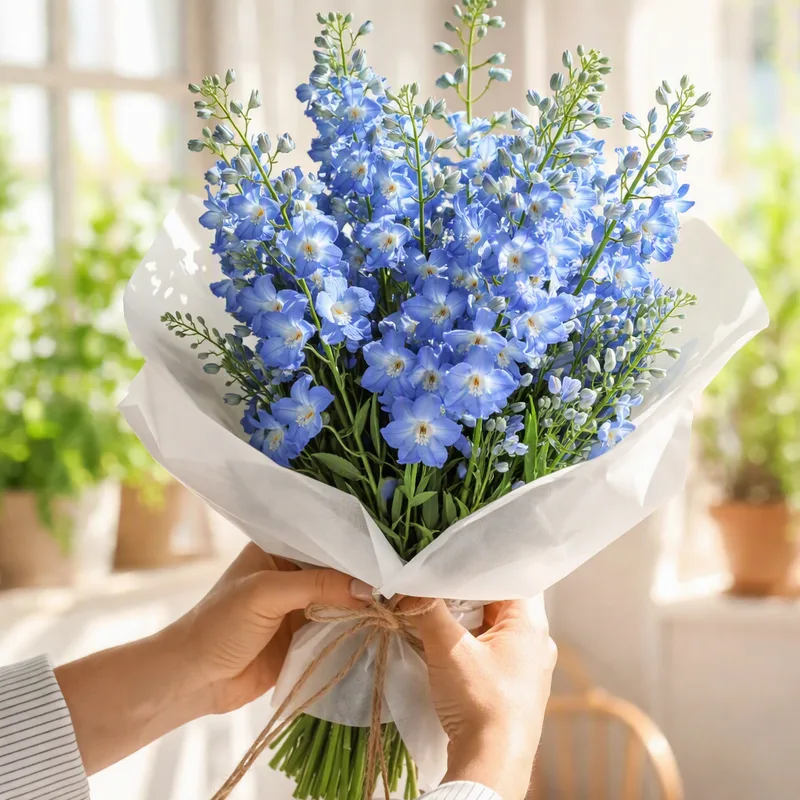
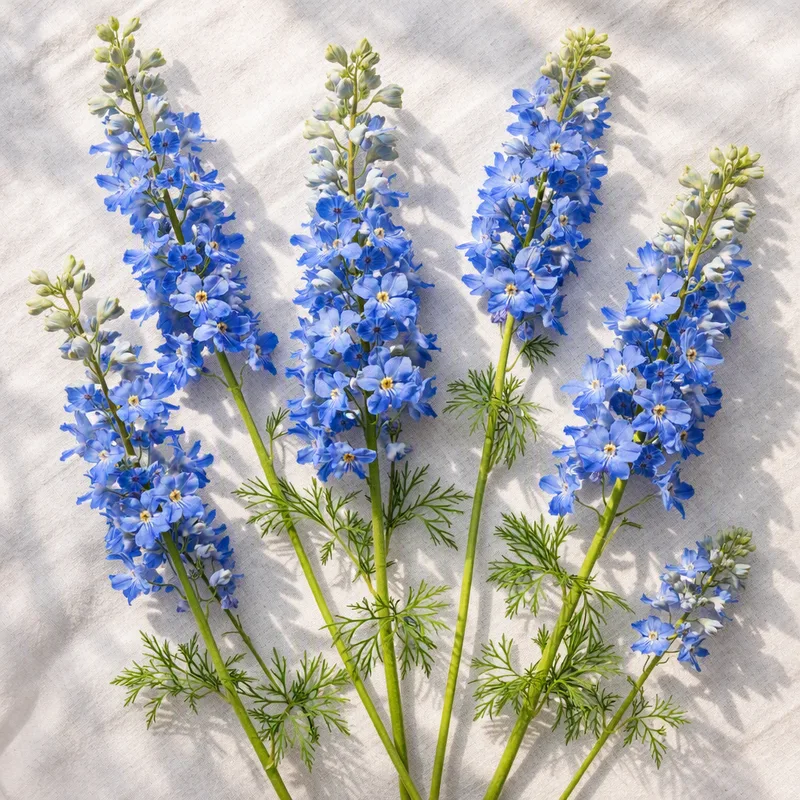
Dolphin flowers
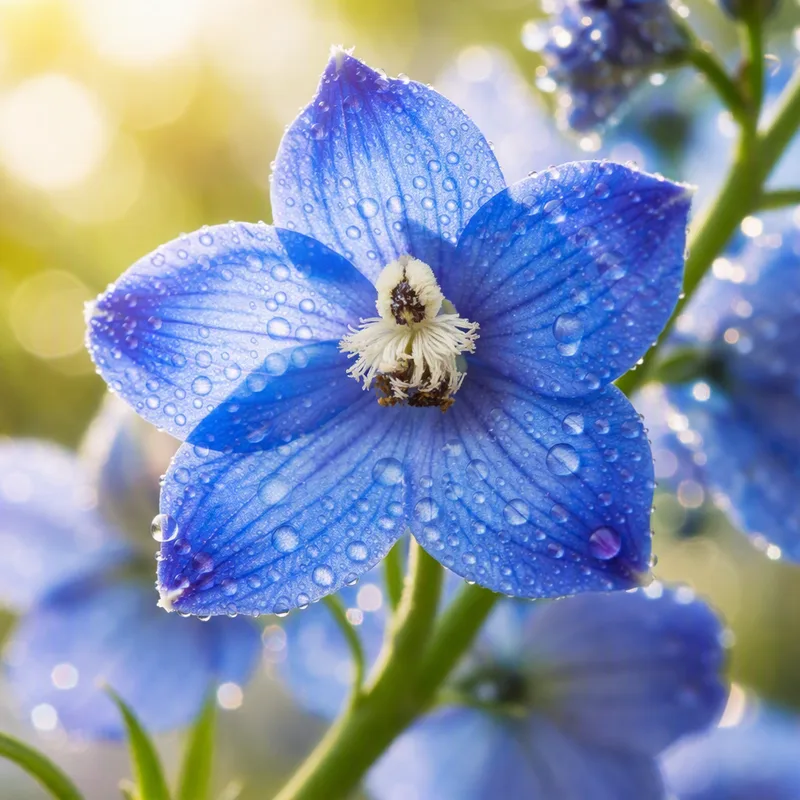
The name Delphinium comes from the Ancient Greek word for dolphin, because the bud was thought to look like one. Each flower has five coloured sepals, and the top one forms a hollow spur. The genus belongs to the buttercup family, and all its members are toxic to people and livestock.
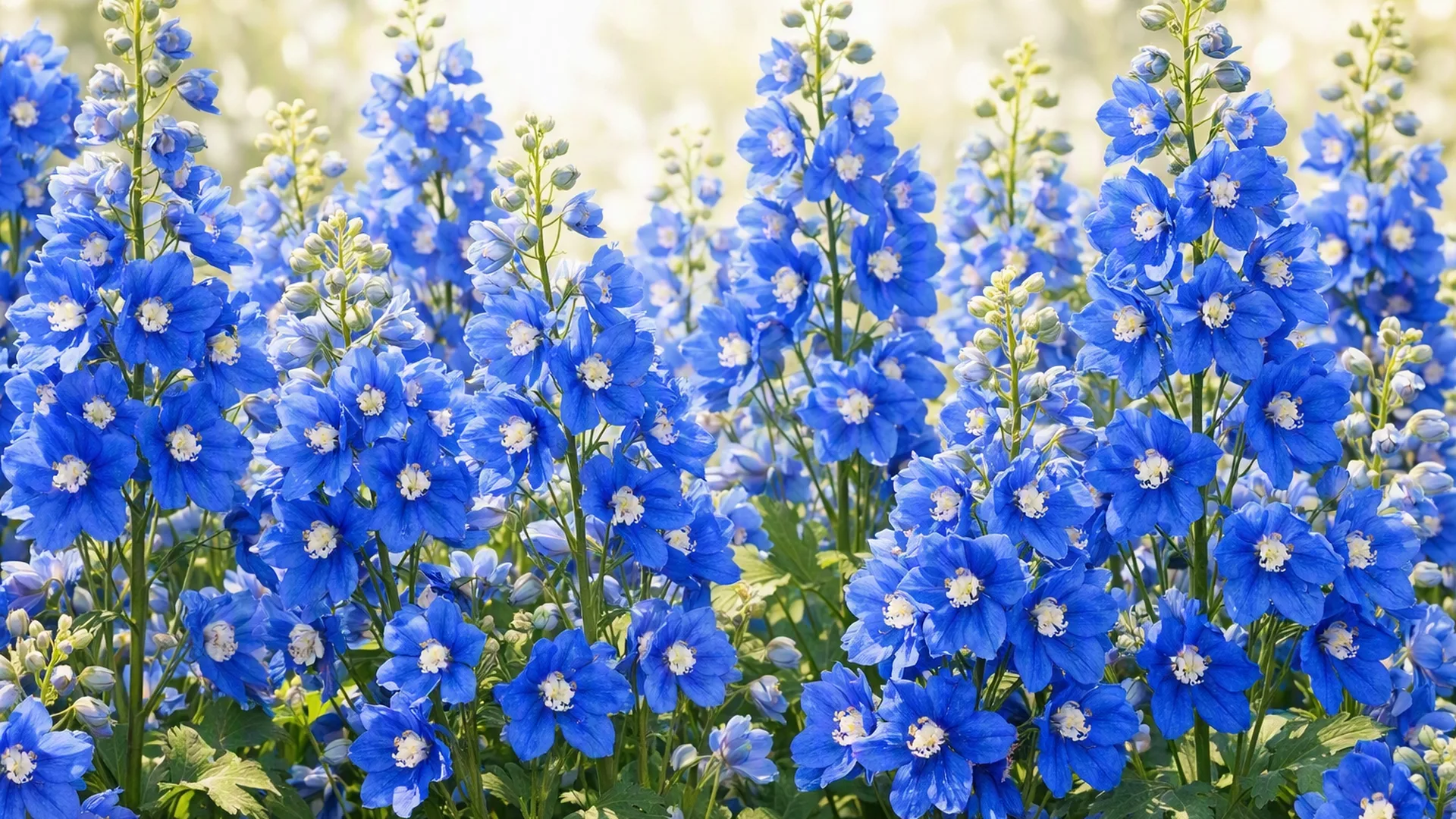
Blue is the signature, but not the only colour
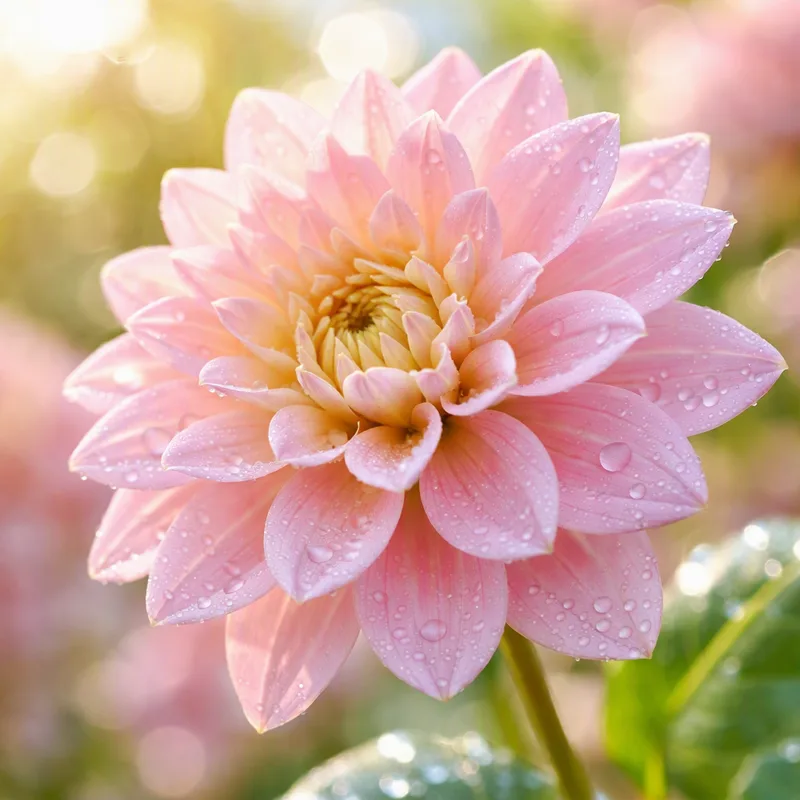
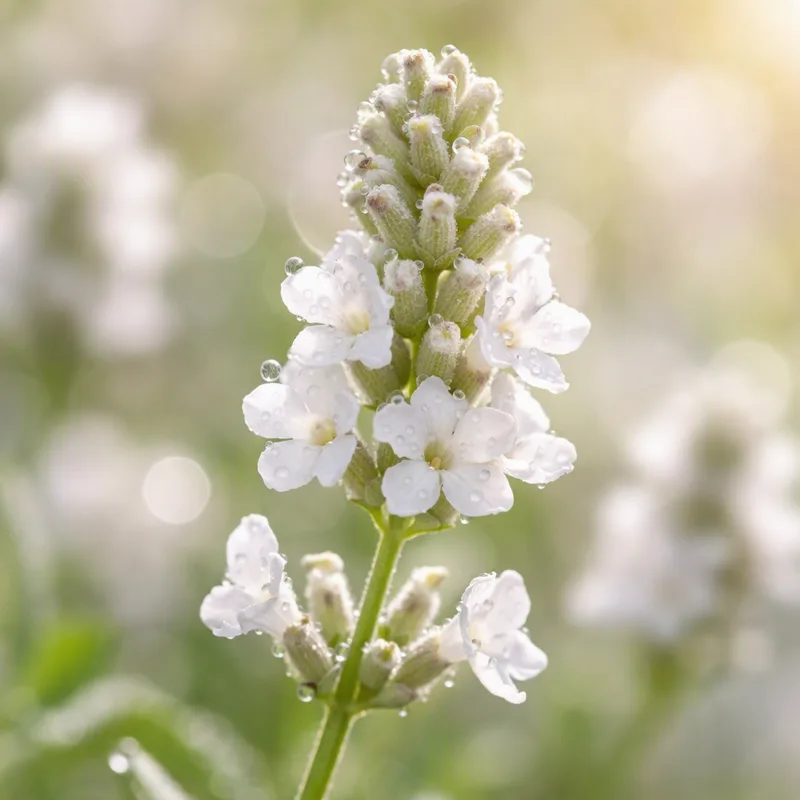
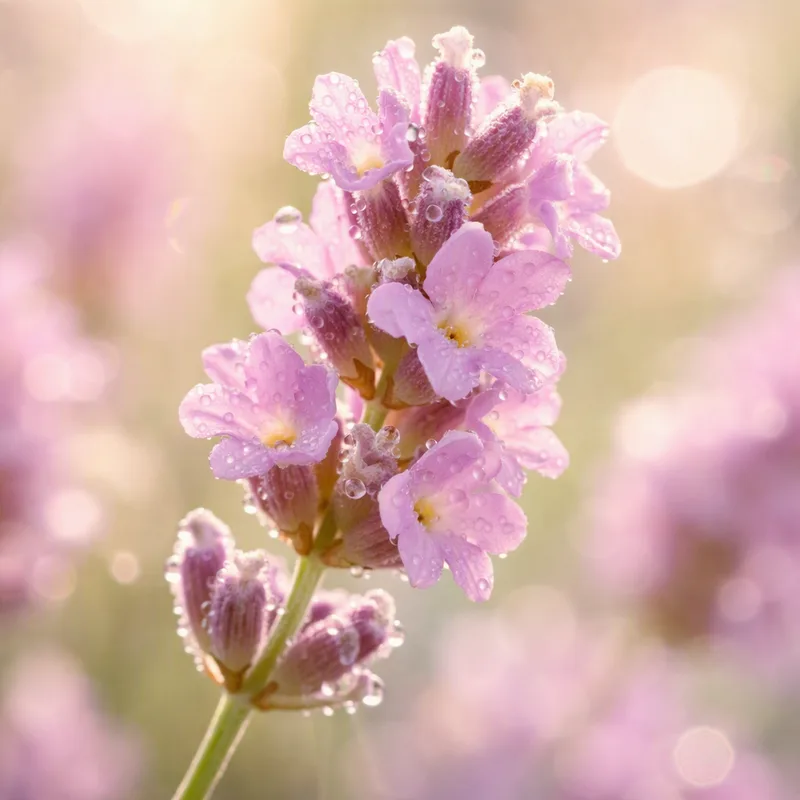
Garden delphiniums grow 1.2 to 1.8 metres tall in the Pacific hybrid group. The Millennium hybrids, bred in New Zealand, are reported to cope better with warmth. Breeders have also produced white, pink and lavender forms.
Growing delphiniums in Australian conditions
- They perform best in cool-temperate areas such as Tasmania, the Victorian highlands, Canberra and the Blue Mountains.
- Plant in spring, from September, in rich soil with plenty of sun.
- Stake early, since heavy flower spikes snap in wind.
- Snails and slugs love the new shoots, so check them regularly.
In hot, humid or tropical regions, delphiniums are difficult and short-lived.
Larkspur cousins
Annual larkspur (Consolida) is closely related and easier in mild gardens. It can be sown in autumn.
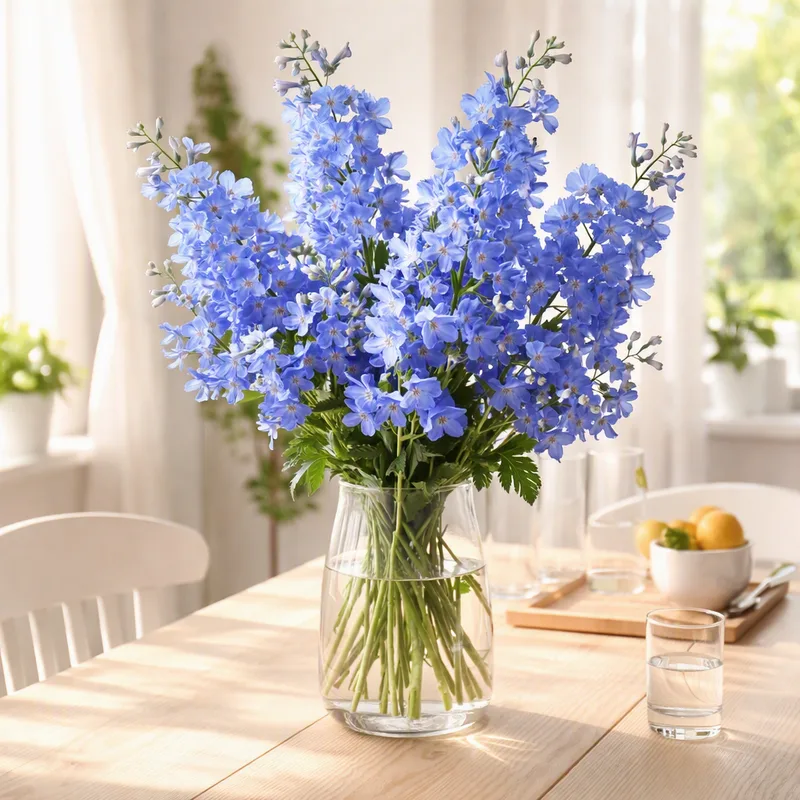
The flowers last well on the plant but are short-lived when cut. Choose stems with the lower third of the buds open, and keep the vase away from ripening fruit, which can shorten the life of the blooms.
Why every part is dangerous
According to the ASPCA, delphinium is toxic to dogs, cats and horses. If a person swallows any part, call the Poisons Information Centre on 13 11 26.