
An annual that has made itself at home
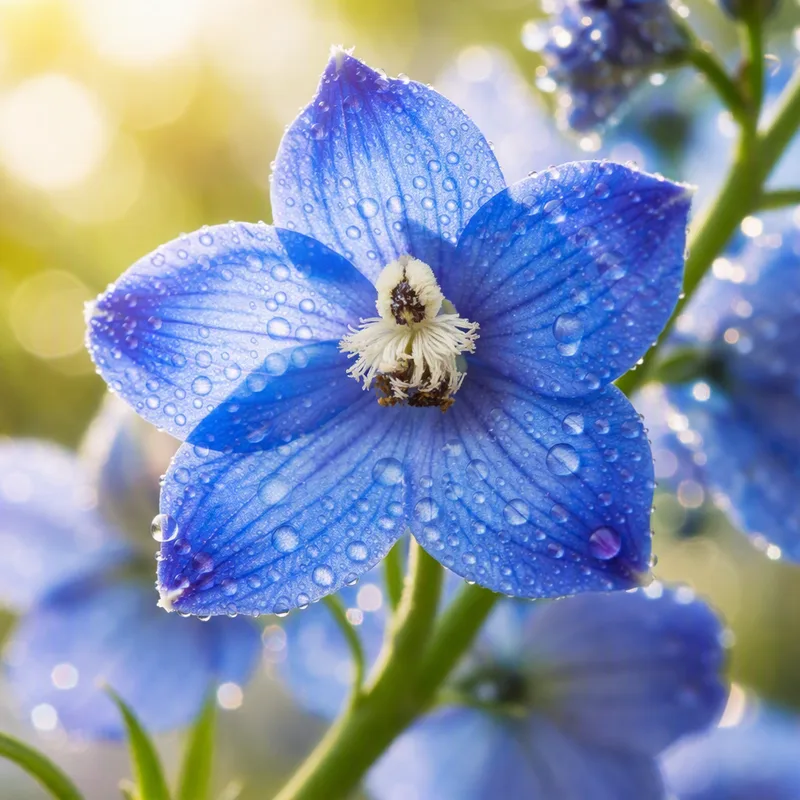
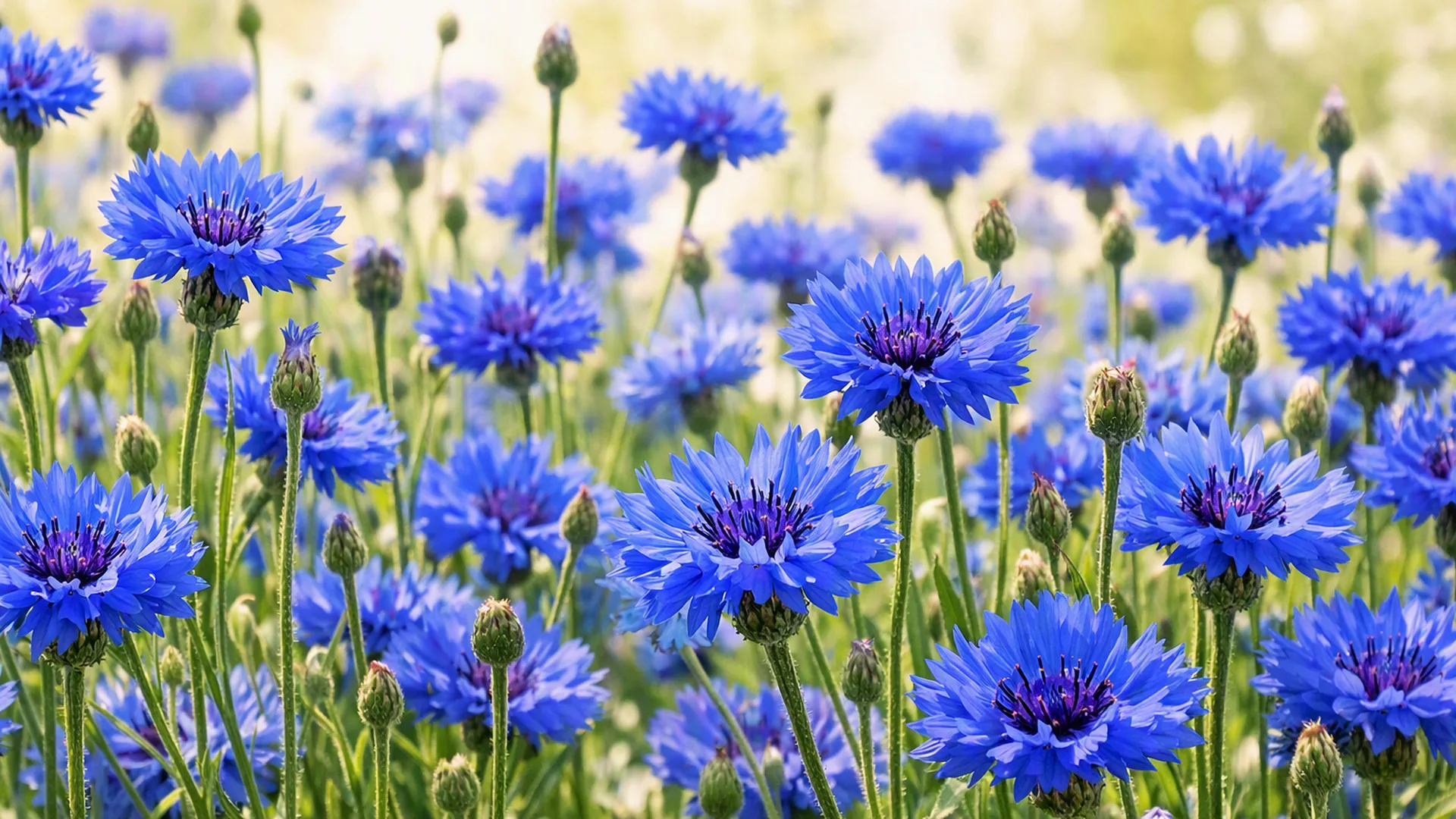
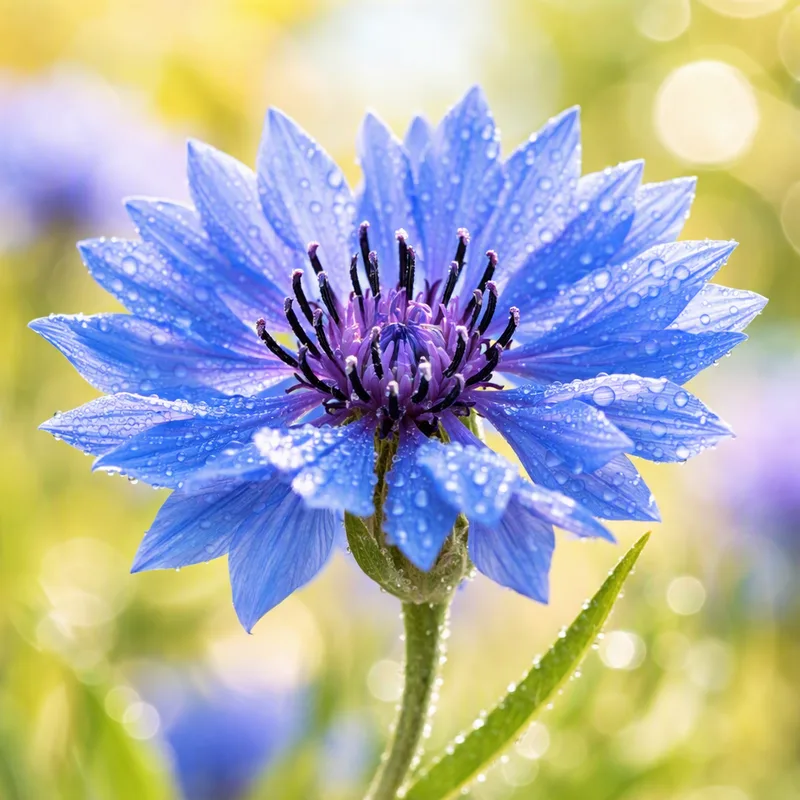
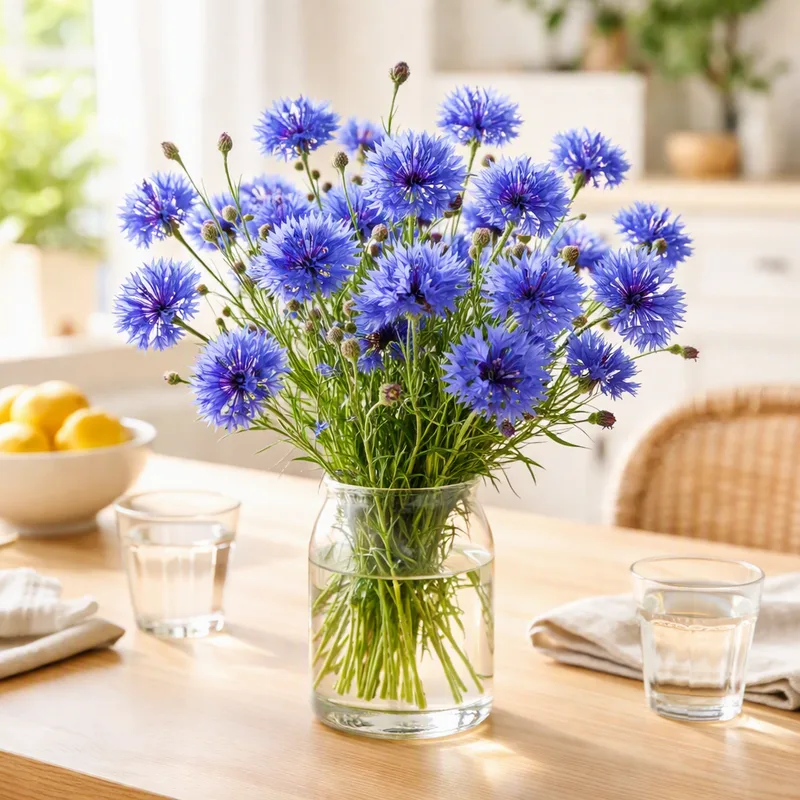
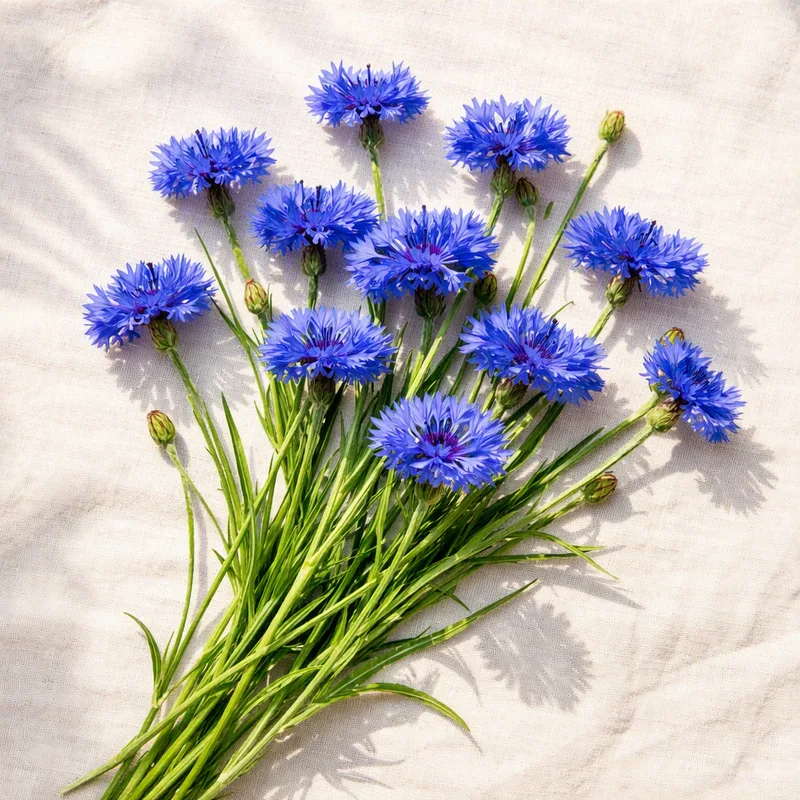
Centaurea cyanus is a daisy-family annual from temperate Europe. It has been grown as a garden plant in many parts of the world and has naturalised in parts of Australia, where it can turn up in paddocks and along roadsides. The name cyanus comes from the Greek word for dark blue, and the classic flower is exactly that: a bright, almost electric blue, with fringed petals around a small tufted centre.
When to sow here
Cornflower is tolerant of cold and is usually sown where it will grow. Which season you pick depends on your climate:
- Cool and temperate areas: sow in autumn (March to May) for flowers in spring, or in early spring (September) for summer colour.
- Subtropical coast: sow in autumn or winter so that plants flower before the humid heat.
- Tropical north: sow in the dry season, if at all.
Plants grow between 20 and 100 cm tall on grey-green, branching stems and prefer full sun and everyday garden soil; rich ground gives leaves at the expense of blooms.
Cutting blue stems
Pick stems once the first blooms are open, and refresh the water on alternate days. Expect a vase life of roughly a week. For cutting, most growers pick double blue cultivars like Blue Boy. The petals can be dried and used in tea blends, and they stay blue.
Remembrance and pets
The French wear the bleuet de France for the 11 November armistice, a counterpart to the red remembrance poppy that Australians wear. The ASPCA gives it a non-toxic rating for dogs and cats.