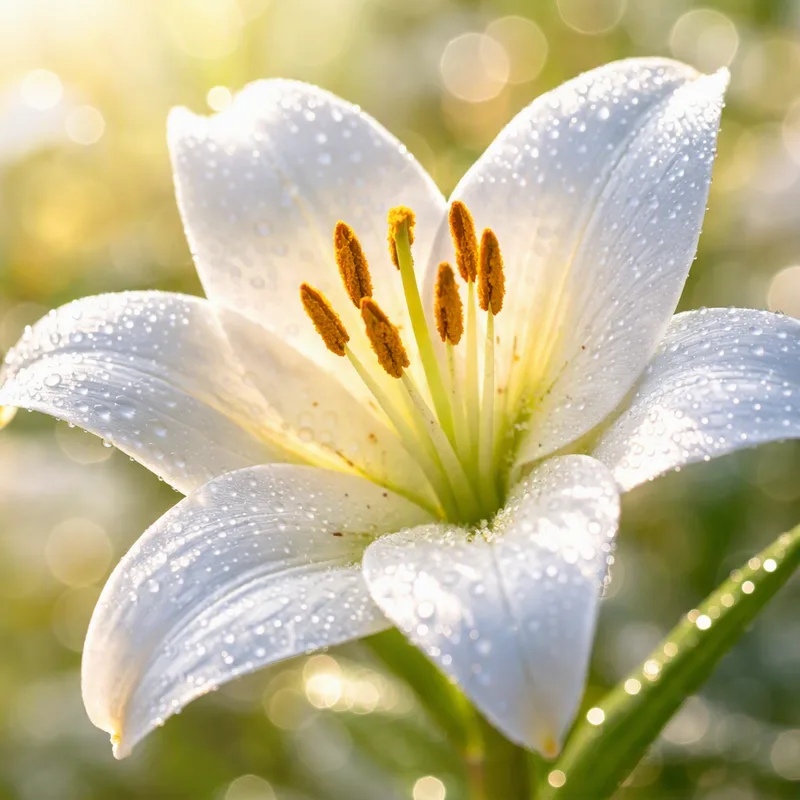

Cousin of the peace lily
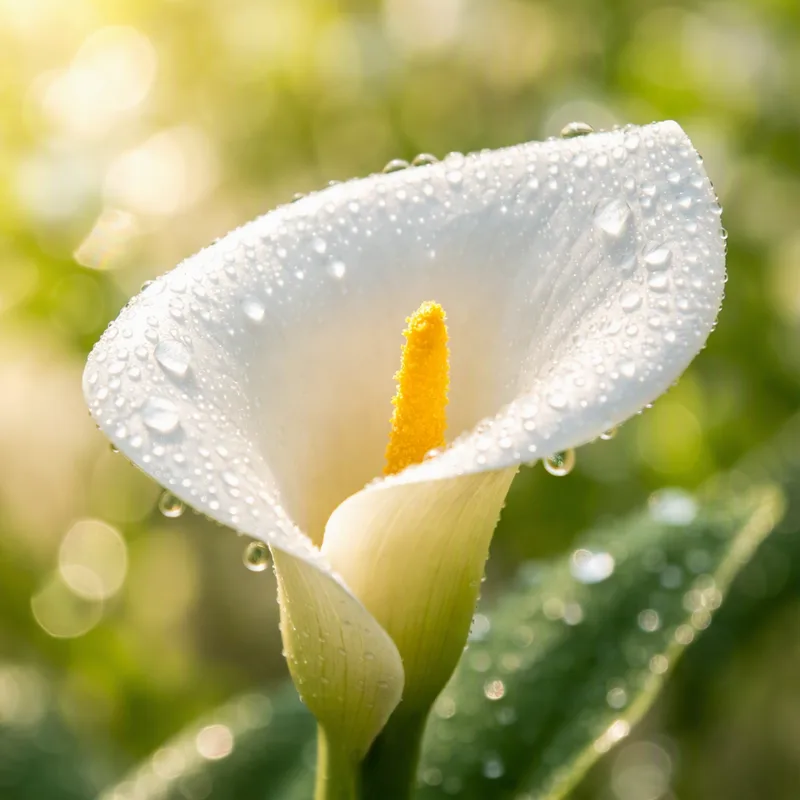
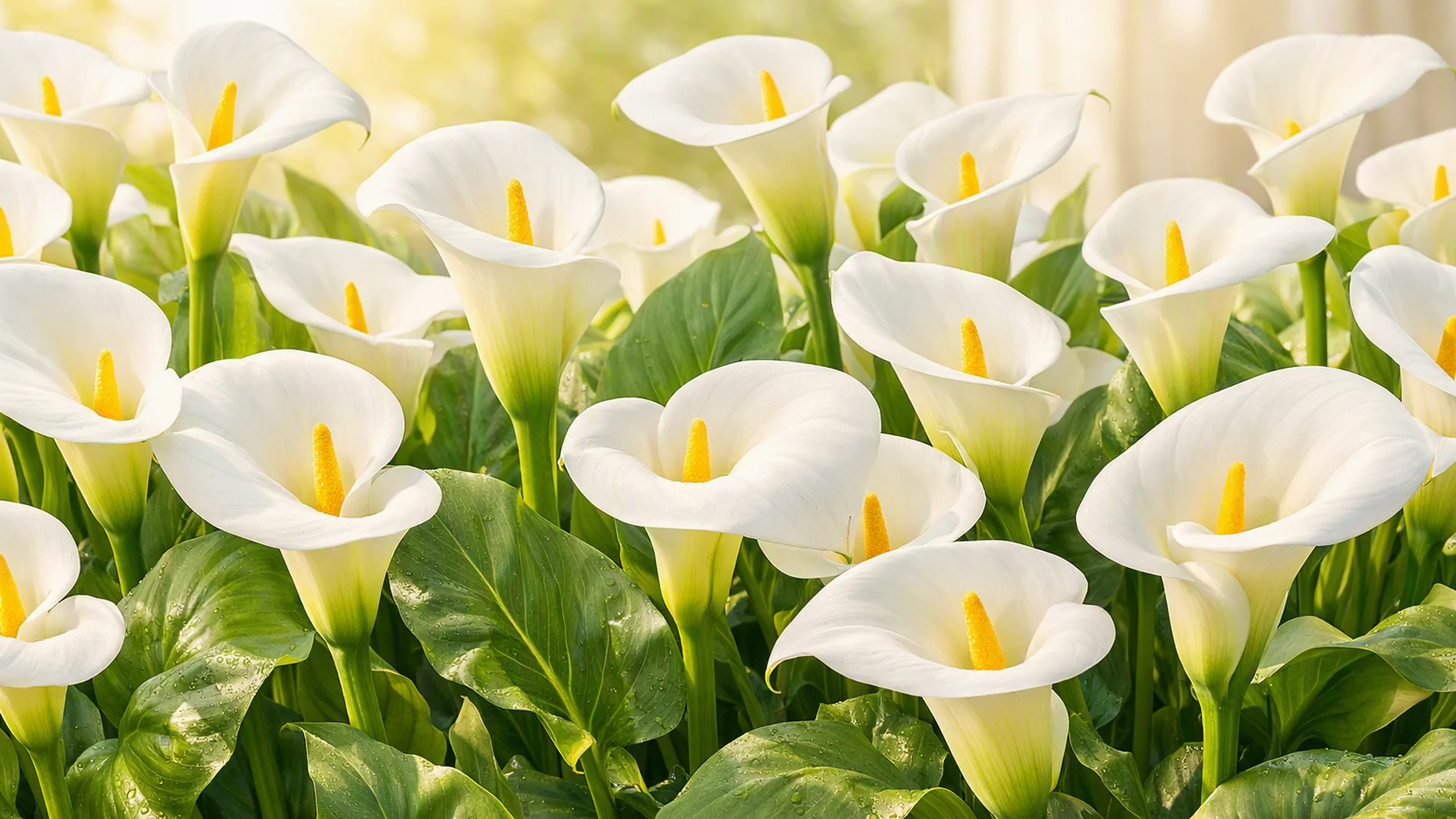
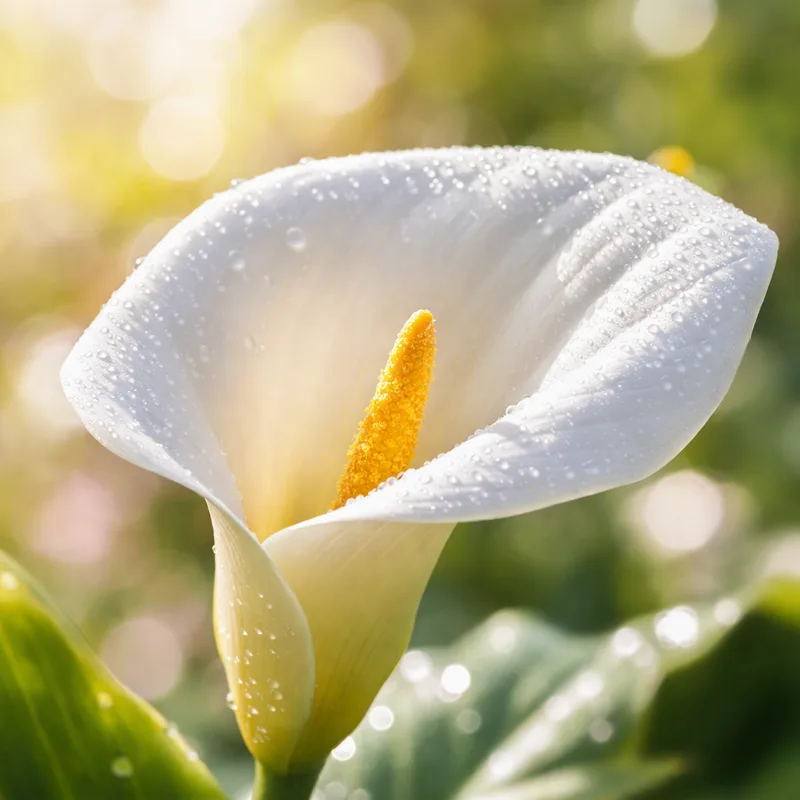
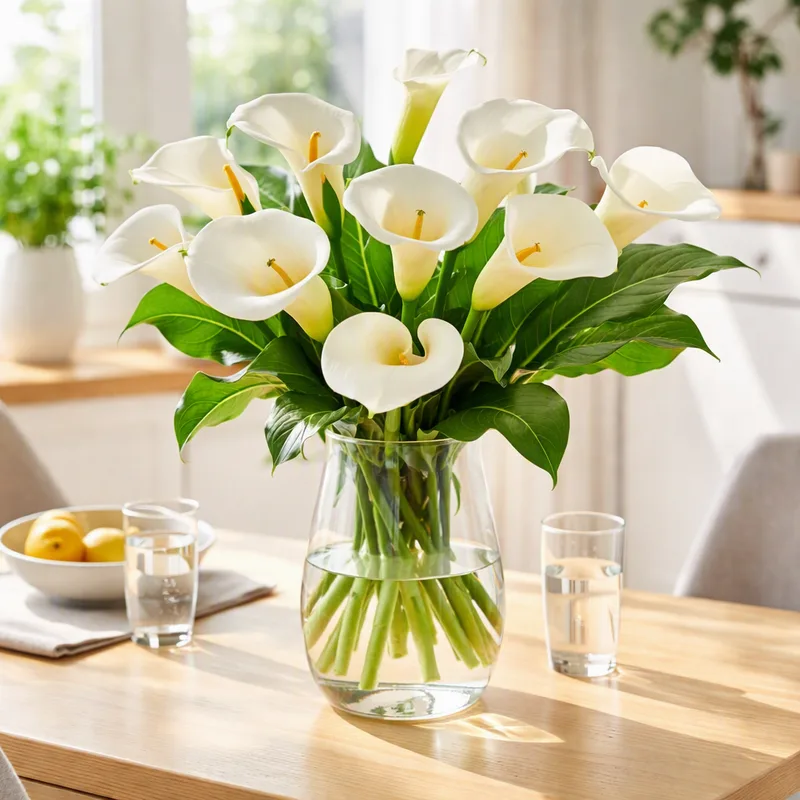
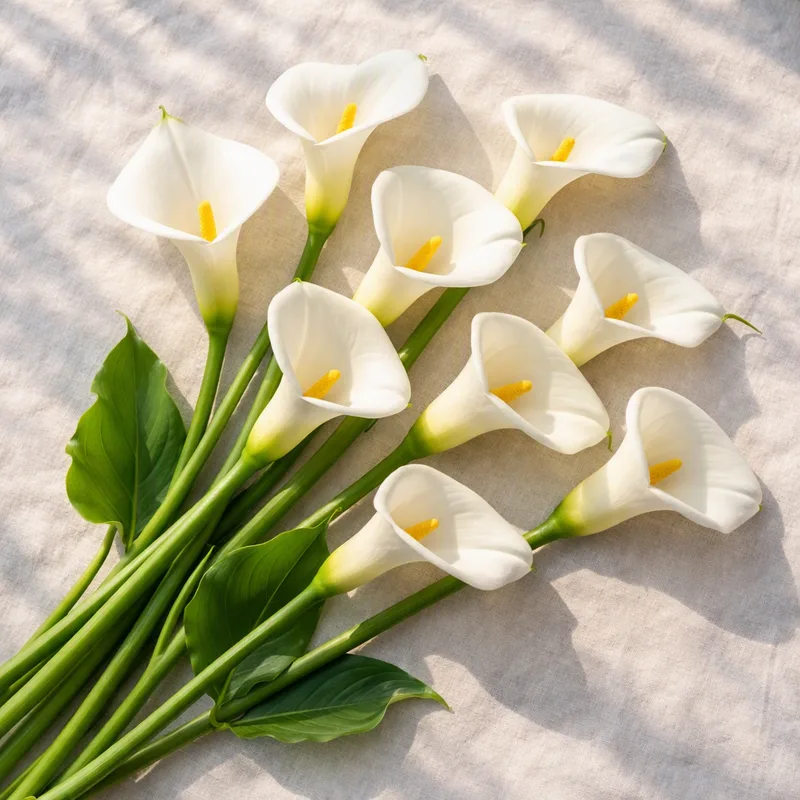
The white calla is Zantedeschia aethiopica, from South Africa. It belongs to the arum family (Araceae), with peace lilies and philodendrons, and is not related to true lilies. The "flower" is a single funnel, called a spathe, wrapped around a yellow spike, the spadix, that carries the tiny real flowers. Australians usually call it the arum lily, and "calla lily" is mostly the florist's name.
Season in Australia
The classic white arum lily flowers from late winter through spring, roughly August to November in southern states, with stems appearing earlier in warmer regions. It keeps its leaves in mild winters and grows best in damp ground or at the edge of a pond. Coloured callas are different plants, which flower in summer and die back in winter.
A garden escapee
Beautiful as it is, the arum lily has spread beyond gardens in damp places across southern Australia and is treated as a weed in some states. weeds.org.au has a profile, and your state or council can tell you the rules where you live. Never dump garden waste containing rhizomes in bushland or waterways, and bag cut flower heads that have gone to seed.
What the flower stands for
Traditionally the white calla stands for purity and "magnificent beauty", and it features at weddings, funerals and Easter.
Poison risk
Calla contains insoluble calcium oxalates. Cats, dogs and horses can be harmed by it, according to the ASPCA's plant list, causing mouth irritation, drooling and vomiting. Unlike true lilies, calla is not linked with kidney failure in cats. For human poisoning questions, the Poisons Information Centre can be reached on 13 11 26.