
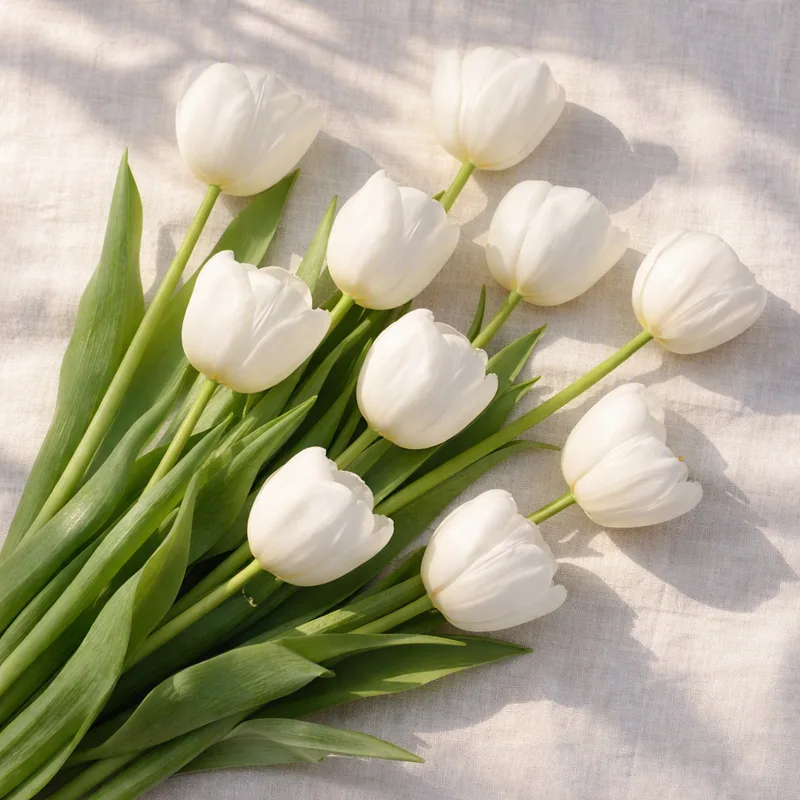
What white stands for
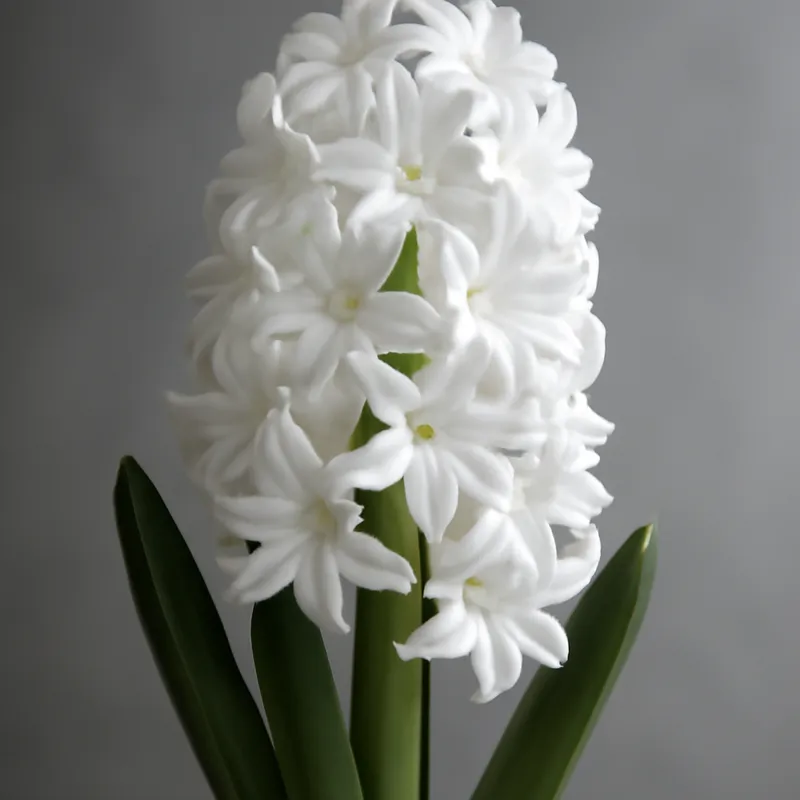
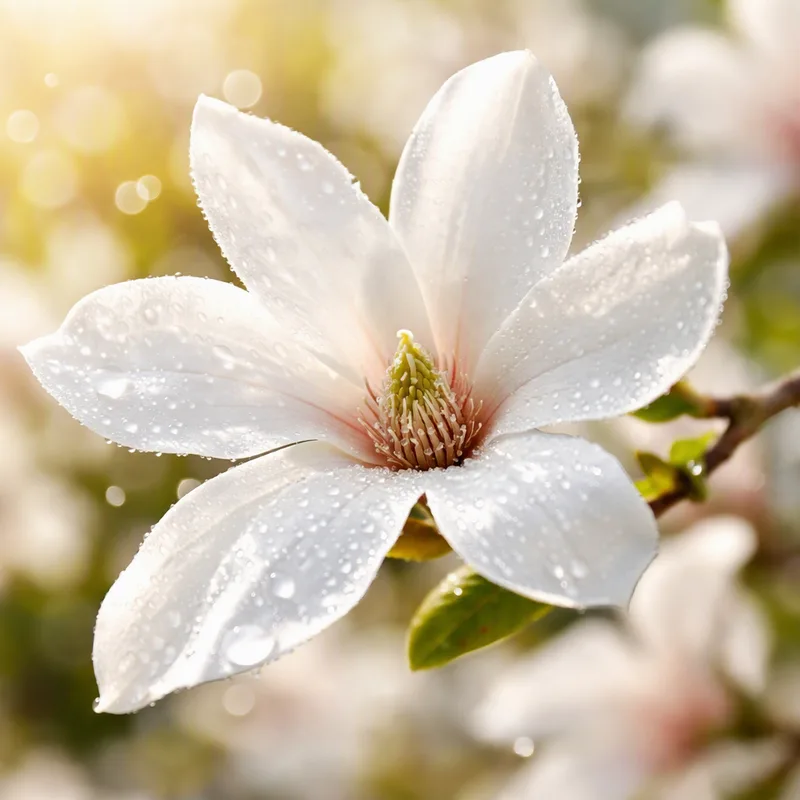
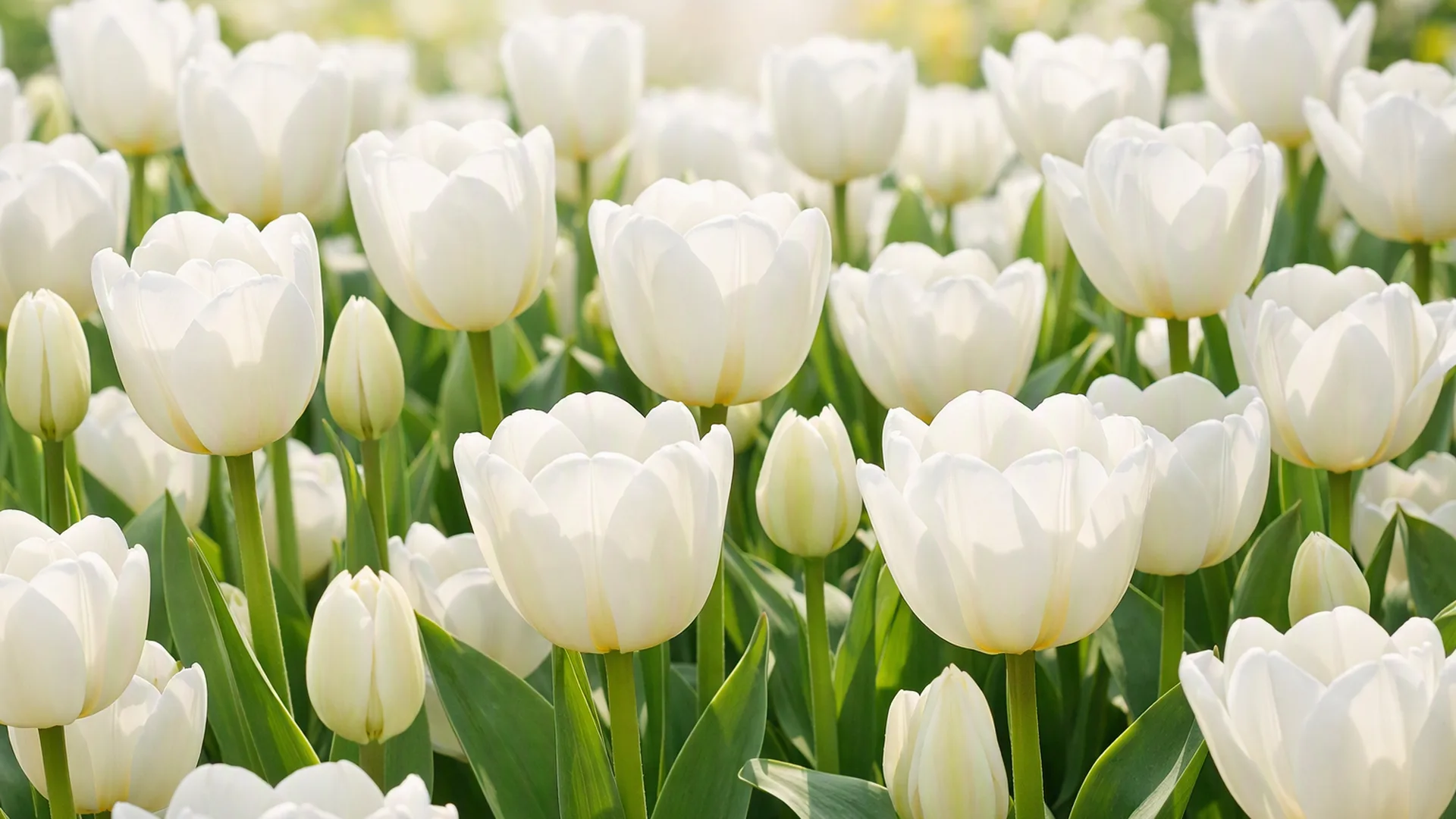
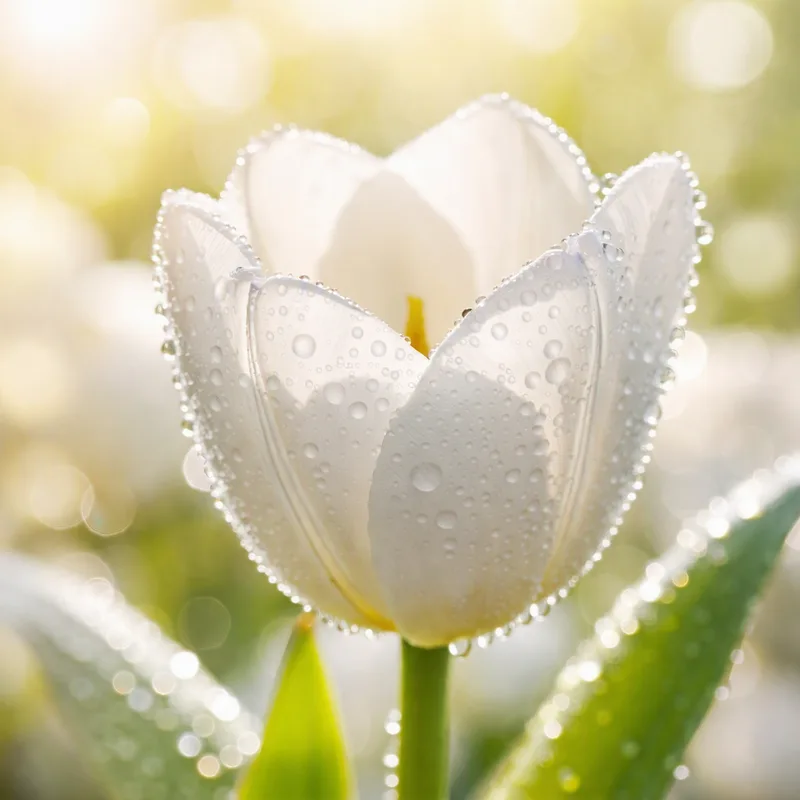
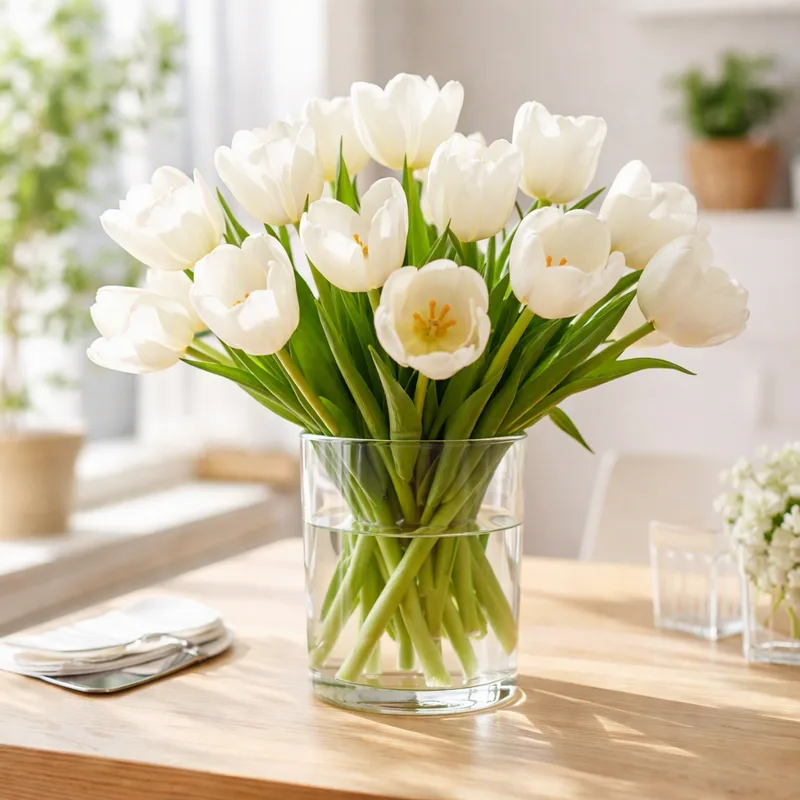
In the language of flowers, a white tulip has traditionally symbolised forgiveness and a clean slate, and it is also used for respect and remembrance. That makes it a quiet choice for apologies, sympathy arrangements and weddings, where its simple cup shape sits well with greenery. In the garden, white tulips also lift a bed of darker blooms and glow at dusk.
Forms of white
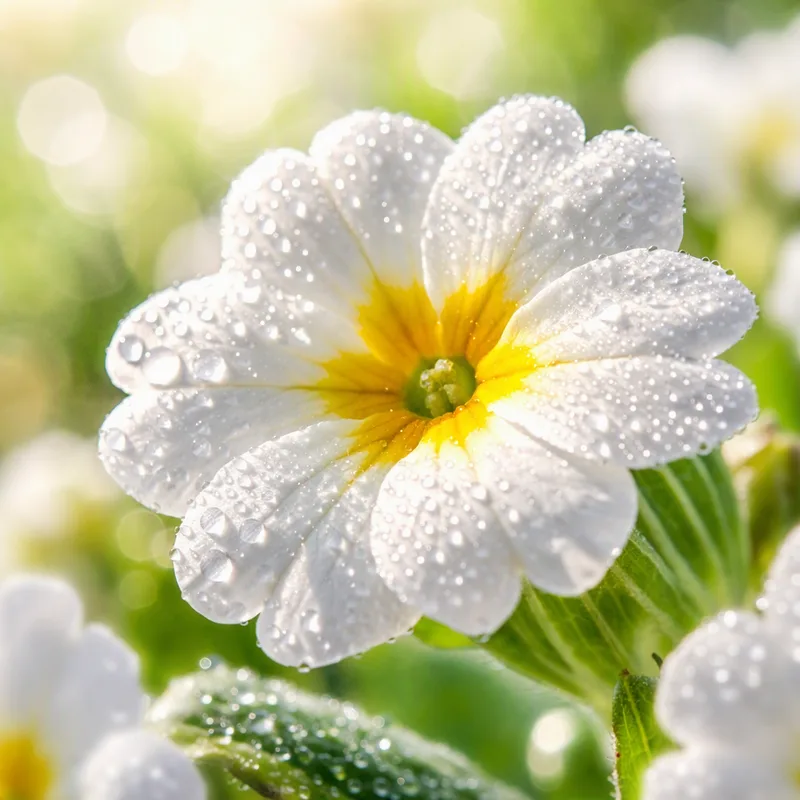
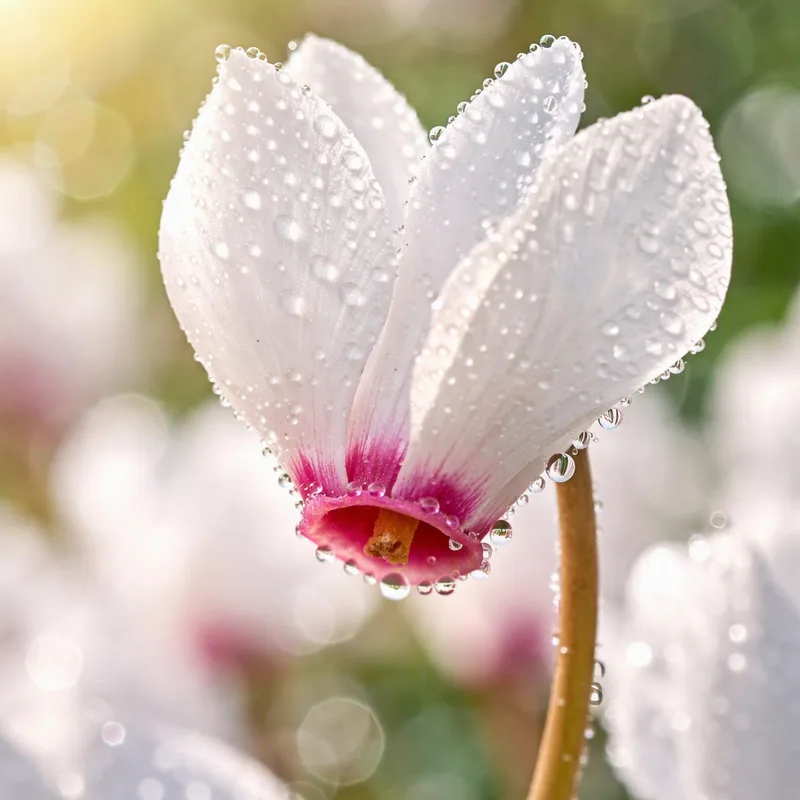
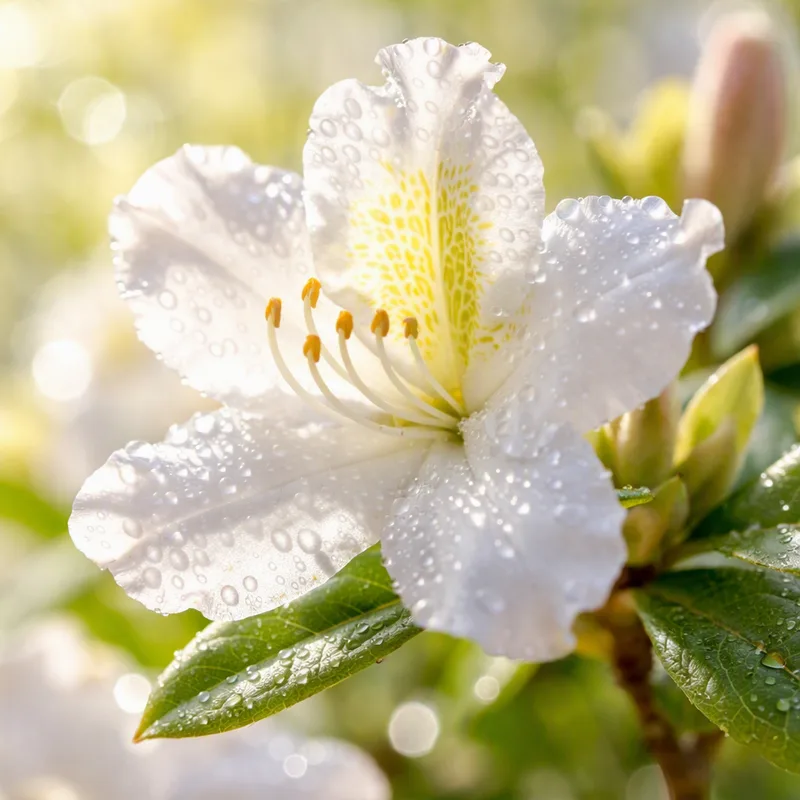
True white is rarer than people expect. Many flowers sold as white have a trace of cream, green or pink at the base or on the outer petals. The main shapes are:
- Single early tulips, short and neat, good for pots.
- Darwin hybrids, with big egg-shaped blooms on firm stems.
- Fringed and double types, which add texture but open faster.
If you want a pure look, pair white tulips with plain foliage and avoid yellow-centred companions.
Growing in Australian conditions
The bulbs need a cold spell. In Melbourne, Hobart or Canberra you can plant in April or May and see flowers in spring. In Sydney or Brisbane, refrigerate bulbs for six to eight weeks before planting, and accept that they may not return next year. Pot them in free-draining mix, because bulbs rot in wet soil during winter rain.
Cutting and safety
Choose stems with buds that are just showing colour. White petals mark easily, so handle them by the stem and avoid crowding. Cut tulips drink a lot, so top up the water every day or two.
Tulips are on the ASPCA toxic list for dogs, cats and horses. The bulb holds the highest concentration of tulipalins, and vomiting and drooling are the common signs. Phone your vet if an animal eats any part.