Why people reach for white
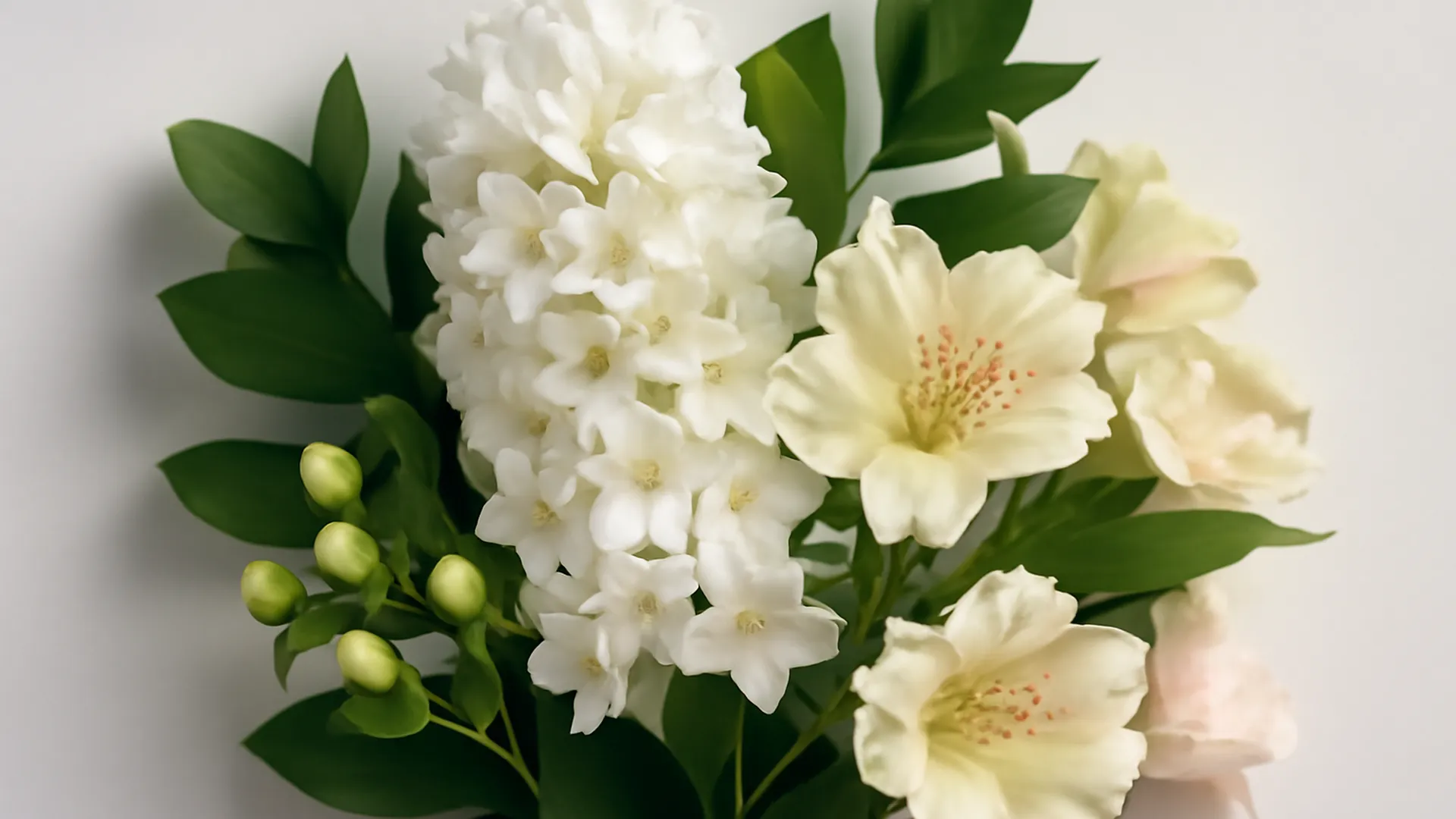
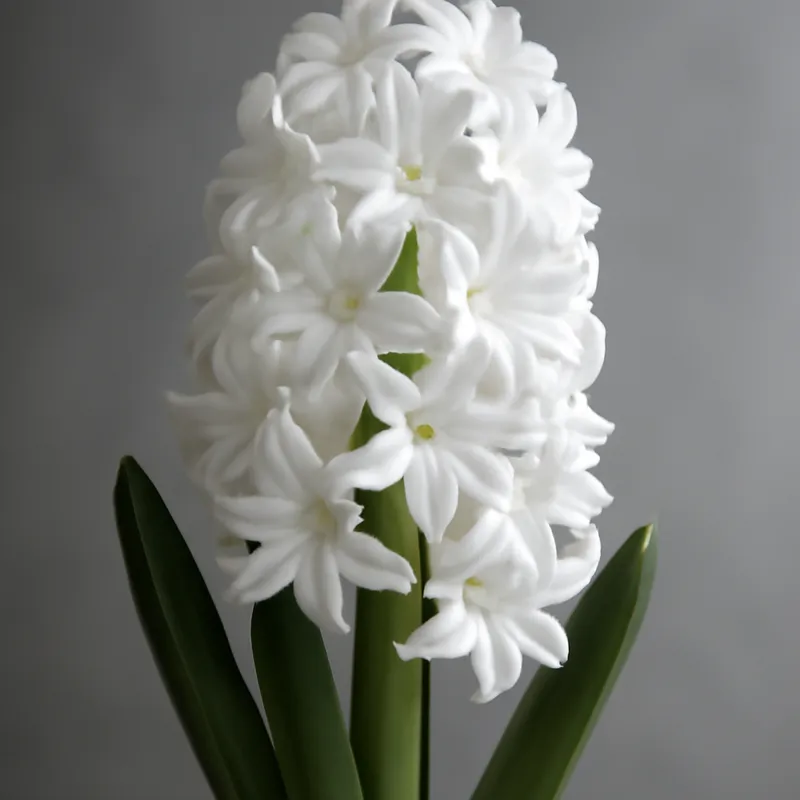
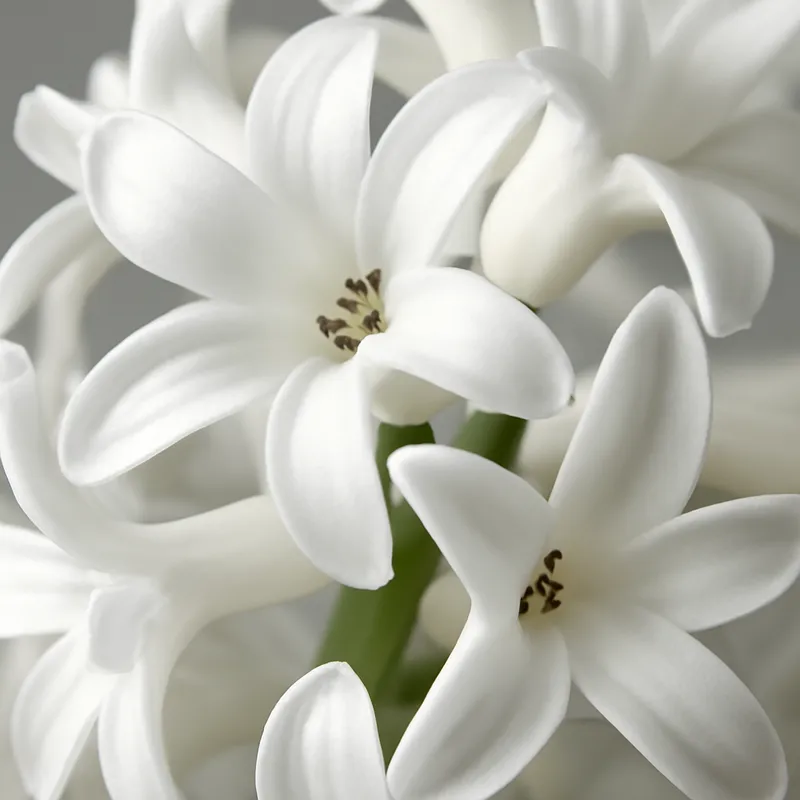
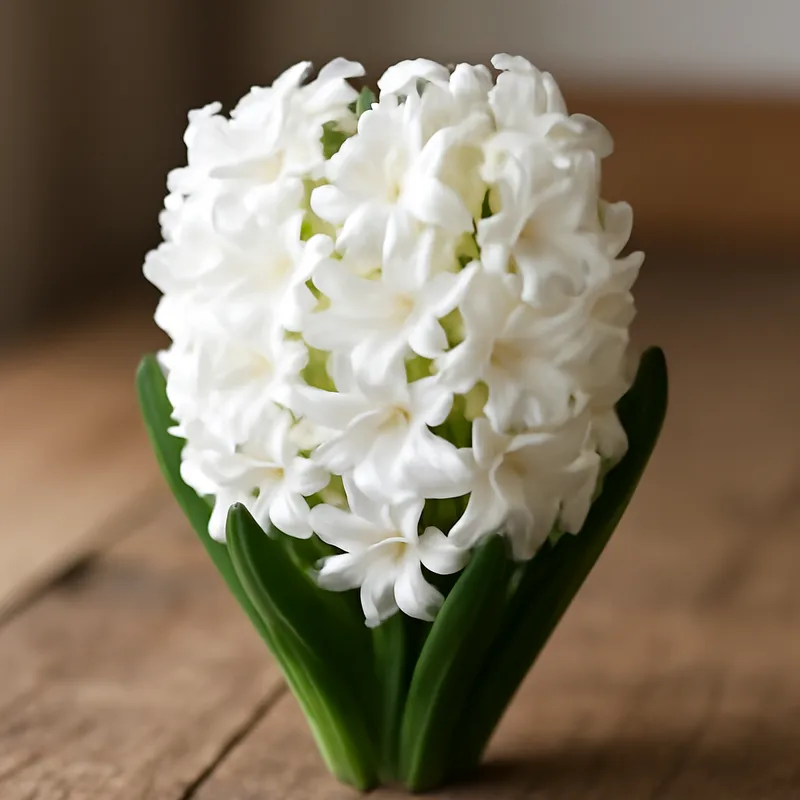
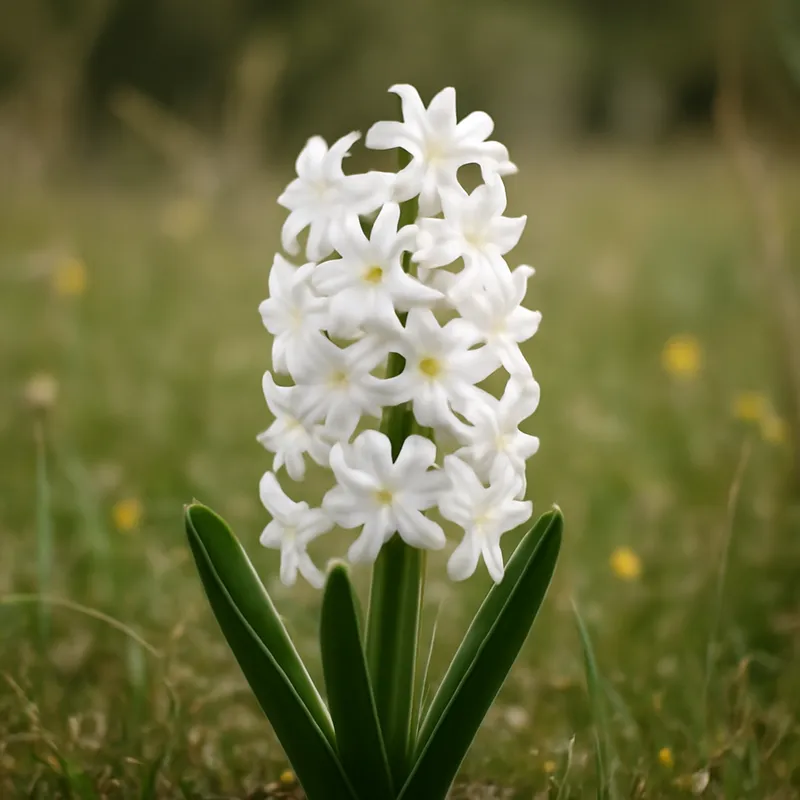
A white hyacinth is the tidy choice: waxy bells in cream to pure white on a stout spike, often with a faint green throat. In the language of flowers white hyacinth has traditionally stood for loveliness, which is part of why it turns up in wedding pots and table arrangements. Against dark green foliage it glows, and it pairs easily with any other spring colour.
Forcing a pot for late winter
White forms behave like the rest of Hyacinthus orientalis, so the same cold rule applies. Where winters are mild, chill the bulbs in a paper bag in the fridge for six to eight weeks before potting, well away from fruit. Set the bulb with its shoulders just above the mix, keep it in a cool dark place until a pale shoot is a few centimetres tall, then bring it into bright light. Flowers usually open around eight to ten weeks after potting.
- Stake heavy spikes lightly if they lean.
- Keep the pot out of direct afternoon sun, which bleaches and ages the bells.
- Water when the surface feels dry, and never let the pot stand in a full saucer.
White among the daffodils
White hyacinths look good beside daffodils in cool-climate beds in Melbourne, Hobart and Canberra. In warm coastal gardens treat them as a pot display. Leave the foliage to die back naturally after flowering so the bulb can recharge.
Bulb toxicity in brief
The bulbs are toxic. The ASPCA rates hyacinth as poisonous for dogs, cats and horses, and the bulb can irritate hands, so wear gloves when planting.