The familiar pink
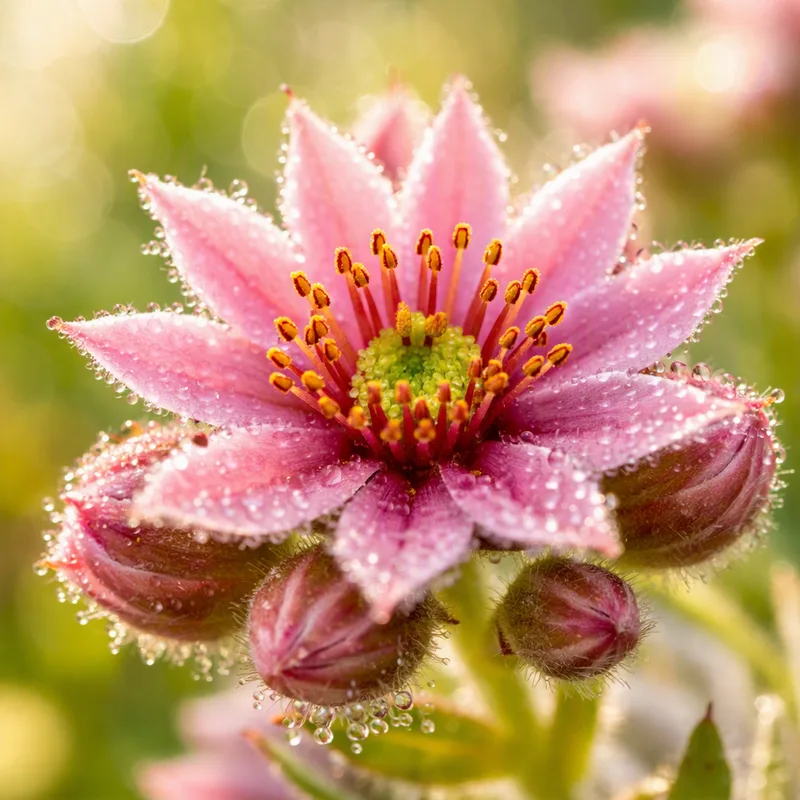
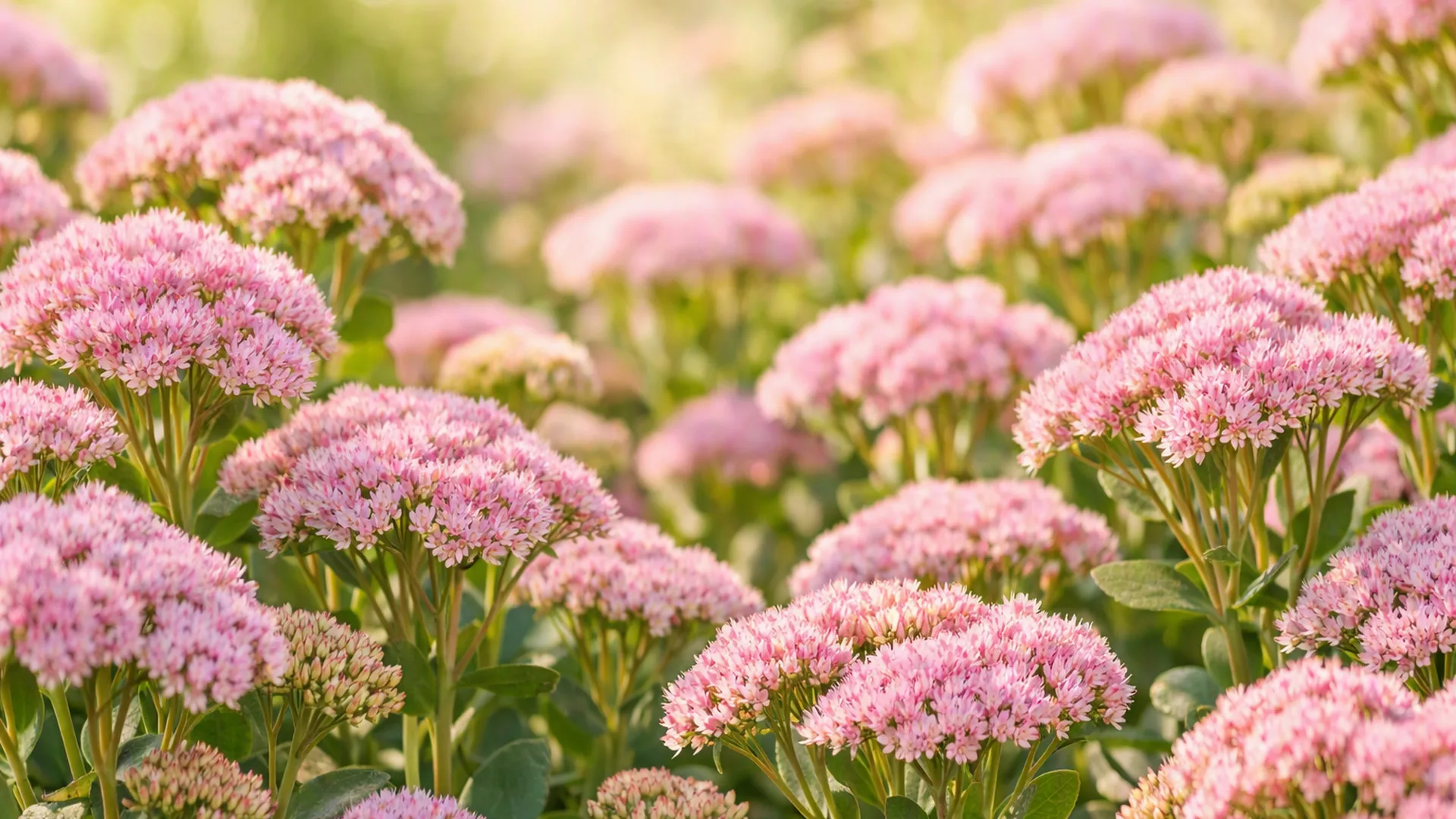
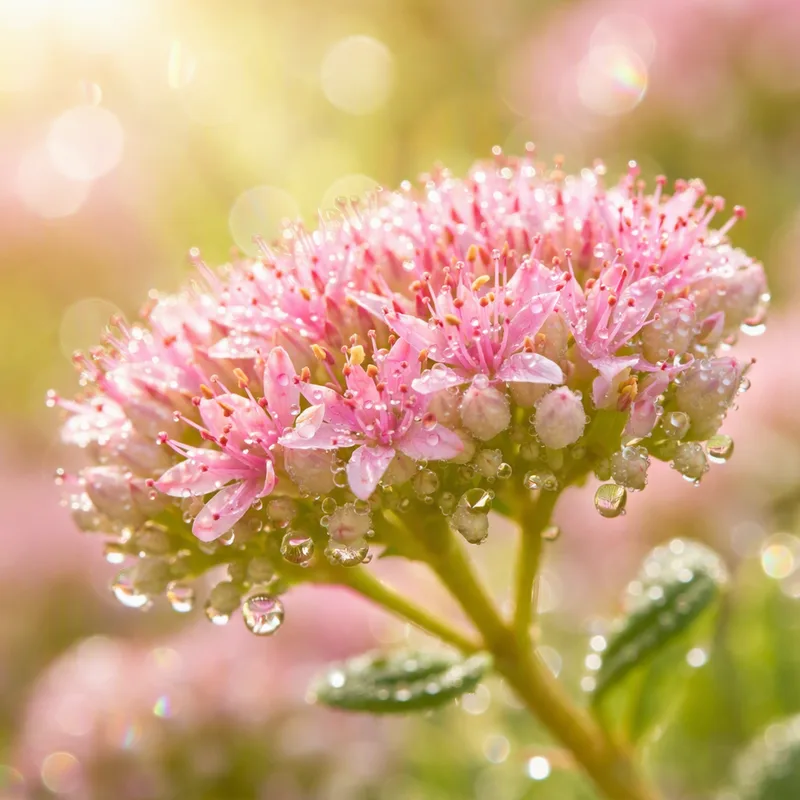
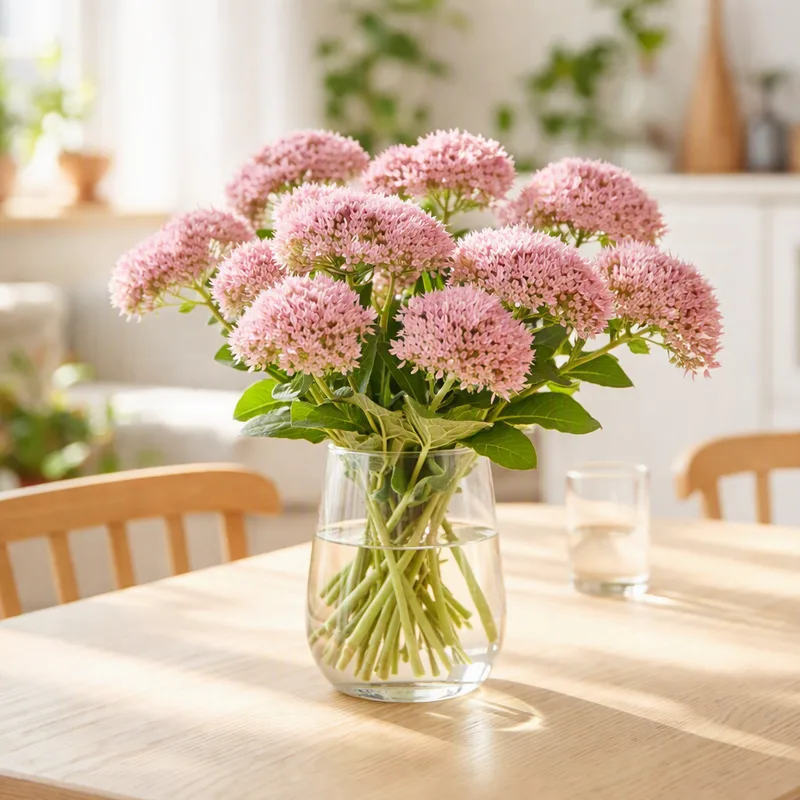
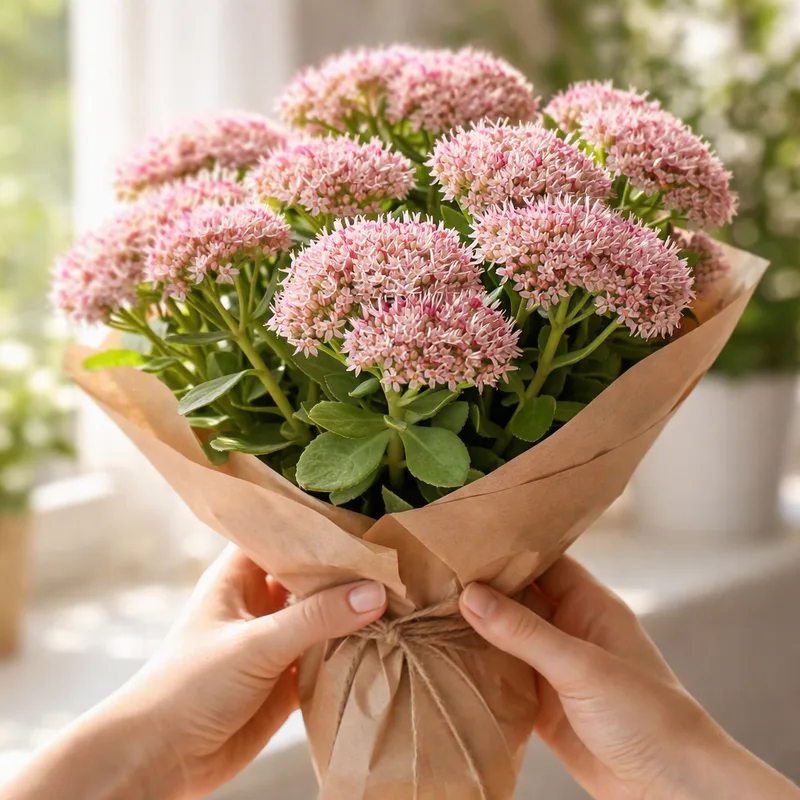
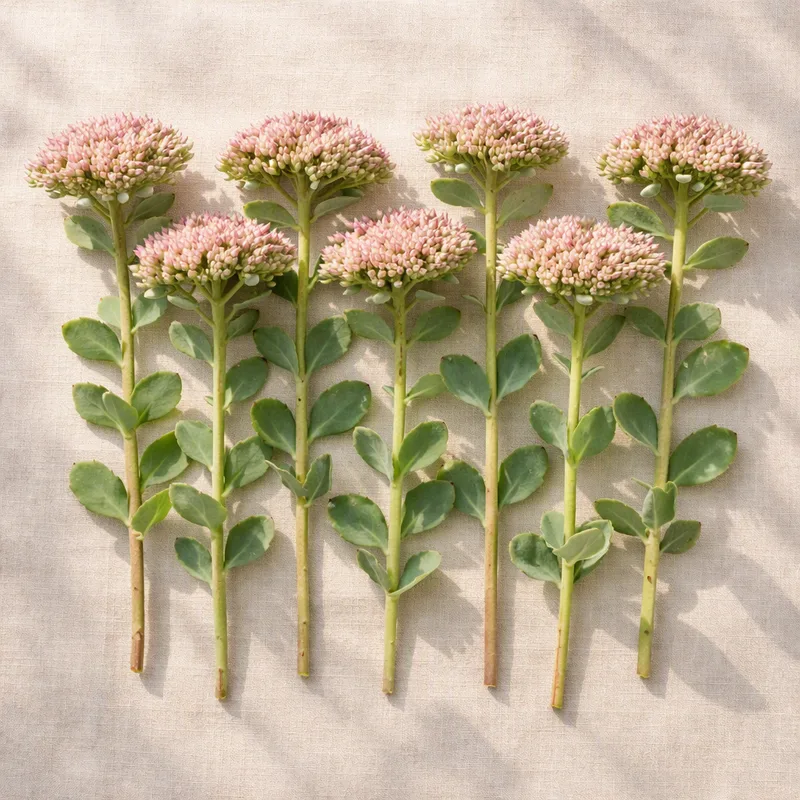
Pink is the colour most people picture for stonecrop. The flat heads are made of many tiny star-shaped flowers, each with a coat of nectar. In the wild, the species Hylotelephium telephium grows on dry banks, walls and rocky ground across Europe and Asia.
A magnet for visitors
When the pink heads open in late summer, bees, hoverflies and butterflies crowd onto them. In Australia, that means February and March. The platform shape gives insects a convenient place to land.
Keeping plants neat
- Choose a sunny site with sharp drainage.
- Avoid heavy fertiliser, which weakens stems.
- Support taller varieties with a ring of twigs.
- Divide congested clumps in spring.
Cutting stems for the house
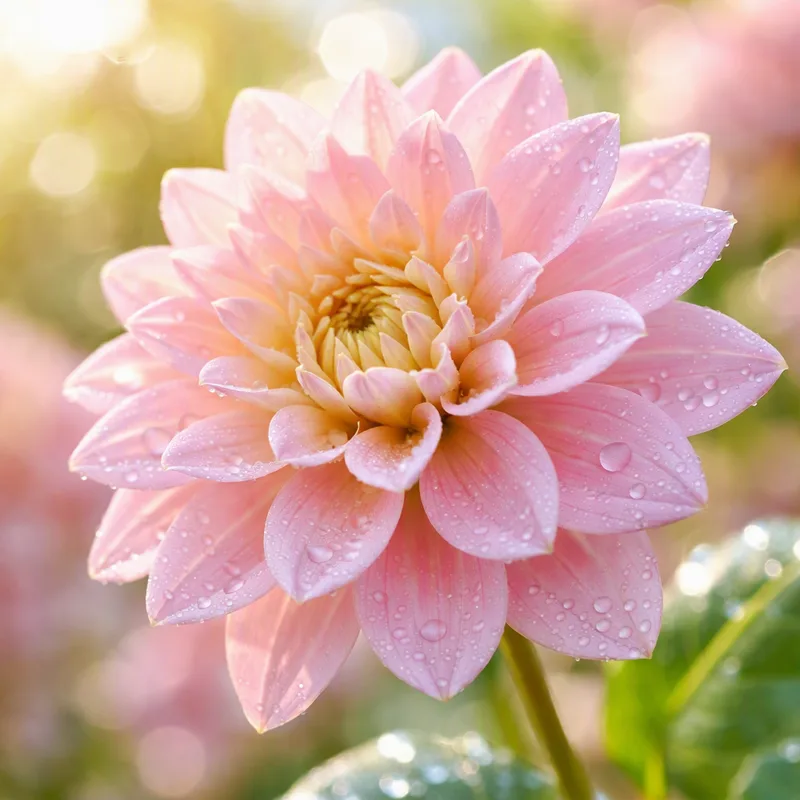
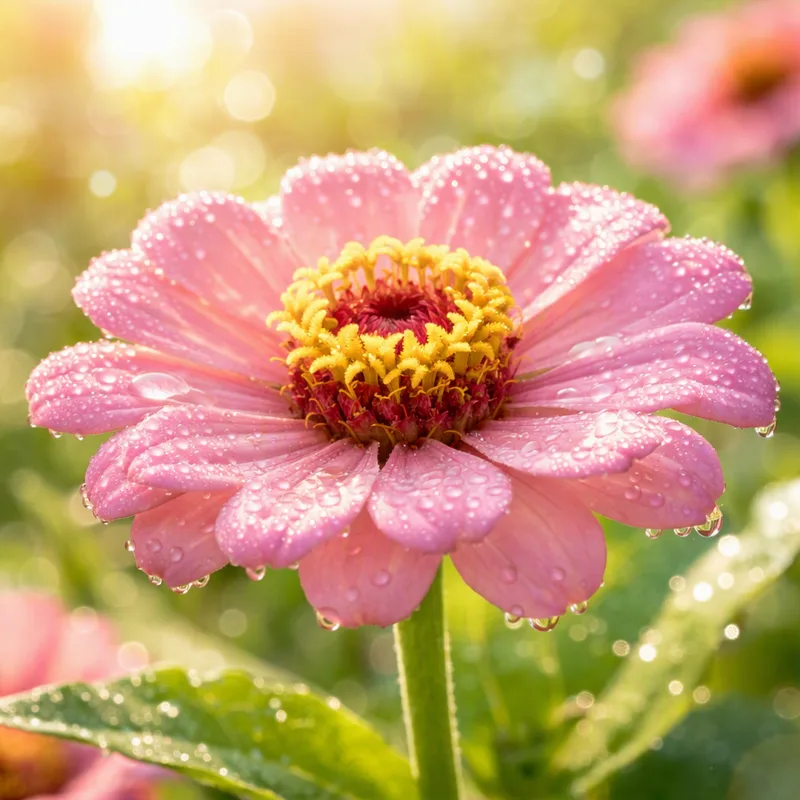
Pink stonecrop is a useful cut flower. Stems stay firm for a week to two weeks in water, and the flower heads can then be left to dry. It pairs well with dahlias, zinnias and ornamental grasses.
It copes with frost and also with dry heat, which makes it a rare perennial that works from Tasmania to inland Victoria and South Australia.
Its fleshy stems break easily, and broken pieces can take root where they fall, so a single plant can fill a sunny corner. That makes it an easy plant to share with friends.
Pink stonecrop and pets
Our check of the ASPCA lists did not turn this plant up. Treat it with caution around animals.