Where the pink shows up
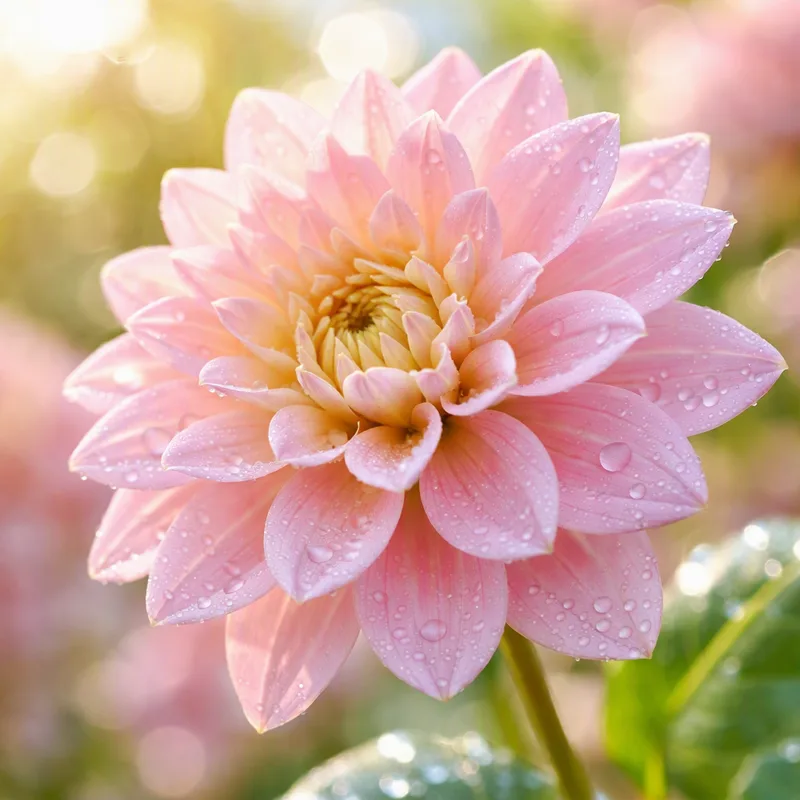
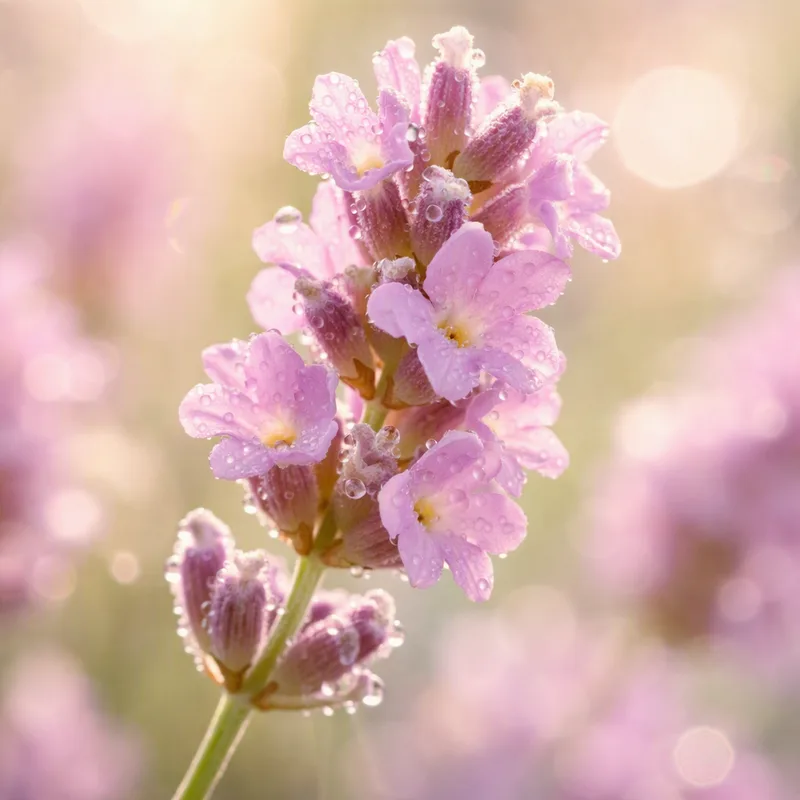
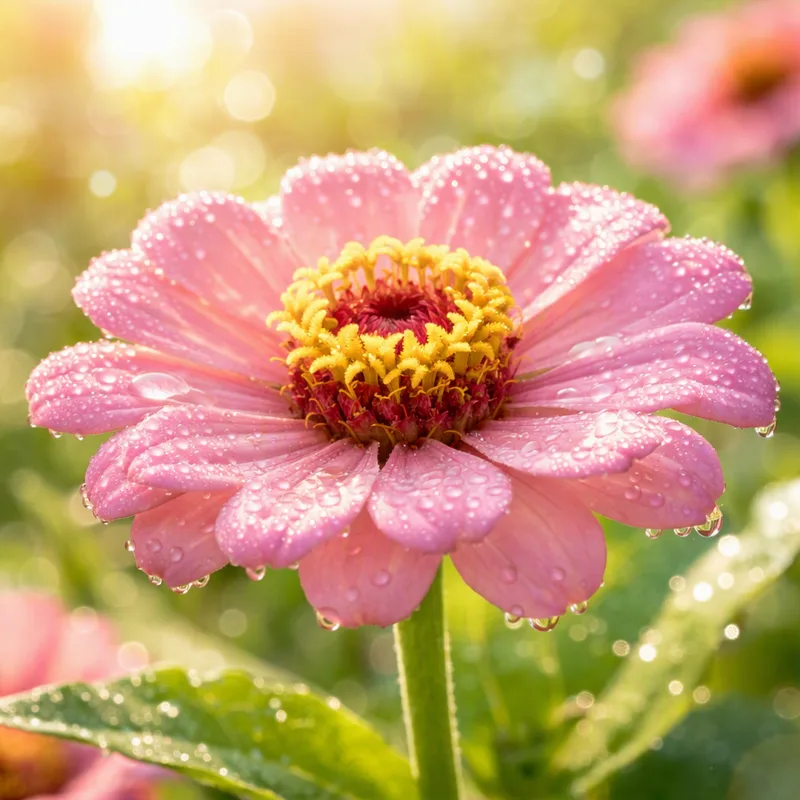
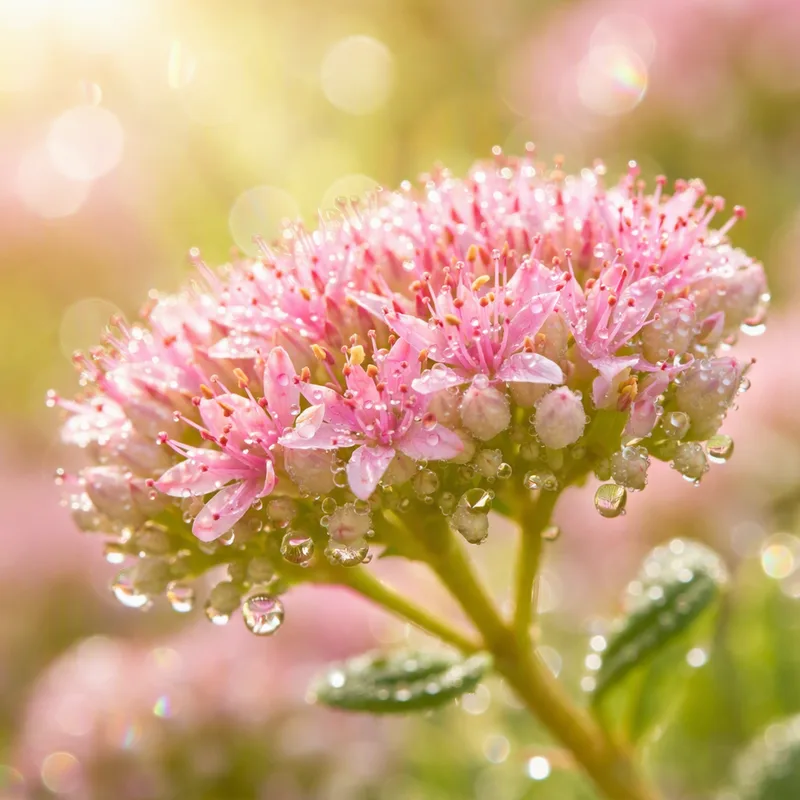
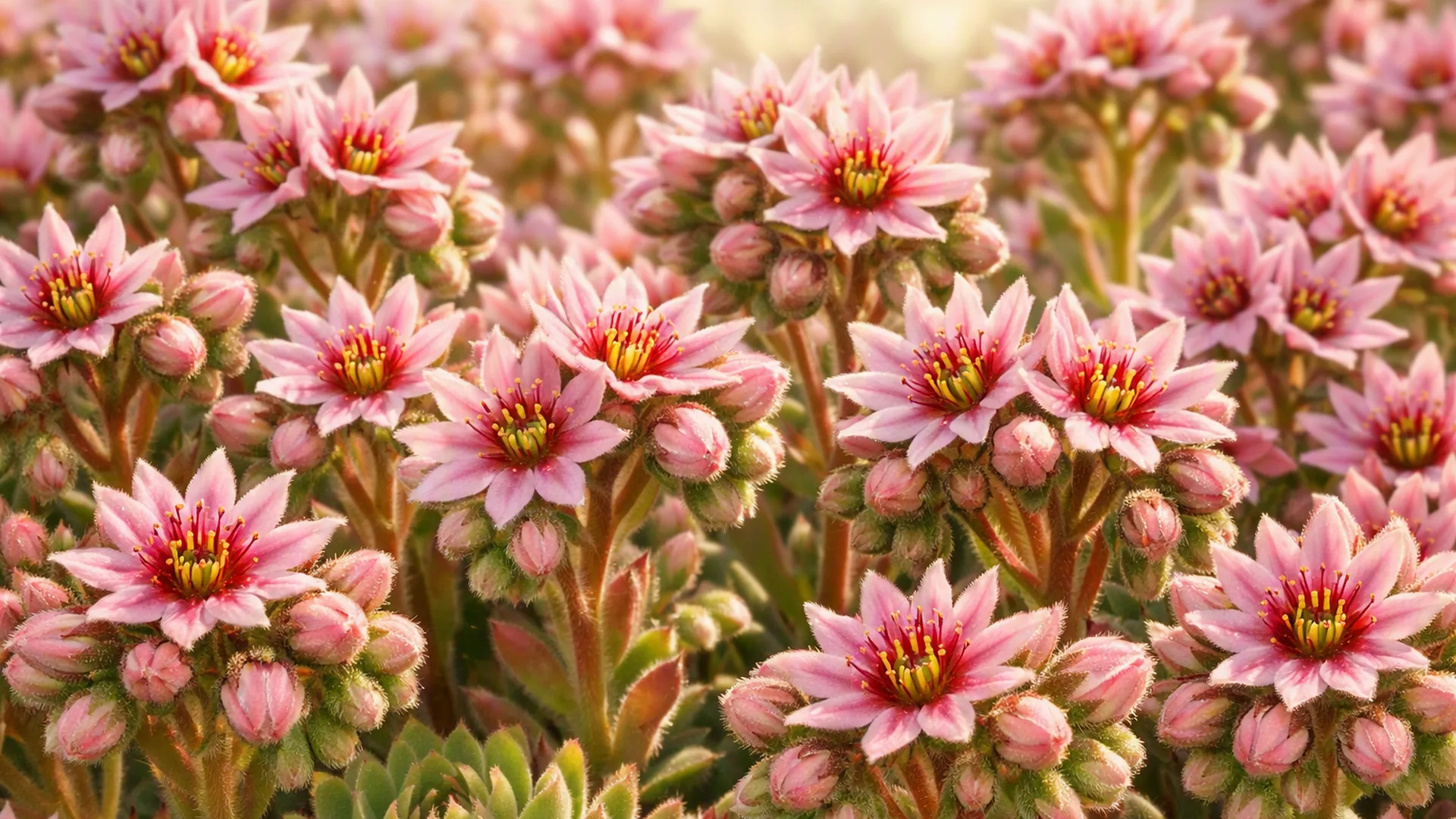
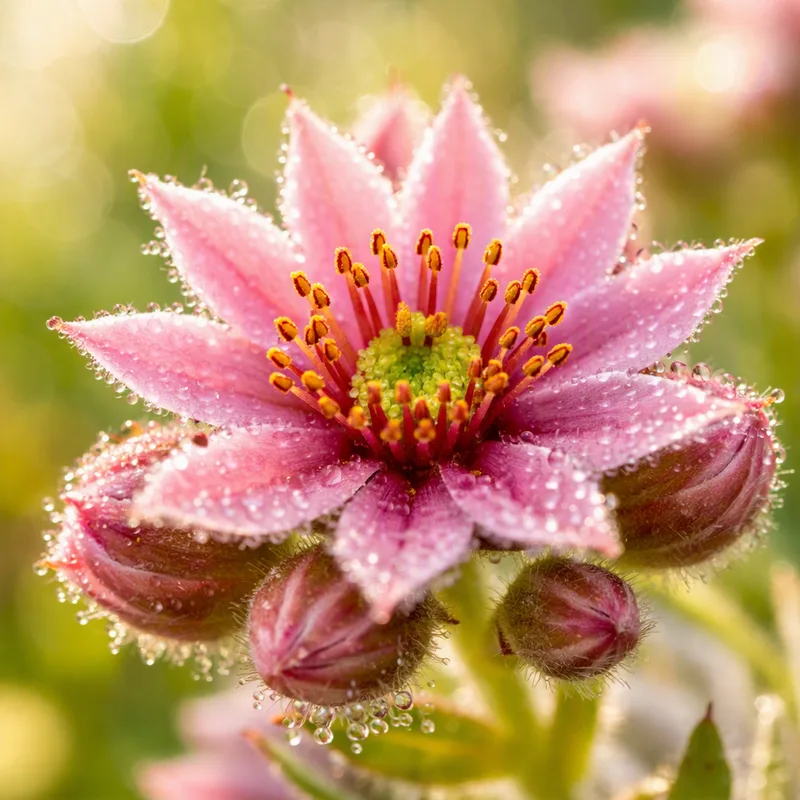
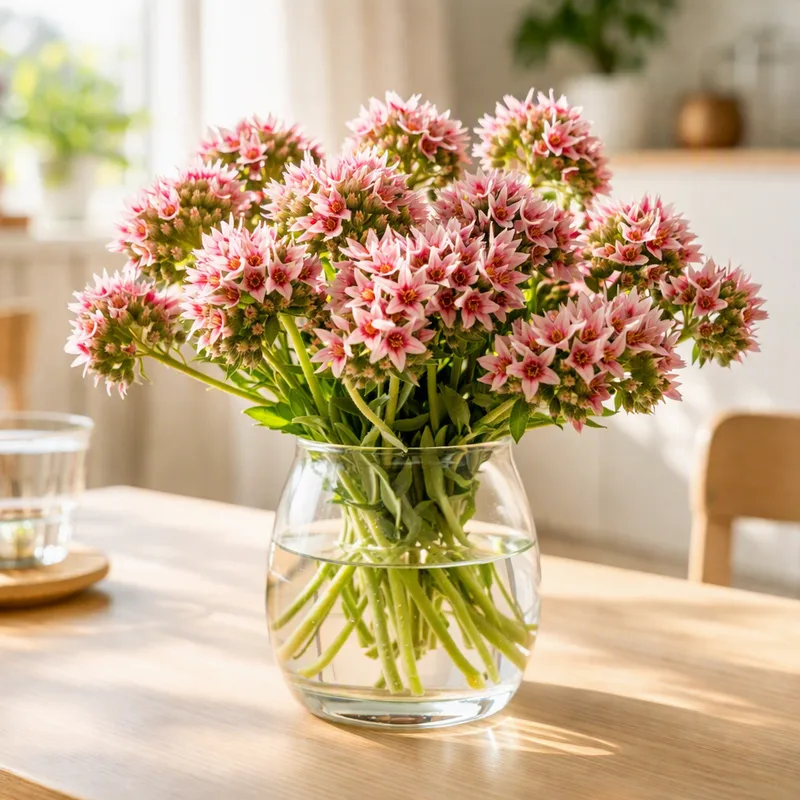
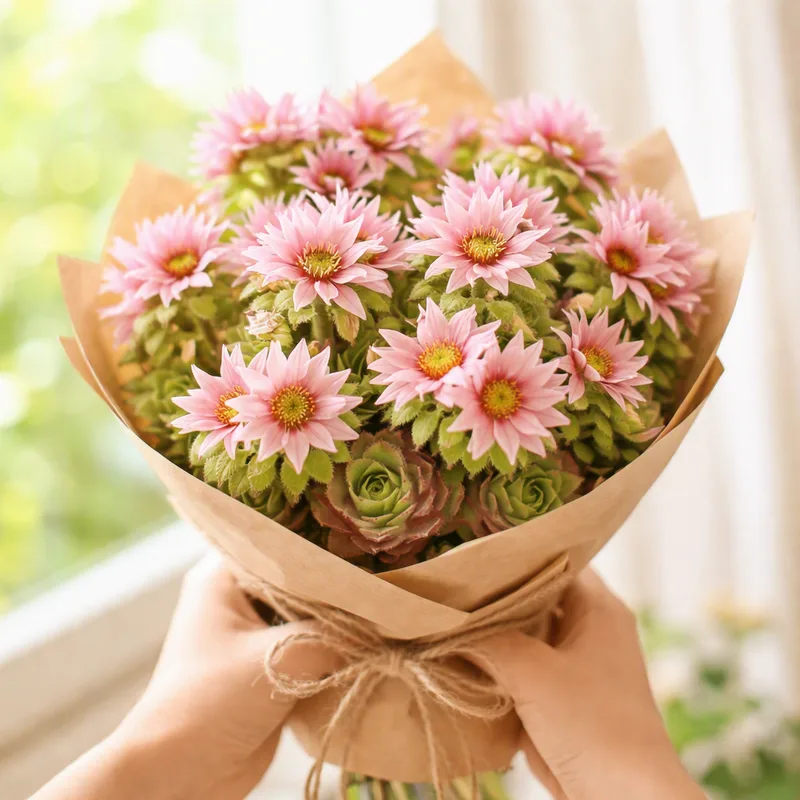
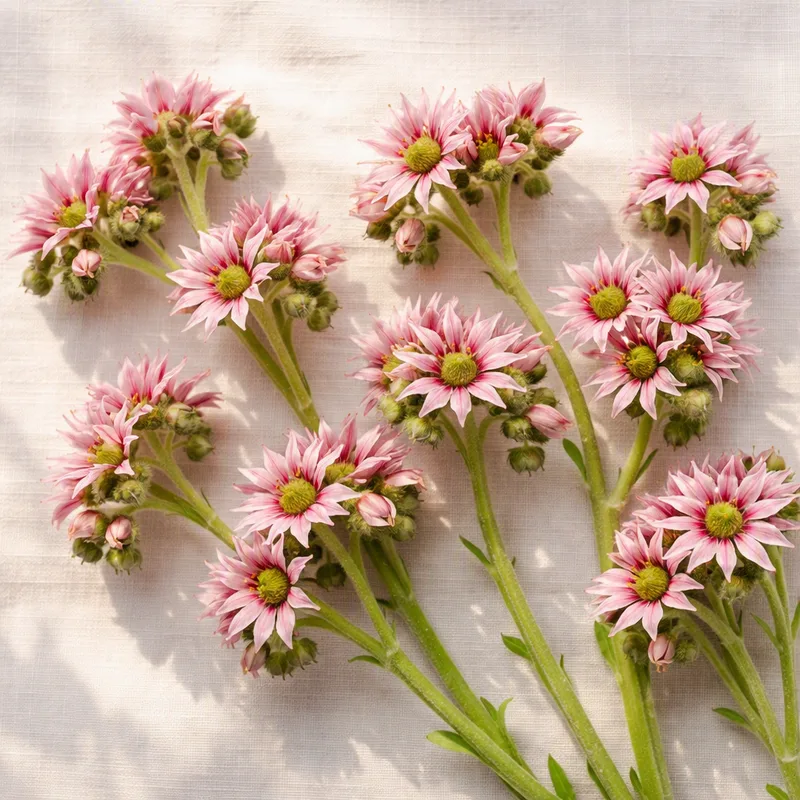
Houseleek flowers appear in summer in reddish, yellowish or pinkish tones, and rosettes themselves often blush pink or rosy-purple at the edges. A pink houseleek is therefore best thought of as a plant with pink tinges in the rosette or a pink flower spike. There is no single pink species, though many cultivars have been bred for rosette colour.
An old colouring plant
The juice of houseleek was mentioned in medieval Arabic writing as a source of pink colouring for food. Nobody needs it for that now, but it is an interesting fact about a plant mostly grown for its looks.
Good conditions
The plants need sharp drainage and plenty of light. They come from mountains, so they handle cold and drought well, and they dislike warm, wet weather. In Australia that suggests:
- Open positions in cool and dry districts, such as Canberra, Hobart and the Adelaide Hills.
- Pots under cover on the humid coast.
- Gritty mix, a shallow container and sparing water.
- Full sun to keep the pink tones.
When a rosette flowers, it dies afterwards, but offsets continue the clump. Remove them in spring to start new ones.
Rosettes and curious pets
The ASPCA toxic plant list has no entry for Sempervivum. Succulents can still upset a stomach if eaten, so check with a vet if a pet has chewed one.
The genus has around 40 species and many cultivars, so shop labels vary widely in rosette size, hairiness and tint; look at the plant itself rather than the name.